iAspirants
HomeAbout UsCurrent AffairsPrelims PYQsPricing
iAspirants
HomeAboutBlogsFAQsPricingLogin
Privacy PolicyTerms & ConditionsReturn PolicyContact Us

© 2025 iAspirants, Inc. All rights reserved.

  1. Blogs
  2. Environment and Ecology

Dead Fish Discovered in Palar River

Published on: 17-Aug-2026

Share this post

Dead Fish Discovered in Palar River

Article Summary

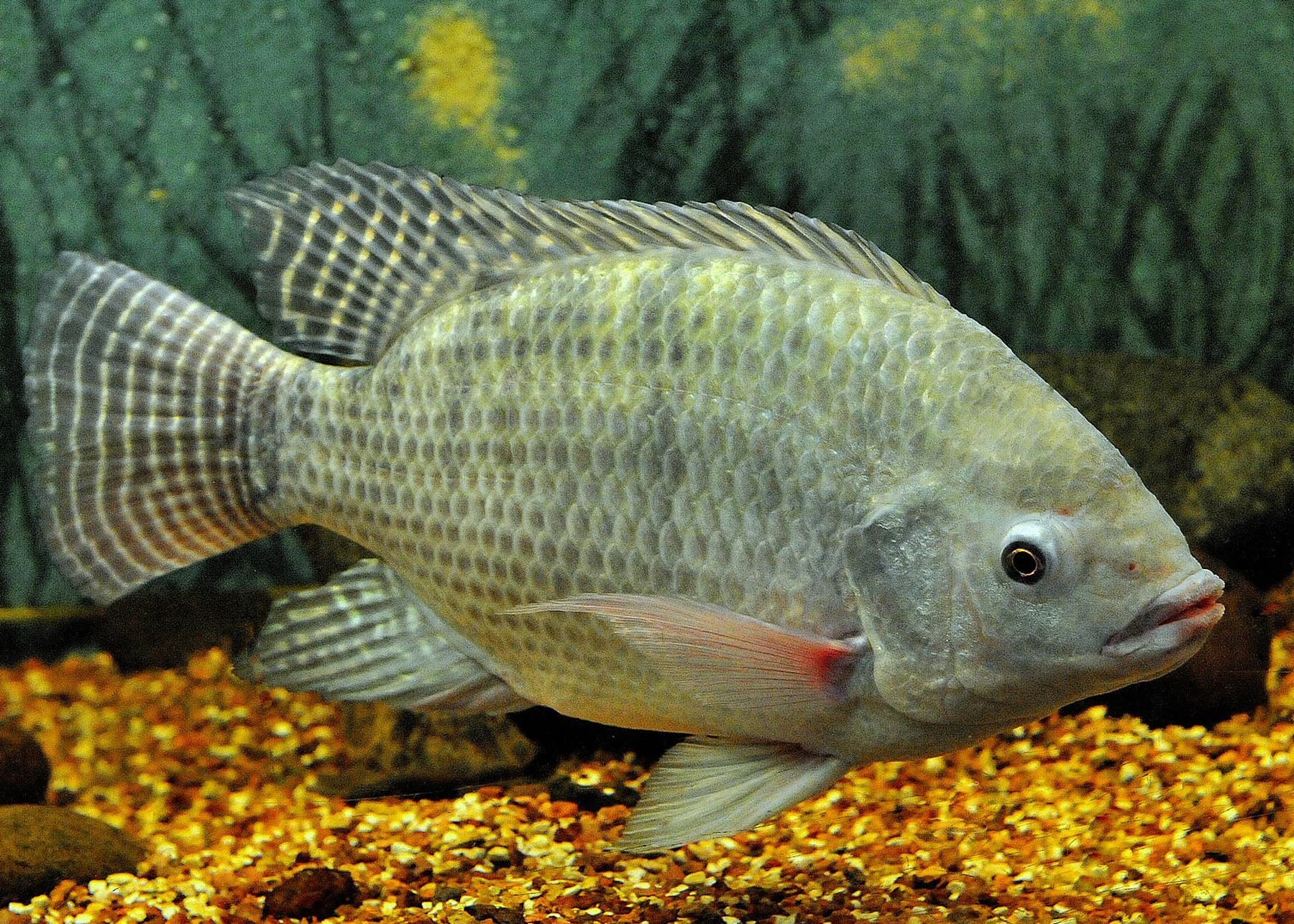
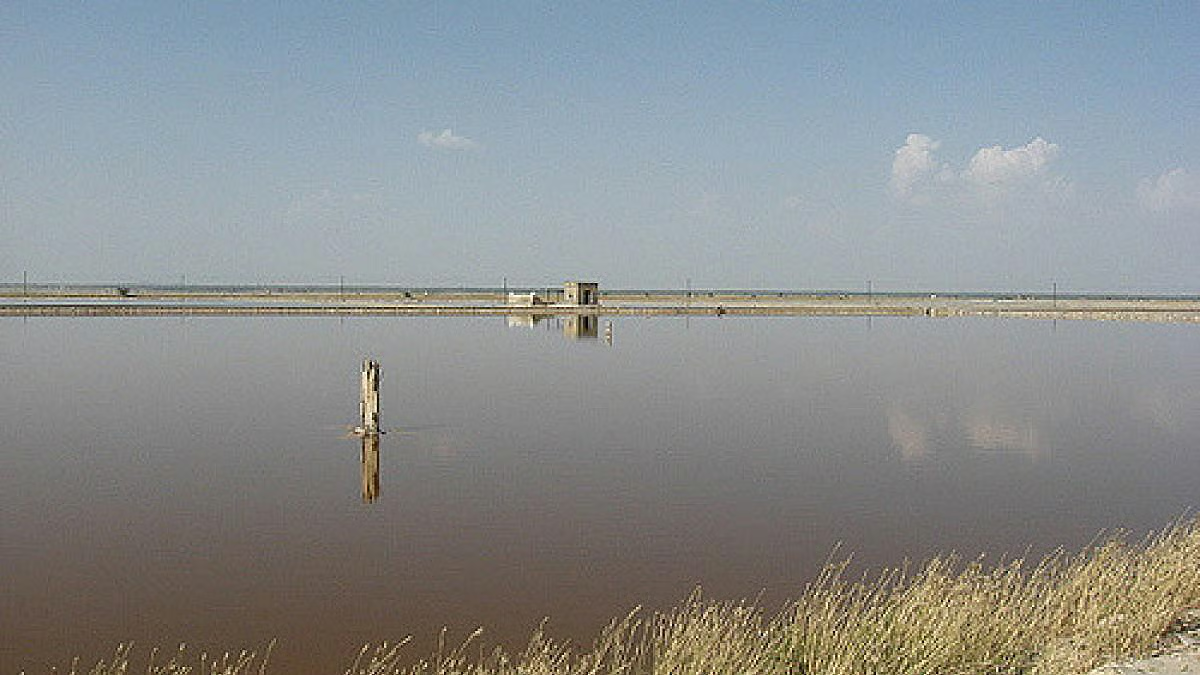
  • Environmental Incident: Significant fish mortality reported in Palar River, Madhanur village, Tirupattur, caused by low dissolved oxygen levels in water. Mainly affected species: Jalebi fish (Tilapia).

  • Fish Removal Efforts: Over 150 kg of dead fish removed by Fisheries Department. Samples taken for further investigation into the cause of fish deaths.

  • Water Resource Importance: Palar River serves as a critical water source for irrigation, supporting the cultivation of paddy, banana, sugarcane, and groundnuts across 1,200 acres of farmland.

  • Local Infrastructure: More than 15 bore wells have been installed along the riverbank, providing piped water supply to residents in 12 nearby villages. The river is also integral to local fish farming.

  • Economic Impact: Revenue from fish auctioning, conducted every three years, plays a vital role in funding basic facilities for local governance. Approximately 3 tonnes each of major fish species like Catla and Jalebi are sold annually in local and neighboring town markets (Tirupattur, Jolarpet, Ambur, Vaniyambadi, Gudiyatham).

  • Local Community Response: Fishermen and residents notified local panchayat and Fisheries Department upon observing floating fish, prompting immediate action from officials to investigate and address the environmental issue.

  • Biodiversity: The Palar River ecosystem hosts commercial fish species and acts as a lifeline for both agriculture and drinking water in the region.

  • Calls for Action: Local residents emphasized the need for thorough investigation and cleaning of the affected water body to prevent future incidents.

Key Terms & Concepts

Palar RiverWater source for irrigation
Jalebi fishCommon fish variety affected
Tilapia filletsFish type found dead
Department of FisheriesAuthority investigating fish death
150 kgAmount of dead fish removed
1,200 acresFarmland irrigated by river
15 bore wellsProvide piped water supply
three tonnesAnnual fish catch average
Revenue from fish auctioningFunds for civic facilities
Civic bodyOversees local facilities

Mind Map for UPSC Civil Services Revision

Turn UPSC Civil Services Current Affairs Into Exam-Ready Notes

Reading Environment and Ecology current affairs is half the work. Revise them with ready-made notes and test what actually stuck.

  • Daily UPSC Civil Services current affairs analysis
  • Revision notes, mind maps & MCQs
  • Prelims mock tests with instant results

Related UPSC Civil Services Current Affairs Articles

Britain Faces Severe Water Shortage
Environment and Ecology17-Aug-2026

Britain Faces Severe Water Shortage

  • Drought Situation: Britain is experiencing its worst drought since 1727, with severe water shortages affecting daily life and services.

  • Water Importation Study: Authorities are considering importing drinking water from Scandinavia due to deteriorating local supplies.

  • Current Water Supply Issues:

    • Over a million homes in South Wales face nighttime water cut-offs.
    • Residents in Western England may need to queue for water at standpipes starting next month.
    • The Channel Island of Jersey has implemented strict water rationing measures.
    • Guernsey has been under water rationing since an emergency was declared in June.
  • Water Rationing Timeline: Without current rationing measures, local authorities estimate that water supplies could run out in six weeks.

  • Government Action:

    • All 10 water authorities in England and Wales have indicated plans to utilize powers under the Drought Act.
    • Authorities from North-East, South, West, and Wales are demanding the legal ability to cut off water supply to households as necessary.
  • Economic Impacts: Prolonged drought and water shortages could adversely affect food production and industrial output in the upcoming season.

  • Legislative Reference: The actions being taken reference the Drought Act, which allows water authorities specific powers to manage water resources during periods of severe drought.

  • Public Health Concern: The ongoing drought and potential for increased water rationing pose a significant risk to public health and hygiene standards.

  • Urgent Measures Required: The government and local authorities are under pressure to manage resources effectively and re-evaluate supply strategies to prevent a humanitarian crisis.

  • These notes encapsulate the key issues and actions being taken in response to the severe drought in Britain, relevant governmental powers, and the potential future implications for the population and economy.

    Chromium Contamination in Uttar Pradesh
    Environment and Ecology17-Aug-2026

    Chromium Contamination in Uttar Pradesh

    Summary of Environmental & Health Crisis in Uttar Pradesh

    Health Concerns

    • Contaminated Water: Residents in Fatehpur, Kanpur Dehat, and Kanpur Nagar districts are suffering from severe health issues attributed to chromium (VI) contamination in groundwater.
    • Health Statistics: Government tests from 2025 reveal 73%-96% of residents have chromium (VI) levels above permissible limits.
    • Reported Symptoms: Common ailments include liver issues, stomach ulcers, skin rashes, and gastroenteritis.

    Environmental Background

    • Chromium (VI): A hazardous chemical used in industries for electroplating and leather production, classified as a carcinogen by the International Agency for Research on Cancer.
    • Dump Sites: Significant chromium dumps have existed since 1976, with reports indicating past disposal practices caused groundwater contamination.

    Policies & Government Actions

    • National Green Tribunal (NGT): An independent body addressing environmental issues that has ordered factory closures and clean-ups of chromium waste.
    • NGT Orders: In 2017, the NGT initiated the removal of chromium dumps, but communities report continued environmental degradation.
    • Policy Gap: Residents highlight insufficient action from the government, often delayed until NGT interventions.

    Government Response

    • Lack of Testing Facilities: No public testing for heavy metals in the affected districts; villagers fail to receive adequate health examination or remediation.
    • Water Supply Issues: Residents face unreliable piped water supplies, often tainted, forcing reliance on contaminated handpumps.

    Economic Impact

    • Cost of Clean Water: Many families cannot afford clean water options like RO water systems, leading to health risks.
    • Income Data: Laborers earning between ₹10,400 to ₹12,000 monthly struggle with health vulnerabilities linked to contaminated water usage.

    Ongoing Research

    • IIT Kanpur Study: A comprehensive study led by IIT Kanpur aims to map the extent of contamination. Initial phases expected to last six months, focusing on identifying and isolating contaminated areas.

    Community Reaction

    • Public Sentiment: Villagers express frustration and humor about their predicament, indicating a lack of urgency from authorities to address their plight.

    This situation underscores the grave public health and environmental challenges associated with industrial pollution, highlighting the need for robust legislative frameworks and timely government action to protect affected communities.

    Ennore Fisherfolk Protest Against Pollution
    Environment and Ecology17-Aug-2026

    Ennore Fisherfolk Protest Against Pollution

    Incident Overview:

    • Fisherfolk in Ennore demonstrated due to mass fish deaths in the Kosasthalaiyar river near the Ennore estuary.
    • Types of aquatic life affected: madavai, kizhangan, oodan, karuva, kelathi, prawns, crabs.

    Environmental and Pollution Concerns:

    • Tamil Nadu Pollution Control Board (TNPCB) collected samples from the affected areas for analysis.
    • Allegations link fish deaths to chemical effluent discharge from local industries, emphasizing longstanding pollution issues in the area.
    • The local fishing community expressed fears over the impact of pollution on their livelihoods.

    Community Response:

    • Fisherfolk from eight villages conducted a road blockade on Thazhankuppam main road demanding action.
    • Key stakeholders including MLA T. Arunkumar and government officials engaged in discussions with protesters.

    Demands of the Fisherfolk:

    1. Detailed Report on Effluents:

      • Fisherfolk sought an analysis of water contamination to identify toxins and responsible industries.
    2. Compensation:

      • A call for compensation equivalent to one year of livelihood due to the unprecedented fish kill that affects the breeding area.
    3. Employment Opportunities:

      • Request for job provision in nearby industries and thermal power plants, citing a promise of jobs made during the establishment of these plants. Only 500 job placements were noted.

    Government and Legislative Framework:

    • The event heightens the focus on environmental protection laws and compliance by industries as enshrined in the Constitution of India, notably:
      • Article 21: Right to life entails the right to a clean environment.
      • Directive Principles of State Policy (DPSP), Article 48A: The State shall endeavor to protect and improve the environment and safeguard the forests and wildlife of the country.

    Economic Implications:

    • The fish kill threatens the livelihoods of local fisherfolk, highlighting economic vulnerabilities within the fishing and coastal communities reliant on healthy waterways for sustenance and income.

    Sectoral Context:

    • The Kosasthalaiyar river's ecosystem is crucial for local fisheries and biodiversity.
    • Fisherfolk express concerns about contaminants from industrial effluents, sewage, and fly ash due to industrial activities and power plants in the vicinity.

    Conclusion: The incident underlines the urgent need for effective environmental governance, community engagement in industrial management, and safeguarding the livelihoods of fishing communities in the face of industrial pollution.

    Earthquake Strikes Indonesia with Tsunami Warning
    Environment and Ecology16-Aug-2026

    Earthquake Strikes Indonesia with Tsunami Warning

    Earthquake in Indonesia - Summary of Key Facts:

    1. Event Details:

      • A magnitude 6.0 earthquake struck the Gulf of Tomini, Indonesia.
      • Date and Time: Occurred on August 15, 2026, at 21:55 IST.
      • Depth: 68 kilometers (42.25 miles).
      • Coordinates: Latitude 0.174 N, Longitude 120.312 E.
    2. Recent Activity:

      • This quake follows a magnitude 7.7 earthquake earlier the same day, which resulted in over 40 fatalities.
      • In addition, a magnitude 6.5 quake occurred on the same day.
    3. Tsunami Warning:

      • Authorities initially issued a tsunami warning prompting coastal residents to evacuate to higher ground.
      • The warning was later lifted as no significant sea-level changes were detected by Indonesia's meteorological agency, although smaller tsunamis were reported.
    4. Monitoring and Response:

      • The German Research Centre for Geosciences (GFZ) provided data on the earthquake.
      • The National Center for Seismology (NCS) of India confirmed the details and advised the use of the BhooKamp app for more information.
    5. Significance:

      • Indonesia is situated on the Pacific Ring of Fire, making it susceptible to earthquakes and tsunamis.
      • The country regularly faces seismic activities, and preparedness measures are critical for minimizing impact.
    6. Emergency Preparedness:

      • The event underscores the importance of disaster preparedness and response systems in earthquake-prone areas.
      • The evacuation protocols reflect ongoing efforts to protect coastal populations during seismic events.

    These points emphasize the urgent need for continuous monitoring and efficient disaster response strategies in regions vulnerable to natural disasters such as earthquakes and tsunamis.

    Climate Change Monitoring and Forecasting
    Environment and Ecology13-Aug-2026

    Climate Change Monitoring and Forecasting

    Climate Change Monitoring and Preparedness in India

    Key Institutions and Responsibilities:

    • Ministry of Earth Sciences: Oversees climate monitoring through the India Meteorological Department (IMD).
    • National Institute of Ocean Technology (NIOT): Maintains oceanic networks and tsunami warning systems.
    • Indian National Centre for Ocean Information Services (INCOIS): Develops coastal vulnerability indices and mapping.

    Climate Monitoring Tools:

    • Observation Networks: Utilizes Doppler radar, automatic weather stations, and rain gauge stations for real-time weather monitoring across the country.
    • Climate Summaries: Monthly and annual reports on climate conditions, including extreme temperatures and rainfall variability over the last 30 years.
    • Coastal Vulnerability Index: Developed on a 1:100,000 scale for evaluating risks from rising sea levels and natural disasters.

    Disaster Preparedness and Response:

    • Urban Flood Management: INCOIS provides rainfall forecasting and flood mapping for urban areas, notably in Mumbai.
    • Real-time Alerts: Weather warnings disseminated through various digital platforms, including mobile applications and common alerting systems.
    • Panchayat Weather Service Initiative: Connects weather forecasts with local governance via e-platforms for direct communication to representatives.

    Mission Monsoon:

    • Launched to enhance weather forecasting accuracy and disaster preparedness.
    • Goals include:
      • 10-15% improvement in forecasting accuracy by 2030.
      • Dynamic, location-specific advisories to aid in informed decision-making.
      • Increased lead time for early warnings and risk-based alerts for severe weather events.

    Technological Advancements:

    • Establishment of advanced monitoring stations such as:
      • Doppler Weather Radar
      • Microwave Radiometers
      • Aerosol Monitoring Stations
    • Targeting a spatial resolution of 5 km x 5 km for severe weather forecasts.

    International and National Collaboration:

    • Utilizes data from global networks to enhance local forecasting capabilities.
    • Aligns with national disaster management protocols to prepare for cyclones and high waves.

    Government Schemes and Policies:

    • Agricultural Advisory Services: Provides climate-related advisories to farmers through awareness programs across 373 districts.
    • Digital Platforms: Use of platforms like Kalp and Mausam Sankalp to deliver tailored agricultural and weather information.

    Economic and Environmental Impact:

    • Improved forecasting and risk assessment can significantly reduce disaster risks, benefiting socio-economic sectors sensitive to climate variability.
    • Focus on enhancing coastal and urban resilience to climate change impacts.

    Conclusion

    The Government of India, through various ministries and institutions, is actively engaged in monitoring climate change, enhancing disaster preparedness, and providing essential services to mitigate the effects of severe weather events. The initiatives aim to improve forecasting accuracy, provide timely alerts, and ensure better preparedness for climate-related challenges.

    India's Climate Action Achievements
    Environment and Ecology13-Aug-2026

    India's Climate Action Achievements

    Climate Action and India's Nationally Determined Contributions (NDCs)

    Key Achievements & Targets:

    • Emission Intensity Reduction: India achieved a 37.38% reduction in gross domestic product (GDP) emission intensity from 2005 levels by 2022. The NDC target is a 45% reduction by 2030.
    • Renewable Energy Capacity: The share of non-fossil fuel-based energy sources in cumulative installed power capacity exceeded 50% by June 2025, five years ahead of the NDC target.
    • As of June 30, 2026, non-fossil fuel-based resources accounted for 54.18% of the total installed power capacity.

    Carbon Sink Creation:

    • From 2005 to 2022, India created an additional carbon sink of 2.44 billion tons of CO2 equivalent. The NDC target aims to create 2.5–3.0 billion tons of additional carbon sinks through forest and tree cover by 2030.

    Economic Growth and Emissions:

    • The first biennial transparency report submitted under the UN Framework Convention on Climate Change in April 2026 highlighted the decoupling of greenhouse gas emissions from economic growth and GDP, attributed to:
    India's Waste Management and Economic Vision
    Environment and Ecology13-Aug-2026

    India's Waste Management and Economic Vision

    Summary of Key Points on Waste Management and Organic Resources in India

    Context and Vision:

    • Viksit Bharat by 2047: India's aim for developed status by 2047, necessitating sustained economic growth over the next two decades.
    • Rising consumption in urban and rural India leads to increased waste generation, with both economic and environmental impacts.

    Current Challenges in Waste Management:

    • Waste Generation: Growth in waste volume and complexity across urban and rural areas, with evidence seen in public spaces (lakes, parks, urban roads).
    • Environmental Impact: Open burning practices exacerbate air pollution and contribute to the release of greenhouse gases such as methane.

    Waste Composition:

    • Waste includes hazardous materials, recyclable items, and biodegradable organic waste, indicating a need for proper management.
    • Organic waste is pivotal for composting, biogas generation, and reducing environmental pollution.

    Regulatory Framework:

    • : Emphasize source segregation and local wet waste treatment methods like composting.
    • Policies promoting renewable energy deployment.
    • Improvements in energy efficiency across all economic activities.

    Policy Framework:

    • The early achievement of NDC targets for non-fossil fuel-based installed capacity was facilitated by a range of policies encouraging renewable energy production and its integration into the national grid.
    • Creation of carbon sinks was prioritized by national and state governments, reflecting a commitment to conservation and restoration, alongside community participation in conservation activities.

    Future NDC Goals (2035):

    • Emission Intensity: Aim to reduce GDP emission intensity by 47% compared to 2005 levels.
    • Renewable Energy Capacity: Target 60% cumulative installed capacity from non-fossil fuel-based resources.
    • Carbon Sink: Create 3.5 to 4.0 billion tons of CO2 equivalent carbon sinks through forest and tree cover.

    Qualitative Goals:

    • The NDC includes five qualitative targets aimed at promoting sustainable lifestyles aligned with the vision of "Developed India @2047," enhancing adaptive capacities, and adopting climate-friendly and clean pathways.

    International Recognition:

    • India's significant progress in implementing climate commitments has received widespread recognition from several international bodies including:
      • International Energy Agency (IEA)
      • Food and Agriculture Organization (FAO)
      • UN Framework Convention on Climate Change (UNFCCC)
      • UN Development Programme (UNDP)
      • UN Environment Programme (UNEP)
      • World Bank
      • International Renewable Energy Agency (IRENA)

    Ministerial Statement:

    • The information was provided by Minister of State for Environment, Forest and Climate Change, Shri Kirti Vardhan Singh, in a written response to a question in the Rajya Sabha.

    Summary:

    India is on track to meet and exceed its climate targets set under the NDC framework, with significant reductions in emission intensity and a substantial increase in renewable energy capacity. The government's commitment to conservation and renewable energy policies has facilitated these achievements, garnering international recognition and setting ambitious future goals to combat climate change.

    Solid Waste Management Rules, 2026
  • India's existing regulatory framework has been criticized for gaps in actionable outcomes.
  • Institutional Complexity:

    • Fragmented Responsibility: Management of organic waste is divided among 16 ministries, creating a lack of clear accountability.
      • Example: Community composting initiatives involve multiple governing bodies (Ministry of Jal Shakti, local panchayats, Ministry of Rural Development).

    Economic Perspective:

    • Investment and Job Creation: Improved organic waste management could unlock a market worth $51 billion by 2047, attracting $24 billion investments and generating approximately 2.6 million jobs.
    • Climate Benefits: Effective waste management can significantly reduce methane emissions and improve urban air quality.

    Rural Contributions:

    • Rural India, often overlooked, contributes substantially to total waste generation, including agricultural and biowaste.

    Data and Information Gaps:

    • Current data regarding organic waste is siloed within government systems, hindering cohesive resource management efforts.
    • Emphasis on the principle: “What cannot be measured cannot be managed,” stressing the importance of integrated waste data.

    Recommended Reforms:

    1. Organic Resource Inventory: Develop an inventory capturing quantity, quality, and seasonality of organic waste, enhancing local governance.
    2. Coordinated Scheme Objectives: Align various schemes toward a unified goal of resource recovery.
    3. Market Development: Establish reliable markets for recovered products (e.g., quality compost) to support agricultural efficiency and environmental objectives.

    Constitutional and Policy References:

    • Schemes: Swachh Bharat Mission, MGNREGS (Mahatma Gandhi National Rural Employment Guarantee Scheme).
    • Environmental Goals: Aligning recovery efforts with national climate priorities to reduce reliance on imported fertilizers and mitigate local air pollution.

    In summary, achieving a sustainable and effective waste management system in India requires a unified approach, clear accountability among governing bodies, and integration of existing data to unlock economic and environmental benefits.