iAspirants
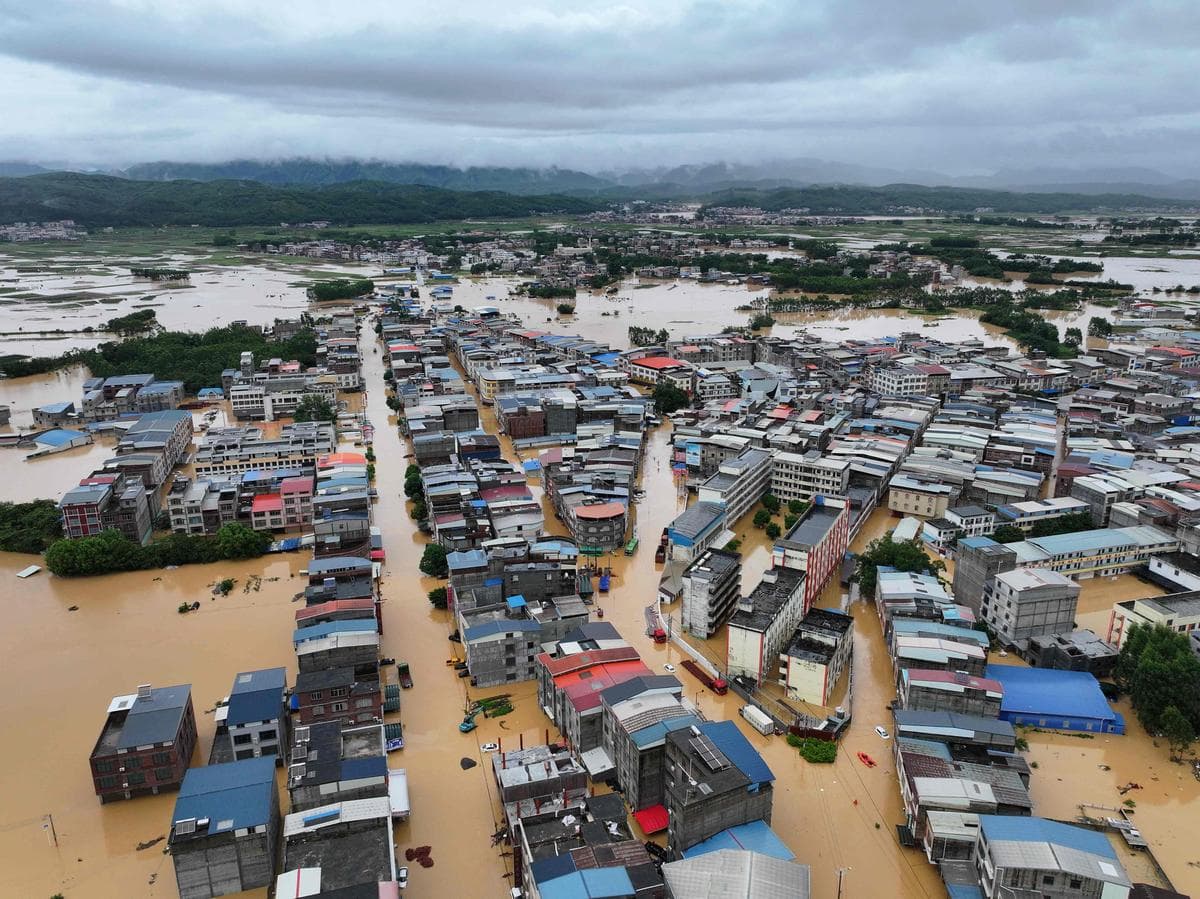
Deadly Flash Floods in Texas
Published on:
Share this post

Article Summary
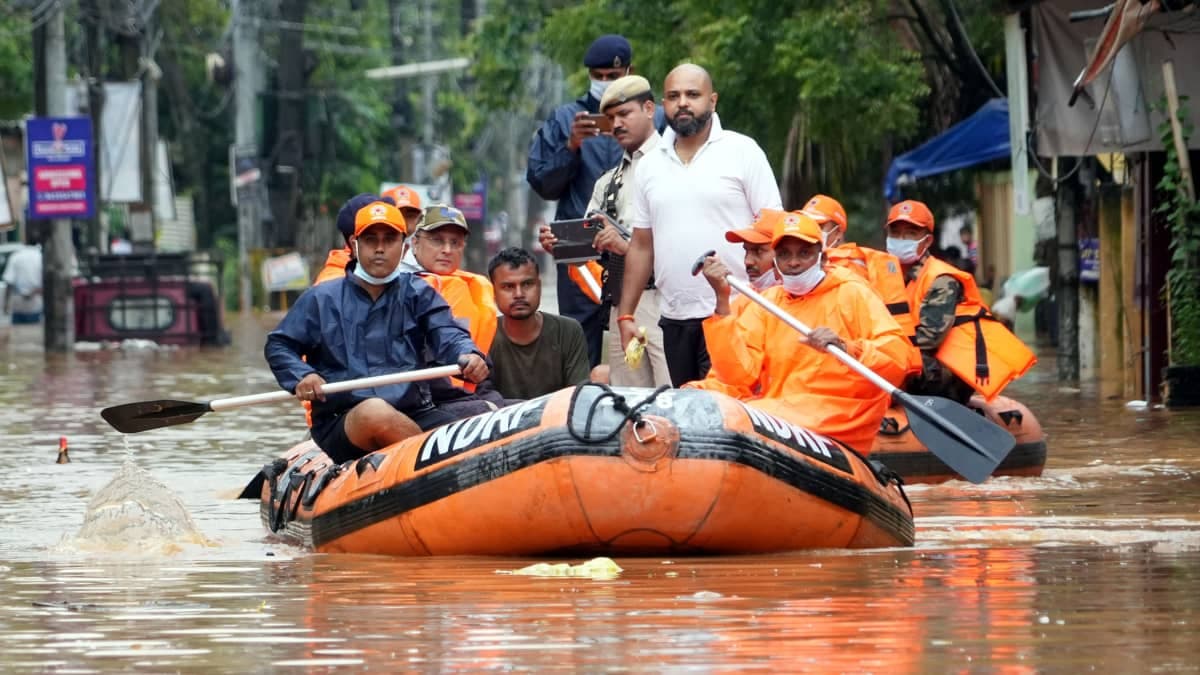
The flash floods that began in Texas Hill Country on July 4, 2023, have resulted in at least 81 fatalities, marking one of the deadliest flood events in a century. As of the latest reports, emergency services and volunteers are searching for a minimum of 41 individuals, including 10 minors, who remain unaccounted for. The deluge was specifically attributed to significant rainfall that caused the Guadalupe River to exceed 20 feet in height rapidly.
Key Points:
- Fatality Toll: At least 81 deceased due to flash floods in Texas Hill Country.
- Missing Persons: Emergency efforts are focused on locating at least 41 individuals still missing.
- Heavy Rainfall: The Guadalupe River rose dramatically, exacerbated by geographical characteristics of the region, leading to flash floods.
Geographic Context:
- Texas Hill Country, located in Central and South Central Texas, is often called "flash flood alley" due to its susceptibility to rapid flooding during severe rainfall.
- The area's semi-arid nature means soil cannot absorb excessive water, which contributes to quick runoff and flooding.
- The presence of the Balcones Escarpment plays a significant role in funneling moisture from the Gulf of Mexico into the area, leading to heavy precipitation events.
Climate Change Connection:
- Scientists have noted a connection between climate change and increasingly extreme weather patterns, including flash floods.
- Rising temperatures enhance the atmosphere's capacity to hold moisture, increasing the intensity and frequency of rainfall—estimated at 7% more moisture for each degree Celsius increase.
- Elevated Gulf water temperatures likely contributed to the recent severe flooding events due to increased evaporation and moisture transport.
Emergency Response and Warnings:
- Survivors in the hardest-hit areas reported a lack of adequate emergency alerts prior to the floods, raising concerns regarding local warning systems.
- Allegations arose that essential alerts were not dispatched on time, with the first Amber Alert-type notification only sent out on the day of the flood.
- The National Weather Service (NWS) did issue warnings, but the timing was criticized for being insufficient for residents to evacuate.
- Scrutiny has also been placed on the potential impact of staff reductions at NWS due to prior administration actions, though NWS officials denied this had affected the forecasting accuracy.
Economic and Social Impact:
- The disastrous nature of these floods and the associated fatalities have prompted discussions about the adequacy of infrastructure and emergency response mechanisms in Texas.
- Experts indicated that the rapid increase in destructive weather events correlates with climate change, urging for enhanced preparedness and response strategies.
In conclusion, the flash floods in Texas Hill Country highlight critical vulnerabilities in disaster response systems amidst escalating climate change impacts, calling for a reevaluation of emergency protocols and infrastructural resilience in flood-prone areas.
Important Sentences:
- Flash floods in Texas Hill Country began on July 4, 2023, claiming at least 81 lives and resulting in 41 missing individuals.
- The Guadalupe River rose over 20 feet due to extreme rainfall, characteristic of Texas's geography.
- The region’s semi-arid terrain leads to rapid runoff, making it prone to flash floods.
- Climate change is implicated in the increased frequency and intensity of such weather events.
- Concerns about the timeliness of emergency alerts reflect on past government actions affecting local weather service staffing.
- Experts advocate for improved disaster preparedness to address the challenges posed by extreme weather related to climate change.
Key Terms & Concepts
| Texas Hill Country | Location of the disaster |
| Guadalupe River | River impacted by flooding |
| Balcones Escarpment | Geographical feature contributing to floods |
| National Weather Service | Weather alert issuer |
| National Oceanic and Atmospheric Administration | Parent agency of NWS |
| Gulf of Mexico | Source of moisture |
| Climate Change | Contributing factor to floods |