iAspirants
Debate on India's Inequality Claims
Published on:
Share this post

Article Summary
The article discusses the current state of inequality and poverty in India, emphasizing the findings of the World Bank's report titled "India Poverty and Equity Brief: April 2025." This report claims significant progress in reducing extreme poverty and consumption inequality in India from 2011-12 to 2022-23.
Key Findings:
- World Bank Report: Claims have almost completely eradicated extreme poverty and reduced consumption inequality. India is rated as one of the least unequal countries in terms of the Gini coefficient, moving into the top four.
- Consumption Inequality: The report indicates a decline in the consumption-based Gini coefficient from 28.8 in 2011-12 to 25.5 in 2022-23 based on data from the 2022-2023 Household Consumption Expenditure Survey (HCES).
- Statistical Methodology: The HCES data uses the Modified Mixed Reference Period (MMRP) method, recognized for aligning with international statistical best practices.
Dietary Changes:
- Over the period studied, significant improvements in food availability have been noted:
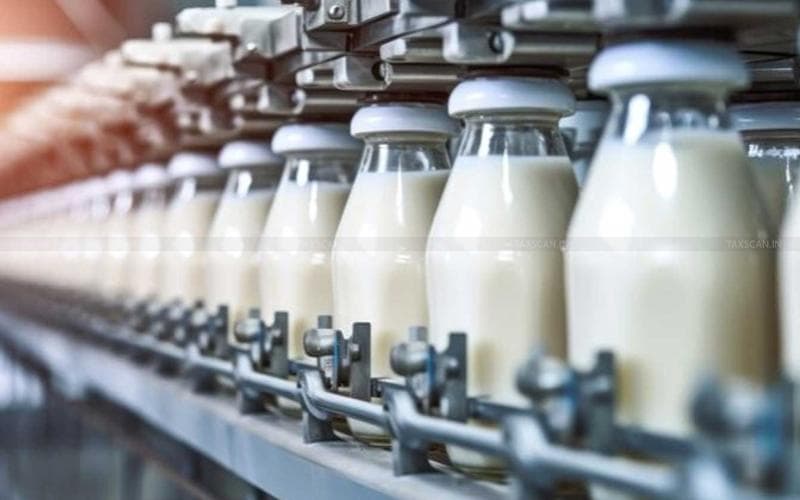
- Milk and egg availability increased by 45% and 63%, respectively.
- The consumption of fruits and vegetables has risen, contributing to healthier diets, especially for the bottom 20% of households.
Poverty Statistics:
- According to various poverty measurement methodologies (Rangarajan, Tendulkar, and multi-dimensional poverty index), around 270 million people have been lifted out of extreme poverty since 2011.
- Nightlight data suggests a rise in ownership of pucca homes and improved rural infrastructure, due in part to government initiatives like Pradhan Mantri Gramin Awas Yojana and Pradhan Mantri Gram Sadak Yojana.
- Vehicle ownership among the poorest households grew significantly, enhancing their economic mobility.
Income Inequality Discussion:
- There remains concern about income inequality, with critiques aimed at data reliability used in World Inequality Lab (WIL) estimates. These primarily leverage income tax data that may overlook consumption patterns of lower-income households.
- Sharp contrasts exist between income and consumption-based inequality, with some arguing that the real income of the bottom 80% might be inaccurately estimated due to the assumption that their consumption exceeds income.
- The pandemic of inequality distribution shows that the share of the bottom 50% of earners has risen from 13.9% in 2017 to 15% in 2022. Conversely, the top 20% saw a marginal decrease in their share.
Fiscal Contributions:
- In the assessment year 2023-24, the top 1% of taxpayers accounted for 72.77% of all taxes paid, highlighting significant shifts in revenue contributions from wealthier individuals.
- The emphasis on post-tax income metrics necessitates careful consideration; post-subsidy income for lower-income groups appears better due to increased welfare transfers accounting for over 8% of GDP.
Conclusion:
- Despite considerable progress made in reducing consumption inequality and poverty, issues in income inequality persist and require significant attention.
- Challenges remain in accessing quality health and education services, and while strides have been made, the journey towards an egalitarian society is still ongoing.
- The author, Ram Singh, concludes that while progress has been made, future efforts must focus on addressing persistent inequalities, with recognition of the improvements achieved thus far.
Important Sentences:
- India is reported to have almost eradicated extreme poverty and significantly reduced consumption inequality according to the World Bank.
- The consumption-based Gini coefficient indicates substantial declines in inequality from 2011-12 to 2022-23.
- Notably increased food availability contributes to improving dietary habits among lower-income groups.
- Nightlight data reflects enhanced living conditions and infrastructure in rural areas.
- Despite positive trends in consumption and poverty mitigation, income distribution challenges persist that warrant continued analysis and policy focus.
Key Terms & Concepts
| World Bank | Source of inequality data |
| Gini coefficient | Measure of inequality |
| Household Consumption Expenditure Survey | Data source for report |
| Pradhan Mantri Gramin Awas Yojana | Housing scheme for rural areas |
| Pradhan Mantri Gram Sadak Yojana | Road development scheme |
| Ayushman Bharat | Health insurance scheme |
| International Poverty Line | Poverty measurement standard |