iAspirants
Delhi Government's Anti-Pollution Measures
Published on:
Source: Indian Express
Share this post
Article Summary
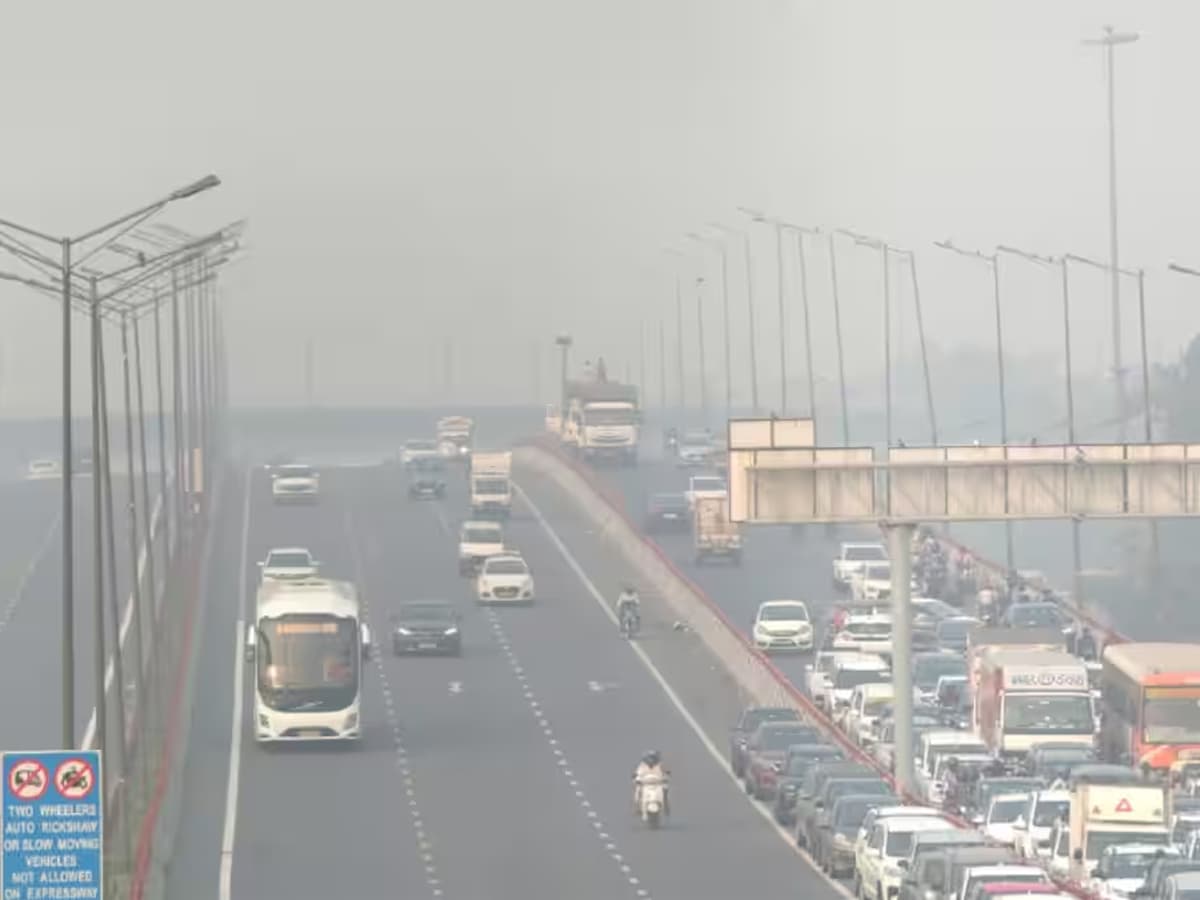
Air Pollution Control Measures in Delhi (2026)
Government Initiatives:
- The Delhi government, led by Environment Minister Manjinder Singh Sirsa, plans to combat winter air pollution with several measures.
Ban on Construction Activities:
- A complete ban on construction and demolition activities will be enforced from December 10, 2026, to January 20, 2027.
Fuel Supply Regulation:
- All petrol, diesel, CNG, or LPG outlets must supply fuel only to vehicles with a valid Pollution Under Control Certificate (PUCC) throughout the year.
Policy Enforcement:
- Introduction of the "No PUCC, No Fuel" policy.
- A strict enforcement drive against end-of-life vehicles at all 500 petrol pumps in Delhi, which are equipped with Automatic Number Plate Recognition (ANPR) cameras.
Public Awareness Campaign:
- A campaign concerning the new measures will be launched in October, and upgrades for PUC centres will be conducted in November.
Vehicle Fitness Checks:
- A target to conduct fitness checks for 2.5 lakh vehicles through three Automated Testing Stations.
Pollution Control Certificate (PUCC):
- PUCC confirms that a vehicle's emissions are within legal limits, as mandated by Section 190(2) of the Motor Vehicles Act and governed by the Central Motor Vehicles Rules (CMVR), 1989.
- Over 730 authorized PUC centres exist in Delhi, with specific divisions for petrol/CNG/LPG and diesel vehicles.
Validity and Costs:
- PUCC must be renewed yearly for vehicles compliant with BS-IV or BS-VI emission norms; the cost ranges from Rs 50 to Rs 150, with non-compliance fines up to Rs 10,000 and potential imprisonment for serious violations.
Current Emission Standards:
- India adheres to BS-VI standards, implemented nationwide in 2020, regulating emissions of nitrogen oxides and particulate matter.
Exemptions:
- Electric vehicles (EVs) are exempt from PUCC requirements, as they do not produce pollutant emissions.
Implementation Timeline:
- Enforcement of the PUCC policy begins on October 1, 2026, with continued regulatory oversight to ensure compliance.
This summary outlines the Delhi government's proactive strategies to address air pollution, emphasizing regulatory frameworks, legislative requirements, and public health implications associated with vehicle emissions.
Key Terms & Concepts
| Delhi Government | Implementing anti-pollution measures |
| No PUCC, No Fuel policy | Fuel supply restriction |
| September 28, 2026 | Date of announcement |
| Pollution Under Control Certificate (PUCC) | Vehicle emission compliance proof |
| Motor Vehicles Act, Section 190(2) | Legal requirement for PUCC |
| Central Motor Vehicles Rules (CMVR), 1989 | Regulatory framework for vehicles |
| Bharat Stage (BS-IV, BS-VI) | Vehicle emission standards |
| Rs 10,000 fine | Penalty for non-compliance |
| Rs 50 to Rs 150 | Cost of a PUC certificate |
| 730 authorized PUC centres | Locations for emission testing |
| Automated Testing Stations | Vehicle fitness checks |
| End-of-life vehicles | Target for enforcement drive |