iAspirants
Delhi Government's Anti-Pollution Plan Launch
Published on:
Source: Indian Express
Share this post
Article Summary
Delhi Government Anti-Pollution Plan
Overview
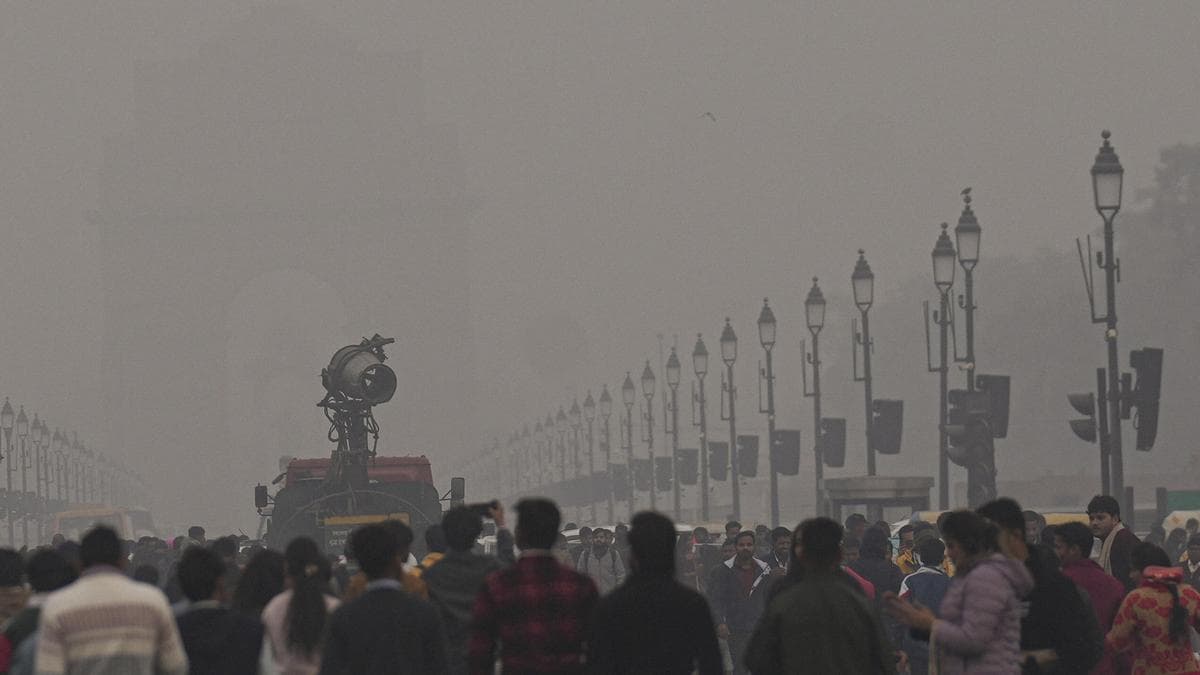
- The Delhi government has implemented a proactive anti-pollution plan effective November 1, which aims to mitigate pollution ahead of the winter season, particularly addressing the persistent smog in the region.
Key Features of the Plan
Measures Included:
- Restrictions on construction activities.
- Tighter checks on vehicles and industries.
- Increased parking charges.
- Staggered office timings.
- Encouragement of work-from-home policies.
These measures have been part of Delhi’s pollution control strategies for the last five years but have only had a partial impact.
Coordination and Challenges
- The plan aims for better coordination among agencies responsible for waste management, air-quality monitoring, transport, and law enforcement.
- Experts highlight that local and National Capital Region (NCR) boundaries are insufficient to address the winter pollution crisis.
- Pollution due to agricultural activities, particularly stubble burning in nearby states (Punjab, Haryana, Uttar Pradesh, and Rajasthan), poses a significant challenge.
- There are concerns about the impact of the reported Super El Niño weather phenomenon, which may limit rainfall and exacerbate pollution.
Historical Context and Future Actions
- Peak stubble burning is expected to coincide with Diwali, increasing pollution levels as fall temperatures and wind speeds reduce pollutant dispersion.
- The Delhi government recognizes the need for ongoing pollution control efforts rather than seasonal strategies. A newly introduced Electric Vehicle (EV) policy signifies this long-term commitment.
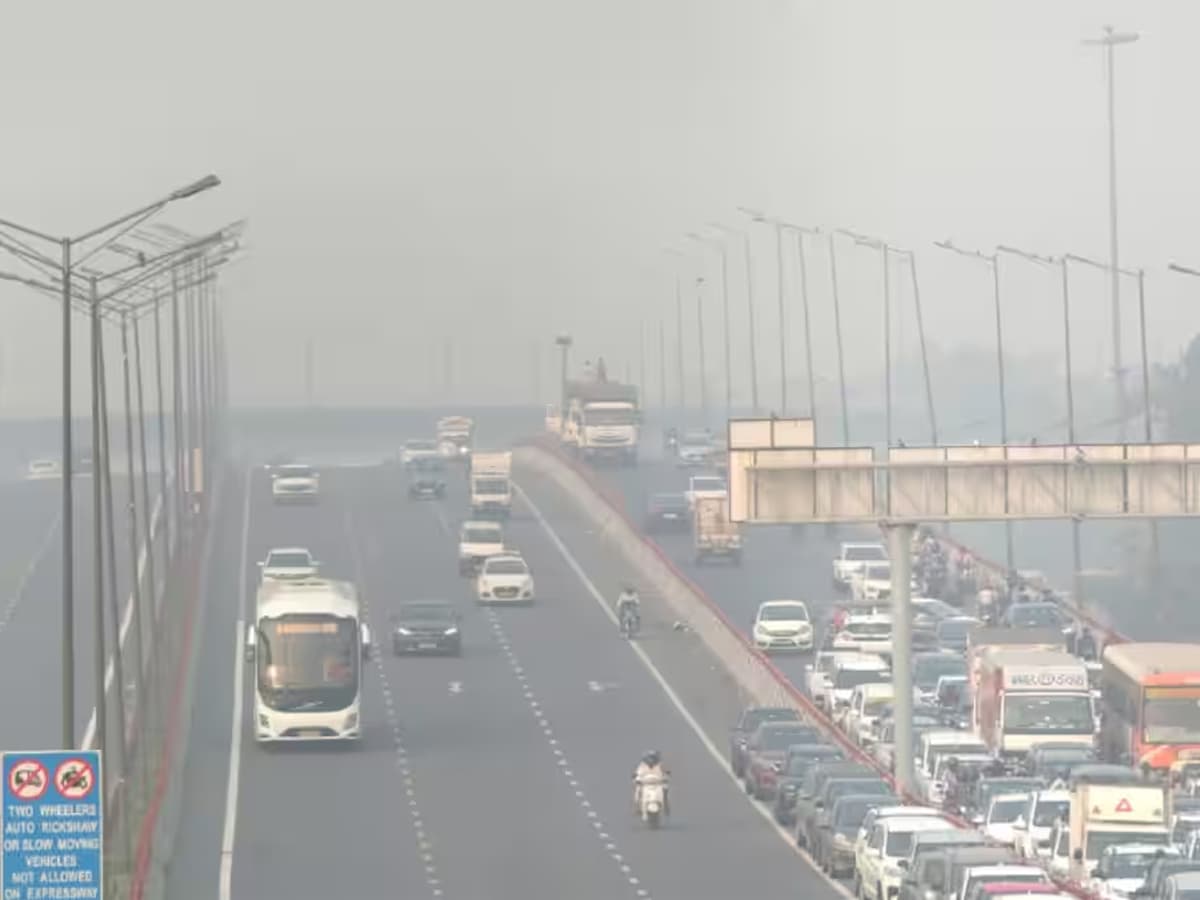
- Future plans emphasize the importance of combating traffic congestion and improving public transport reliability.
Recommendations for Effective Implementation
- The success of the winter plan requires the establishment of a governance framework focused on rewarding pollution reduction, rather than relying solely on bans and restrictions.
- Encouraging voluntary compliance through efforts framed around public well-being is suggested over coercive measures.
Public Sentiment
- There has been a growing public demand for clean air, which indicates political and administrative support needs to extend beyond the implementation of the winter plan.
Conclusion
- The Delhi government’s comprehensive strategy acknowledges both immediate and long-term pollution control needs, emphasizing sustained coordinated action among multiple stakeholders to combat air quality deterioration effectively.
Key Terms & Concepts
| Delhi Government | Framed anti-pollution plan |
| November 1 | Effective date for restrictions |
| Construction curbs | Restrict construction activities |
| Staggered office timings | Implemented work schedule changes |
| Stubble-burning season | Pollution source from agriculture |
| Super El Niño | Weather phenomenon complicating pollution |
| Punjab, Haryana, Uttar Pradesh, Rajasthan | Regions affected by stubble burning |
| EV policy | Promotes electric vehicles |
| Public transport improvement | Reducing traffic congestion |