iAspirants
Delimitation Package Political Controversies
Published on:
Source: Indian Express
Share this post

Article Summary
Summary of Delimitation Package and Legislative Developments
Key Constitutional References
- Constitutional Articles: Proposed amendments under the Constitution (131st Amendment) Bill to amend Articles 81, 82, and 170. This seeks to empower Parliament to determine when delimitation will take place and which Census will be the basis.
- Delimitation Act, 2002: Most provisions replicate previous legislation; however, concerns have been raised regarding its current context.
Legislative Proposals
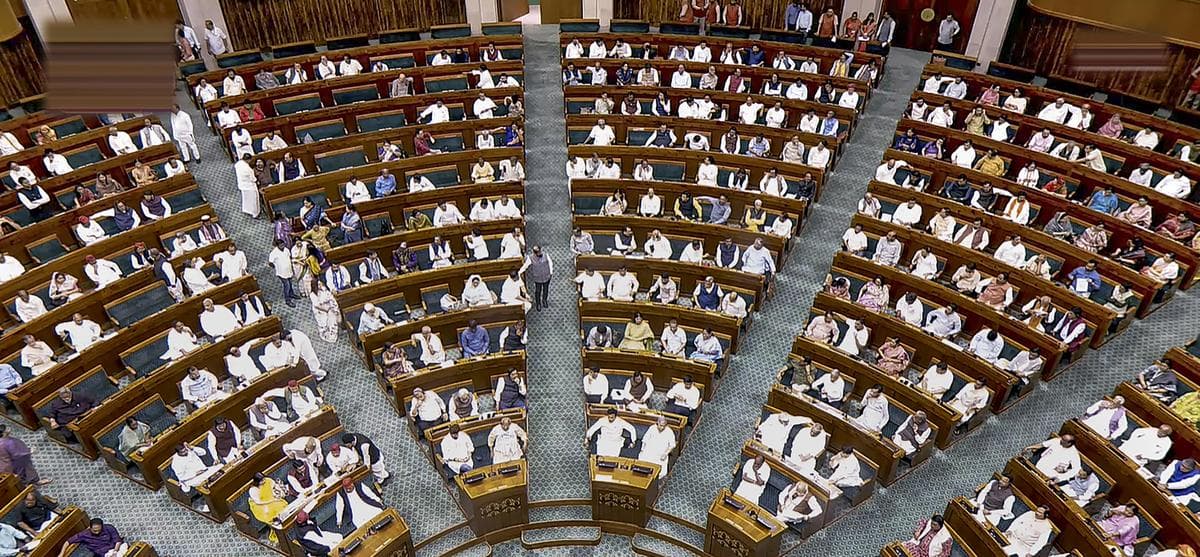
- The proposed delimitation legislation aims for a 50% increase in Lok Sabha seats across states with a freeze on their relative representation until 2051.
- The Delimitation Commission’s composition includes:
- A serving or former Supreme Court judge
- The Chief Election Commissioner or an appointed Election Commissioner
- The state Election Commissioner
- Associate members from the state’s MPs and MLAs (without voting rights)
Opposition Concerns
- Concerns revolve around:
- Gerrymandering: Allegations of redrawing constituencies for political advantage, notably by the ruling party.
- Independence of the Delimitation Commission and the necessity for inclusion of opposition perspectives.
- The impact on representation of Muslims and the implications of using the 2011 Census, potentially ignoring demographic changes.
- The validity of the caste census’s results while restructuring political representation.
Government Stance and Legislative Rationale
- Proponents argue that redistributing political power and updating representation is necessary, especially in the lead-up to upcoming elections.
- Questions have been posed regarding the rationale for expanding Lok Sabha seats without corresponding increases in the Rajya Sabha, potentially leading to an imbalance of power during joint sittings and electoral colleges for key positions (President and Vice-President).
Judicial Precedents and Implications
- Historical precedents show that deferring the constitutionally mandated delimitation has required constitutional amendments (e.g., 1976 and 2001).
- Changing these requirements would allow future governments to invoke or delay delimitation processes via standard legislation rather than constitutional amendments.
Conclusion
The ongoing debate around delimitation raises significant constitutional, electoral, and social implications. The proposed changes have sparked discussions about representation, equity, and the potential motivations behind the legislative push, especially concerning future electoral landscapes and the integration of demographic data through caste censuses. The final outcomes will likely impact political dynamics, particularly in light of the approaching state elections and the discourse on women's reservation.
Key Terms & Concepts
| Delimitation Bill | Proposed law for redistricting |
| Constitution (131st Amendment) Bill | Amends Articles 81, 82, 170 |
| Census 2011 | Basis for current delimitation |
| Lok Sabha | Lower house of Parliament |
| Rajya Sabha | Upper house of Parliament |
| OBC Women's Reservation | Proposed sub-quota for representation |
| Delimitation Commission | Body responsible for redrawing constituencies |
| Election Commission | Oversees electoral processes |
| Supreme Court | Judicial body overseeing laws |
| 2022 and 2023 Delimitation in J&K and Assam | Examples of recent delimitations |
| November 30 | Date for upcoming parliamentary debate |