iAspirants
Dissent in India's Constitution Assembly
Published on:
Source: Indian Express
Share this post

Article Summary
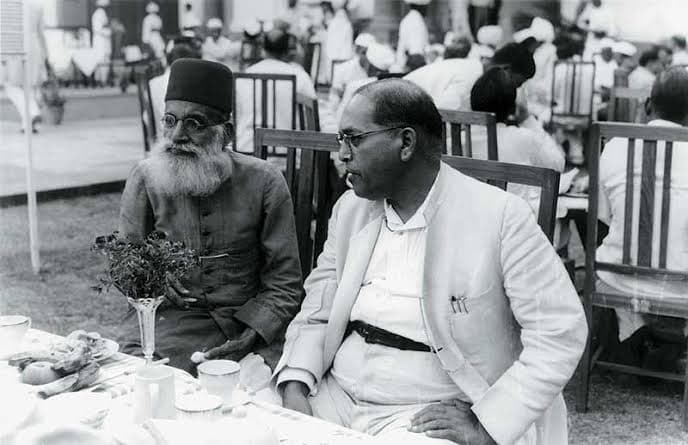
Hasrat Mohani and the Indian Constitution
Constitutional Context:
- Date of Constitution signing: November 26, 1949.
- Notable dissent: Maulana Hasrat Mohani was one of three members who refused to sign the Constitution, voicing ideological disagreements on issues related to the Indian Union and provincial autonomy.
- Critique: Mohani considered the final draft a “wretched thing,” fraught with issues pertaining to the distribution of power between the Centre and states.
Political Engagements:
- Mohani participated actively in the Constitution-making process for over three years, engaging regularly in debates despite facing heckling and opposition.
- Key proposals:
- Advocated for complete independence for India at the 1921 Congress session.
- Founded the Azad Party in 1931, committed to drafting a federal constitution.
- In 1942, proposed a federal system organized into five autonomous provinces, allowing princely states to join the federation voluntarily.
Key Ideological Themes:
- Mohani’s politics merged Indian nationalism and pan-Islamism, viewing them as interdependent.
- Opposed the British Montagu-Chelmsford reforms and the Nehru Report (1928), reflecting a commitment to radical reform.
- Suggested universal civil rights, opposing the portrayal of Muslims as a minority, fearing it would entrench inequality.
Constituent Assembly Involvement:
- Elected as a Muslim representative in the Constituent Assembly but abstained from participation until July 1947.
- Expressed dissatisfaction over the Congress's dominance in the Assembly and the lack of adequate federal structures.
Dissent and Proposals:
- On November 4, 1948, proposed the postponement of the Constitution discussion until a new Assembly could be elected with a joint electorate.
- Alongside others, advocated for a new Assembly based on universal franchise.
- All dissenting proposals were defeated.
Judicial and Legislative Impact:
- While Mohani’s proposals did not result in changes to the Constitution, they highlighted significant debates about representation and federalism in India.
Legacy:
- Mohani’s individualistic and uncompromising stands underscore the complexities of Indian political thought during the Constitution's formation.
- His refusal to sign the Constitution emphasizes the deep ideological divides that existed regarding the governance and future structure of India.
Important Dates and Milestones:
- 1921: Proposed complete independence.
- 1931: Founded the Azad Party.
- 1942: Published his proposal for a federal constitution.
- November 4, 1948: Called for the postponement of the draft discussion until a fresh Assembly election.
- January 26, 1950: Refused to sign the Constitution.
Conclusion: Maulana Hasrat Mohani's contributions and dissent during the Constitution assembly process reflect the diverse and often contentious landscape of India's struggle for self-governance and the evolving discourse on federalism and rights within the newly formed nation. His insistence on ideological purity and civil rights continues to offer critical insights into contemporary discussions about governance and community in India.
Key Terms & Concepts
| Constituent Assembly of India | Drafted the Indian Constitution |
| November 26, 1949 | Date of final Constitution vote |
| Article 51A | Fundamental duties for citizens |
| Azad Party | Political party founded by Mohani |
| Federal Constitution Proposal | Proposal for a federal structure |
| Khilafat Conference 1917 | Event advocating independence |
| Montagu-Chelmsford Reforms 1919 | Constitutional reforms by British |
| Nehru Report 1928 | Framework for future self-government |
| Constitutional Assembly Provisional Report | Introduced without clarified Union form |
| January 26, 1950 | Date of Constitution adoption |
| Universal Civil Rights | Framework advocated by Mohani |
| Five Federations Model | Mohani's vision of government structure |