iAspirants
Current AffairsPrelims PYQsUPSC CSE SyllabusUPSC CSE StrategyBlogsPricing
Login
iAspirants

Your AI-powered companion for UPSC preparation.

Quick Links

  • Home
  • About Us
  • Current Affairs
  • Prelims PYQs
  • UPSC CSE Syllabus
  • UPSC CSE Strategy
  • Blogs

Company

  • Pricing
  • FAQs
  • Contact Us
  • Login

Legal

  • Privacy Policy
  • Terms & Conditions
  • Return Policy

© 2025 iAspirants, Inc. All rights reserved.

  1. Blogs
  2. Environment and Ecology

Earthquake Strikes Indonesia with Tsunami Warning

Published on: 16-Aug-2026

Source: The Hindu

Share this post

Earthquake Strikes Indonesia with Tsunami Warning

Article Summary

Earthquake in Indonesia - Summary of Key Facts:

  1. Event Details:

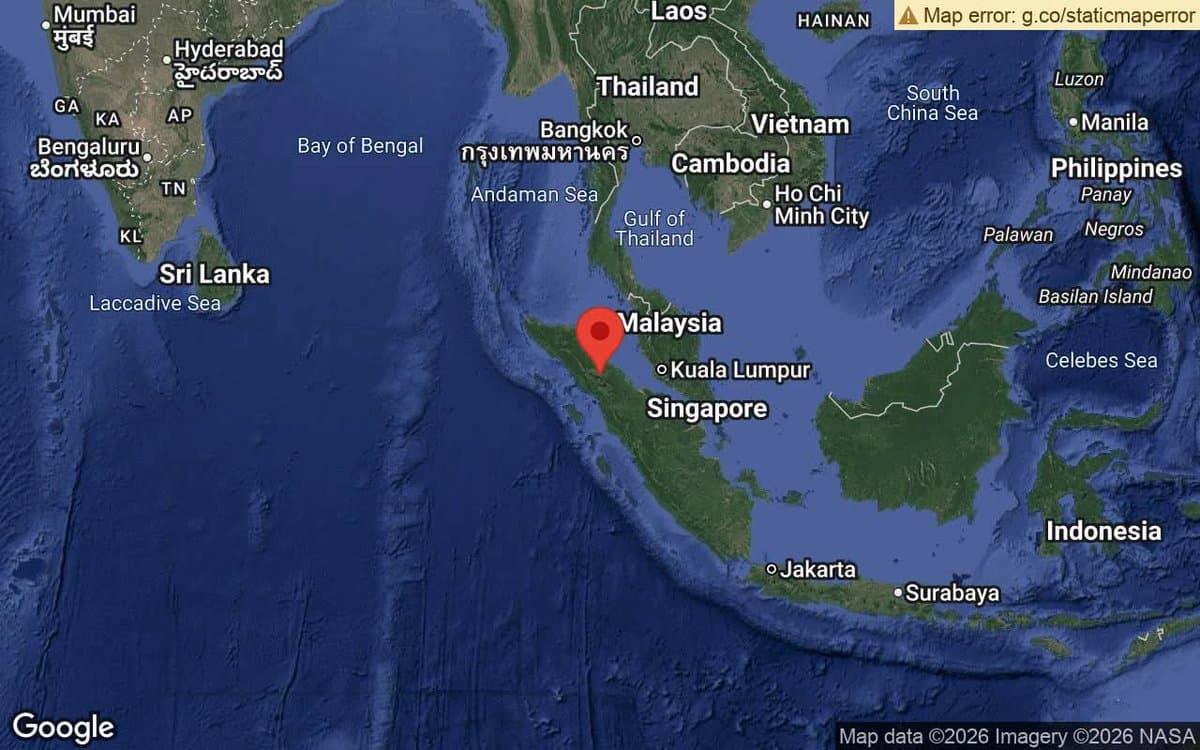
    • A magnitude 6.0 earthquake struck the Gulf of Tomini, Indonesia.
    • Date and Time: Occurred on August 15, 2026, at 21:55 IST.
    • Depth: 68 kilometers (42.25 miles).
    • Coordinates: Latitude 0.174 N, Longitude 120.312 E.
  2. Recent Activity:

    • This quake follows a magnitude 7.7 earthquake earlier the same day, which resulted in over 40 fatalities.
    • In addition, a magnitude 6.5 quake occurred on the same day.
  3. Tsunami Warning:

    • Authorities initially issued a tsunami warning prompting coastal residents to evacuate to higher ground.
    • The warning was later lifted as no significant sea-level changes were detected by Indonesia's meteorological agency, although smaller tsunamis were reported.
  4. Monitoring and Response:

    • The German Research Centre for Geosciences (GFZ) provided data on the earthquake.
    • The National Center for Seismology (NCS) of India confirmed the details and advised the use of the BhooKamp app for more information.
  5. Significance:

    • Indonesia is situated on the Pacific Ring of Fire, making it susceptible to earthquakes and tsunamis.
    • The country regularly faces seismic activities, and preparedness measures are critical for minimizing impact.
  6. Emergency Preparedness:

    • The event underscores the importance of disaster preparedness and response systems in earthquake-prone areas.
    • The evacuation protocols reflect ongoing efforts to protect coastal populations during seismic events.

These points emphasize the urgent need for continuous monitoring and efficient disaster response strategies in regions vulnerable to natural disasters such as earthquakes and tsunamis.

Key Terms & Concepts

Minahassa PeninsulaLocation of earthquake
Gulf of TominiLocation of earthquake
6.0Magnitude of earthquake
77 kmDepth of earthquake
68 kmDepth of earthquake
August 15, 2026Date of earthquake occurrence
40Death toll from earlier quake
7.7Magnitude of earlier earthquake
Tsunami warningAlert issued to residents
BhooKamp AppApp for earthquake information

Mind Map for UPSC Civil Services Revision

Turn UPSC Civil Services Current Affairs Into Exam-Ready Notes

Reading Environment and Ecology current affairs is half the work. Revise them with ready-made notes and test what actually stuck.

  • Daily UPSC Civil Services current affairs analysis
  • Revision notes, mind maps & MCQs
  • Prelims mock tests with instant results

Related UPSC Civil Services Current Affairs Articles

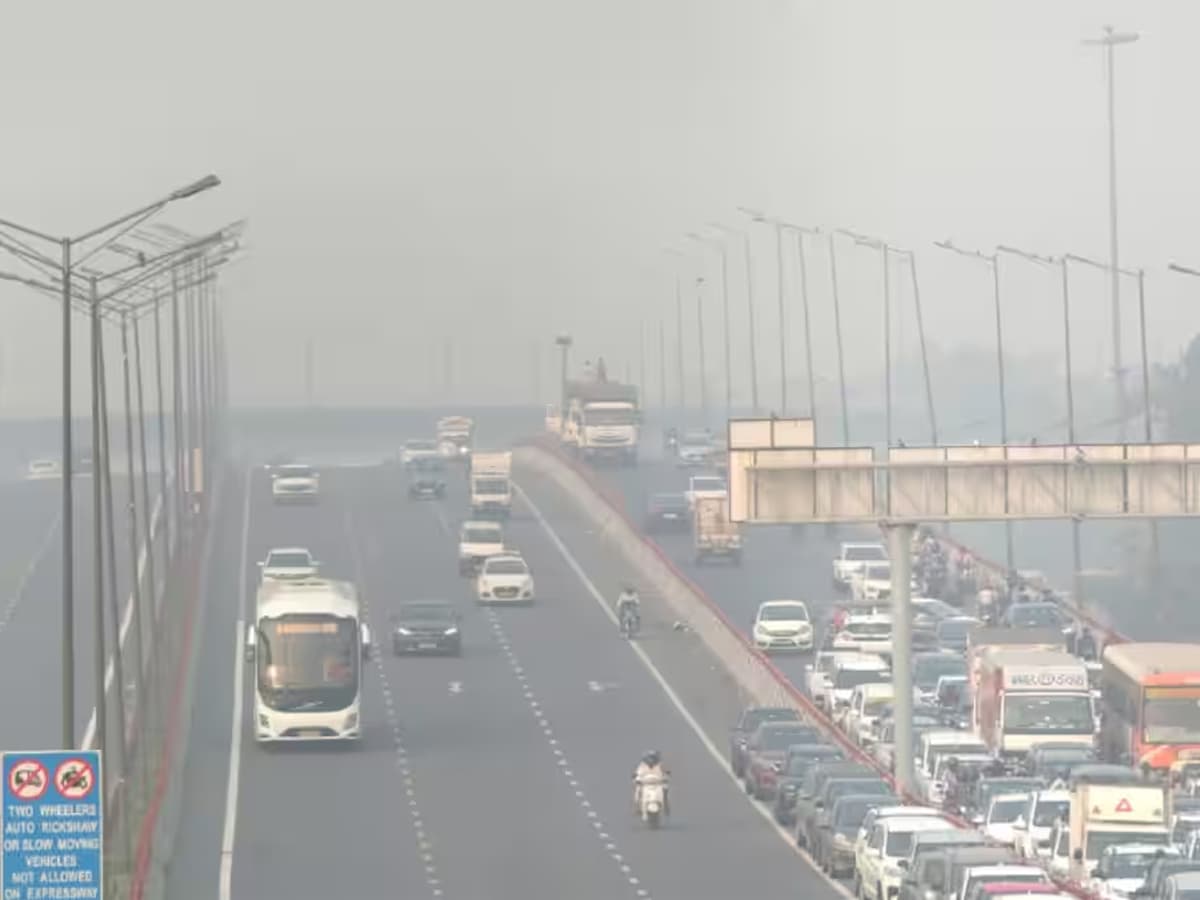
Delhi Government's Anti-Pollution Plan Launch
Environment and Ecology30-Sep-2026

Delhi Government's Anti-Pollution Plan Launch

Delhi Government Anti-Pollution Plan

Overview

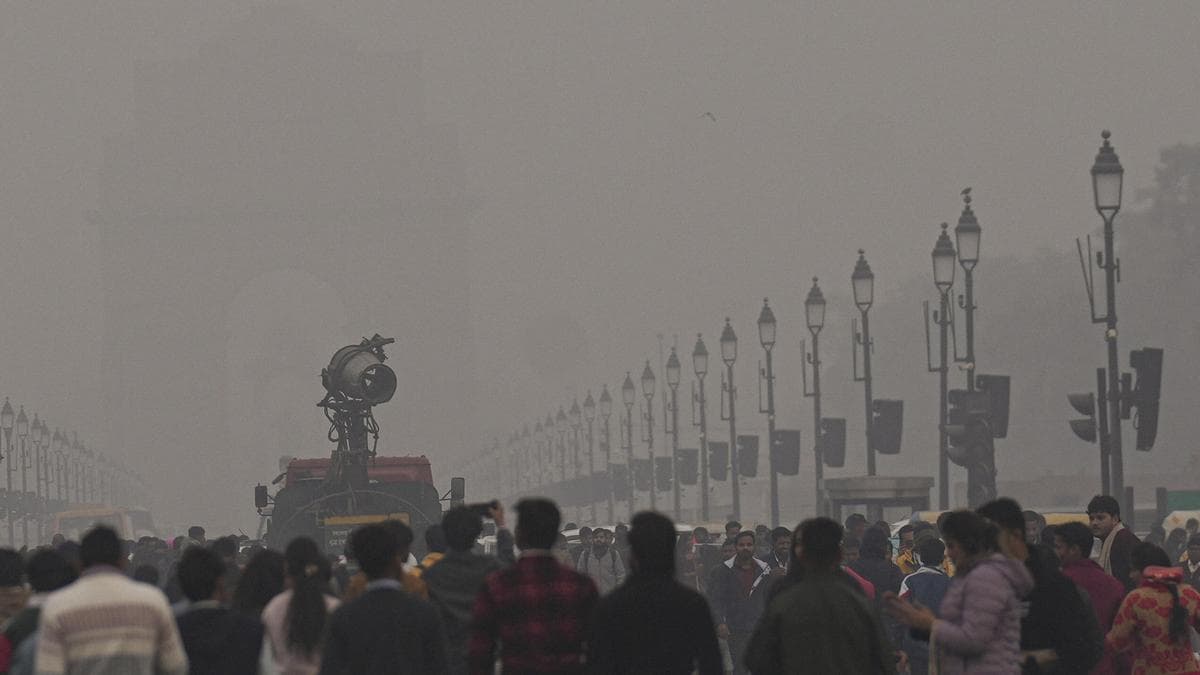
  • The Delhi government has implemented a proactive anti-pollution plan effective November 1, which aims to mitigate pollution ahead of the winter season, particularly addressing the persistent smog in the region.

Key Features of the Plan

  • Measures Included:

    • Restrictions on construction activities.
    • Tighter checks on vehicles and industries.
    • Increased parking charges.
    • Staggered office timings.
    • Encouragement of work-from-home policies.
  • These measures have been part of Delhi’s pollution control strategies for the last five years but have only had a partial impact.

Coordination and Challenges

  • The plan aims for better coordination among agencies responsible for waste management, air-quality monitoring, transport, and law enforcement.
  • Experts highlight that local and National Capital Region (NCR) boundaries are insufficient to address the winter pollution crisis.
  • Pollution due to agricultural activities, particularly stubble burning in nearby states (Punjab, Haryana, Uttar Pradesh, and Rajasthan), poses a significant challenge.
  • There are concerns about the impact of the reported Super El Niño weather phenomenon, which may limit rainfall and exacerbate pollution.

Historical Context and Future Actions

  • Peak stubble burning is expected to coincide with Diwali, increasing pollution levels as fall temperatures and wind speeds reduce pollutant dispersion.
  • The Delhi government recognizes the need for ongoing pollution control efforts rather than seasonal strategies. A newly introduced Electric Vehicle (EV) policy signifies this long-term commitment.
  • Future plans emphasize the importance of combating traffic congestion and improving public transport reliability.

Recommendations for Effective Implementation

  • The success of the winter plan requires the establishment of a governance framework focused on rewarding pollution reduction, rather than relying solely on bans and restrictions.
  • Encouraging voluntary compliance through efforts framed around public well-being is suggested over coercive measures.

Public Sentiment

  • There has been a growing public demand for clean air, which indicates political and administrative support needs to extend beyond the implementation of the winter plan.

Conclusion

  • The Delhi government’s comprehensive strategy acknowledges both immediate and long-term pollution control needs, emphasizing sustained coordinated action among multiple stakeholders to combat air quality deterioration effectively.
NGT Actions on Sambhar Lake Issues
Environment and Ecology30-Sep-2026

NGT Actions on Sambhar Lake Issues

Summary of National Green Tribunal (NGT) Ruling on Sambhar Lake

  1. Constitutional and Legal Framework:

    • The National Green Tribunal (NGT) was established under the NGT Act, 2010, to handle environmental protection and conservation issues in India. The NGT operates with powers to enforce environmental protection under Article 21 (Right to Life) of the Constitution, which encompasses the right to a healthy environment.
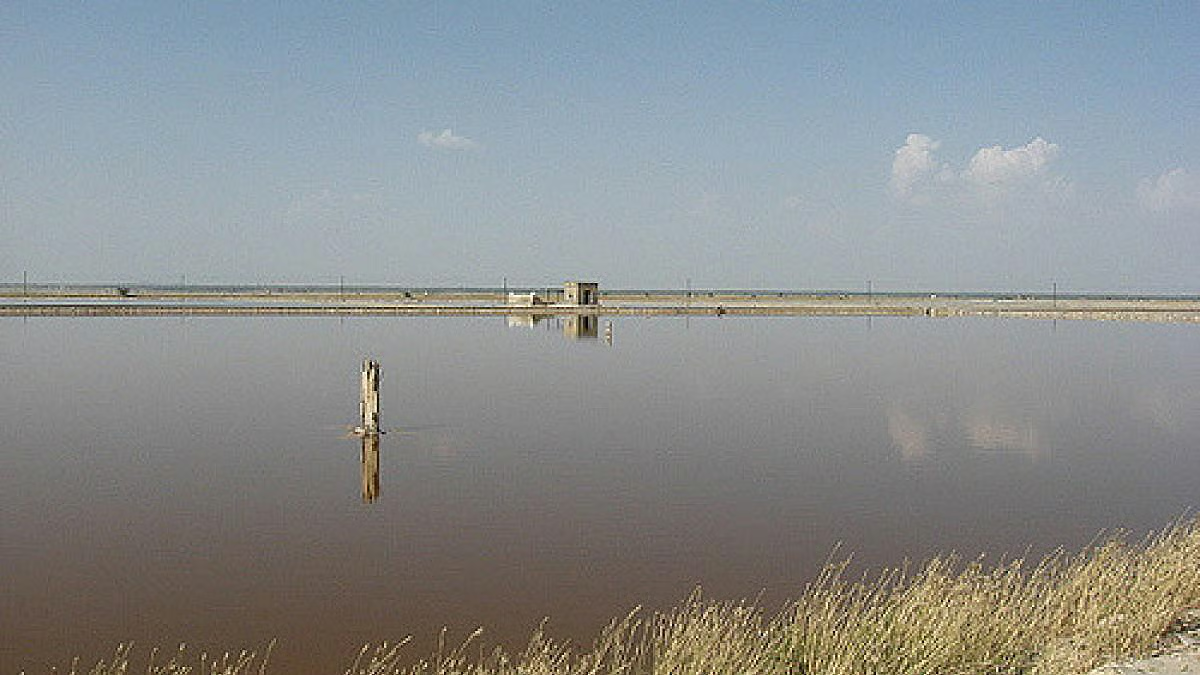
    • The recent case revolves around allegations of environmental degradation at Sambhar Lake, designated as a Ramsar Wetland, which highlights India's commitment to international treaties like the Ramsar Convention focusing on the conservation of wetlands.
  2. Issues Addressed:

    • Allegations of encroachment and the construction of unauthorized salt pans within lake boundaries.
    • Groundwater extraction through numerous borewells using heavy machinery, impacting the hydrology and ecology of the wetland.
    • The introduction of illegal structures obstructing natural feeder streams leading to reduced inflows of rainwater.
    • Observations regarding depletion of groundwater, increased hypersalinity, and deterioration of water quality affecting the ecological balance necessary for migratory birds, particularly flamingos.
  3. Judicial Proceedings:

    • NGT's Central Zone Bench in Bhopal ordered the formation of a joint committee for site inspection, comprising representatives from:
      • Jaipur District Collector
      • State Wetland Authority, Rajasthan
      • Central Pollution Control Board (CPCB)
      • Rajasthan State Pollution Control Board (RSPCB)
    • The joint committee is tasked with submitting a report within six weeks, with RSPCB designated as the nodal agency for monitoring the situation.
  4. Ecological Importance:

    • Sambhar Lake is recognized as India’s largest inland saline wetland, crucial for the habitat of diverse migratory bird species.
    • The ecological health of the lake is linked to the maintenance of a delicate balance of river inflows, groundwater levels, evaporation rate, and salinity.
  5. Next Steps:

    • The NGT has scheduled the next hearing for December 9, where it expects responses from the Union of India and others named in the application.
    • The tribunal emphasizes the urgency of addressing the allegations to safeguard the ecological integrity of Sambhar Lake.
  6. Environmental Significance:

    • The case draws attention to critical environmental issues such as wetlands' degradation, the impact of human activities on biodiversity, and the need for stricter enforcement of environmental laws to protect natural habitats.

These points illuminate substantial issues related to environmental law, judicial interventions, and the importance of maintaining ecological balance as mandated by Indian law and international conventions.

New Air Pollution Control Measures Announced
Environment and Ecology30-Sep-2026

New Air Pollution Control Measures Announced

  • Commission for Air Quality Management (CAQM): Governing body for implementing air quality initiatives in NCR and nearby regions.

  • Graded Response Action Plan (GRAP):

    • A framework for short-term emergency measures to combat air pollution, divided into four stages based on pollution levels.
    • Tighter restrictions introduced for winter months to address rising pollution levels, particularly during October and November due to meteorological conditions and seasonal activities like stubble burning and firecracker use.
  • Revised Restrictions:

    • Stage 3 Restrictions: Ban on the operation of BS-III petrol and BS-IV diesel vehicles in densely populated vehicular regions, including the addition of Sonipat to the existing list of districts (Gurugram, Faridabad, Ghaziabad, Gautam Buddha Nagar).
    • Exemptions: Differently abled individuals are allowed to use adapted BS-III and BS-IV vehicles for personal use.
    • Disallowances:
      • Withdrawal of exemptions for non-BS-VI compliant trucks carrying essential goods entering Delhi under extreme pollution conditions.
      • Banned medium and light diesel-operated goods vehicles from entering Delhi during Stage 3, including those that are registered outside of Delhi.
  • Stage 4 Exceptions:

    • Electric vehicles (EVs), BS-VI compliant vehicles, and those operating on CNG or LNG are permitted.
  • Constitutional Context: The actions align with the duties of the State under Article 47 of the Constitution of India, which mandates the State to improve public health and ensure a higher standard of living for its citizens.

  • Environmental Concerns:

    • Pollution spikes in the Indo-Gangetic plains attributed to multiple factors, including vehicular emissions and seasonal practices leading to health hazards and environmental degradation.
  • Urban Area Considerations:

    • The revised measures emphasize the need for stringent action against air pollution in urban centers, impacting public health and safety.
  • Judicial Framework: Potential involvement of public interest litigations regarding air quality management could arise, given the public health implications.

  • Future Implications:

    • Continuous monitoring and adjustment of GRAP based on air quality data and public health indicators will likely dictate further revisions and strict enforcement of pollution norms in the region.

These actions represent a critical effort to address the ongoing challenges posed by air pollution and its health impacts on citizens in the National Capital Region (NCR).

Delhi Government's Anti-Pollution Measures
Environment and Ecology29-Sep-2026

Delhi Government's Anti-Pollution Measures

Air Pollution Control Measures in Delhi (2026)

  1. Government Initiatives:

    • The Delhi government, led by Environment Minister Manjinder Singh Sirsa, plans to combat winter air pollution with several measures.
  2. Ban on Construction Activities:

    • A complete ban on construction and demolition activities will be enforced from December 10, 2026, to January 20, 2027.
  3. Fuel Supply Regulation:

    • All petrol, diesel, CNG, or LPG outlets must supply fuel only to vehicles with a valid Pollution Under Control Certificate (PUCC) throughout the year.
  4. Policy Enforcement:

    • Introduction of the "No PUCC, No Fuel" policy.
    • A strict enforcement drive against end-of-life vehicles at all 500 petrol pumps in Delhi, which are equipped with Automatic Number Plate Recognition (ANPR) cameras.
  5. Public Awareness Campaign:

    • A campaign concerning the new measures will be launched in October, and upgrades for PUC centres will be conducted in November.
  6. Vehicle Fitness Checks:

    • A target to conduct fitness checks for 2.5 lakh vehicles through three Automated Testing Stations.
  7. Pollution Control Certificate (PUCC):

    • PUCC confirms that a vehicle's emissions are within legal limits, as mandated by Section 190(2) of the Motor Vehicles Act and governed by the Central Motor Vehicles Rules (CMVR), 1989.
    • Over 730 authorized PUC centres exist in Delhi, with specific divisions for petrol/CNG/LPG and diesel vehicles.
  8. Validity and Costs:

    • PUCC must be renewed yearly for vehicles compliant with BS-IV or BS-VI emission norms; the cost ranges from Rs 50 to Rs 150, with non-compliance fines up to Rs 10,000 and potential imprisonment for serious violations.
  9. Current Emission Standards:

    • India adheres to BS-VI standards, implemented nationwide in 2020, regulating emissions of nitrogen oxides and particulate matter.
  10. Exemptions:

    • Electric vehicles (EVs) are exempt from PUCC requirements, as they do not produce pollutant emissions.
  11. Implementation Timeline:

    • Enforcement of the PUCC policy begins on October 1, 2026, with continued regulatory oversight to ensure compliance.

This summary outlines the Delhi government's proactive strategies to address air pollution, emphasizing regulatory frameworks, legislative requirements, and public health implications associated with vehicle emissions.

Intense Monsoons Impact Odisha Significantly
Environment and Ecology29-Sep-2026

Intense Monsoons Impact Odisha Significantly

Odisha Monsoon Summary

Rainfall Statistics:

  • Odisha recorded 1,453 mm of rainfall from June to September 25, 29% excess compared to the long-term average.
  • An estimated 5.2 lakh people affected by July 30 and 13.5 lakh by August 27 due to heavy rainfall.
  • More than 60 locations received over 100 mm of rain in 24 hours.

Meteorological Observations:

  • 11 atmospheric systems noted over the Bay of Bengal; latest system made landfall on September 23.
  • Weather patterns include prediction of 90% of long-period average rainfall due to an expected El Niño.

Geographical Impact:

  • Odisha's terrain features highlands prone to slope failure and deltas with low gradients causing drainage issues.
  • Rivers such as Baitarani, Budhabalanga, Jalaka, and Rushikulya are at peak levels posing flood risks.
India's Clean Energy Transformation Journey
Environment and Ecology28-Sep-2026

India's Clean Energy Transformation Journey

Summary of India's Energy Transformation

Key Achievements and Data

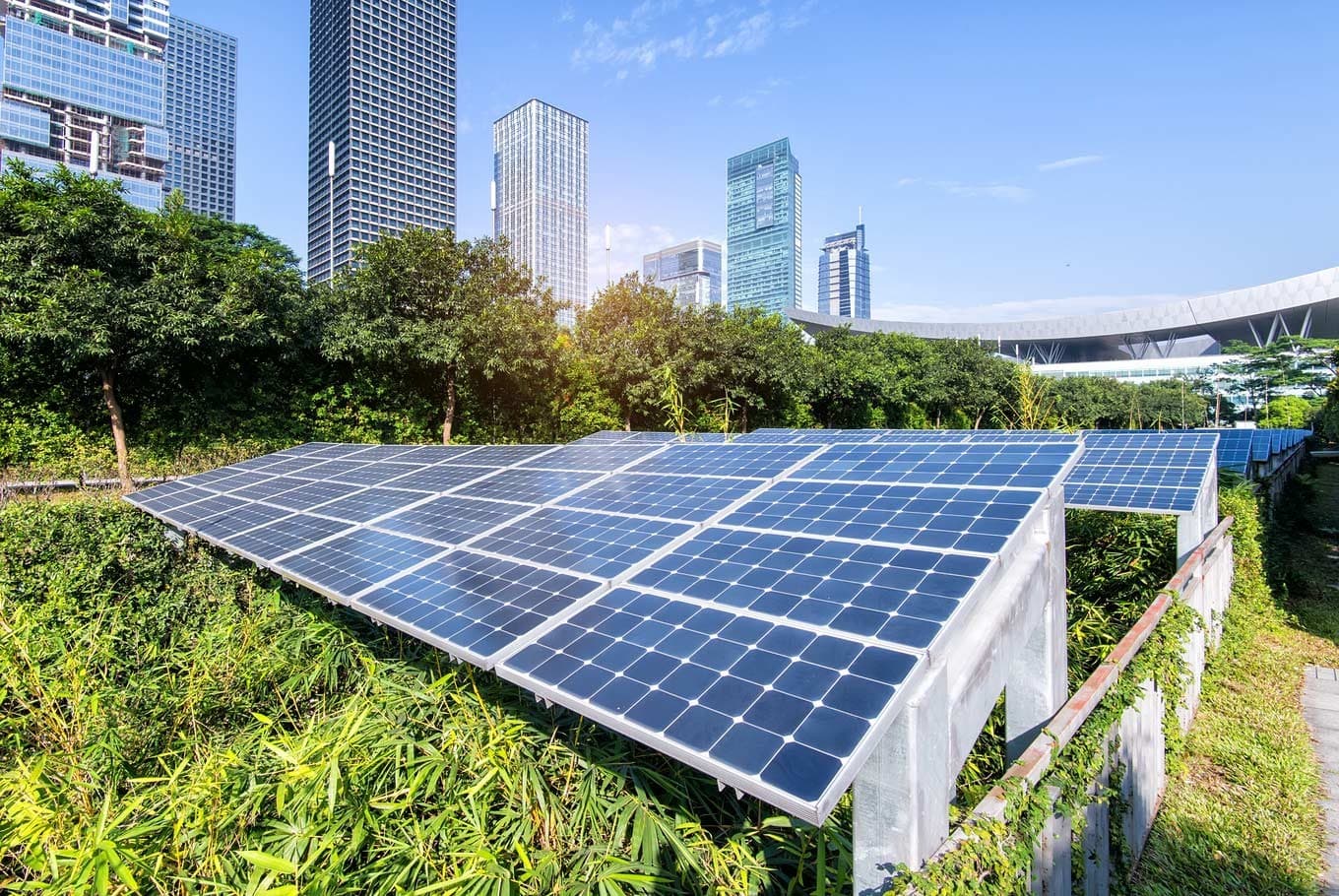
  • Renewable Energy Capacity: Over the past 12 years, India has increased its renewable energy (RE) capacity to over 200 GW, with RE now comprising nearly 45% of the total installed electricity capacity.
  • Clean Energy Growth: India is recognized as one of the fastest-growing renewable energy markets globally, with significant contributions from solar and wind power.

Government Schemes and Initiatives

  • PM Surya Ghar: Muft Bijli Yojana: Aims to provide free electricity through solar energy for rural households.
  • PM-KUSUM (Kisan Urja Suraksha evam Utthaan Mahabhiyaan): Supports farmers in adopting solar energy, facilitating local energy production.
  • Atmanirbhar Bharat and Make in India: Initiatives designed to boost domestic manufacturing in the renewable energy sector.

Industrial and Economic Impact

  • Manufacturing Ecosystem: Development of manufacturing capabilities for solar modules, photovoltaic cells, inverters, battery storage systems, and wind turbines, supported by Production Linked Incentive (PLI) schemes.
  • Employment Generation: Thousands of jobs created for engineers, technicians, researchers, and skilled workers in the renewable energy sector.

Emerging Technologies

  • National Green Hydrogen Mission: Aims to position India as a global hub for green hydrogen production, utilising it for decarbonising sectors like steel and heavy transport.

International Leadership

  • International Solar Alliance: Founded under India's leadership to promote sustainable solar energy solutions globally.
  • India's climate commitments have proven credible on international platforms due to measurable progress, enhancing the country's leadership role in global climate negotiations.

Social and Economic Implications

  • Community Benefits: Clean energy initiatives improve access to electricity for education, healthcare, and digital connectivity, particularly benefiting women and rural communities.
  • Decentralised Energy Systems: Offer new income opportunities for rural households, aligning economic growth with environmental responsibility.

Commitment to Future Goals

  • Ongoing commitment to achieving national climate goals, enhancing energy independence, and promoting sustainable innovation.

This transformation presents not only a shift in energy sources but also a structural change in economic activities, job creation, and environmental stewardship.

Maharashtra Drought and Agricultural Impact
Environment and Ecology28-Sep-2026

Maharashtra Drought and Agricultural Impact

Drought Situation in Maharashtra and India

Current Conditions:

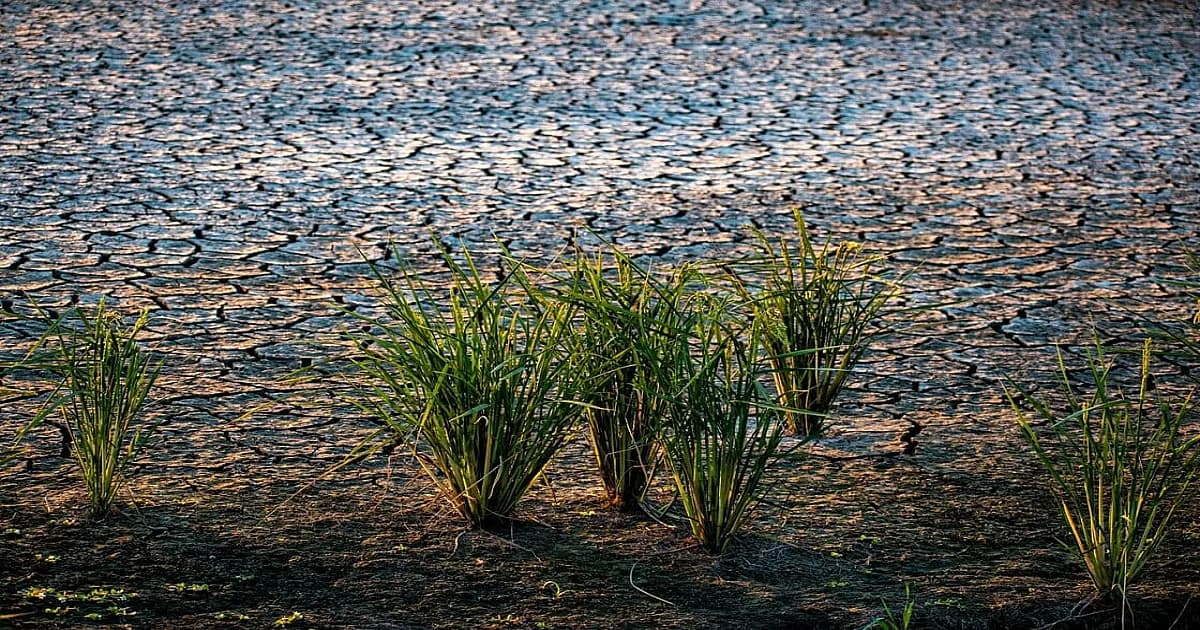
  • Drought Declaration: Maharashtra has declared a drought in approximately 75% of its tehsils, with possible impacts worse than the 1972 famine.
  • Rainfall Deficit: India reports rainfall 11.9% below the historical average for the monsoon season (June 1 - September 27).
  • Affected Regions: 23 out of 36 meteorological subdivisions have over 10% cumulative rainfall deficit. Hardest-hit areas include:
    • Southern states
    • Marathwada and Vidarbha in Maharashtra
    • Rajasthan, Saurashtra and Kutch
    • Northeast India

Meteorological Insights:

  • El Niño: Currently in a strong phase, predicted to escalate to "very strong" from October to February.
  • Impact on Future Harvests: Expected adverse effects on kharif crop yields and significant risks for the upcoming rabi (winter-spring) season.

Agricultural Consequences:

  • : Deficient rainfall leading to dwindling water in wells, ponds, and reservoirs, which may adversely affect rabi harvests.

Government Policy & Framework:

  • Odisha maintains a long-term policy aimed at zero casualties during weather emergencies; effectiveness under scrutiny as flood risks and infrastructure deficiencies emerge.
  • The CAG (Comptroller and Auditor General) noted deficiencies in drainage design and maintenance in 2024.

Climate Patterns:

  • A study from Odisha University of Agriculture and Technology indicates that maximum rainfall events are increasing despite a decrease in the frequency of heavy-rain days (1901-2020 data).
  • Climate change correlates with intense rain events and prolonged monsoon withdrawal phases.

Disaster Management:

  • Odisha is known for its effective disaster management protocols. Issues remain with recurrent waterlogging in urban areas like Berhampur and disruptions to highways and railways.
  • Need for improvements in socio-economic and infrastructural resilience and adaptation to shifting climatic patterns.

Future Directions:

  • Transition from anticipating isolated seasonal anomalies to preparing for repeated intense downpours is advised to enhance disaster preparedness.

This analysis underscores the critical need for ongoing assessment and adaptation of natural disaster response mechanisms, infrastructure improvements, and climate resilience strategies in response to changing meteorological patterns in Odisha.

Water Resources Depletion
  • Administration Response:
    • Activation of the Drought Management Code for crop loss assessment.
    • Concessions include waivers of land revenue and restructuring or pausing agricultural loan recoveries for affected farmers.
  • Government Schemes and Economic Measures

    • Pradhan Mantri Fasal Bima Yojana: Central scheme aimed at providing indemnity payouts to farmers; effectiveness in the current drought context will be evaluated.
    • VB-G Ram G Schemes: Focused on expeditious rural relief works.
    • Import Duty Cuts:
      • Reduction of crude palm and soybean oil duties from 16.5% to 11%.
      • Sunflower oil duties cut to 5.5%.
      • Duty-free imports permitted for arhar and urad, with calls for similar measures for other pulses (yellow peas, chana, masoor).

    Environmental Impact & Future Projections

    • Rabi Harvest Risks: Weaker climatic conditions expected to shorten winter durations and raise temperatures, contributing to lower crop yields.

    Summary

    The drought declared in Maharashtra and the broader rainfall deficits in India are critical issues that may disrupt the agricultural sector, raising the need for effective management strategies at both state and central levels. The ongoing El Niño phenomenon further complicates conditions, signalling challenges ahead for both kharif and rabi crops. Assured government support through policy measures is essential to mitigate economic impacts on farmers.