iAspirants
Current AffairsPrelims PYQsUPSC CSE SyllabusUPSC CSE StrategyBlogsPricing
Login
iAspirants

Your AI-powered companion for UPSC preparation.

Quick Links

  • Home
  • About Us
  • Current Affairs
  • Prelims PYQs
  • UPSC CSE Syllabus
  • UPSC CSE Strategy
  • Blogs

Company

  • Pricing
  • FAQs
  • Contact Us
  • Login

Legal

  • Privacy Policy
  • Terms & Conditions
  • Return Policy

© 2025 iAspirants, Inc. All rights reserved.

  1. Blogs
  2. Environment and Ecology

Eco-Restoration Initiative at Marina Beach

Published on: 04-Aug-2025

Share this post

Eco-Restoration Initiative at Marina Beach

Article Summary

Deputy Chief Minister Udhayanidhi Stalin inaugurated the eco-restoration infrastructure at Marina Beach, aligned with the Blue Flag Certification programme, which emphasizes environmental sustainability and tourist-friendly facilities. The upgrading works carried out by the Greater Chennai Corporation (GCC) spanned a 20-acre area, with an expenditure of ₹7.31 crore.

Key Details:

  • Date of Inauguration: August 4, 2025.
  • Government Initiative: Blue Flag Beach Initiative, a programme aimed at improving beach facilities and promoting sustainability.
  • Financial Investment: ₹7.31 crore for the upgradation of Marina Beach infrastructure.

Infrastructure Developments:

The enhancements at Marina Beach include:

  • Shelters and Seating: Installation of bamboo shelters, 20 shade umbrellas, 40 recliners, and 12 benches to offer comfortable areas for visitors.
  • Recreational Amenities: Facilities for meditation, a reading room, play and fitness equipment, and specialist sports and play equipment that is accessible for individuals with disabilities.
  • Sanitation and Safety: Construction of sanitation facilities, first-aid room, drinking water stations, and CCTV surveillance to enhance safety and hygiene at the beach.
  • Voluntary Engagement: A mass clean-up event was organized, collecting over 500 volunteers from the National Service Scheme and local citizens for waste removal, demonstrating community involvement in environmental conservation.

Recognition and Certification:

  • The Blue Flag initiative is administered by the Foundation for Environmental Education, based in Denmark. The certification signifies that a beach meets stringent environmental, educational, safety, and accessibility criteria.
  • Marina Beach is now part of Tamil Nadu's efforts to gain more Blue Flag certifications, significantly enhancing its appeal as a tourist destination. Kovalam beach in Chengalpattu was previously certified, indicating a growing commitment from the Tamil Nadu government towards improving beach quality and sustainability.

Economic and Community Impact:

  • The initiative is expected to benefit local tourism and enhance livelihood opportunities for communities reliant on fisheries, while promoting sustainable coastal management practices.
  • It underscores the government's commitment to infrastructure improvement that aligns with international environmental standards, thereby promoting both ecological sustainability and local economic growth.

Conclusion:

The Blue Flag Certification programme at Marina Beach represents a significant step towards enhancing environmental standards, improving tourist facilities, and engaging local communities in conservation efforts. The Kentucky government’s initiatives aim not only to boost tourism but also to ensure sustainable management of coastal resources.

Important Sentences:

  • Deputy Chief Minister Udhayanidhi Stalin inaugurated the eco-restoration of Marina Beach under the Blue Flag Certification programme.
  • The Greater Chennai Corporation (GCC) undertook upgrading works over a 20-acre area with an investment of ₹7.31 crore.
  • Infrastructure enhancements include seating arrangements, meditation areas, play equipment, sanitation facilities, and more.
  • A community mass beach clean-up engaged over 500 volunteers, emphasizing community participation in environmental conservation.
  • Marina Beach joins Kovalam beach in attaining Blue Flag certification, marking progress in Tamil Nadu’s sustainable tourism initiatives.
  • The initiative aims to support local fisheries-dependent communities and promote sustainable coastal management.

Key Terms & Concepts

Marina BeachLocation for eco-restoration
Greater Chennai CorporationResponsible for upgradation works
Blue Flag CertificationInternational eco-label program
Tamil NaduState implementing initiative
National Service SchemeVolunteers for cleanup drive
Foundation for Environmental EducationOperates Blue Flag program
Kovalam BeachPreviously certified beach
CuddaloreDistrict involved in initiative
RamanathapuramDistrict involved in initiative
ThoothukudiDistrict involved in initiative

Mind Map for UPSC Civil Services Revision

Turn UPSC Civil Services Current Affairs Into Exam-Ready Notes

Reading Environment and Ecology current affairs is half the work. Revise them with ready-made notes and test what actually stuck.

  • Daily UPSC Civil Services current affairs analysis
  • Revision notes, mind maps & MCQs
  • Prelims mock tests with instant results

Related UPSC Civil Services Current Affairs Articles

India's Deep Ocean Exploration Challenges
Environment and Ecology19-Sep-2026

India's Deep Ocean Exploration Challenges

Summary of Deep Ocean Exploration and Mining in India

Current Status of Deep-Sea Exploration

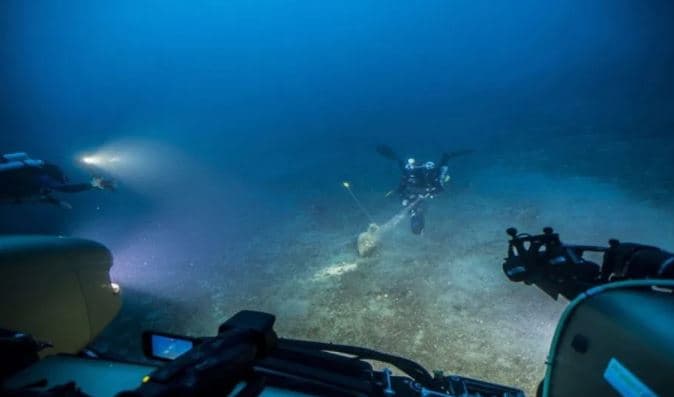
  • International Seabed Authority (ISA) Contracts: India holds three contracts covering approximately 95,000 square kilometers in the Central Indian Ocean Basin, Central Indian Ridge, and Carlsberg Ridge.
  • Estimated Resources: Identified 366 million tonnes of polymetallic nodules containing nickel, copper, cobalt, and manganese.
  • Technological Advancements

    • Deep Ocean Mission: Focused on developing technologies such as:
      • Underwater robotics.
      • MATSYA-6000 human submersible.
      • Deep-sea mining machines tested at depths of 5,270 meters by the National Institute of Ocean Technology.
    • Biodiversity Surveys: Explored 19 seamounts, identifying around 1,300 deep-sea organisms, including 23 new species.

    Environmental Considerations

    • Ecological Impact: The deep ocean is a complex ecosystem that is poorly understood. Large-scale seabed disturbance may have unpredictable consequences.
    • Need for Responsible Exploration: Exploration can advance scientific knowledge without committing to commercial mining. Decisions on mining should incorporate high ecological thresholds.

    Sustainable Development Principles

    • Socio-Ecological Dilemma: Should India prioritize the extraction of deep-sea minerals for energy, electric mobility, and advanced manufacturing, or should it preserve these ecosystems?
    • Mission LiFE: Aligns with principles of reducing resource consumption, recycling, and shifting towards a circular economy.
    • Enhanced Scientific Responsibility: The principle of "Do we need to mine at all?" should govern future mining decisions instead of minimization of damage in extraction efforts.

    Global Environmental Initiatives

    • Emphasis on understanding the value of the ocean as an ecological asset beyond mineral wealth.
    • Alignment with global environmental paradigms:
      • Nature-based Solutions: Strategies that leverage natural processes.
      • Sustainable Development Goals (SDGs): Targeting holistic development while conserving ecosystems.

    Conclusion

    India has the opportunity to lead in deep-sea ecological governance by recognizing the importance of ecological preservation alongside technological advancement. Sustainable development should focus not only on resource extraction but also on the health and integrity of marine ecosystems.

    Himalaya Glaciers Melt Impact Water Security
    Environment and Ecology18-Sep-2026

    Himalaya Glaciers Melt Impact Water Security

    Summary of Key Facts and Data on Himalayan Glaciers and Water Security

    • Glacier Melting Trends: The Himalayan glaciers are melting at an accelerated rate compared to a decade ago, indicating an approaching tipping point which threatens regional water security. The phenomenon known as "peak water"—when river flows cease to rise and start to decline—is expected to occur by mid-century.

    • Impact of Glacier Collapse: A significant glacier collapse occurred in August 2023 along the Nepal-Tibet border, triggering devastating landslides and flash floods. As a result, approximately 1,300 people were confirmed dead, and more than 5,300 were reported missing in the regions of Nepal and Tibet.

    • Glacial Lakes and Stability Risks: Retreating glaciers have formed unstable glacial lakes, which are at risk of flooding due to their precarious hold of loose rock and ice. This poses a serious threat to the millions of residents in the valleys below.

    • Economic Value: The Himalayas contribute to over 20% of India's GDP, highlighting their integral role in the national economic infrastructure that supports hundreds of millions of people.

    • Study Contributors: The alarming findings were released by Systemiq, a sustainability advisory firm, in collaboration with several organizations including the Integrated Mountain Initiative, the International Centre for Integrated Mountain Development, and India's G.B. Pant National Institute of Himalayan Environment.

    • Monitoring Gaps: There are currently only 21 glaciers being monitored on the ground within the Himalayan region, which consists of an estimated 40,000 glaciers spanning eight countries: Afghanistan, Bangladesh, Bhutan, China, India, Myanmar, Nepal, and Pakistan.

    • Natural Disaster Correlation: Despite constituting about 18% of India’s total land area, the Himalayan region has been associated with roughly 35% of the country’s natural disasters, reflecting the vulnerability of this ecologically critical area.

    • Environmental Concern: The findings underscore the urgent need to address climate change impacts and the potential for natural disasters stemming from glacial melting and instability in water resources.

    This summary encapsulates critical elements regarding Himalayan glaciers, water security, economic implications, and disaster risks, signifying the importance of proactive measures in response to climate change and environmental management.

    India's Climate Resilience and Adaptation Strategies
    Environment and Ecology18-Sep-2026

    India's Climate Resilience and Adaptation Strategies

    Climate Vulnerability and Adaptation in India

    Key Facts and Statistics:

    • India ranks ninth in global climate vulnerability.
    • Recorded 430 extreme weather events from 1995 to 2024.
    • Economic losses from these events total approximately $170 billion.
    • 1.3 billion people have been affected.

    Nationally Determined Contributions (NDCs):

    • Updated NDCs focus on climate resilience and adaptation for 2031-2035.
    • Emphasizes adaptation in areas like:
      • Coastal resilience
      • Infrastructure
      • Disaster preparedness
      • Heat mitigation
      • Biodiversity conservation
      • Sustainable livelihoods
    • Aligned with global commitments to triple adaptation finance by 2035.
    • Adoption of Belém Adaptation Indicators at COP30.

    Adaptation Efforts:

    NGT Orders Tree Plantation in Bhopal
    Environment and Ecology17-Sep-2026

    NGT Orders Tree Plantation in Bhopal

    National Green Tribunal (NGT) Directives on Tree Plantation in Madhya Pradesh

    1. Background:

      • The NGT has mandated the Madhya Pradesh Forest Department to plant 7,000 trees by September 30, 2026, as compensation for the felling of approximately 700 trees for road construction related to a proposed cricket stadium in Bhopal.
    2. Key Directives:

      • The tribunal emphasized the need for compensatory plantation at a ratio of 10:1, requiring the survival rate of the newly planted trees to be maintained at 100%.
      • An action-taken report, including photographs of the plantation efforts, must be submitted before the next hearing.
    3. Environmental Concerns:

      • The site of the construction is located within the catchment area of the Bhoj Wetland, recognized as a Ramsar Site of international importance.
      • The construction activities are raising concerns regarding the long-term ecological impact on the wetland’s ecosystem.
    4. Legal and Regulatory Framework:

      • Bhoj Wetland is protected under regulatory frameworks governing wetlands, indicating the importance of adherence to environmental laws.
      • Allegations were made that the cricket stadium construction was initiated without the necessary Town and Country Planning (TNCP) approval.
    5. Challenges Faced:

      • The Forest Department cited budgetary constraints and land availability issues as reasons for delays in plantation efforts.
      • The applicant, environmentalist Nitin Saxena, highlighted that funds for compensatory plantation had already been deposited with the Revenue Department, but actions were not taken.
    6. Judicial Members Involved:

      • The bench consisted of Judicial Member Sheo Kumar Singh and Expert Member Sudhir Kumar Chaturvedi.
    7. Importance of Bhoj Wetland:

      • The wetland comprises the Upper and Lower Lakes and plays a crucial role in Bhopal’s ecology, serving as a vital ecological system.
    8. Potential Legal Issues:

      • The case raises questions about the legitimacy of the approvals for the stadium and the implications of construction within a protected ecological area.
    9. Future Actions:

      • The tribunal has set a clear timeline for the completion of compensatory plantation and is monitoring compliance through mandatory reporting.

    This summary highlights the significant environmental, legal, and procedural aspects of the NGT's order regarding tree plantation in Madhya Pradesh, emphasizing the intersection of law, environmental protection, and public policy.

    Study Links Nepal Floods to Climate Change
    Environment and Ecology17-Sep-2026

    Study Links Nepal Floods to Climate Change

    Summary of Nepal Flash Flood Study

    Key Findings

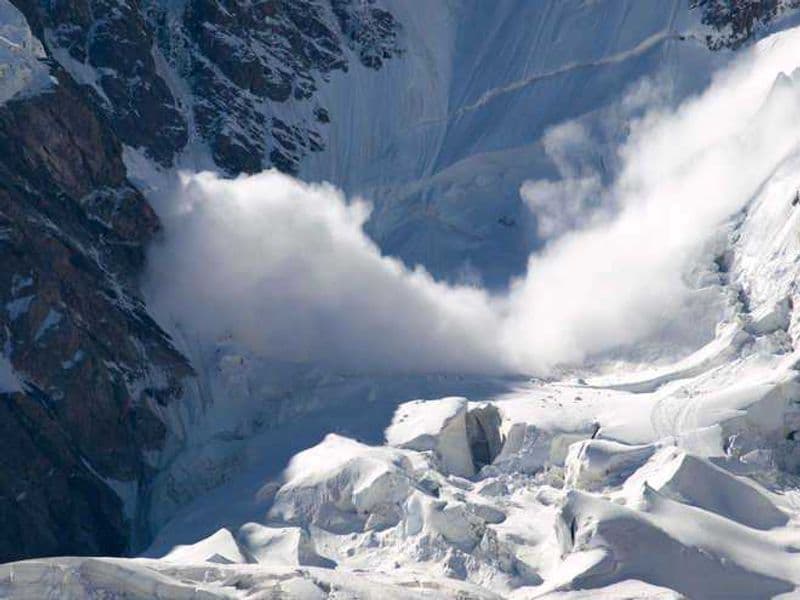
    • Event Description: Last month’s flash floods in Nepal were linked to a large-scale avalanche involving approximately 110 million cubic meters of rock and ice from Langtang Lirung peak.
    • Area Affected: The avalanche tore off a section of the mountain’s northern face measuring 2.2 sq km (equivalent to about 300 football fields) and reached depths of 50 meters.
    • Seismic Impact: The avalanche generated a seismic shock recorded at a magnitude of 5.2.
    • Descent Details: The rock and ice fell from a height of 5,150 meters, impacting the valley floor within 7-8 minutes, traveling at an average speed of 170 km/h.

    Contributing Factors

    • Geological and Climatic Interactions: The study identified a "compound crisis" involving climatic factors (such as glacier thinning and permafrost thawing) and geological instability, exacerbated by climate change.
    • Historical Context: The 2015 earthquake (magnitude 7.8) may have weakened the rock mass but its direct contribution to the disaster was not confirmed.
    • The Indian Council of Agricultural Research (ICAR) oversees the National Innovations in Climate Resilient Agriculture (NICRA) pilot spanning 448 villages across 151 climate-vulnerable hotspots.
    • Focuses on climate-smart agriculture and considerable farmer capacity-building.

    Tamil Nadu Climate Resilient Villages (CRV) Programme:

    • Recognized as a good practice in the Economic Survey 2025-26.
    • Part of the Tamil Nadu Climate Change Mission (TNCCM), supported by the World Resources Institute (WRI).
    • Addresses issues in 11 vulnerable districts through:
      • Water management
      • Flood/drought mitigation
      • Waste management
      • Renewable energy
      • Biodiversity conservation
      • Alternative livelihoods
      • Climate information dissemination

    Financing and Policy Highlights:

    • India’s adaptation and resilience spending was around 5.6% of GDP in FY22.
    • The Union Budget 2026–27 remains primarily focused on mitigation.
    • Developing countries face an annual financing gap of $284-$339 billion for adaptation (UNEP Adaptation Gap Report, 2025).

    Recommendations for Adaptation Finance:

    • A clear taxonomy for adaptation finance is needed, focusing on:
      • Prioritization of sectors
      • Assessment of resources required for vulnerable sectors.
    • The Draft Framework of Climate Finance Taxonomy (2025) focuses mostly on mitigation.

    Institutional Framework:

    • National Adaptation Plan and State Action Plans on Climate Change (SAPCCs) are crucial for operationalizing NDCs.
    • States need continuous vulnerability assessments integrated with socio-economic factors.
    • Emphasis on capacity building, robust methodologies, and standardized monitoring.

    Community Engagement:

    • Local involvement is vital, as advocated at COP30 with Locally Led Adaptation (LLA).
    • Community co-development in planning, ownership, management, and decision-making is essential for effective interventions.

    Summary of Strategies:

    • Move beyond resilient infrastructure to include:
      • Skill development
      • Alternative livelihoods
      • Guidelines for the rehabilitation of affected populations.
    • Enhance institutional mechanisms at the level of urban bodies and local governance.
    • Adopt a whole-of-systems approach to achieve national commitments through grassroot actions.

    Conclusion:

    To address climate vulnerability, India needs a comprehensive adaptation strategy that includes community participation, robust policy frameworks, and sustainable financing mechanisms to build resilience against future climate impacts effectively.

  • Climate Change Influence: Human-induced climate change was highlighted as a significant destabilizing factor, causing increased temperatures and altered precipitation patterns.
  • Scientific Insights

    • Avalanche Rarity: Such large rock avalanches are estimated to occur once every 1,000 to 10,000 years.
    • Glacier Thinning: The Langtang Lirung glacier has been receding at an accelerated rate, losing mass at about half a meter per year, with a current recession rate of 1-2.3% per annum over the last 16 years.
    • Future Risks: Ongoing glacier decline and permafrost degradation are expected to continue, necessitating urgent climate action.

    Recommendations

    • Monitoring and Data Sharing: The study calls for enhanced observation and hazard monitoring in the Himalayas, as well as trans-boundary data sharing to minimize future risks.
    • Transition from Fossil Fuels: A rapid shift away from fossil fuel dependency is essential to mitigate further climate impacts.

    Policy Implications

    • Climate Finance: There is an urgent need to fulfill climate finance commitments for adaptation, particularly in high mountain regions like the Himalayas.

    Conclusion

    The study underscores the complex interplay between climate change and geological factors in triggering natural disasters, emphasizing the need for proactive measures in climate policy and environmental monitoring to safeguard vulnerable regions.