iAspirants
Election Commission Faces Serious Allegations
Published on:
Source: The Hindu
Share this post
Article Summary
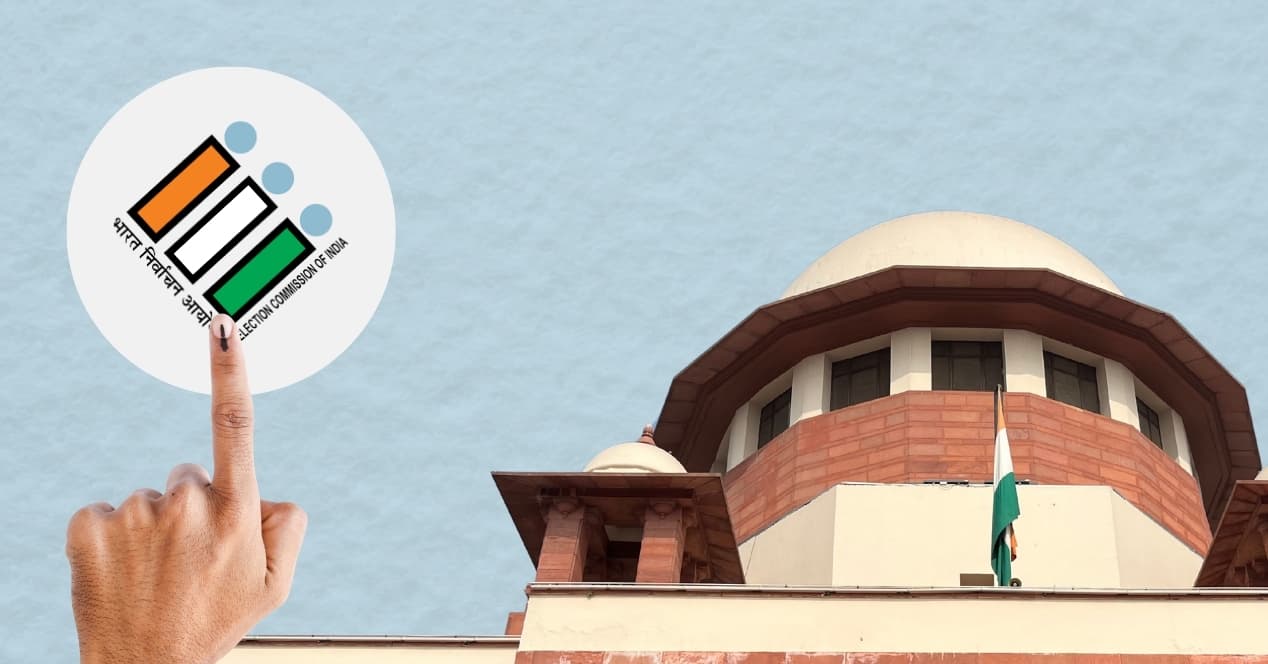
Election Commission of India (ECI) Overview
Background and Constitutional Provisions:
- The ECI is a constitutional body responsible for conducting free and fair elections in India.
- Article 324: grants ECI the power to oversee and conduct elections, ensuring independence from the executive government, as emphasized by Dr. B.R. Ambedkar in the Constituent Assembly debates.
- Article 326: mandates universal adult suffrage, ensuring all eligible citizens have the right to vote.
Judicial Oversight:
- The Supreme Court has warned about decision-making issues within the ECI, particularly regarding unilaterality in the Chief Election Commissioner’s (CEC) actions that lead to constitutional crises.
- Impeachment of the CEC can occur on the same grounds as a Supreme Court judge, but it requires the presiding officers of both Houses of Parliament to approve the motion.
Legal Framework:
- Representation of the People (RP) Act, 1950:
- Section 21: details the preparation and revision of electoral rolls.
- Emphasizes that special revisions can only be conducted under specific, limited circumstances and must adhere strictly to legal provisions.
- Recent discussions criticize a lack of legal basis for the Special Intensive Revision (SIR) conducted by the ECI, arguing it contradicts set legislative guidelines.
- Representation of the People (RP) Act, 1950:
Electoral Rolls Controversy:
- Approximately 13 crore voters removed from electoral rolls across India in the recent SIR, marking a significant disenfranchisement potentially unprecedented in democratic nations.
- Allegations are leveled against the ECI for large-scale voter deletions that violate Article 326, which focuses on inclusion and rights of eligible voters.
Concerns of Political Manipulation:
- Historical fears voiced during the Constitution's drafting about political influence over the CEC have resurfaced, with current ECs indicating coercive decision-making and lack of transparency.
- The drafting committee considered safeguards against partisan appointments to maintain electoral integrity.
Government Schemes and Protections:
- The Chief Election Commissioner and Other Election Commissioners (Appointment, Conditions of Service and Term of Office) Act, 2023 provides the CEC and other ECs with significant legal protection, including lifelong immunity from civil and criminal liability, surpassing protections afforded to even the President of India.
Conclusion
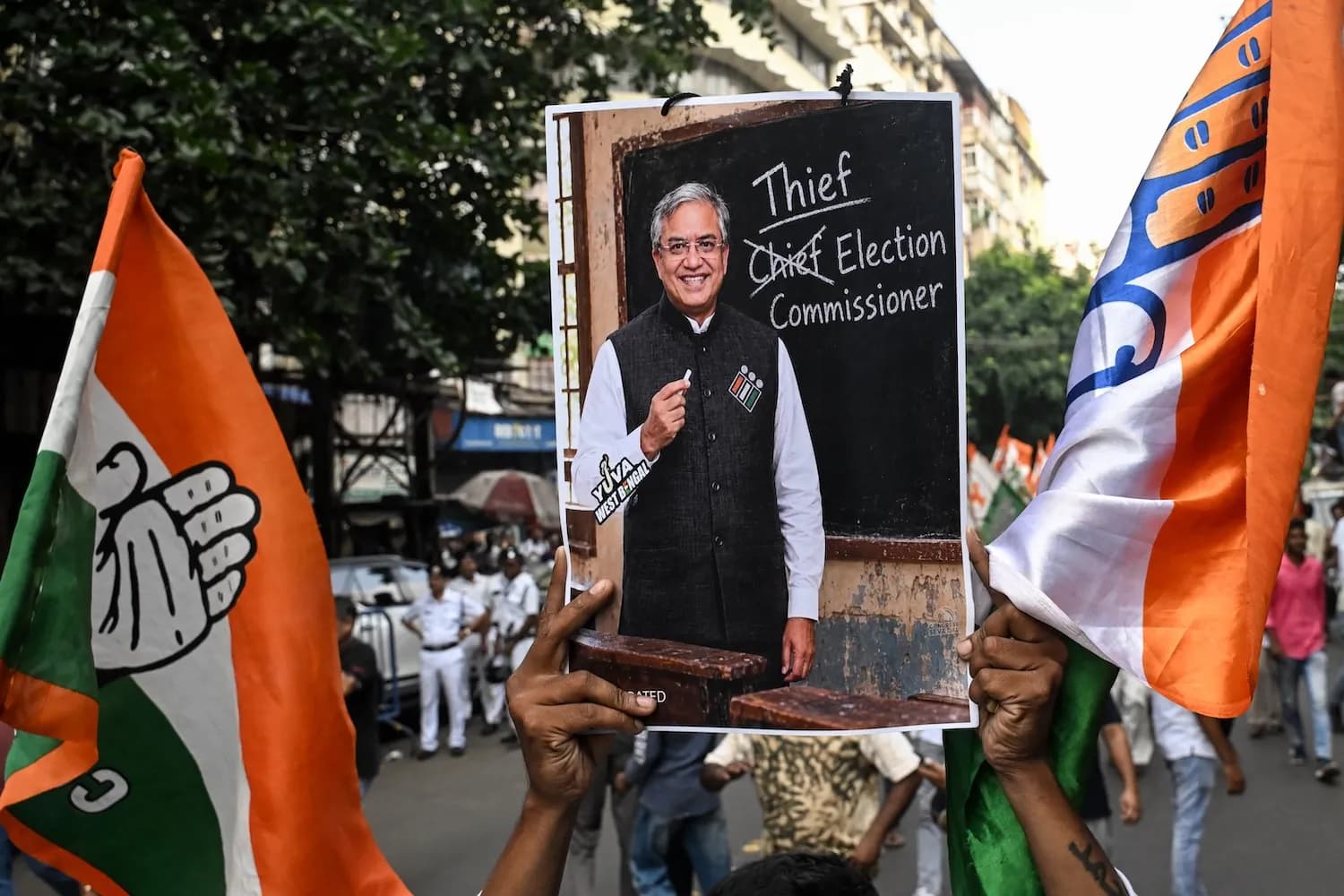
The ECI's recent actions amidst voter roll revisions pose serious concerns about its independence, adherence to constitutional mandates, and potential political manipulation. This situation has prompted discussions of impeachment and questions regarding the integrity of the electoral process in India. The constitutional foundation laid by the framers of the Constitution underscores the importance of impartiality and legal compliance in electoral governance, highlighting ongoing tensions within this key democratic institution.
Key Terms & Concepts
| Election Commission of India | Conduct elections and electoral rolls |
| Section 21 of the RP Act, 1950 | Regulates revision of electoral rolls |
| Article 326 | Provides for universal suffrage |
| Special Intensive Revision | Controversial electoral roll revision |
| 13 crore | Voters removed from electoral rolls |
| Article 324 | Gives ECI powers |
| Chief Election Commissioner and Other Election Commissioners (Appointment, Conditions of Service and Term of Office) Act, 2023 | Grants lifelong immunity to CEC |
| B.R. Ambedkar | Drafted election commission provisions |