iAspirants
Escalating US-Iran Military Tensions
Published on:
Source: Indian Express
Share this post
Article Summary
Key Updates on US-Iran Relations and Military Developments
Military Readiness & Tensions
- The US military is ordered to prepare for possible combat operations in Iran, with potential strikes before the US midterm elections on November 3, 2026.
- Iran-backed Houthi forces have launched missile attacks on Riyadh, Saudi Arabia, resulting in the cancellation of nearly half the flights at King Khalid International Airport.
- US President Donald Trump stated that discussions with Iran are ongoing and confirmed no military action will occur before the midterms.
Economic Impacts
- Global stock markets have declined due to rising oil prices—oil prices increased by 4% amid concerns regarding the geopolitical situation. Brent crude futures rose to $104.28 and West Texas Intermediate to $91.49.
- Congressman Ro Khanna raised concerns about the economic burden of the conflict, highlighting rising gas prices (over $4) and diesel prices (over $6), calling for lawmakers to reconsider the military engagement in Iran.
Sanctions and International Relations
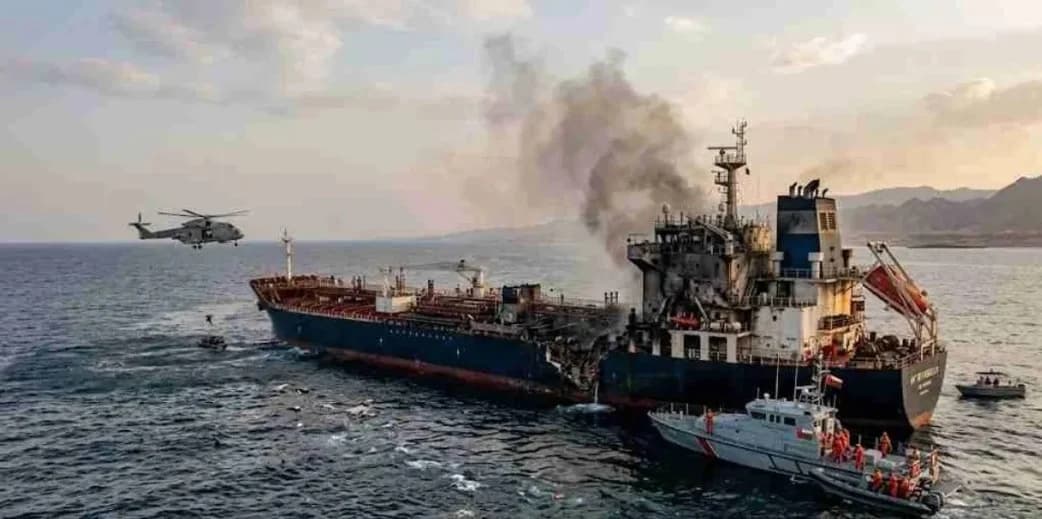
- The US imposed new sanctions on Iran, specifically targeting 17 vessels associated with Iran's oil exports, described as part of Iran's "shadow fleet".
- The sanctions are meant to deplete Iran’s financial resources for military activities in the region, with Secretary of the Treasury Scott Bessent emphasizing ongoing pressure against Iranian entities.
Employment and Green Card Programs
- The US government has suspended several prominent Indian IT firms, including Cognizant, TCS, Wipro, and HCL, from the Permanent Labor Certification Program over allegations of fraud related to employment practices.
- Microsoft has also been implicated and suspended from green card applications.
Diplomatic Engagements
- Russian President Vladimir Putin pledged to assist Iran in ending the ongoing conflict during discussions with Iranian leaders.
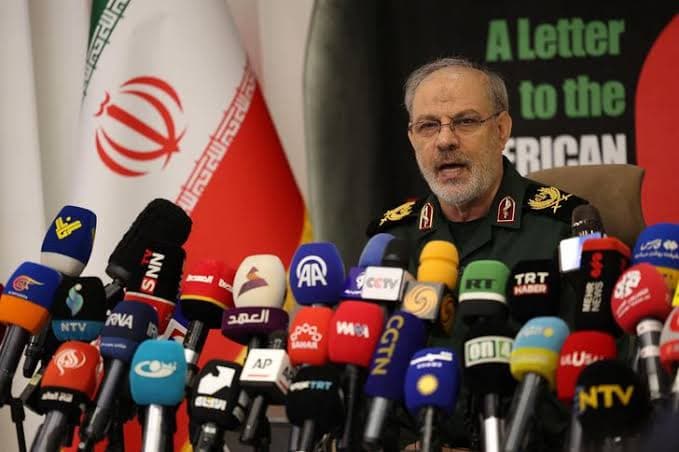
- Iran's Defense Ministry claims sufficient military production capacity to sustain a prolonged conflict, citing a 2.5 times increase in weapon manufacturing amid the war.
Summary of Key Constitutional and Policy Insights
- No specific constitutional articles or judicial rulings were mentioned directly, but the political dynamics and military orders indicate implications on executive powers related to military engagement.
- The Trump administration's recent policy shifts may have ramifications on immigration laws relating to skilled workers, impacting bilateral relations with India.
Conclusion
The geopolitical landscape remains tense with significant military readiness from the US, heightened economic pressures from sanctions on Iran, and disruptions in international travel from the ongoing conflict. Diplomatic discussions continue amidst military tensions, suggesting potential future shifts in policy and engagement strategies.
Key Terms & Concepts
| US Midterm Elections | Key political date |
| Houthi forces | Attacked Riyadh airport |
| King Khalid International Airport | Site of missile attacks |
| US Sanctions | Targeting Iran's economy |
| 17 vessels of Iran's shadow fleet | Sanctioned by US |
| USS Abraham Lincoln | Aircraft carrier deployment |
| Brent crude futures | Oil price indicator |
| Hurricane Isaias | Potential supply disruptor |
| Capgemini, Infosys, Tata, Wipro | Suspended from Green Card filings |
| Strait of Hormuz | Significant shipping route |
| November 3, 2026 | Election date |
| Iranian Defence Ministry | Claims weapons production sufficient |
| Scott Bessent |