iAspirants
Flash Floods Increasing in India
Published on:
Share this post

Article Summary
The article discusses the increasing frequency and severity of flash floods in India, highlighting key incidents, underlying causes, and adaptation strategies needed to mitigate their impacts.
Summary:
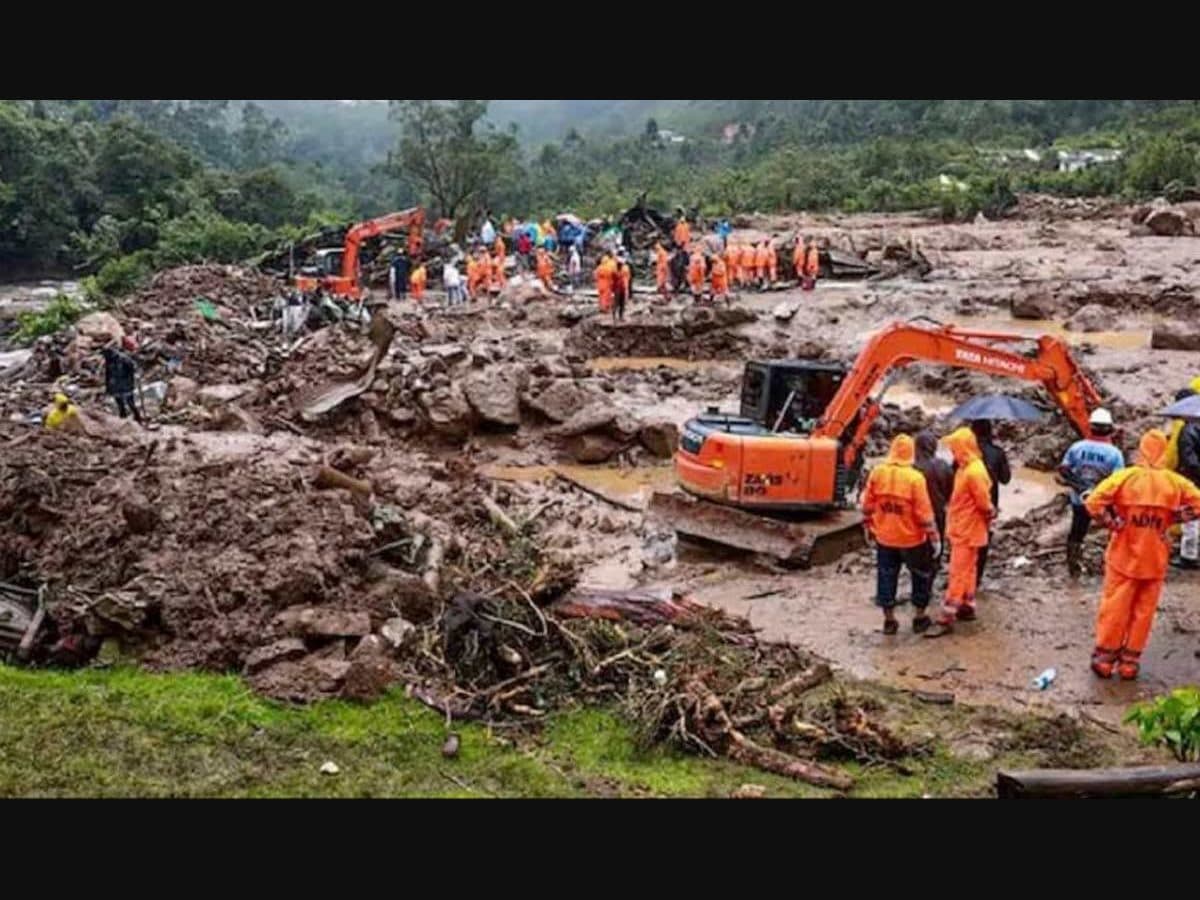
Recent Flash Flood Events: In July 2024, Kerala’s Wayanad reported at least 373 fatalities due to flash floods, while Himachal Pradesh recorded over 100 deaths within the same month. Earlier, in June 2024, five soldiers were killed in Ladakh, and numerous fatalities were reported in Sikkim in October 2023. These instances illustrate the widespread and devastating effects of flash floods across India, which claim over 5,000 lives annually and cause significant infrastructural and agricultural damage.
Rising Frequency of Flash Floods: Between 2020 and 2022, the number of flash flood incidents in India increased from 132 to 184, as stated by the Union Ministry of Jal Shakti in a Lok Sabha reply in 2023, attributable in part to rising global temperatures and extreme rainfall patterns.
Inadequate Research: There is a substantial gap in research regarding the identification of regions most vulnerable to flash floods, making it challenging to deploy effective adaptation strategies and early warning systems.
Study Findings: A recent study from the Indian Institute of Technology (IIT) Gandhinagar, published in "Nature Hazards," identifies the primary geographical regions where flash floods occur — notably the Himalayas, the west coast, and Central India. It emphasizes that various factors, including soil moisture and terrain characteristics, play a critical role in determining flash flood susceptibility.
Main Drivers of Flash Floods:
- Only 25% of flash floods are caused directly by extreme precipitation; the rest stem from a combination of prior soil conditions and rainfall.
- Significant flooding typically arises from prolonged low-intensity or high-intensity rainfall rather than singular extreme events.
- In regions like the west coast and Central India, specific geomorphological features enhance flood risks. For example, steep slopes in the Himalayas lead to quicker water runoff.
Impact of Climate Change: The study indicates a correlation between rising temperatures and increased flood risks; for every 1°C rise in temperature, the atmosphere can hold approximately 7% more moisture, leading to intensified rainfall. Extreme precipitation events in India have been observed to double during the pre-monsoon season from 1981 to 2020, with substantial increases noted in monsoon-related extreme rainfall.
Geographical Variability: The research indicates variability in flood susceptibility within major river basins. For instance, sub-basins in the Himalayan regions and the southern Ganga basin are highly susceptible, contrasting with the lower risk seen in Central Ganga basin sub-basins.
Need for Adaptation Strategies: Adaptation strategies must be tailored to regional geography and soil conditions rather than solely focusing on rainfall metrics. Recommendations call for:
- Development of targeted early warning systems.
- Identification of potential new flash flood hotspots.
- Construction of climate-resilient infrastructure.
Call for Enhanced Planning: The findings underscore the necessity for improved land-use policies and flood planning to address the changing climate and associated risk patterns effectively.
Key Points:
- Over 5,000 deaths and extensive damage from flash floods annually in India.
- Increasing flash flood occurrences, from 132 in 2020 to 184 in 2022.
- IIT Gandhinagar study highlights geographical hotspots and contributing factors to flash floods.
- Extreme precipitation accounts for only a quarter of flash flood causes; soil conditions are crucial.
- Climate change significantly elevates the intensity and frequency of rainfall events.
- Variance in flash flood risk exists even within the same river basin.
- Urgent need for region-specific adaptation strategies and infrastructure resilience to tackle flood risks effectively.
Key Terms & Concepts
| Himachal Pradesh | Location of flood deaths |
| Kerala | Location of flood deaths |
| Ladakh | Location of flood casualties |
| Sikkim | Location of flood casualties |
| Indian Institute of Technology (IIT)-Gandhinagar | Location of study conductors |
| Nature Hazards | Journal of published study |
| Union Ministry of Jal Shakti | Source of statistical data |
| Brahmaputra River | River basin with floods |
| Ganga River | River basin with floods |
| Krishna River | River basin with floods |