iAspirants
Food in Space: Astronauts' Meals
Published on:
Share this post
Article Summary
Summary:
Indian astronaut Shubhanshu Shukla is currently aboard the International Space Station (ISS), where he has been for over a week. He has shared traditional Indian delicacies like gajar ka halwa, moong dal ka halwa, and aamras with fellow astronauts, illustrating the culinary experiences possible in space. Contrary to common belief, astronauts do not rely solely on liquid diets or bland foods; rather, their meals are well-planned and flavorful, although they are primarily packaged and processed for safety and feasibility under zero-gravity conditions.
Key Information:
Food Management in Space:
- Due to zero-gravity, food management becomes crucial as food items can float, posing risks such as choking or disruption of spacecraft systems.
- Astronauts eat packaged food that often comes in dehydrated forms. To prepare their meals, hot water is injected into food pouches prior to consumption.
- Beverages, including tea, coffee, and juice, typically exist in powdered form.
Meal Preparation in Space:
- Astronauts secure themselves using footholds to minimize movement while eating.
- Each astronaut has a food tray equipped with utensils fastened with Velcro, and they are advised to handle packages carefully to prevent spillage of contents.
- After eating, waste is disposed of in designated chambers, and utensils are cleaned with wipes since washing with water is not feasible.
Nutrition and Food Selection:
- Astronauts can select their meals months before their missions, with nutritionists ensuring dietary requirements are met, such as increased calcium and controlled sodium and vitamin D levels for bone health.
- Space food technology has evolved from early paste-like foods to more varied and appealing choices.
Growing Food in Space:
- With the increasing duration of space missions, scientists are investigating sustainable means to grow food in space. This is essential for prospective missions that may require longer travel times, such as to Mars or for permanent lunar settlements.
- Current research is focused on understanding microgravity impacts on plant growth. Methods like LED lighting for photosynthesis and soilless systems for cultivation are being explored.
ISRO's Experiments:
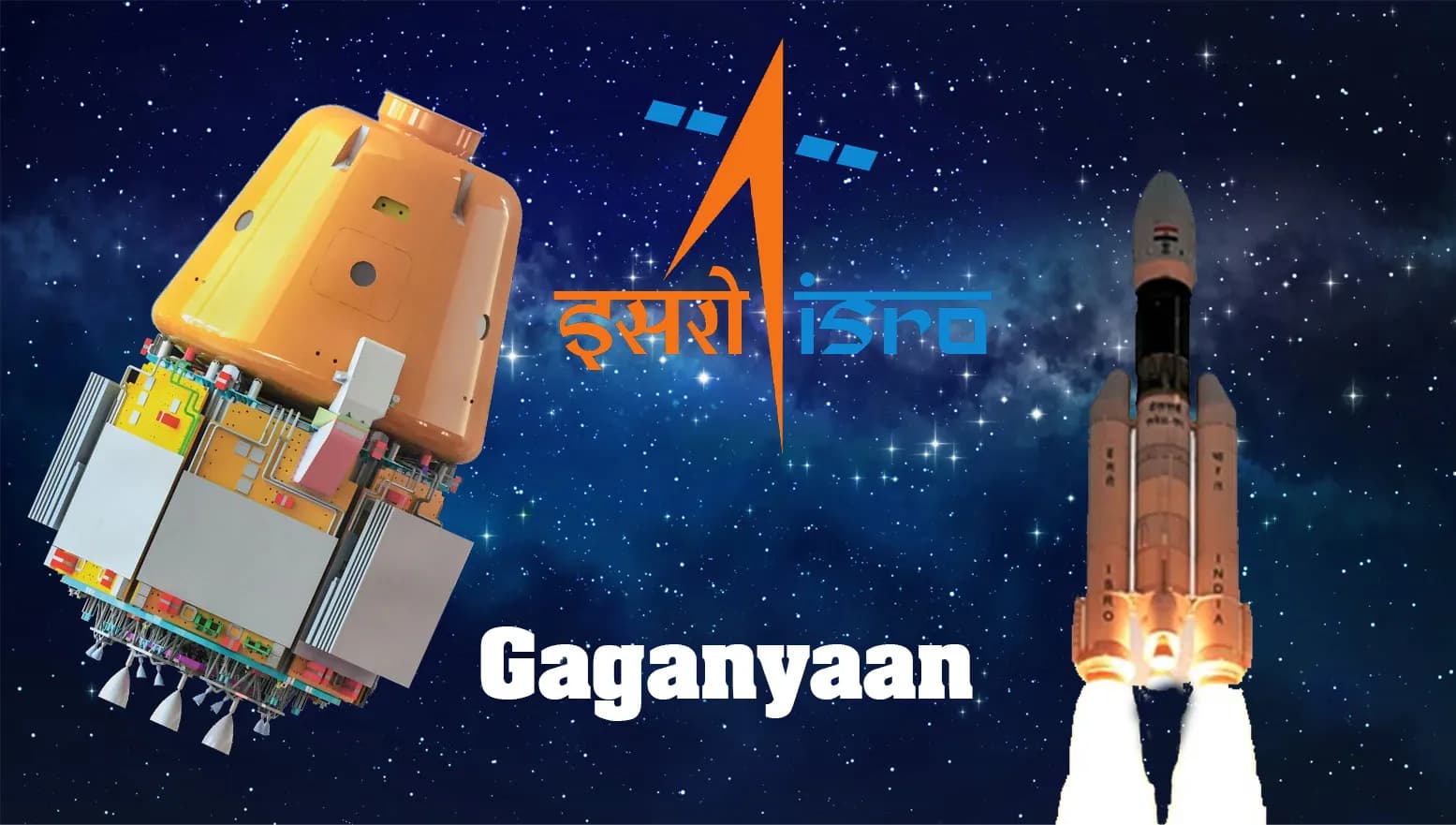
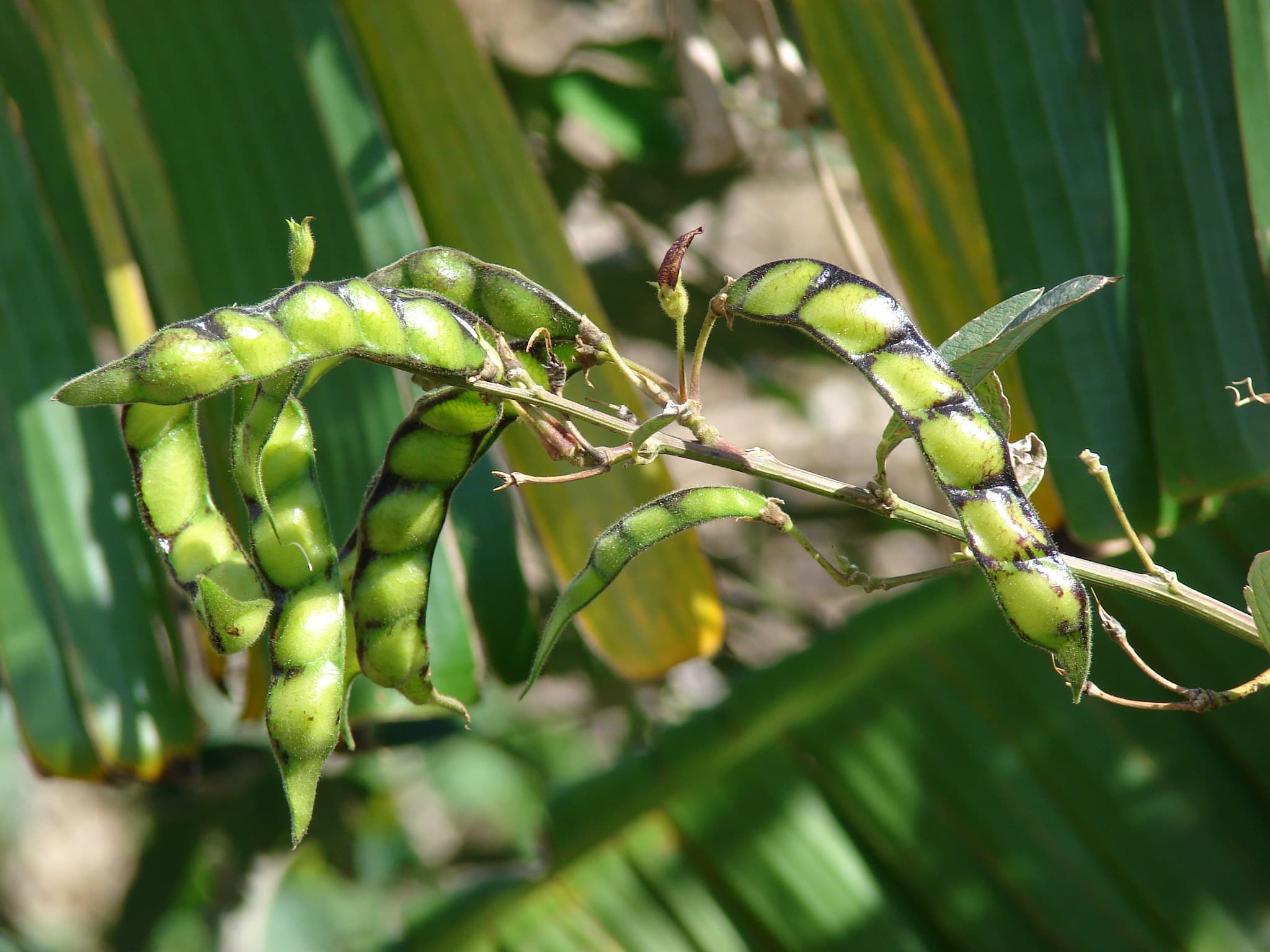
- The Indian Space Research Organisation (ISRO) is conducting various experiments during Shukla’s mission, aiming to grow and study at least six different crop seed varieties as well as microalgae.
- Microalgae, in addition to serving as a food source, hold potential for use as fuel or in life support systems on long missions.
In conclusion, the developments around food consumption and cultivation in space represent significant advancements in astronaut nutrition and a forward-looking approach to sustaining longer space missions, which have critical implications for future human exploration beyond Earth.
Important Sentences:
- Indian astronaut Shubhanshu Shukla shares traditional Indian dishes aboard the ISS with fellow astronauts.
- Due to zero-gravity, food management is crucial for safety in the spacecraft.
- Astronauts eat dehydrated packaged food, prepared by injecting hot water into the containers.
- Nutritionists help astronauts meet dietary requirements, emphasizing increases in calcium and decreases in sodium and vitamin D.
- Research is underway for growing food in space, focusing on plant growth in microgravity and sustainable agricultural practices.
- ISRO is involved in several experiments regarding crop growth and microalgae during Shukla's ISS mission.
Key Terms & Concepts
| International Space Station | Location of astronauts' meals |
| Indian Space Research Organisation | Prepared astronaut food |
| Defence Research and Development Organisation | Assisted in food packaging |
| microgravity | Condition affecting food |
| LED lights | Induce photosynthesis in plants |
| crop seeds | Subject of growth experiment |
| microalgae | Potential fuel and support |
| cargo missions | Transport food supplies |