iAspirants
Himalayas Face Climate Change Crisis
Published on:
Share this post

Article Summary
The article addresses the severe ecological challenges faced by the Himalayan region, primarily driven by climate change and unregulated development practices.
Key Insights:
Impact of Climate Change:
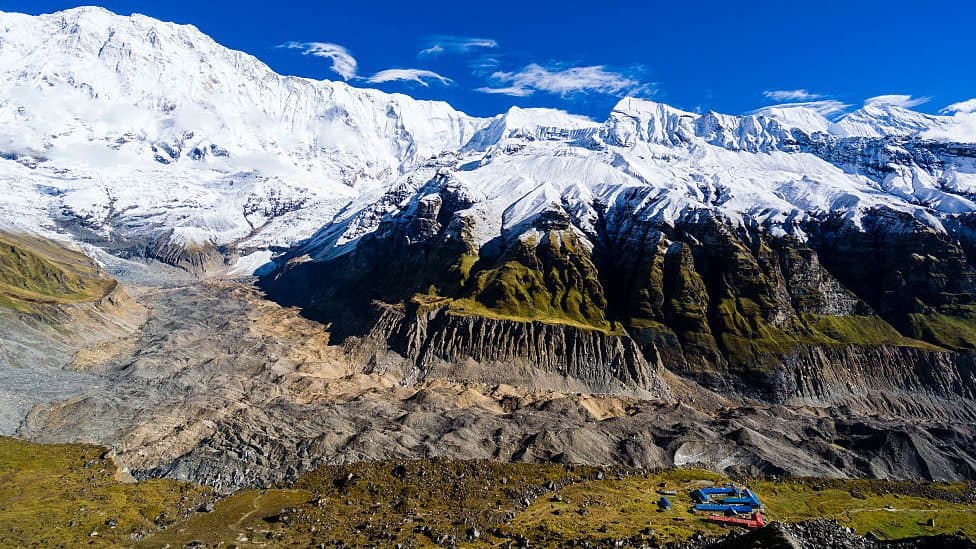
- Union Environment Minister Bhupender Yadav highlighted at a climate summit in Kathmandu that glaciers in the Himalayas are retreating rapidly due to anthropogenic global warming, threatening water security for downstream populations.
- A 2019 study published in Science Advances indicates that Himalayan glaciers have experienced significant ice loss across the past 40 years, with the 21st century showing a doubling in the rate of ice loss compared to the previous century.
Glacial Lake Outburst Floods (GLOFs):
- The formation of artificial lakes due to retreating glaciers has led to dangers such as GLOFs. An example is the flooding caused by South Lhonak Lake in October 2023, which resulted in significant destruction of infrastructure, including the Teesta III hydroelectric dam.
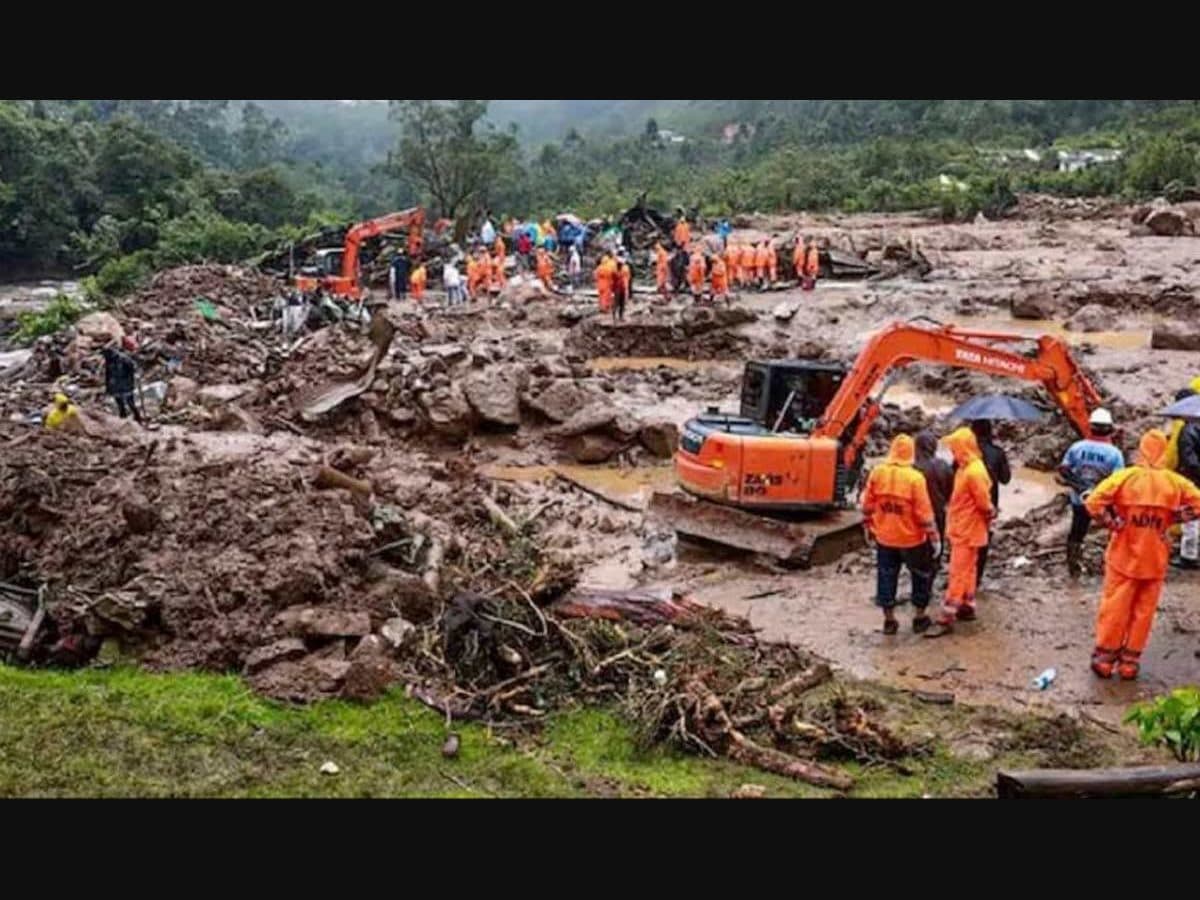
- Historical instances such as the Kedarnath floods in 2013 and the Chamoli district disaster in 2021 underscore the consequences of GLOFs, including large scale loss of life and damage to infrastructure.
Environmental Degradation from Development:
- There is ongoing infrastructure development in the Himalayas, including roads and hydropower projects, which has largely ignored the fragile geological conditions of the region. Environmentalists and experts, including Ravi Chopra, have cautioned against the ecological threats posed by this unchecked construction.
- Concerns are raised about the region's carrying capacity, especially in areas like Joshimath, which is prone to land subsidence due to development activities.
Pollution and Waste Management:
- The Himalayan region is grappling with rising plastic pollution, exacerbated by tourism. Reports indicate that Shimla generates about 2,800 tonnes of solid waste monthly, with figures doubling during peak tourist seasons. The Himachal government has initiated schemes to encourage recycling but challenges persist.
- Tourism practices have turned ecologically sensitive zones into dumping grounds, as noted in hotspots like Kasol and Parvati Valley, where garbage is improperly managed.
Tourism Challenges:
- Tourism numbers are on the rise, with Himachal Pradesh welcoming 1.8 crore domestic tourists and 83,000 foreign visitors in 2023. Uttarakhand reported 5.96 crore visitors, highlighting the region's popularity.
- However, the unregulated nature of tourism practices causes ecological degradation, including noise pollution from helicopters in sensitive areas like Kedarnath and greenhouse gas emissions exacerbating local disturbances.
Community and Environmental Sustainability:
- Experts argue against top-down methods in environmental management, advocating instead for local community engagement and sustainable practices tailored to the region’s specific needs.
- There is a call for a shift from large-scale infrastructure towards decentralized, small-scale, sustainable development. This includes a suggestion to revitalize traditional pilgrimage tourism, which embraces the region's cultural heritage and fosters local economies.
Conclusion: The article illustrates the intricate balance between environmental sustainability and development in the Himalayas. There are urgent calls for policies that connect infrastructure and conservation while engaging local communities in the decision-making process to mitigate the ongoing ecological crises exacerbated by climate change and tourism pressures.
Important Points in Bullet Form:
- Himalayas facing severe ecological risks from climate change and infrastructure development.
- Retreat of glaciers threatens water security; significant ice loss noted over the past 40 years.
- GLOFs pose severe risks, as demonstrated by recent floods caused by glacier lake bursts.
- Ongoing infrastructural projects disregard delicate Himalayan geology, increasing ecological vulnerabilities.
- Plastic pollution and improper waste management due to rising tourism in ecologically sensitive regions.
- Unregulated tourism is degrading natural ecosystems and leading to local outmigration.
- Experts advocate for local engagement and sustainable practices over top-down strategies, suggesting a focus on traditional tourism methods and community-driven development.
Key Terms & Concepts
| Himalayan glaciers | Melting due to climate change |
| Kathmandu | Location of climate summit |
| Teesta River | Affected by glacial floods |
| GLOFs | Glacial Lake Outburst Floods |
| Himachal Pradesh | State with environmental issues |
| Uttarakhand | State with significant tourism |
| Joshimath | Region facing land subsidence |
| South Asia Water Initiative | Published glacier report |
| Kedarnath | Site of major floods |
| Himalaya Niti Abhiyan | Grassroots environmental movement |
| Zero Waste Himalaya | Anti-waste collective |