iAspirants
Human-Induced Earthquakes and Risks
Published on:
Share this post

Article Summary
Summary of Human-Induced Earthquakes and Their Connection to Groundwater Extraction in India
Key Points:
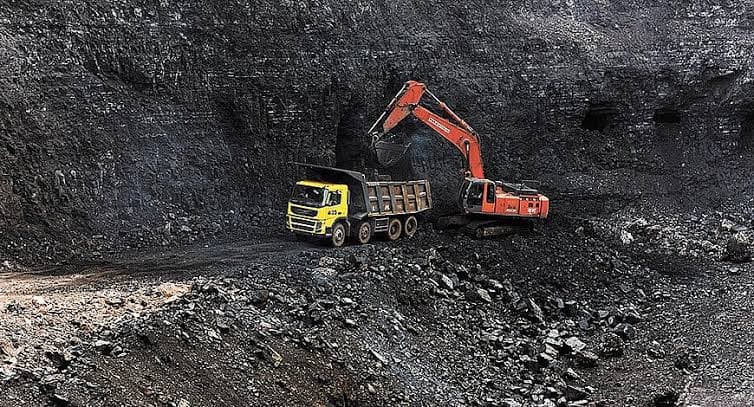
- Human-induced earthquakes are linked to activities such as mining, groundwater extraction, dam impounding, and urban construction.
- Over 700 human-induced earthquakes have been recorded globally over the last 150 years.
- In India, groundwater extraction has shown a correlation with seismic activity, particularly in the National Capital Region.
Key Findings:
- A study published in Scientific Reports in 2021 identified a negative correlation between the groundwater table and seismic activity in the National Capital Region (NCR) from 2003 to 2012. The period of groundwater depletion saw increased seismic events, while stabilization post-2014 led to a decrease in activity.
- Experts note that even though the earthquakes observed in NCR are usually minor (up to magnitude 4.5), the densely populated region’s seismic risk is heightened by its location on several faultlines—classified as Zone 4 on the seismic risk scale.
Human Activities and Geological Influence:
- Activities such as excessive groundwater extraction reduce underground pressure, leading to surface jolts.
- The Gangetic plains are highlighted as regions of concern due to rapid groundwater level changes needed for agriculture, often surpassing natural recharge rates.
- Major earthquakes (like the 6.3 magnitude quake in Koynanagar, Maharashtra on December 11, 1967) have previously caused substantial destruction, attributed to human interventions such as water overloading from dams.
Impact of Dams and Policy Recommendations:
- There is an observed increase in seismic activity near the Mullaperiyar Dam in Kerala, reinforcing the need for stringent dam management regulations to mitigate seismic risks.
- The United States has implemented regulations regarding the operation of large dams to control seismic risks, a model that experts suggest should be adopted in India.
Climate Change and Earthquake Frequency:
- Climate change is implicated in modifying earthquake occurrences through mechanisms such as glacier melting, altered precipitation patterns, and increased groundwater depletion, which can affect tectonic stress.
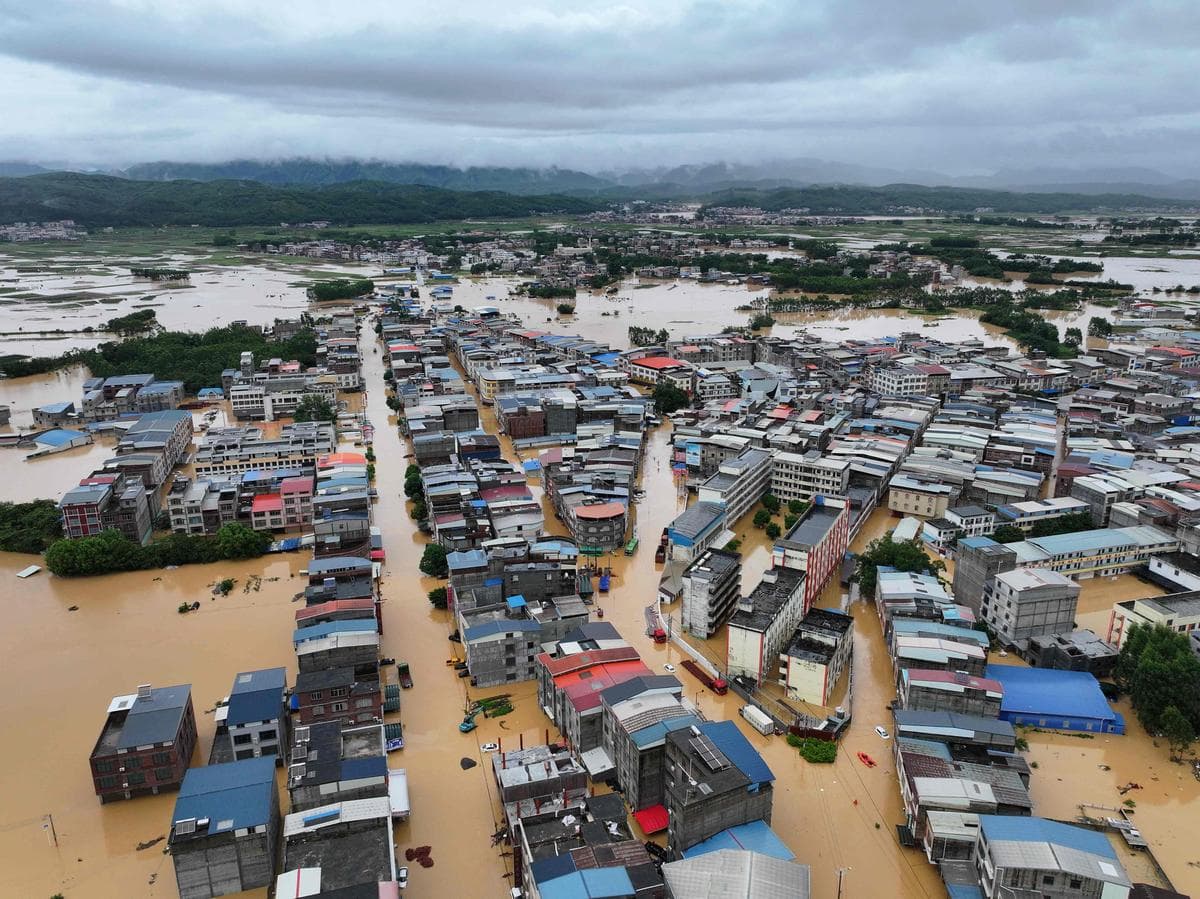
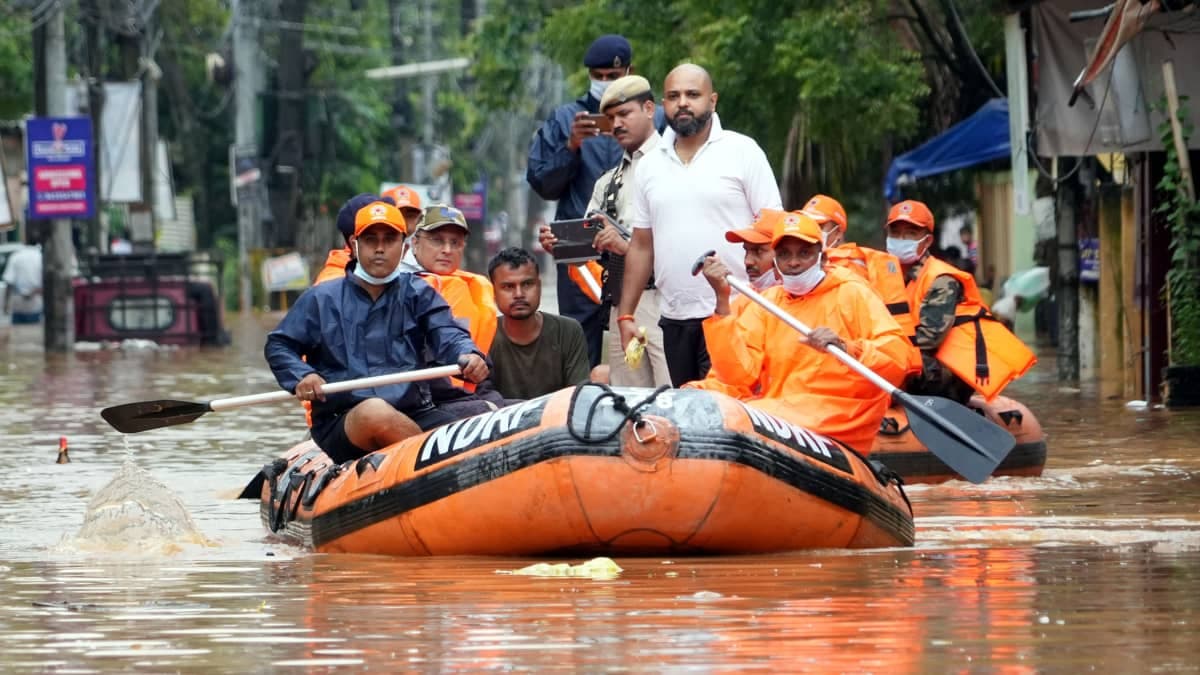
- Regions may experience an increase in earthquakes due to heavy rainfall, as seen around the Sahyadri range, where changes in stress from flooding have induced tremors.
Emerging Seismic Patterns and Future Monitoring:
- Experts emphasize the necessity of establishing strong seismic monitoring networks across India to better track and understand localized seismic behaviors, particularly in regions exhibiting plate deformation.
- Groundwater depletion and the construction of large dams are significant factors influencing seismicity, particularly in faultline areas.
Conclusion: Human activities, underpinned by climate change and metropolitan demands, have a notable role in influencing seismic activity. Proper management of natural resources and scientific evaluation of geological regions are crucial in preventing the exacerbation of earthquake risks. The discourse around human-induced earthquakes emphasizes the need for coherent public policies that incorporate environmental and geological assessments to safeguard urban populations and infrastructure.
Overall, the interrelationship between human actions—especially concerning water management—and tectonic activities necessitates a multidimensional approach to disaster preparedness and resource management.
Key Terms & Concepts
| Seismological Research Letters | Published research source |
| National Capital Region | Study location for earthquakes |
| Koynanagar | Site of significant earthquake |
| Mullaperiyar Dam | Dam linked to seismic activity |
| National Geophysical Research Institute | Research organization |
| Himalayas | Seismically active region |
| Palghar District | Current quake experiencing area |
| Western Ghats | Region recording tremors |
| California | Location of past drought-induced quake |