iAspirants
ICJ Ruling on Myanmar Genocide Case
Published on:
Source: Indian Express
Share this post
Article Summary
International Court of Justice (ICJ) Judgment Summary - The Gambia v. Myanmar
Key Facts and Findings:
- Date of Judgment: November 19, 2022.
- Case: The Gambia v. Myanmar.
- Subject: Genocide against the Rohingya population during military operations in Rakhine State, 2017.
- Judgment: Myanmar found responsible for committing genocide and breaching obligations to prevent and punish genocide.
Genocide Details:
- Estimated 10,000 Rohingya killed.
- Incidents of sexual violence, attacks on children, and destruction of villages reported.
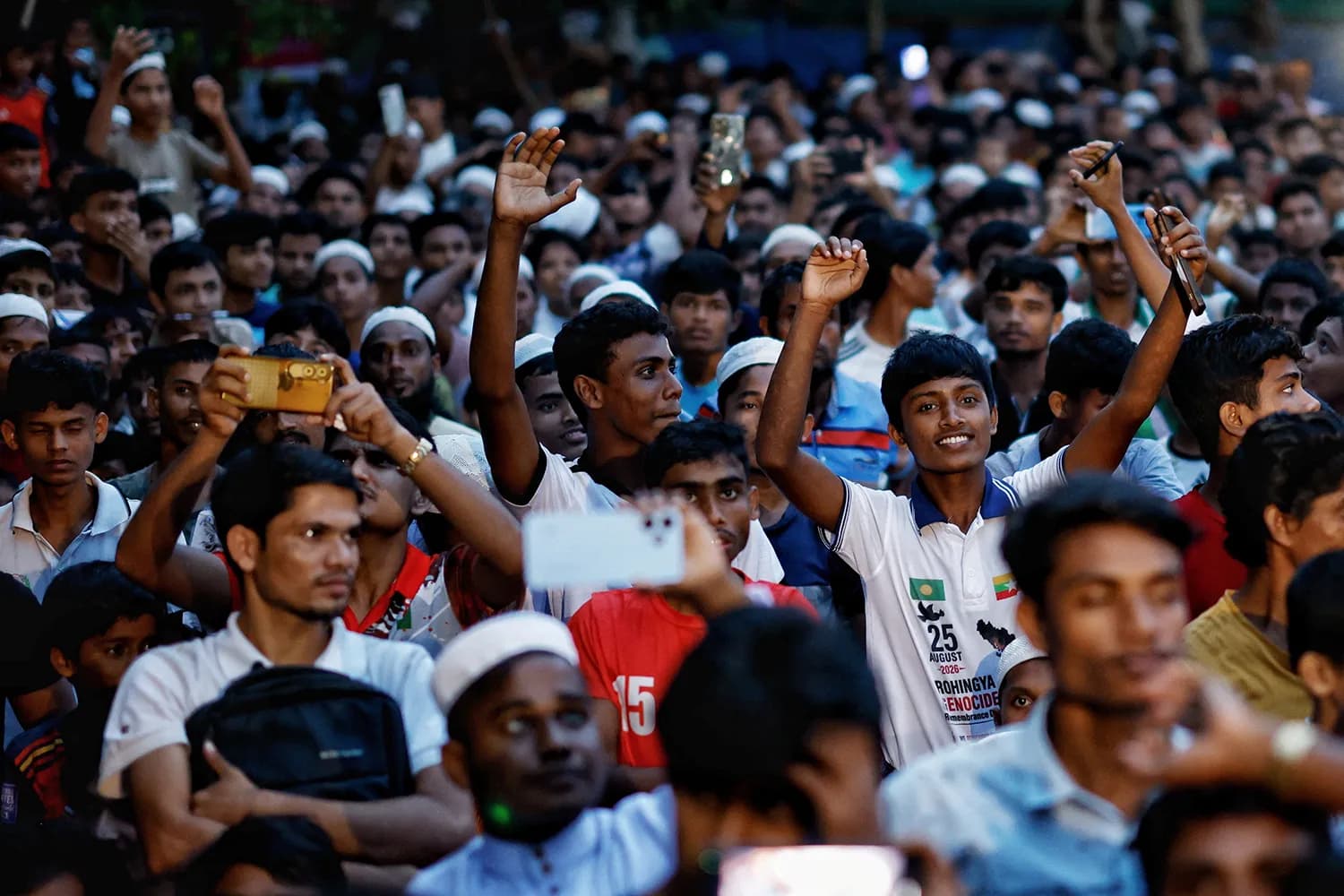
- Over 700,000 Rohingya fled to Bangladesh due to violence and persecution.
Legal Implications:
- First explicit finding of state responsibility for genocide by the ICJ.
- The ruling emphasizes Myanmar’s violation of a January 2020 provisional measures order regarding evidence preservation.
- The Gambia's standing recognized, allowing any state party to invoke the Genocide Convention for collective interests (erga omnes partes).
Jurisprudence Development:
- Clarifies requirements for establishing specific genocidal intent under Article II of the Genocide Convention, which includes proof of harmful acts with intent to destroy a protected group.
- Recognizes that genocidal intent may coexist with other motives and is not precluded by military objectives or armed conflict.
Broader Context:
- The judgment can inform ongoing proceedings, such as South Africa's case against Israel for alleged genocide against Palestinians in Gaza, particularly regarding the evaluation of genocidal intent and military conduct.
Challenges Ahead:
- Despite the verdict, the Rohingya's struggle for justice continues.
- Repatriation requires restored citizenship, security, freedom of movement, and protection from future persecution.
- Orders for investigation and accountability face significant implementation challenges without an independent enforcement mechanism.
- The effectiveness of the ruling hinges on state compliance and possible United Nations Security Council (UNSC) action.
Conclusion:
- The ICJ ruling may serve as a pivotal moment in international law, contingent on the universal application of its principles to achieve meaningful accountability for genocide.
Additional Notes:
- The court's decision marks a critical juncture in international human rights law and the responsibilities of states under the Genocide Convention. International community actions will be crucial in translating legal findings into tangible support for the affected populations.
Key Terms & Concepts
| International Court of Justice | Judicial body delivering judgment |
| The Gambia v. Myanmar | Legal case ruling on genocide |
| November 19, 2022 | Date of ICJ ruling |
| 2017 military clearance operations | Events leading to genocide |
| Genocide Convention | Legal framework for genocide |
| Article II | Part of Genocide Convention |
| 700,000 Rohingya | Number fled to Bangladesh |
| 10,000 | Estimated killed during operations |
| UN Security Council | Potential enforcer of judgment |
| South Africa v. Israel | Ongoing legal proceedings |