iAspirants
Current AffairsPrelims PYQsUPSC CSE SyllabusUPSC CSE StrategyBlogsPricing
Login
iAspirants

Your AI-powered companion for UPSC preparation.

Quick Links

  • Home
  • About Us
  • Current Affairs
  • Prelims PYQs
  • UPSC CSE Syllabus
  • UPSC CSE Strategy
  • Blogs

Company

  • Pricing
  • FAQs
  • Contact Us
  • Login

Legal

  • Privacy Policy
  • Terms & Conditions
  • Return Policy

© 2025 iAspirants, Inc. All rights reserved.

  1. Blogs
  2. Education

IISER Tirupati's Sixth Convocation Ceremony

Published on: 04-Aug-2025

Share this post

IISER Tirupati's Sixth Convocation Ceremony

Article Summary

Summary of the Article

The Indian Institute of Science Education and Research (IISER), Tirupati, is poised to hold its sixth convocation on August 5, 2025. Celebrating its inception in 2015, the institute has significantly broadened its academic offerings and research activities. It initially started with only a Bachelor of Science-Master of Science (BS-MS) program and has since expanded to include:

  • Integrated PhD and PhD programs.
  • A four-year Bachelor of Science in Economics and Statistical Sciences (BS-ESS).
  • A two-year Master’s by Research (MS) program, set to launch in August 2025.

This year, a total of 255 students are scheduled to graduate, including:

  • 22 PhD graduates,
  • 8 Integrated PhD graduates,
  • 3 MSc graduates,
  • 141 from the BS-MS program,
  • 69 from professional Master’s programs,
  • 6 Bachelor of Science graduates,
  • 6 Bachelor of Science (BSc) graduates.

IISER Tirupati Director Dr. Santanu Bhattacharya highlighted notable achievements during a media interaction. The institute’s H-index, which measures research productivity and impact, currently stands at 57, with a cumulative citation count of 17,256. The institute was ranked 33rd in the Nature Index-2025 among academic institutions in India.

International Collaborations and Research Funding

Dr. Bhattacharya emphasized that IISER Tirupati has strengthened its international collaborations, establishing partnerships with:

  • Heidelberg University and the University of Cologne in Germany.
  • Future academic initiatives with the University of Melbourne in Australia.
  • Additionally, ties have been formed with the University of Buffalo, USA, and the Australian National University (ANU).

The institute is witnessing a significant increase in extramural research funding, which has doubled from the previous year, amounting to ₹29.43 crore.

Key Points

  • IISER Tirupati will hold its sixth convocation on August 5, 2025.
  • The institute began in 2015 and has expanded its academic offerings significantly.
  • Graduation cohort includes 255 students across various programs.
  • IISER-Tirupati’s current H-index is 57 with a total of 17,256 citations.
  • Ranked 33rd in Nature Index-2025 for Indian academic institutions.
  • Strengthened international collaborations with notable universities in Germany and Australia.
  • Extramural research funding reached ₹29.43 crore, doubling from the previous year.

This article emphasizes IISER Tirupati’s growth as a premier educational institution in India, showcasing its academic expansion, research contributions, and international collaboration efforts.

Key Terms & Concepts

Indian Institute of Science Education and ResearchConducting convocation ceremony
Heidelberg UniversityInternational collaboration
University of CologneInternational collaboration
University of MelbourneFuture academic program
University of BuffaloInternational partnership
Australian National UniversityInternational partnership
₹29.43 croreExtramural research funding

Mind Map for UPSC Civil Services Revision

Turn UPSC Civil Services Current Affairs Into Exam-Ready Notes

Reading Education current affairs is half the work. Revise them with ready-made notes and test what actually stuck.

  • Daily UPSC Civil Services current affairs analysis
  • Revision notes, mind maps & MCQs
  • Prelims mock tests with instant results

Related UPSC Civil Services Current Affairs Articles

Judiciary's Challenges and Future Directions
Polity and Governance20-Sep-2026

Judiciary's Challenges and Future Directions

Judicial Independence and Legal Education in India

Constitutional and Legal Framework

  • Judiciary Status: Justice N. Anand Venkatesh of the Madras High Court emphasized the need for judiciary introspection to restore neutrality.
  • Supreme Court Ruling: He referenced a Supreme Court ruling highlighting the essential role of advocates in upholding the rule of law and protecting citizens' rights.

Key Issues Highlighted

  • Commercialization of Legal Education: The rise of law colleges (over 1,500 today from a few hundred in the 1990s) has led to a decline in the quality of legal education.
  • Politicization: Concerns regarding political affiliations of advocates and the impact on judicial neutrality were raised, notably the involvement of the Bar Council of India (BCI) chairman in politics.
  • Lack of Guidance: Junior advocates are reportedly not receiving adequate mentorship from seniors, leading to a knowledge crisis.
  • Syllabus Gaps: Notable subjects such as intellectual property rights and international law are missing from the syllabi of government law colleges.

Economic and Educational Data

  • Enrollment Statistics: Only 5% of advocates are from 27 national law colleges, indicating a disparity in legal training quality.
  • Junior Advocate Crisis: Many juniors lack foundational knowledge, impacting their readiness for practice.

Current Challenges

  • Impact of AI: Justice Venkatesh warned that Artificial Intelligence could render some legal tasks, such as documentation and drafting, redundant for junior advocates.
  • Administrative Concerns: The absence of a vice-chancellor at Tamil Nadu Dr. Ambedkar Law University (TNDALU) was called a critical issue affecting legal education in the state.

Suggestions for Improvement

  • Neutral Bar Associations: To enhance judicial independence, it was suggested that bar associations must detach from political influences.
  • Revamping Legal Education: A call for reform in legal education to ensure comprehensive coverage of fundamental subjects and improved mentorship.

Conclusion

Justice N. Anand Venkatesh’s address at the Indian Association of Lawyers’ conference highlighted critical concerns affecting the legal profession's integrity and effectiveness in India. His remarks underscore the pressing need for systemic reforms in legal education, bar association neutrality, and mentorship for the next generation of advocates to ensure the rule of law and judiciary's independence are preserved.

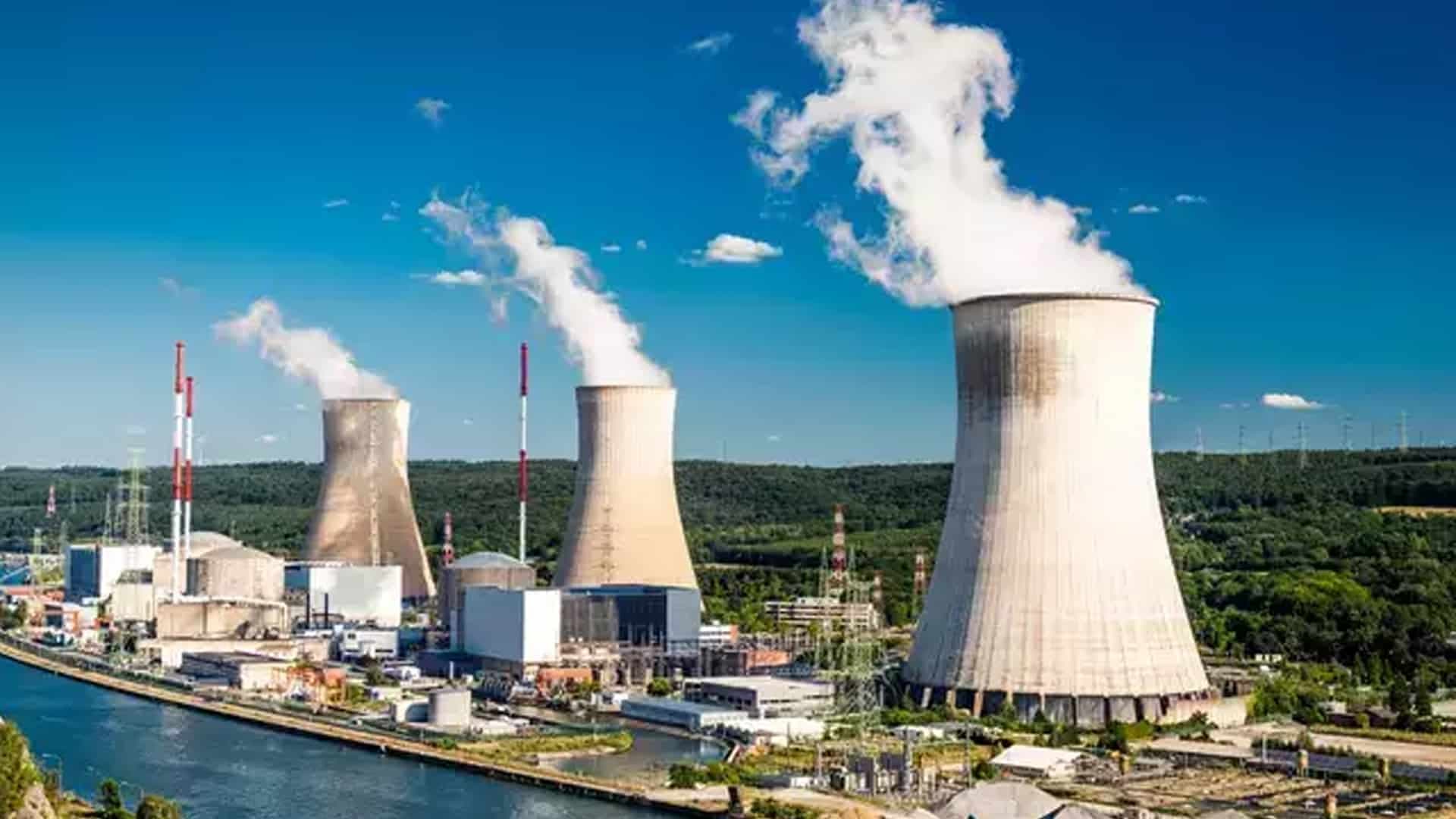
Advancing India's Thorium Nuclear Program
Science and Technology18-Sep-2026

Advancing India's Thorium Nuclear Program

Nuclear Energy in India: Key Insights and Proposals

Thorium-Based Fuel Utilization

  • Expert Advocacy: Anil Kakodkar, former Chairman of the Atomic Energy Commission, supports the early introduction of thorium-based fuel into India's indigenous Pressurized Heavy Water Reactor (PHWR) fleet alongside continuing with the three-stage nuclear program pioneered by Homi Bhabha in the 1950s.
  • Strategic Shift: Current global trends are shifting from uranium to thorium, which aligns with Indian energy needs and abundant thorium resources.

Nuclear Energy Policies

  • National Policies: The government's National Nuclear Energy and Nuclear Fuel Recycle Policy drives reactor system choices and emphasizes indigenous development of PHWR technology for self-reliance and energy security.
  • Capacity Goals: India's nuclear mission targets achieving 100 gigawatts electric (GWe) of nuclear capacity by 2047, primarily relying on domestic PHWRs.

Challenges and Opportunities

  • Fuel Supply Issues: A decline in uranium supply due to geopolitical factors may impact India's nuclear energy goals in the next 10-15 years.
  • Fast Breeder Reactors (FBRs): Development of FBRs is ongoing but needs accelerated implementation to ensure future energy security and efficient breeding of nuclear fuel.

Innovative Fuel Options

  • HALEU and Thorium: Using High-Assay Low-Enriched Uranium (HALEU) blended with thorium in PHWRs is proposed to enhance safety, reduce waste, and expedite reaching the third stage of the nuclear program via Thorium Molten Salt Reactors (TMSRs).
  • Modularization Benefits: The introduction of Small Modular Reactors (SMRs) utilizing established PHWR technology could lead to efficient, clean energy supplies.

Economic and Technological Implications

  • Investment Attraction: PHWRs are positioned as robust, safe, and economically competitive technologies, making them appealing to investors.
  • Self-Reliance Emphasis: It is imperative to transition from uranium dependency towards domestic thorium utilization, fostering local technological advancements.

International Context and Cooperation

  • Global Trends: The nuclear energy market anticipates a supply-demand mismatch due to reluctance in uranium recycling.
  • Collaborative Opportunities: Opportunities for mutually beneficial international collaborations must respect the rights of all participating nations, promoting a stronger position for India.

Key Takeaways

  • Energy Independence: The move to thorium and the development of PHWR technology is critical for India's long-term energy independence.
  • Strategic Development: Expanding thorium use through innovative reactor designs will underpin future energy capacity and ensure alignment with global shifts in nuclear technology preferences.

This summary encapsulates the current discourse surrounding India's nuclear energy landscape while detailing government policies, expert insights, and the anticipated future of nuclear technology in the country.

Rising Government Bond Yields Explained
Economic and Social Development17-Sep-2026

Rising Government Bond Yields Explained

Exam-Focused Notes on Global Bond Yields and Economic Implications

1. Definition and Mechanism of Government Bonds:

  • Government bonds are instruments through which a government borrows money, acknowledging the loan and detailing repayment terms.
  • The yield on a government bond is the interest rate paid to bondholders, which influences government spending and economic activities.

2. Recent Trends in Bond Yields:

  • Government bond yields have been rising globally, with significant implications for economic stability.
  • US Bond Yields: The yield on 30-year US government bonds has reached levels not seen since the 2008 financial crisis. The 10-year bond yields have also increased sharply since February 2023.

3. Economic Implications of Rising Yields:

  • Higher yields lead to increased interest payments by governments, reducing available funds for other public services (e.g., healthcare, education).
  • The US government now spends more on interest payments than on military expenditures.

4. Global Impact:

  • Rising US bond yields affect international borrowing costs, leading to increased yields in other countries (e.g., UK and Japan).
  • The global government bond market is estimated at around $80 trillion, with total bonds (including corporate) reaching approximately $160 trillion.

5. Factors Contributing to Rising Yields:

  • Debt Levels: The US national debt has surpassed $40 trillion, raising concerns about sustainability.
  • Credibility Issues: Perceived instability in US economic policies has led to increased demand for higher returns from bondholders.
  • Recent interventions by US Treasury officials to manipulate yields have further eroded confidence in the government's fiscal policy.

6. Historical Context and Judicial References:

  • Bond markets have historically been viewed as reliable indicators of economic health; however, rising yields signal distress.
  • Government borrowing is framed by the constitutional framework that mandates fiscal responsibility and accountability to taxpayers.

7. Policy Recommendations:

  • Fiscal Consolidation: Reduce borrowing and aim for a surplus budget through efficient spending and revenue generation.
  • Focus on Economic Growth: Enhancing growth can lower debt-to-GDP ratios, mitigating the effects of rising yields.
  • Re-establish Policy Credibility: The Federal Reserve must commit to maintaining inflation targets to reassure bond markets.

8. International Comparisons:

  • The UK serves as a cautionary tale where poor fiscal decisions led to increased bond yields and economic instability.
  • Japan’s debt-to-GDP ratio is at 250%, with rising inflation impacting bond markets.

9. Conclusion:

  • The interconnectedness of global economies means that rising government bond yields in one country can have cascading effects worldwide.
  • Effective fiscal management and credible economic policies are essential to stabilize bond markets and ensure sustainable growth.

Key Data Points:

  • OECD reports indicate a $61 trillion bond market for high-income countries.
  • US interest payments rose from $414 billion in 2010 to significantly higher figures post-2022 due to rising yields.

Constitutional Reference:

  • Government fiscal policies must align with principles of accountability and sustainability as outlined in relevant constitutional articles and amendments.

Science & Technology Context:

  • Economic policies are influenced by technological advancements and global supply chain dynamics, which are critical in understanding the broader economic landscape.

This summary encapsulates critical aspects of the rise in government bond yields, emphasizing the need for sound fiscal policies and the implications for global economics.