iAspirants
Current AffairsPrelims PYQsUPSC CSE SyllabusUPSC CSE StrategyBlogsPricing
Login
iAspirants

Your AI-powered companion for UPSC preparation.

Quick Links

  • Home
  • About Us
  • Current Affairs
  • Prelims PYQs
  • UPSC CSE Syllabus
  • UPSC CSE Strategy
  • Blogs

Company

  • Pricing
  • FAQs
  • Contact Us
  • Login

Legal

  • Privacy Policy
  • Terms & Conditions
  • Return Policy

© 2025 iAspirants, Inc. All rights reserved.

  1. Blogs
  2. Environment and Ecology

Impact of Climate and Electricity Issues

Published on: 23-Aug-2026

Source: The Hindu

Share this post

Impact of Climate and Electricity Issues

Article Summary

The content provided primarily narrates personal experiences and reflections on weather and living conditions rather than delivering key facts, statistics, policies, or international events relevant to examinations. However, there are several themes that can be distilled for study:

Climate Change & Weather Patterns

  • El Niño Effect: Mentioned as a contributor to erratic weather patterns globally.
  • Impact of Heavy Rains: Causes destruction, fatalities, and disruptions in daily life.

Energy and Electricity

  • Electricity Supply Challenges: Highlights frequent power outages and dependency on electricity for cooling.

Historical Living Conditions

  • Traditional Housing: Use of thatched roofs and natural ingredients for construction and cooling.
  • Community Bonding during Construction: Collective activities around home building and maintenance, showing strong social ties.

Agriculture and Nature

  • Local Flora: Mango and cashew trees are part of community life, serving both practical and social purposes (e.g., shade and fruit consumption).

Local Cultural Practices

  • Community Lifestyle: Improved bonding and traditional practices with communal meals and social interactions around everyday tasks.

Additional Notes

  • While the narrative includes reflections on indoor climate management (use of AC and fans), it serves more to illustrate personal discomfort rather than technical advancements or governmental policies.

  • The details on past living conditions serve as cultural insight rather than pertinent data points or governmental activities directly related to current socio-economic indicators.

Conclusion

The recognized themes touch upon crucial societal issues involved with climate adaptation, energy policy dependence, and traditional lifestyles. However, for exam relevance, detailed data, constitutional references, and specific policies related to energy, climate adaptation strategies, or community development schemes could not be deduced from the provided text. Thus, more focused sources would be necessary for robust study material in these areas.

Key Terms & Concepts

El NiñoClimate phenomenon affecting weather
Pampa RiverLocal resource for hygiene
Thatched housesTraditional housing structure
Electricity supplyFrequent outages affecting comfort
Coconut leavesMaterial for roofing and fuel
Mango and cashew treesLocal flora providing shade and food

Mind Map for UPSC Civil Services Revision

Turn UPSC Civil Services Current Affairs Into Exam-Ready Notes

Reading Environment and Ecology current affairs is half the work. Revise them with ready-made notes and test what actually stuck.

  • Daily UPSC Civil Services current affairs analysis
  • Revision notes, mind maps & MCQs
  • Prelims mock tests with instant results

Related UPSC Civil Services Current Affairs Articles

Action Against Illegal Resorts in Tiger Zones
Environment and Ecology07-Oct-2026

Action Against Illegal Resorts in Tiger Zones

Summary of Environmental Policy Update Regarding Eco Sensitive Zones (ESZ) in Karnataka

  • Directive from Environment Ministry: Environment Minister Ramalinga Reddy has called for immediate action against illegally established resorts and homestays in Eco Sensitive Zones (ESZ) and buffer zones of tiger reserves and protected areas.

  • Meeting Insights:

    • Reddy chaired a meeting of the Standing Committee of the State Board for Wildlife to discuss ESZs and buffer zones following the notification of various tiger reserves and protected areas.
    • Emphasis on maintaining minimal disturbance in ESZs and declaring them as silent zones.
  • Zonal Master Plans: Preparation of Zonal Master Plans was proposed to enhance public awareness regarding activities allowed in ESZs.

  • Proposals Reviewed:

    • A proposal for establishing an eco resort within the buffer zone of Bhadra Tiger Reserve was deferred.
    • A proposal for quarrying in the ESZ of Kappatagudda Wildlife Sanctuary was rejected.
    • Approved proposals include electrification of BSNL saturation towers, laying of OFC cables, and construction of a small bridge for recommendation to the Standing Committee of the National Board for Wildlife (SC NBWL).
  • Boundary Rationalization:

    • Decision to submit a proposal for the rationalization of the boundary of Shettihalli Wildlife Sanctuary, noting improper demarcation during notification.
    • No alterations to the ESZ of Bannerughatta National Park were made; the existing delimitation will remain since all elephant corridors already included are crucial to the existing ESZ.
  • Technical Committee Review: The need for a review of existing buffer zone notifications for tiger reserves was acknowledged, with a plan to assess whether modifications are necessary.

  • This summary highlights key actions and proposals concerning environmental protection and wildlife management in important ecological zones, reflecting the government's commitment to conservation and regulation of activities within sensitive areas.

    Destruction of Illegal Firearms in Tiruvannamalai
    National and International Importance07-Oct-2026

    Destruction of Illegal Firearms in Tiruvannamalai

    Summary of Key Points

    Legislation

    • Wildlife (Protection) Act, 1972: The act underpins the drive to combat illegal hunting and protect wildlife.

    Government Actions

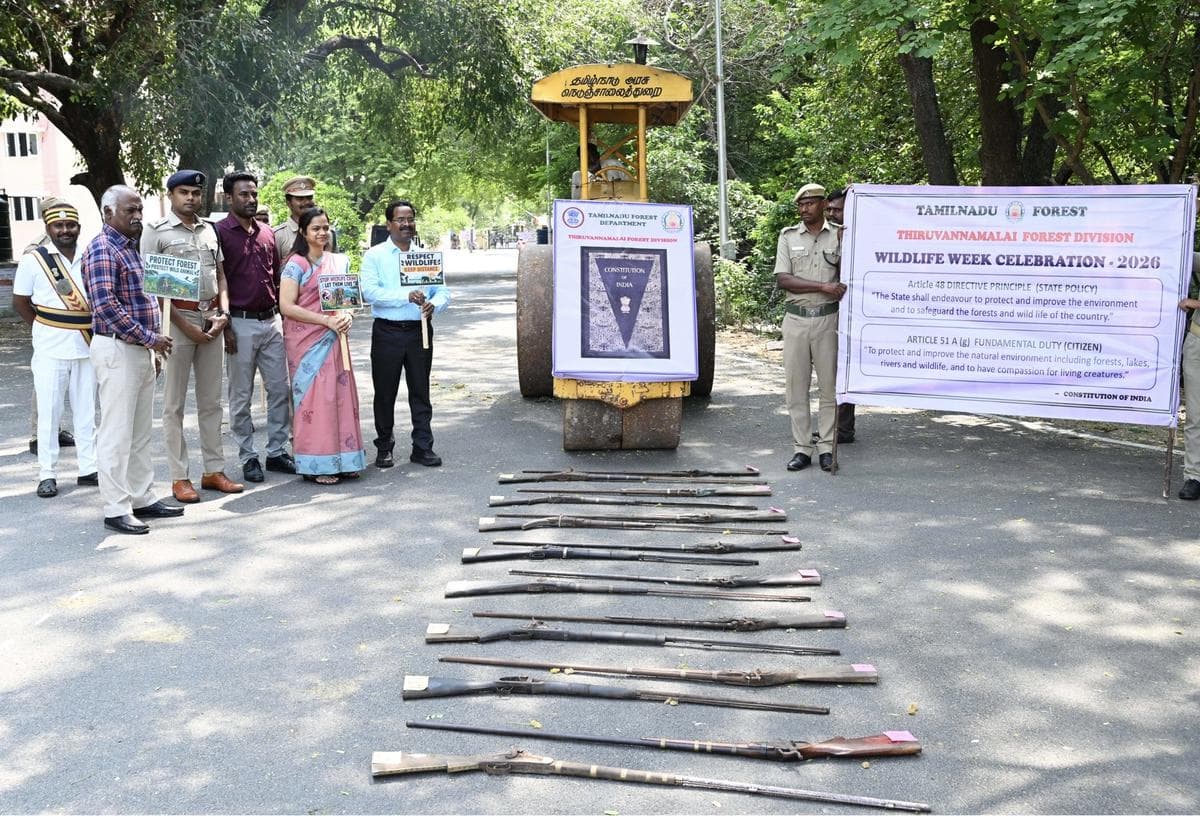
    • Destruction of Illegal Firearms: 125 illegal country-made firearms were destroyed in a public event at the District Collector’s office in Tiruvannamalai.
    • Collector’s Initiative: The initiative to destroy firearms was launched by Collector Vandana Garg.

    Statistics of Firearms Destroyed by Forest Range

    • Nadanur Range: 41 firearms
    • Santhavasal Range: 22 firearms
    • Melpattu Range: 19 firearms
    • Polur Range: 17 firearms
    • Jamunamarathur Range: 15 firearms

    Public Engagement

    • Voluntary Surrender Program: The program encourages tribals living near forests to voluntarily give up illegal firearms, benefiting from general amnesties established in 2016 and 2021.
    • Community Outreach: Forest officials engage with tribal elders and conduct door-to-door awareness programs to promote the voluntary surrender of firearms.

    Cultural Context

    • Historically, tribals possessed these firearms for self-defense against wildlife, theft, and for hunting, as well as for transporting agricultural produce.

    Improved Socio-Economic Conditions

    • The necessity for firearms among tribals has decreased due to:
      • Improved roads
      • Enhanced policing
      • Better transport facilities

    Judicial and Policy Support

    • Continued support from local authorities, including the district police and forest officers, is pivotal in carrying out this initiative and promoting wildlife conservation.

    Conclusion

    The initiative led by the Forest Department in Tiruvannamalai not only aims to protect wildlife but also fosters community cooperation and reduces the prevalence of illegal firearms among tribal populations through awareness and support measures.

    Earthquake Tremors Felt in Delhi
    Environment and Ecology07-Oct-2026

    Earthquake Tremors Felt in Delhi

    • Event Overview: A 4.9-magnitude earthquake occurred in Uttarakhand's Chamoli district.
    • Date and Time: The earthquake struck on October 6, 2026, at 10:23 PM.
    • Magnitude and Depth: Recorded at 4.9 on the Richter scale with an epicenter located at a depth of 13 km.
    • Affected Areas: Tremors were felt in Delhi and surrounding regions, along with various parts of Uttarakhand, including Dehradun.
    • Monitoring Authority: The earthquake activity is monitored by the National Centre for Seismology (NCS), which is the nodal government agency responsible for such events.
    • Response and Report: The Uttarakhand State Disaster Management Authority (USDMA) reported the incident but noted that there were no immediate reports of damage or injuries.
    • Geological Significance: The occurrence in the Himalayan region highlights the seismic activity prevalent in this area, which is known for its vulnerability to earthquakes.
    • Disaster Preparedness: Awareness of earthquake preparedness is crucial, especially in seismic zones like Uttarakhand.

    This earthquake incident underscores the importance of ongoing monitoring and preparedness plans in regions susceptible to seismic events, in line with national disaster management policies.

    CPCB Deploys Squads Against Stubble Burning
    Environment and Ecology06-Oct-2026

    CPCB Deploys Squads Against Stubble Burning

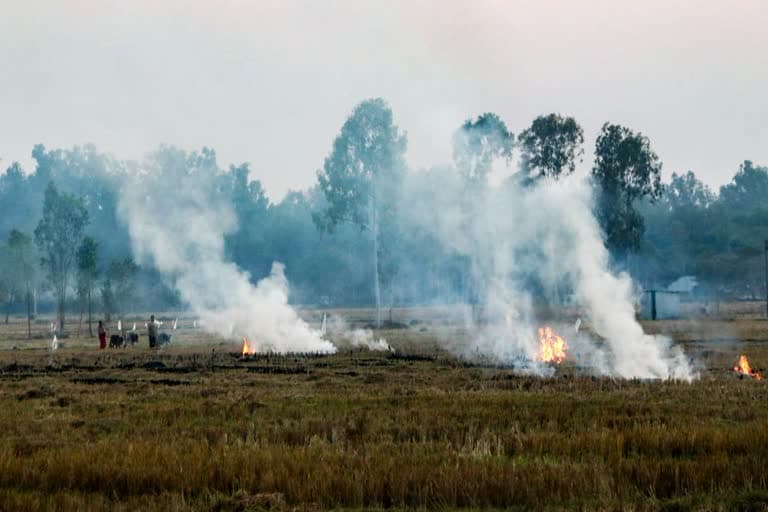
    • Authority & Actions: The Central Pollution Control Board (CPCB) has initiated a deployment of flying squads in response to directives from the Commission for Air Quality Management in the National Capital Region (NCR) and adjoining areas (CAQM).

    • Operational Details:

      • Timeframe: October 1 to November 30.
      • Coverage: 34 districts – 18 in Punjab and 16 in Haryana.
    • Objective: The squads aim to monitor and control stubble burning, especially during the paddy harvesting season, and will work on-ground to prevent environmental pollution.

    • Coordination Mechanism:

      • The flying squads will engage with:
        • Farmers
        • Parali Protection Force
        • District-level authorities
        • State government nodal officers
        • Officers of the respective State Pollution Control Boards
        • CAQM Cell at S.A.S. Nagar
        • Report situation daily to CAQM Cell.
    • Focus Areas:

      • Ensure compliance with environmental directives.
      • Address issues in vehicular and industrial sectors.
      • Mitigate road and construction dust alongside stubble burning.
    • Environmental Context: The initiative is part of broader efforts to enhance air quality in the NCR region, reducing pollution spikes typically associated with agricultural waste burning, particularly after the harvest season.

    • Importance: Addressing stubble burning is crucial for both environmental protection and public health, particularly in urban areas affected by air quality deterioration due to such practices.

    This summary highlights the essential actions, structures in place, and objectives of the stubble burning prevention efforts initiated by the CPCB in coordination with other agencies, reflecting the importance of environmental governance in India.

    Bird Migration Trends in Chennai
    Environment and Ecology05-Oct-2026

    Bird Migration Trends in Chennai

    Summary of Migratory Bird Patterns and Biodiversity in Chennai

    Key Findings:

    • Early Migrant Arrivals: The grey-headed lapwing, a long-distance migratory bird from East Asia, was sighted in Chennai on September 20, 2026, nearly two weeks earlier than its usual arrival in the first week of October.
    • Bird Species Observed:
      • Pallikaranai Marshland: Notable species include Terek sandpiper, lesser sand-plover, marsh sandpiper, and black-tailed godwit.
      • IIT-Madras: Paradise flycatcher, blue-tailed bee-eater, booted eagle observed.
      • Adyar Estuary: Recorded shorebirds such as Caspian terns, whiskered terns, Eurasian whimbrels, European roller, and common greenshanks.
      • Nemmeli Salt Pans: 56 bird species recorded in a two-hour survey, highlights include a flock of garganeys and over 600 greater flamingos.

    Environmental Context:

    • Urban Pressure on Biodiversity: The bird habitats, especially in Pallikaranai, are experiencing pressure from urbanisation, impacting migratory patterns and bird populations.
    • Importance of Weather Conditions: Factors such as weather conditions, rainfall, and food availability affect migration patterns, although specific causes for the early arrivals remain unidentified.

    Biodiversity Significance:

    • Chennai’s coastal and wetland ecosystems play a crucial role in supporting migratory birds, many of which traverse thousands of kilometers from regions in Northern Europe and Central Asia to southern India.
    • The presence of unique species and large flocks highlights the ecological importance of Chennai as a migratory route and habitat for waterbirds.

    Future Observations:

    • Birdwatchers are keenly anticipating sightings of unique migratory species like the Demoiselle crane, enhancing the region's biodiversity documentation efforts.

    Conclusion:

    The changes in migratory patterns and the variety of species observed in Chennai reflect ongoing shifts in environmental conditions, emphasizing the need for conservation efforts to protect these vital habitats.

    Environmental References:

    • Biodiversity in Chennai: Critical for bird species during seasonal migrations.
    • Pressure from Urbanization: Noted impact on natural habitats.
    • Citizen Science: Engagement by local birdwatchers contributes to biodiversity records and awareness.

    These observations serve as a reminder of the delicate balance in ecosystems and the impacts of climate change and urban expansion on wildlife.

    Concerns Over Puthukkad Flyover Construction
    Environment and Ecology05-Oct-2026

    Concerns Over Puthukkad Flyover Construction

    Environmental Concerns and Proposed Flyover in Kerala

    1. Project Overview:

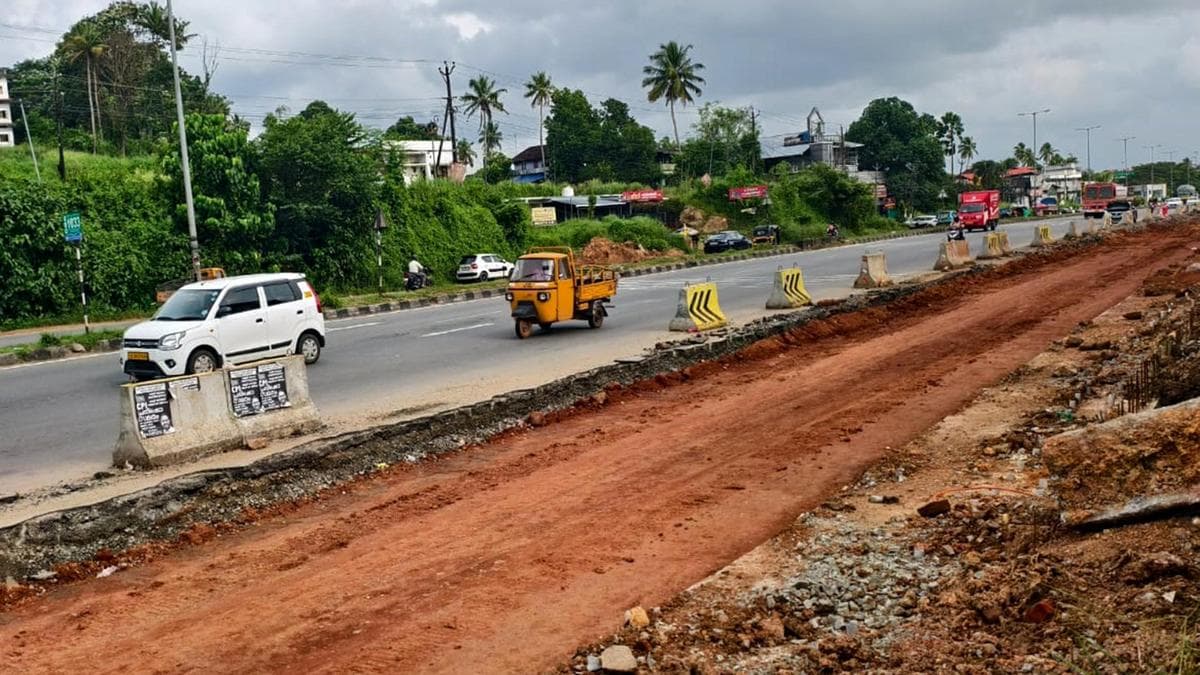
      • Proposed Puthukkad flyover on National Highway (NH) 544, 1.38 km long.
      • Designed with 1,380 meters raised on an earth-filled embankment, with only 70 meters at ground level at the Puthukkad Signal Junction.
    2. Environmental Impact:

      • Concerns raised by the Puthukkad Melpalam Janakeeya Samithi regarding obstruction of natural drainage, potentially worsening flooding in low-lying areas.
      • Historical waterlogging in the region during intense rainfall events in 2018 and 2019, with a notable incident in 2024 when the Peechi dam was opened unexpectedly.
    3. Geographical Sensitivity:

      • Puthukkad is in a sensitive area for flood management; the proposed design could impede floodwater flow from the eastern hills to lower areas.
      • The area is situated between the Manali and Kurumali rivers, influencing existing drainage patterns.

    Call for Assessments:

    • Demand for an independent hydrological and flood-impact assessment, focusing on:
      • Rainfall intensity.
      • Historical flooding patterns.
      • Catchment characteristics.
      • Natural drainage channels.
    • Recommendations for adequate cross-drainage structures and culverts to be integrated into project plans rather than added post-design.
  • Recommendations for Structural Design:

    • Advocacy for a pillar-supported flyover to minimize ground-level obstruction and allow for natural stormwater movement.
    • Need for a scientific evaluation of potential ecological impacts before final project approval.
  • Local Concerns:

    • Residents emphasize their support for a flyover to address traffic issues but insist on designs that mitigate environmental problems.
    • The local community is particularly focused on maintaining existing drainage to ensure against future flooding risks.
  • This summary highlights the critical elements involving environmental concerns, community responses, and proposed analyses related to the Puthukkad flyover, indicating a strong emphasis on sustainable infrastructure while addressing traffic issues.