iAspirants
Impact of Climate Change on Urban Biodiversity
Published on:
Share this post
Article Summary
Summary of Research on Urban Heat and Bird Biodiversity in Bengaluru
A recent study led by researchers from the Indian Institute of Human Settlements (IIHS) in Bengaluru reveals the significant impact of urban heat and declining green cover on bird biodiversity in Bengaluru, a rapidly urbanizing city. The study was published in the journal Ecological Applications and investigated the relationship between urbanization, heat stress, and avian diversity.
Key Findings of the Study:
Impact of Heat and Urbanization: The study highlights that climate change and reduced green cover are profoundly affecting the lives of millions in tropical countries, especially in urban areas. Record temperatures in Indian cities emphasize this challenge.
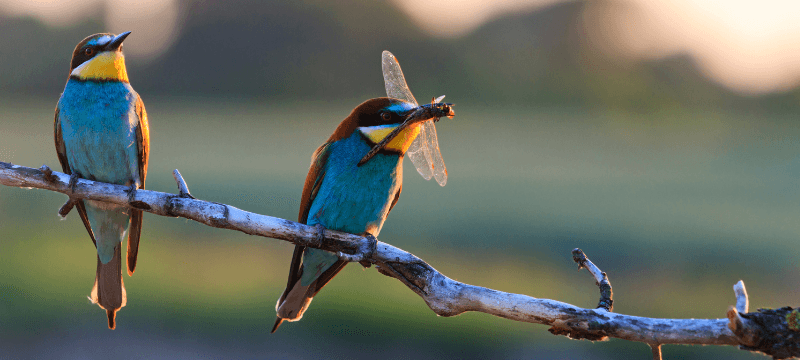
Focus on Bengaluru: Bengaluru, home to more than 350 bird species across its diverse habitats, serves as a case study. The researchers utilized bird records from eBird and satellite data to assess how heat correlates with green cover and bird species distribution.
Heat Islands: Findings indicate that areas classified as heat islands exhibited lower avian diversity. These heat islands, characterized by significantly higher temperatures, pose threats to birds, where biodiversity is concentrated in cooler zones.
Biodiversity Trends: Notably, birds in open habitats (grasslands, savannahs) and those reliant on human activities fared better in areas with reduced tree cover. This contrasts with previous studies from places like Dehradun, where green cover was strongly linked to biodiversity.
Ecological and Urban Planning Insights:
Importance of Native Ecosystems: The study underscores that planting trees alone may not suffice for protecting urban biodiversity. It advocates for a nuanced approach to ecological restoration that considers Bengaluru's historical land use, which included open habitats and wetlands alongside forested areas.
Risks of Non-Native Species: Approximately 77% of Bengaluru's tree cover consists of non-native species, which can harm local biodiversity and human health. The planting of invasive tree species like Jacaranda is cautioned against due to their detrimental impacts.
Diverse Habitat Needs: It emphasizes the necessity for a variety of native plants, including grasses, herbs, shrubs, and trees, as part of urban greening efforts. Focusing solely on afforestation may lead to ineffective conservation strategies.
Recommendations for Urban Biodiversity Conservation:
Integrative Planning: Urban development in cities like Bengaluru should incorporate biodiversity goals, factoring in diverse land uses and historical land cover patterns.
Conservation Strategies: Effective reclamation of degraded lands like wetlands and grasslands must be prioritized over simple afforestation efforts.
Social Equity in Urban Planning: Ecological and social inequities are deeply connected, with marginalized communities experiencing the severest impacts of heat and deforestation. Urban planning should address these disparities.
Access to Green Spaces: The study advocates for improved access to green areas, urging cities to ensure public access to parks and natural spaces, which are increasingly restricted.
Conclusion:
The findings from this research highlight the complex interplay between climate change, urbanization, and biodiversity. They invite a reconsideration of urban planning and ecological restoration strategies to foster sustainable urban ecosystems while mitigating the adverse impacts of rising temperatures.
Important Points:
- Climate change and heat stress are impacting avian biodiversity.
- Bengaluru hosts over 350 bird species yet faces increasing temperatures.
- Heat islands correlate with reduced bird diversity.
- The role of tree cover in biodiversity varies among different species.
- Historical land use must inform urban ecological restoration processes.
- A significant fraction of Bengaluru’s tree cover comprises non-native species.
- Urban planning should address ecological and social inequities.
- A multifaceted approach is needed to reclaim habitats and enhance urban biodiversity.
Key Terms & Concepts
| Bengaluru | City studied for biodiversity |
| Western Ghats | Nearby mountain range |
| Ecological Applications | Research publication name |
| eBird | Bird records database |
| Tata Institute of Fundamental Research | Research institute involved |
| Azim Premji University | Conducted bird surveys |
| Gokhale Institute of Politics and Economics | Research institute involved |
| Jacaranda | Non-native tree species |
| Tabebuia | Non-native tree species |