iAspirants
Impact of Climate on Gangotri Glacier
Published on:
Share this post

Article Summary
Summary of Research on Gangotri Glacier System and Hydrological Dynamics
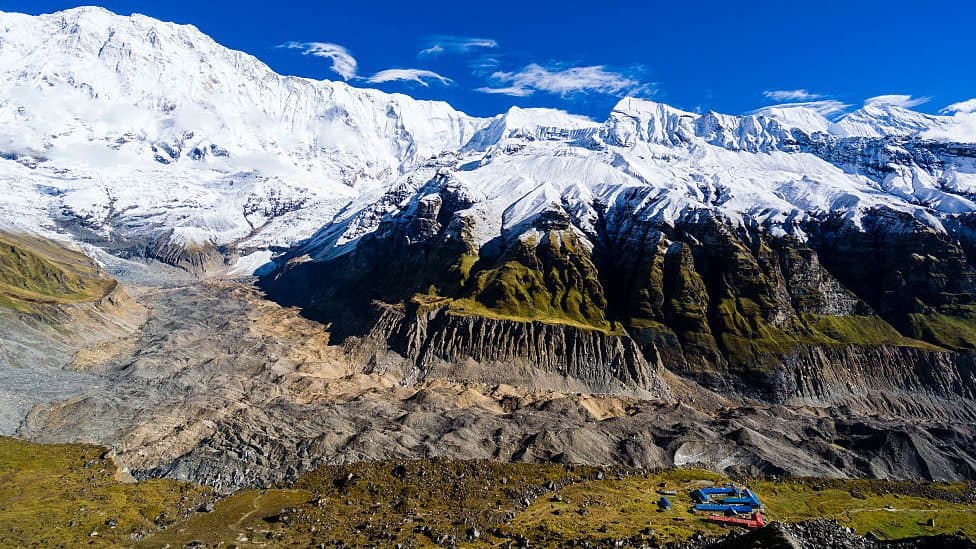
The study conducted by researchers at various institutions, including the Indian Institute of Technology, Indore, University of Utah, University of Dayton, and the International Centre for Integrated Mountain Development, investigates the long-term discharge flow of the Gangotri Glacier System (GGS). The GGS, located in the central Himalayas, is the pivotal source for the upper Ganga basin, contributing significantly to the Bhagirathi river.
Key Findings:
Research Purpose: The study titled “Hydrological Contributions of Snow and Glacier Melt from the Gangotri Glacier System and Their Climatic Controls Since 1980” aims to fill the gap in understanding long-term discharge dynamics and climatic drivers affecting GGS.
Methodology:
- Utilized a high-resolution glacio-hydrological model called Spatial Processes in Hydrology (SPHY).
- Combined this with the Indian Monsoon Data Assimilation and Analysis (IMDAA) dataset covering 1980-2020.
Discharge Characteristics:
- Maximum discharge occurs in summer months, peaking in July at 129 cubic metres per second.
- Mean annual discharge estimated at 28 ± 1.9 m³/s with snow melt (64%) as the primary contributor, followed by glacier melt (21%), rainfall-runoff (11%), and base flow (4%).
- A notable shift in discharge peak from August to July post-1990 attributed to decreased winter precipitation and increased melting in early summer.
Decadal Trends:
- The mean decadal discharge between 1991-2000 to 2001-2010 displayed a volumetric increase of 7.8%.
- Seasonal precipitation strongly correlates with mean annual discharge while summer temperatures significantly influence it.
Glacier Characteristics:
- The GGS includes several glaciers: Meru (7 km²), Raktavaran (30 km²), Chaturangi (75 km²), and the largest, Gangotri (140 km²).
- Total area of the GGS is 549 km², with about 48% glacierized, situated at elevations between 3,767 and 7,072 meters.
Climatic Insights:
- GGS is affected by winter precipitation from western disturbances and summer rains from the Indian monsoon.
- The average seasonal rainfall from May to October is approximately 260 mm, alongside an average temperature of 9.4°C for 2000-2003.
Recent Climate Events:
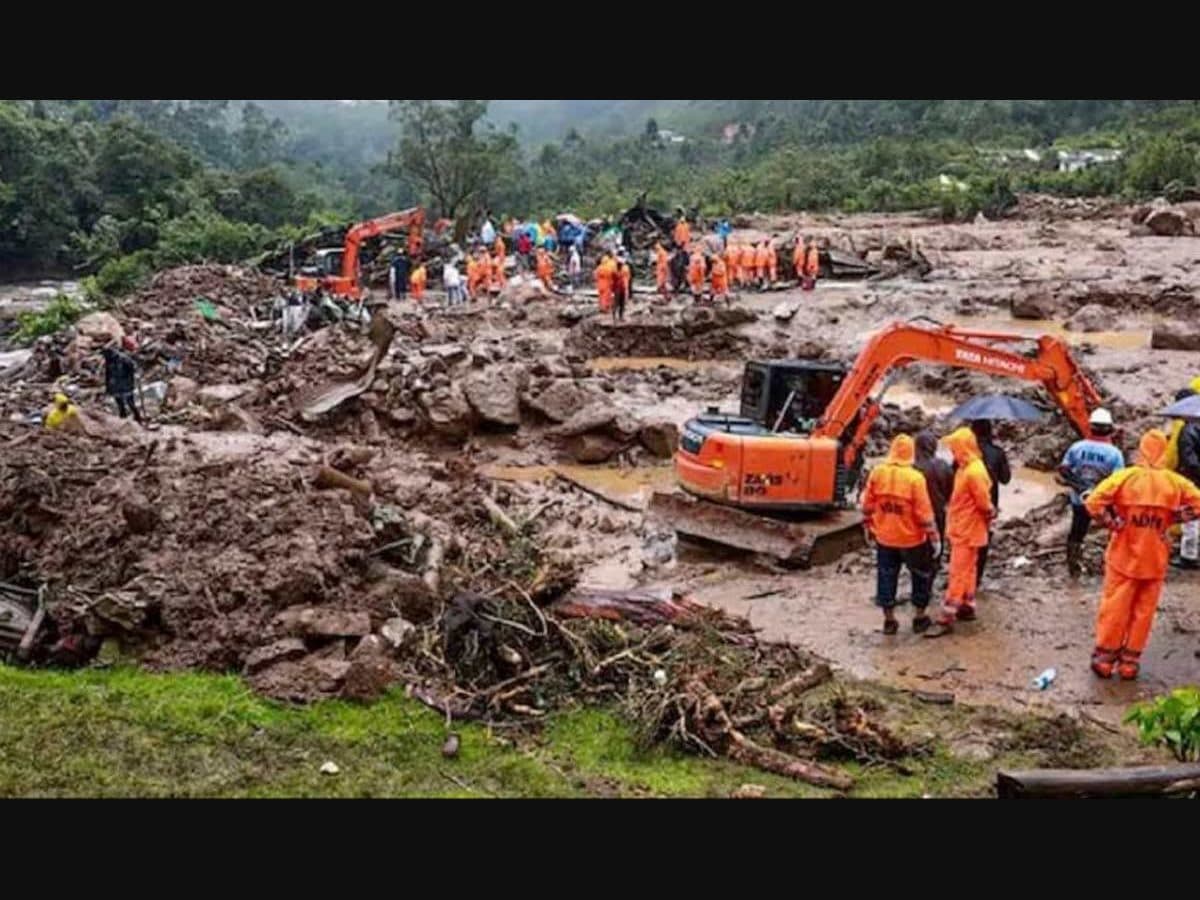
- The summer monsoon of the current year was notably intense, with a 25% increase in rainfall in north India, leading to severe floods.
- Incidents labeled by local authorities as ‘cloudburst’ lack a scientific basis, despite claims of weather extremes attributed to climate change.
Necessity for Monitoring: The paper emphasizes the crucial need for ongoing field monitoring and modeling to strengthen water resource management strategies in glacier-fed river basins, especially under the impacts of climate change.
Key Dates:
- Study Published: August 31, 2025
- Data Range: 1980-2020 for GGS discharge analysis.
Conclusion:
As climatic conditions continue to evolve, understanding the roles of snow and glacier melt in hydrology is critical. The insights from this research form a foundation for enhanced water resource management to adapt to the changing hydrological environment in the context of climate change.
Important Points:
- The Gangotri Glacier System is crucial for the hydrology of the upper Ganga basin.
- Shifts in hydrological patterns have been noted post-1990, particularly in discharge peaks.
- The study utilizes advanced modeling techniques, combining hydrological processes with climate datasets.
- There is an increasing trend in rainfall-runoff influenced by climate change.
- The findings underscore the urgent need for improved monitoring and water management strategies.
Key Terms & Concepts
| Gangotri Glacier System (GGS) | Source of upper Ganga water |
| Bhagirathi river | Receives water from GGS |
| Hindu Kush Himalaya (HKH) | Source of major river waters |
| Indian Institute of Technology | Research institution involved |
| International Centre for Integrated Mountain Development | Research collaboration |
| Journal of the Indian Society of Remote Sensing | Research publication outlet |
| Spatial Processes in Hydrology (SPHY) | Model used for analysis |
| Indian Monsoon Data Assimilation and Analysis (IMDAA) | Data used for study |
| Meru Glacier | One of GGS glaciers |
| Raktavaran Glacier | One of GGS glaciers |
| Chaturangi Glacier | One of GGS glaciers |
| Decadal discharge analysis | Method used in study |