iAspirants
Improving Higher Education Capacity in India
Published on:
Share this post

Article Summary
The article discusses the need for India to enhance its capacity for higher education enrollment, as emphasized by T.G. Sitharam, the Chairman of the All India Council for Technical Education (AICTE). This comes in light of the expected increase in students seeking higher education. Key points discussed during a two-day national conference titled "roadmap to VIKSIT Bharat" include the following:
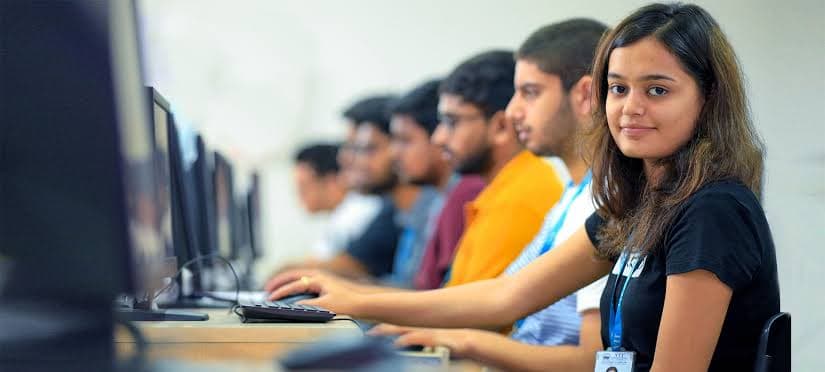
Gross Enrollment Ratio (GER): According to T.G. Sitharam, the GER in higher education rose from 11% in 2001 to 29% in 2025. The aim is to reach a GER of 50% by 2025 as part of the New Education Policy (NEP), which signifies a challenge to increase enrollment by an additional 21% in ten years.
Challenges in Capacity: There is an anticipated influx of two crore students each year into higher education, while the current infrastructure can only accommodate students up to a 30% GER. This highlights the urgent need for more universities and qualified teachers.
Historical Context: The article notes a successful rise in GER for elementary education, which reached 94% in 2015, contributing to a substantial enrollment of 26.5 crore students in school education. The transition of a significant number of these students to higher education poses further challenges.
Holistic Transformation: Sitharam calls for a comprehensive transformation of the higher education system, emphasizing that the NEP 2020 represents a significant shift. He underscores the necessity for students to gain experiences beyond traditional classroom settings, asserting that educational approaches must engage with industries to better prepare the future workforce.
Collaborative Engagement: There is a call for industries to invest in higher education by participating in teaching and engaging directly with students, thereby bridging the gap between academic institutions and industry requirements.
Key Participants: The conference featured several notable figures, including Member of Parliament Sudhanshu Trivedi, VIT Founder Chancellor G. Viswanathan, and VIT Vice President G. V. Selvam, indicating a collaborative approach toward these educational reforms.
This discussion is timely and aligns with India's broader educational goals under the NEP, reflecting a continuous commitment towards enhancing access and quality in higher education.
Important Points:
- The GER in higher education increased from 11% to 29% between 2001-2025.
- The target GER is 50% by 2025 as per the NEP.
- An influx of two crore students annually into higher education is expected, challenging existing capacity.
- The current system can only absorb students at a 30% GER.
- NEP 2020 signifies a pivotal change in educational strategy.
- Industries are urged to participate in educational engagement.
- The conference highlighted significant participation from educational leaders and policymakers.
Key Terms & Concepts
| AICTE | Higher education regulatory body |
| New Education Policy | Education reform framework |
| Gross Enrolment Ratio | Measure of student enrolment |
| VIKSIT Bharat | Program for national development |
| elementary education | Foundation for education system |