iAspirants
Current AffairsPrelims PYQsUPSC CSE SyllabusUPSC CSE StrategyBlogsPricing
Login
iAspirants

Your AI-powered companion for UPSC preparation.

Quick Links

  • Home
  • About Us
  • Current Affairs
  • Prelims PYQs
  • UPSC CSE Syllabus
  • UPSC CSE Strategy
  • Blogs

Company

  • Pricing
  • FAQs
  • Contact Us
  • Login

Legal

  • Privacy Policy
  • Terms & Conditions
  • Return Policy

© 2025 iAspirants, Inc. All rights reserved.

  1. Blogs
  2. International Relations

India and China Agree on Border Management

Published on: 27-Aug-2026

Source: The Hindu

Share this post

India and China Agree on Border Management

Article Summary

Summary of India-China Boundary Discussions

Background & Context:

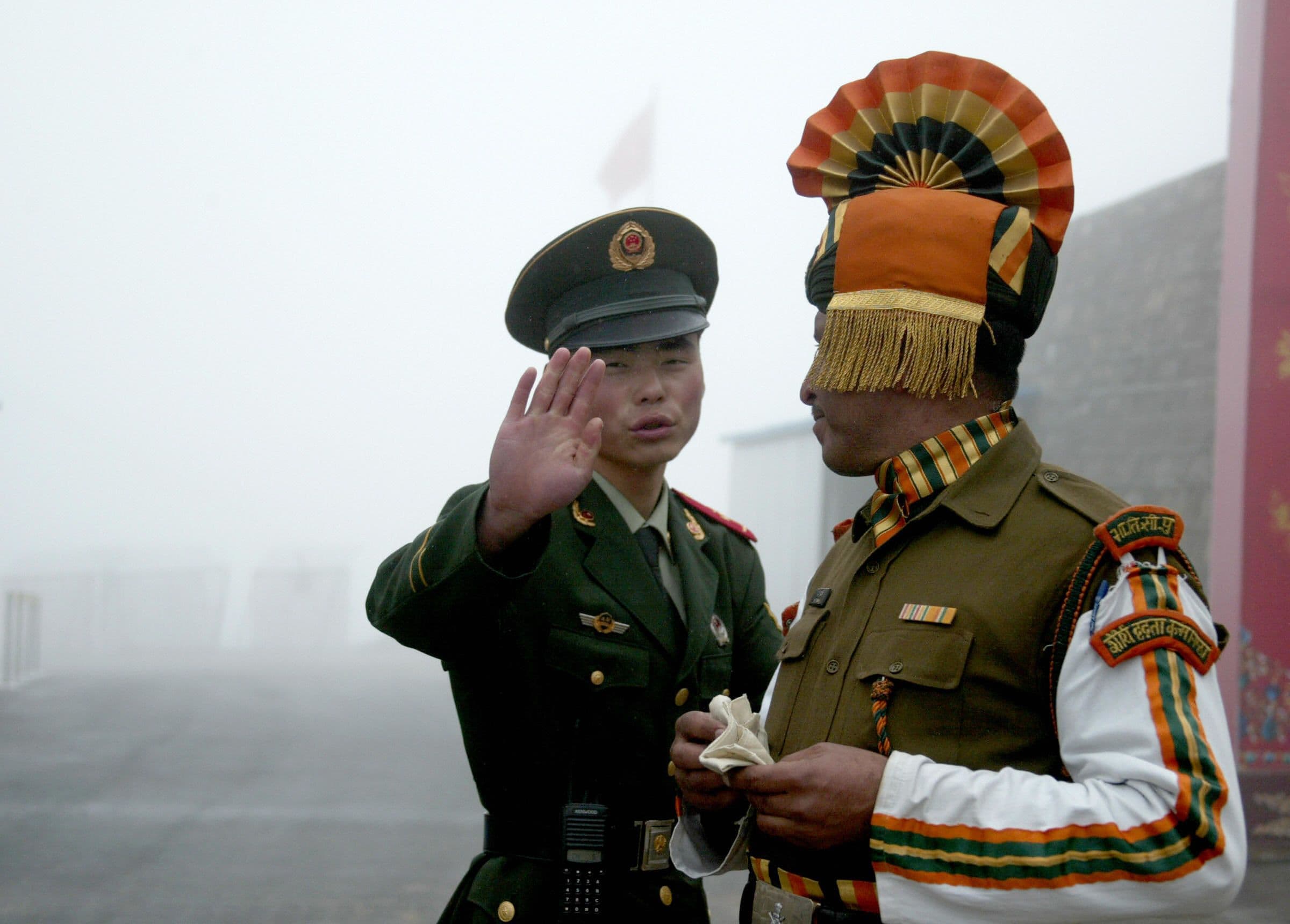
  • Recent talks between Special Representatives (SRs) on the boundary question resulted in substantial outcomes for managing the disputed borders between India and China.

Key Points from the Eight-Point Consensus:

  1. Boundary Delimitation: Both countries have agreed to further discussions on “an early and substantial harvest of boundary delimitation.”
  2. Trans-Border Rivers: A meeting of an expert-level mechanism on trans-border rivers will be held next month, focusing on hydrological data sharing—a point India has emphasized.
  3. Military Communication:
    • Two additional meetings for military commander discussions will be established.
    • New hotlines will be created for communication in the Eastern and Middle Sectors.

Diplomatic Engagement:

  • The visit of National Security Adviser Ajit Doval and China's Foreign Minister Wang Yi underscores ongoing efforts for peace along the Line of Actual Control (LAC).
  • The meeting took place ahead of the upcoming BRICS Summit, highlighting the importance both nations place on diplomatic relations.
  • Anticipation surrounds the expected visit of Chinese President Xi Jinping, marking his first visit to India in seven years.

Historical Agreements:

  • The engagement strategy follows the October 2024 meeting between Prime Minister Narendra Modi and President Xi, with further discussions in Tianjin in 2025, indicating a calibrated effort towards normalcy in relations.
  • The duo maintains stability via the dual tracks of SR meetings and the Working Mechanism for Consultation and Coordination on border affairs.

Constitutional Reference:

  • Both parties reaffirmed the 2005 agreement on Political Parameters and Guiding Principles, which serves as the framework for delineating the boundary as per Article 10 of the agreement.

Need for Transparency:

  • While tangible progress on the border dispute is encouraged, the lack of public visibility around the agreements could breed suspicion. It's crucial for both nations to maintain transparency with their respective populations as negotiations unfold.

Conclusion: Ongoing discussions and agreements indicate a robust diplomatic effort to normalize relations and manage border tensions effectively, but clarity and public confidence are key factors for sustaining this momentum.

Key Terms & Concepts

India-China Boundary AgreementFramework for boundary delimitation
2005 Political ParametersBasis for boundary negotiations
BRICS SummitUpcoming international meeting
Hotline ChannelsFacilitate communication
Trans-border Rivers MechanismExpert-level discussions
Line of Actual ControlDisputed border region
Expert-level mechanismManagement of rivers
NSA Ajit DovalFacilitator of talks
Foreign Minister Wang YiFacilitator of talks
Xi JinpingExpected visit after seven years
Prime Minister Narendra ModiUpcoming meeting with Xi
2024 MeetingInitiation of engagement efforts

Mind Map for UPSC Civil Services Revision

Turn UPSC Civil Services Current Affairs Into Exam-Ready Notes

Reading International Relations current affairs is half the work. Revise them with ready-made notes and test what actually stuck.

  • Daily UPSC Civil Services current affairs analysis
  • Revision notes, mind maps & MCQs
  • Prelims mock tests with instant results

Related UPSC Civil Services Current Affairs Articles

Navi Pillay Wins 2026 Nobel Peace Prize
National and International Importance11-Oct-2026

Navi Pillay Wins 2026 Nobel Peace Prize

Summary of Key Points from the Article on Navanethem 'Navi' Pillay Awarded Noble Peace Prize

Nobel Peace Prize Recognition:

  • Recipient: Navanethem ‘Navi’ Pillay awarded the 2026 Nobel Peace Prize.
  • Significance: Acknowledges her extensive contributions to international law and human rights over decades.
2025 Tianjin Meeting
Continued engagement momentum

Background:

  • Birth: 1941, Durban, South Africa.
  • Heritage: Tamil family; grandparents were indentured laborers from India.
  • Education: Studied law at the University of Natal; first female lawyer in the province (1967).
  • Apartheid Activism: Defended opponents of apartheid and fought for the rights of political prisoners.

Legal Career Milestones:

  • Robben Island Case (1973): Achieved the right to legal representation for inmates, including Nelson Mandela.
  • International Criminal Tribunal for Rwanda (1995-2003):
    • Delivered landmark rulings recognizing rape as a potential act of genocide and prosecuting media incitement to genocide.
  • Various High-Profile Positions:
    • Judge at the International Criminal Court (2003-08).
    • UN High Commissioner for Human Rights (2008-14).
    • Chair of the UN Commission on Inquiry on the Occupied Palestinian Territory (2021-25).
    • Currently serving as ad hoc judge in the ICJ genocide case against Myanmar.

Constitutional and Legal Impact:

  • Advocated for the equality clause in South Africa’s post-apartheid Constitution, highlighting the need for legal justice.
  • The Nobel Committee's recognition aims to emphasize the importance of international law amid rising power politics.

Recent Findings and Allegations:

  • The UN Commission under her detected reasonable grounds for genocide against Palestinians committed by Israel since October 2023, referencing the 1948 Genocide Convention.
  • Pillay articulated, “No crime, however grave, justifies genocide,” indicating her commitment to balanced justice.

Global Context:

  • The Nobel Committee's statement indicates concerns regarding the deterioration of international legal frameworks and the increasing prevalence of power politics.
  • Expresses distress over actions by superpowers, particularly the U.S., that threaten global peace and justice systems.

International Relations:

  • The Nobel Peace Prize coincides with escalating tensions involving the U.S. military actions in Venezuela and Iran, contributing to significant crises.
  • The award to Pillay serves as a counter-narrative to past honors given to leaders viewed as perpetuating breaches of international law.

Reactions:

  • U.S. political figures and Israeli officials expressed discontent over the recognition of Pillay, portraying it as a politicization of the Nobel Prize.

Conclusion:

Navanethem Pillay's Nobel Peace Prize highlights a pivotal acknowledgment of her lifelong quest for justice, underscoring the necessity of legal integrity in international relations amidst prevailing injustices and conflicts globally. Her work serves as an important reminder of the judiciary's role in upholding human rights and the rule of law.

Riyadh Airport Attack Leaves Casualties
International Relations11-Oct-2026

Riyadh Airport Attack Leaves Casualties

Summary of Key Events and Data Related to the Attack on Riyadh Airport

Incident Overview:

  • Date of Attack: October 10, 2026.
  • Location: King Khalid International Airport, Riyadh, Saudi Arabia.
  • Casualties: At least 12 people killed, over 309 injured.
    • Nationalities of the deceased:
      • 4 Saudi nationals
      • 2 Bangladeshis
      • 1 American
      • 1 Egyptian
      • 1 Jordanian
      • 1 Syrian
      • 1 Palestinian
      • 1 Sudanese

Operational Impact:

  • Airport Status: Operations suspended; passengers advised to verify flight statuses.
  • Response by Airlines: Qatar Airways canceled flights to/from Riyadh until October 11, 2026.
  • Damage Assessment: Preliminary property damage assessment ongoing.

Government and Coalition Responses:

  • The Saudi-led coalition described the attack as a “terrorist act” and a "full-blown war crime" under international humanitarian law.
  • They reported intercepting a Houthi-launched missile aimed at the airport, and confirmed operations targeting 136 Houthi positions.

U.S. and International Reaction:

  • U.S. Position: President Trump indicated a swift decision on potential U.S. involvement in strikes against the Houthis. The U.S. condemned the attacks on Saudi Arabia.
  • Military Actions:
    • The U.S. disabled a cargo vessel attempting to breach an ongoing blockade against Iran in the Gulf of Oman.

Related Maritime Incident:

  • A tanker was struck by a mine in the Strait of Hormuz, leading to a fire onboard but with the crew safely rescued by UAE authorities.

Regional Context:

  • The incident occurred amidst heightened tensions resulting from ongoing Saudi-led military operations against Houthi forces in Yemen.
  • Houthi Military Actions: More than 1,900 strikes on their positions reported by Yemen's armed forces.

International Law Context:

  • The Houthi attack has raised discussions around international humanitarian law, with major global powers emphasizing the necessity for maintaining peace and security in the region through compliance with such laws.

Conclusion:

The attack at Riyadh's airport highlights the significant security concerns linked to the ongoing conflict in Yemen, the responses by international actors, and the implications for regional stability. Key stakeholders are closely monitoring the situation, with potential international military and diplomatic repercussions.

Floods and Disasters in India
National and International Importance10-Oct-2026

Floods and Disasters in India

West Bengal Floods and Assam Landslides

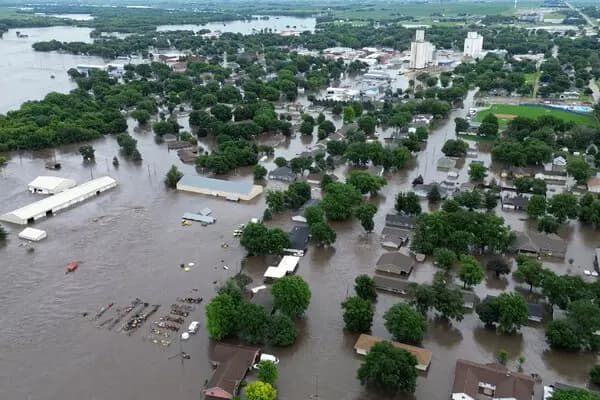
  • Impact: Fresh floods in Hooghly, Murshidabad, and Birbhum districts inundated over 50 villages.
  • Assam Landslides: Landslides between Haraipul and Lams-Hang towns disrupted train services.

Judicial Developments in Terrorism Cases

  • Breakthrough in Vaidya Assassination Case:
    • Two individuals were arrested in Connaught Place, linked to the assassins of General A S Vaidya and Congress (I) leader Lalit Maken.
    • These individuals facilitated the escape of wanted terrorists from India.

Road Safety and Accidents

  • Bus Accident in Uttar Pradesh:
    • A state transport bus fell about 70 feet from the new Ganga bridge at Jajmau, resulting in 57 fatalities.
    • Among the 55 injured, 10 are reported to be in critical condition.
    • The accident was caused by a collision with a truck.

Political Resignation in the United States

  • US State Department Resignation:
    • Bernard Kelb, Assistant Secretary of State for Public Affairs, resigned in opposition to the Reagan administration's disinformation campaign against Libyan leader Colonel Muammar Gaddafi.
    • This resignation adds to the growing criticisms of the administration’s credibility issues.

Key Takeaways

  • The recent floods and landslides illustrate the ongoing challenges with environmental disasters in India and their impact on communities.
  • The arrests related to high-profile assassinations reflect ongoing issues with terrorism and security management in the region.
  • Road safety remains a critical concern, highlighted by the tragic bus accident that resulted in numerous fatalities.
  • Political resignations, such as that of Bernard Kelb, indicate internal dissent over foreign policy strategies, emphasizing the complexity of diplomacy and public trust in government communications.

Exam Focus Areas

  • Environmental challenges in India (flooding and landslides).
  • Terrorism and national security cases.
  • Road safety and traffic regulations.
  • Political dynamics and foreign policy criticisms in the United States.
Escalating US-Iran Military Tensions
International Relations09-Oct-2026

Escalating US-Iran Military Tensions

Key Updates on US-Iran Relations and Military Developments

Military Readiness & Tensions

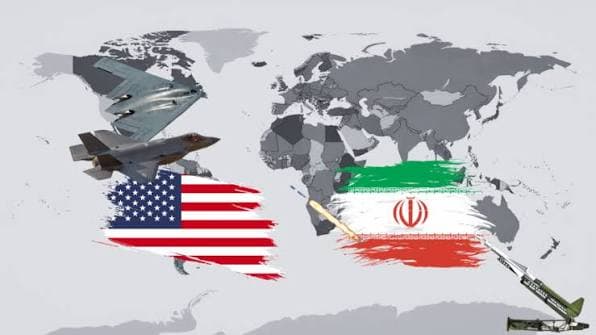
  • The US military is ordered to prepare for possible combat operations in Iran, with potential strikes before the US midterm elections on November 3, 2026.
  • Iran-backed Houthi forces have launched missile attacks on Riyadh, Saudi Arabia, resulting in the cancellation of nearly half the flights at King Khalid International Airport.
  • US President Donald Trump stated that discussions with Iran are ongoing and confirmed no military action will occur before the midterms.

Economic Impacts

  • Global stock markets have declined due to rising oil prices—oil prices increased by 4% amid concerns regarding the geopolitical situation. Brent crude futures rose to $104.28 and West Texas Intermediate to $91.49.
  • Congressman Ro Khanna raised concerns about the economic burden of the conflict, highlighting rising gas prices (over $4) and diesel prices (over $6), calling for lawmakers to reconsider the military engagement in Iran.

Sanctions and International Relations

  • The US imposed new sanctions on Iran, specifically targeting 17 vessels associated with Iran's oil exports, described as part of Iran's "shadow fleet".
  • The sanctions are meant to deplete Iran’s financial resources for military activities in the region, with Secretary of the Treasury Scott Bessent emphasizing ongoing pressure against Iranian entities.

Employment and Green Card Programs

  • The US government has suspended several prominent Indian IT firms, including Cognizant, TCS, Wipro, and HCL, from the Permanent Labor Certification Program over allegations of fraud related to employment practices.
  • Microsoft has also been implicated and suspended from green card applications.

Diplomatic Engagements

  • Russian President Vladimir Putin pledged to assist Iran in ending the ongoing conflict during discussions with Iranian leaders.
  • Iran's Defense Ministry claims sufficient military production capacity to sustain a prolonged conflict, citing a 2.5 times increase in weapon manufacturing amid the war.

Summary of Key Constitutional and Policy Insights

  • No specific constitutional articles or judicial rulings were mentioned directly, but the political dynamics and military orders indicate implications on executive powers related to military engagement.
  • The Trump administration's recent policy shifts may have ramifications on immigration laws relating to skilled workers, impacting bilateral relations with India.

Conclusion

The geopolitical landscape remains tense with significant military readiness from the US, heightened economic pressures from sanctions on Iran, and disruptions in international travel from the ongoing conflict. Diplomatic discussions continue amidst military tensions, suggesting potential future shifts in policy and engagement strategies.

Japan's Security Challenges and Regional Relations
International Relations09-Oct-2026

Japan's Security Challenges and Regional Relations

Japan's Security and Foreign Relations Overview

  1. Security Context:

    • Former Prime Minister Fumio Kishida describes Japan's current security scenario as the "most severe" since WWII.
    • Japan's defense policy aims to protect citizens while adhering to constitutional and international law, maintaining an exclusively defense-oriented posture.
  2. Defense Strategy:

    • Japan plans to strengthen defense capabilities amid complex security environments.
    • Cooperation with the U.S. remains central, alongside partnerships in the Indo-Pacific region.
    • Ongoing participation in the Malabar naval exercises with India as part of broader defense collaboration.
  3. China's Regional Activities:

    • Kishida highlights concerns over China's activities in the South China Sea, accusing it of instigating regional tensions through "large-scale land reclamation" and militarization.
    • Japan asserts the need for adherence to international law and opposes attempts to alter the status quo through coercion.
  • Bilateral Relations with India:

    • Kishida emphasizes the importance of Japan-India cooperation, designating India as an "irreplaceable partner" for achieving the Free and Open Indo-Pacific (FOIP).
    • The Industrial Value Chain Concept aims to enhance connectivity between India’s northeastern states and the Bay of Bengal.
    • Japan's development assistance includes projects focused on road connectivity, biodiversity conservation, water and sanitation, healthcare, and agriculture in northeastern India.
  • Regional Challenges in South Asia:

    • Calls for restoration of democracy in Myanmar and the need for a dignified return of displaced persons, referencing the Rohingya refugee crisis.
    • Japan urges Myanmar to stop violence and adhere to ASEAN’s Five-Point Consensus to work towards peace.
  • International Cooperation:

    • Kishida reaffirms the Quad grouping (Australia, India, Japan, U.S.) as a significant multilateral partnership in addressing Indo-Pacific security.
    • Japan consistently supports the rule of law at sea while urging cooperative resolutions to regional disputes.
  • Economic and Development Initiatives:

    • Japan's investment and developmental initiatives in South and Southeast Asia aimed at increasing connectivity, economic growth, and regional stability.
  • This outline encapsulates the strategic and diplomatic focus of Japan under the current security environment as articulated by Kishida, highlighting national policies, international partnerships, and regional challenges.