iAspirants
Current AffairsPrelims PYQsUPSC CSE SyllabusUPSC CSE StrategyBlogsPricing
Login
iAspirants

Your AI-powered companion for UPSC preparation.

Quick Links

  • Home
  • About Us
  • Current Affairs
  • Prelims PYQs
  • UPSC CSE Syllabus
  • UPSC CSE Strategy
  • Blogs

Company

  • Pricing
  • FAQs
  • Contact Us
  • Login

Legal

  • Privacy Policy
  • Terms & Conditions
  • Return Policy

© 2025 iAspirants, Inc. All rights reserved.

  1. Blogs
  2. International Relations

India and Poland Strengthen Strategic Partnership

Published on: 23-Oct-2026

Source: Indian Express

Share this post
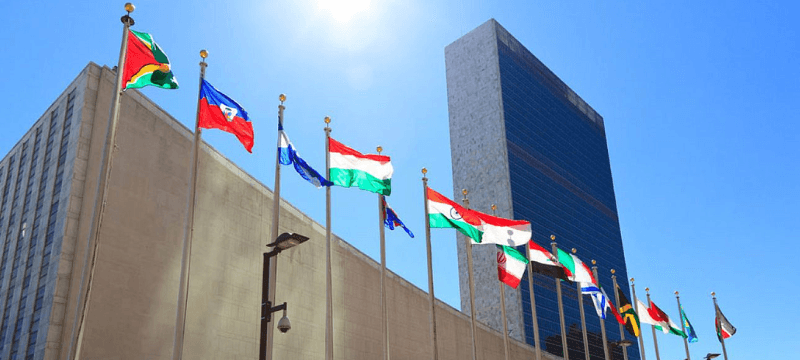
India and Poland Strengthen Strategic Partnership

Article Summary

Summary of India-Poland Strategic Partnership Meeting

Bilateral Relations

  • Meeting: Prime Minister Narendra Modi of India and Polish Prime Minister Donald Tusk discussed the deepening of strategic ties.
  • Key Focus Areas: Defence industry, space technology, digitization, nuclear energy, and counter-terrorism cooperation.

Economic Data

  • Bilateral Trade Growth: Increased from $1.95 billion in 2013 to $6.36 billion in 2025 (192% growth).
  • Bilateral Trade Target: Agreement to double trade by 2030.
  • GDP Figures: Poland's GDP surpassed $1 trillion; India recorded a growth rate of 7.8% in the last quarter.

Strategic Initiatives

  • Defence Agreements: Establishment of a defence industry dialogue aimed at fostering cooperation in drone technology and satellite imagery, critical for both nations amidst geopolitical tensions (notable usage in Ukraine and climate of tensions in South Asia).
  • Cultural Relations: Strengthening cooperation in culture, education, sports, and tourism, including the establishment of the Indian Studies Chair in Krakow.
  • Startup Initiatives: Launch of an India-Poland startup bridge focusing on areas like AI, cyber, fintech, and critical minerals.

International Context

  • Geopolitical Landscape: Acknowledgment of Poland's proximity to the conflict zones (Ukraine-Russia) and India's strategic alignment with Russia.
  • Mutual Support on Global Platforms: Discussions on India's role in proposing peace initiatives (e.g., ceasefire in the Black Sea region).

Science and Technology

  • Collaboration in Space: Shared goals in advancing the space sector referenced during talks, with a particular emphasis on joint missions and technological exchanges.
  • Education and Technology Initiatives: Plans for hackathons to boost collaboration and innovation among the youth from both countries.

Remarks and Significance

  • Mutual Respect and Acknowledgment: Tusk praised Modi's leadership amid global instability and emphasized mutual dependency for economic growth and stability in facing political threats (specifically mentions from China).

Government Schemes:

  • Emphasis on rural entrepreneurship through technology and advancing capabilities in biotechnology and advanced manufacturing via Polish investment.

International Agreements:

  • Highlighted the importance of the India-European Union Free Trade Agreement, further enhancing trade relations and opportunities.

These discussions embody a significant step towards bolstering not just bilateral relations but also shared geostrategic interests amid a changing global landscape. The partnership between India and Poland is set against a backdrop of increasing economic collaboration and technological advancements, further anchored by their geographic positions and strategic objectives.

Key Terms & Concepts

PolandStrategic partner in defense
IndiaStrategic partner in defense
Operation SindoorMilitary operation involving drones
Bilateral tradeIncreased by 192% since 2013
GDPPoland's GDP surpassed $1 trillion
7.8%India's growth rate last quarter
India-European Union Free Trade AgreementOpens new trade opportunities
Defence Industry dialogueNew initiative for cooperation
Counter-Terrorism dialogueNew initiative for cooperation
Sanskrit studies and IndologyCultural cooperation area
Start-up initiativePromoting technological partnership
Technology hackathonsYouth engagement in emerging tech

Mind Map for UPSC Civil Services Revision

Turn UPSC Civil Services Current Affairs Into Exam-Ready Notes

Reading International Relations current affairs is half the work. Revise them with ready-made notes and test what actually stuck.

  • Daily UPSC Civil Services current affairs analysis
  • Revision notes, mind maps & MCQs
  • Prelims mock tests with instant results

Related UPSC Civil Services Current Affairs Articles

India's Oil Imports and Geopolitical Dynamics
International Relations23-Oct-2026

India's Oil Imports and Geopolitical Dynamics

Key Facts & Data Overview

International Relations & Trade:

  • US-India Oil Relations: The US is urging India to increase imports of Venezuelan oil through Reliance Industries Ltd (RIL), which has the world's largest single-location refining complex in Jamnagar, Gujarat.
  • : He emphasized India's status as a "refining superpower" during his recent visit to RIL.
US Secretary of State Marco Rubio's Visit
  • Crude Oil Processing Capability: RIL's complex can process approximately 1.4 million barrels per day (bpd), making it suitable for refining Venezuela's heavy crude oil.
  • Oil Imports Data:

    • Venezuelan Oil Imports: India imported Venezuelan crude worth $3,585.6 million from April to August 2026. Reliance accounted for 74.3% of these imports.
    • Total Venezuelan Crude Purchase in September 2026: Peaked at 350,000 bpd in August, easing to 200,000 bpd in September.
    • Comparative Sources: Russia is currently the largest oil supplier to India, providing 1.9 million bpd in September 2026, accounting for over 35% of total oil imports.

    Economic Considerations:

    • Market Dynamics: The US aims to establish a market for Venezuelan oil, benefitting from Indian refining capacity, while India assesses purchases based on price, quality, and supply reliability.
    • Freight Costs: The freight cost to import Venezuelan crude to India is about $35 per barrel, which can erode the benefits of a $25 discount offered on the Merey grade crude.
    • Economic Rivalries: The competition from other oil supplies, particularly from the Gulf (Iraq), complicates the scenario for Venezuelan oil.

    Challenges:

    • Limitations on Imports: Technical capabilities and commercial viability limit the scale of additional Venezuelan crude imports. Refining capacity and economics play crucial roles.
    • Differing Quality of Crude: Venezuelan crude (Merey) is markedly different from Russian crude (Urals), complicating the substitution of one for the other.

    Strategic Implications:

    • US and Indian Strategies: US interests are to diversify energy sources and reduce global reliance on conflict-prone areas. Conversely, India's strategy considers maintaining a stable supply of crude despite pressures to reduce Russian imports.
    • Geopolitical Pressures: Experts suggest New Delhi should not link its Venezuelan imports to reducing purchases of Russian oil and must approach negotiations from a standpoint of diversification without compromising existing resources.

    Legal & Policy Insights:

    • Washington's Position: The US has waived potential tariffs on Russian oil imports, impacting ongoing negotiations between Washington and New Delhi while prioritizing stable fuel prices amid election pressures domestically.
    • Future Commitments: Experts advocate for India to clarify terms regarding supply reliability, investment obligations, and pricing before committing to increased Venezuelan imports under US pressure.

    Conclusion:

    India's role as an emerging refining powerhouse presents both opportunities and challenges, particularly in balancing international relations regarding oil imports from Venezuela and Russia. The intricate web of price, logistics, and geopolitical strategy defines current discussions, with careful navigation required to optimize India's energy security.

    India's Stance on SCO Terrorism Issues
    International Relations22-Oct-2026

    India's Stance on SCO Terrorism Issues

    Summary of Key Points from Defence Minister Rajnath Singh’s Address at the SCO Council of Heads of Government Meeting:

    1. Context: The meeting took place in Tajikistan with a focus on regional security and terrorism, particularly concerning cross-border terrorism attributed to Pakistan.

    2. Terrorism as a Core Issue:

      • Singh emphasized that meaningful regional cooperation cannot flourish if terrorist threats are addressed selectively by member states.
      • He called for dismantling the terrorist infrastructure, insisting that the threat must be addressed at its source.
    3. India's Stance:

      • India previously refused to endorse a joint statement at the 2025 SCO Defence Ministers' Meeting in Qingdao, China, due to concerns over its portrayal of terrorism—particularly that implicated Pakistan without addressing Indian concerns about attacks such as the Pahalgam attack in 2025.
      • India's consistent position is that terrorism cannot be dissociated from broader peace and development agendas.
    4. SCO's Role:

      • The Shanghai Cooperation Organization (SCO) has the potential to foster regional stability, trade, and connectivity.
      • However, the effectiveness of the SCO is hindered by political disagreements, which prevent a unified approach to security threats.
    5. Economic Connectivity:

      • Singh highlighted the importance of economic corridors, such as the International North-South Transport Corridor and Chabahar Port, for enhancing links between Central Asia and global markets.
      • Long-term benefits from these projects require respect for sovereignty, territorial integrity, and conditions conducive to the free movement of goods, capital, and people.
    6. Practical Cooperation against Terrorism:

      • The SCO must move from commitment to action by fostering cooperation in areas such as intelligence-sharing, disrupting terror financing, and denying safe havens to terrorist groups.
      • India is poised to play a leadership role in pushing for regional cooperation in countering terrorism.
    7. Diplomatic Context:

      • Ishaq Dar's presence at the meeting underlined India's ongoing diplomatic challenges within the SCO, where member countries hold divergent strategic interests and security priorities.

    This address underscores India's strategic focus on combating terrorism while promoting regional development and economic integration, aiming to stabilize security partnerships within the SCO framework.

    US-Waived Sanctions Impact Trade Deal
    International Relations22-Oct-2026

    US-Waived Sanctions Impact Trade Deal

    Summary of Key Facts and Developments

    International Trade and Diplomacy:

    • India-US Trade Deal: U.S. Secretary of State Marco Rubio indicated that recent sanctions waivers related to Russian oil were partly designed to facilitate an impending trade deal with India.
    • Sanctions Waivers: The waivers were discussed considering global supply chains, energy prices, and the United States' foreign policy, especially concerning its relationship with India.
    • Upcoming Diplomatic Meetings: Rubio is set to hold discussions with Indian External Affairs Minister S. Jaishankar, with the potential for significant trade alignments.

    Economic Indicators:

    • Diesel Prices: As of October 12, 2026, the average price of diesel in the U.S. reached $6.18 per gallon, a notable increase from $3.48 at the year's start.
    • Inflation Rates: The U.S. annual inflation rate stood at 3.7% as of September, influenced by rising fuel costs. The Consumer Price Index increased by 0.6% in September.
    • India's Inflation: In September 2026, India's retail inflation rose to 5.54%, up from 4.83% in August. Food inflation saw an increase to 7.74%, driven by essential items like onions and garlic.
    Iran's Stance on Nuclear Materials
    International Relations21-Oct-2026

    Iran's Stance on Nuclear Materials

    Summary of Iran-Pakistan Nuclear Discussions and Diplomatic Tensions

    1. Nuclear Material Policy:

    • Iran's Secretary of the Supreme National Security Council, Mohsen Rezaei, asserted that no enriched nuclear material will leave the country, reinforcing it as a significant national asset.

    2. Diplomatic Stalemate:

    • Rezaei emphasized that negotiations with the U.S. are contingent upon the fulfillment of Iran's conditions, which include the lifting of sanctions and guarantees against military action.
    • Iranian President Masoud Pezeshkian and Parliament Speaker Mohammad Bagher Ghalibaf both reiterated the necessity of removing threats and sanctions before engaging in talks.

    3. Context of Tensions:

    • Relations have soured following the U.S. and Israel's surprise military actions against Iran, which occurred while diplomatic discussions regarding Iran’s nuclear program were occurring.
    • A previously agreed memorandum of understanding in June aimed at establishing a conflict resolution framework has faltered, leading to a deadlock in negotiations.

    4. International Agreements and Conditions:

    • Iran demands a ceasefire across West Asia, the unfreezing of its international assets, and the lifting of oil sector sanctions as prerequisites for negotiations.
    • The U.S. and its allies have imposed sanctions on Iran, alleging attempts to develop nuclear weapons, which Iran denies.

    5. Enrichment Levels:

    • Iran has enriched uranium to 60%, near the 90% threshold required for nuclear weapons, but has indicated a willingness to consider dilution of these materials domestically rather than export.

    6. Implications of Military Maneuvers:

    • Iran’s leadership has suggested that military threats will not sway its strategic decisions, aiming to project strength in negotiations.

    7. Global Context:

    • Recent indirect talks at the UN General Assembly between the U.S. and Iran have not resulted in significant progress, reflecting ongoing diplomatic challenges amidst heightened tensions in the West Asia region.

    Key Takeaways:

    • The situation underscores critical international relations and security dynamics, particularly surrounding nuclear non-proliferation and the geopolitical landscape in West Asia.
    • It reflects the broader implications of military engagement, sanctions policies, and the complexity of trust-building in diplomatic negotiations.

    Government Policies and Commitments:

    • Energy Security: The Indian Ministry of External Affairs emphasized a commitment to energy security through diversified sourcing, aligned with market dynamics.
    • G20 Joint Statement: Recently, India and other G20 nations reaffirmed their commitment to address structural overcapacity in specific sectors, including vehicles and semiconductors, signifying a collaborative approach to international trade issues.

    Legislative Actions:

    • Forced Labor Imports: Following the U.S. Section 301 investigation, India has enacted a ban on imports that are associated with forced labor practices.

    Global Developments:

    • FAO Food Price Index: The FAO food price index showed a 5.8% increase, reflecting rising international food prices, which may have implications for both U.S. and Indian markets.

    Context of U.S. Midterm Elections:

    • The economic situation, particularly high fuel prices and inflation, is becoming a focal point in the upcoming U.S. midterm elections, impacting Republican electoral prospects.

    Conclusion

    Ongoing diplomatic engagements between India and the U.S. are crucial in light of international sanctions on Russia, economic pressures such as inflation, and policies aimed at enhancing trade relations. The convergence of these economic and policy issues underscores the complexity of contemporary international relations and trade agreements.