iAspirants
India's Oil Imports and Geopolitical Dynamics
Published on:
Source: Indian Express
Share this post
Article Summary
Key Facts & Data Overview
International Relations & Trade:
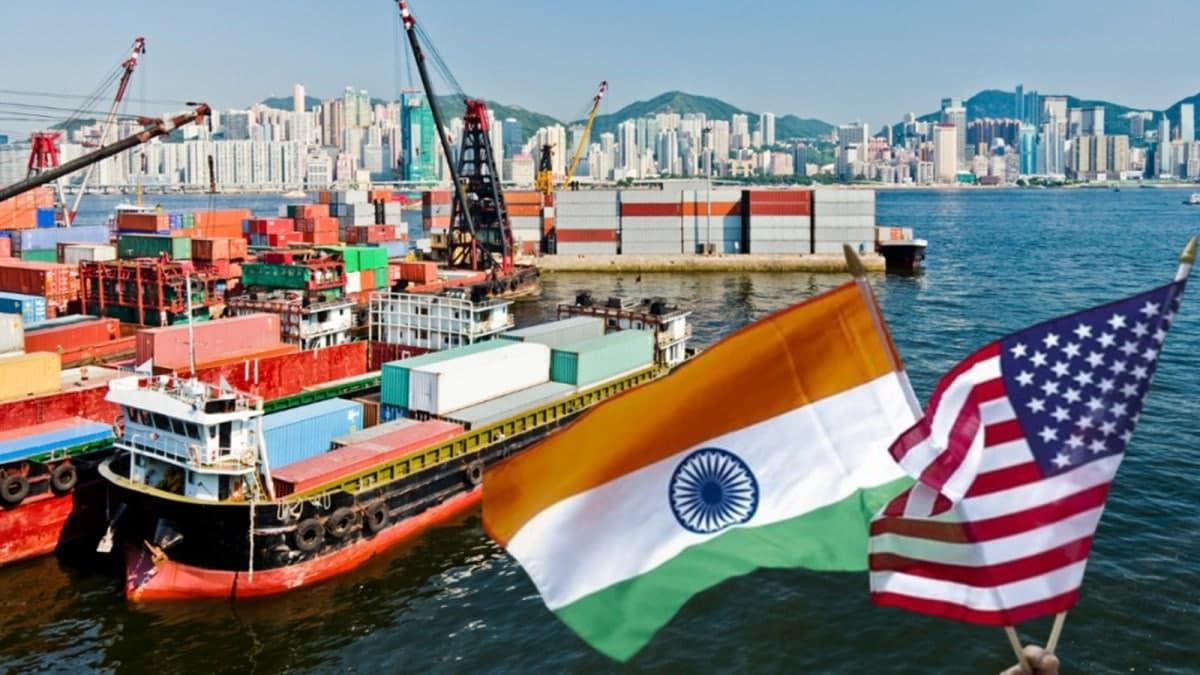
- US-India Oil Relations: The US is urging India to increase imports of Venezuelan oil through Reliance Industries Ltd (RIL), which has the world's largest single-location refining complex in Jamnagar, Gujarat.
- US Secretary of State Marco Rubio's Visit: He emphasized India's status as a "refining superpower" during his recent visit to RIL.
- Crude Oil Processing Capability: RIL's complex can process approximately 1.4 million barrels per day (bpd), making it suitable for refining Venezuela's heavy crude oil.
Oil Imports Data:
- Venezuelan Oil Imports: India imported Venezuelan crude worth $3,585.6 million from April to August 2026. Reliance accounted for 74.3% of these imports.
- Total Venezuelan Crude Purchase in September 2026: Peaked at 350,000 bpd in August, easing to 200,000 bpd in September.
- Comparative Sources: Russia is currently the largest oil supplier to India, providing 1.9 million bpd in September 2026, accounting for over 35% of total oil imports.
Economic Considerations:
- Market Dynamics: The US aims to establish a market for Venezuelan oil, benefitting from Indian refining capacity, while India assesses purchases based on price, quality, and supply reliability.
- Freight Costs: The freight cost to import Venezuelan crude to India is about $35 per barrel, which can erode the benefits of a $25 discount offered on the Merey grade crude.
- Economic Rivalries: The competition from other oil supplies, particularly from the Gulf (Iraq), complicates the scenario for Venezuelan oil.
Challenges:
- Limitations on Imports: Technical capabilities and commercial viability limit the scale of additional Venezuelan crude imports. Refining capacity and economics play crucial roles.
- Differing Quality of Crude: Venezuelan crude (Merey) is markedly different from Russian crude (Urals), complicating the substitution of one for the other.
Strategic Implications:
- US and Indian Strategies: US interests are to diversify energy sources and reduce global reliance on conflict-prone areas. Conversely, India's strategy considers maintaining a stable supply of crude despite pressures to reduce Russian imports.
- Geopolitical Pressures: Experts suggest New Delhi should not link its Venezuelan imports to reducing purchases of Russian oil and must approach negotiations from a standpoint of diversification without compromising existing resources.
Legal & Policy Insights:
- Washington's Position: The US has waived potential tariffs on Russian oil imports, impacting ongoing negotiations between Washington and New Delhi while prioritizing stable fuel prices amid election pressures domestically.
- Future Commitments: Experts advocate for India to clarify terms regarding supply reliability, investment obligations, and pricing before committing to increased Venezuelan imports under US pressure.
Conclusion:
India's role as an emerging refining powerhouse presents both opportunities and challenges, particularly in balancing international relations regarding oil imports from Venezuela and Russia. The intricate web of price, logistics, and geopolitical strategy defines current discussions, with careful navigation required to optimize India's energy security.
Key Terms & Concepts
| Reliance Industries Ltd (RIL) | Largest single-location refinery |
| Venezuelan oil | Target for increased imports |
| US Secretary of State Marco Rubio | Advocate for oil trade increase |
| 1.4 million barrels per day | Refining capacity at Jamnagar |
| 350,000 bpd | Peak Venezuelan imports (August 2026) |
| $3,585.6 million | Venezuelan crude imports value (April–August 2026) |
| Urals crude | Russian oil type |
| $25 per barrel | Discount on Merey grade crude |
| October 2026 | Date of report |
| GTRI | Think tank commenting on trade |
| 2.8 million bpd | High Russian imports (July 2026) |
| 35% | Percentage of Russian oil in imports (September 2026) |