iAspirants
Current AffairsPrelims PYQsUPSC CSE SyllabusUPSC CSE StrategyBlogsPricing
Login
iAspirants

Your AI-powered companion for UPSC preparation.

Quick Links

  • Home
  • About Us
  • Current Affairs
  • Prelims PYQs
  • UPSC CSE Syllabus
  • UPSC CSE Strategy
  • Blogs

Company

  • Pricing
  • FAQs
  • Contact Us
  • Login

Legal

  • Privacy Policy
  • Terms & Conditions
  • Return Policy

© 2025 iAspirants, Inc. All rights reserved.

  1. Blogs
  2. International Relations

India-China Boundary Talks Insights

Published on: 03-Sep-2026

Share this post

India-China Boundary Talks Insights

Article Summary

Summary of India-China Boundary Negotiations and Relevant Agreements

Context

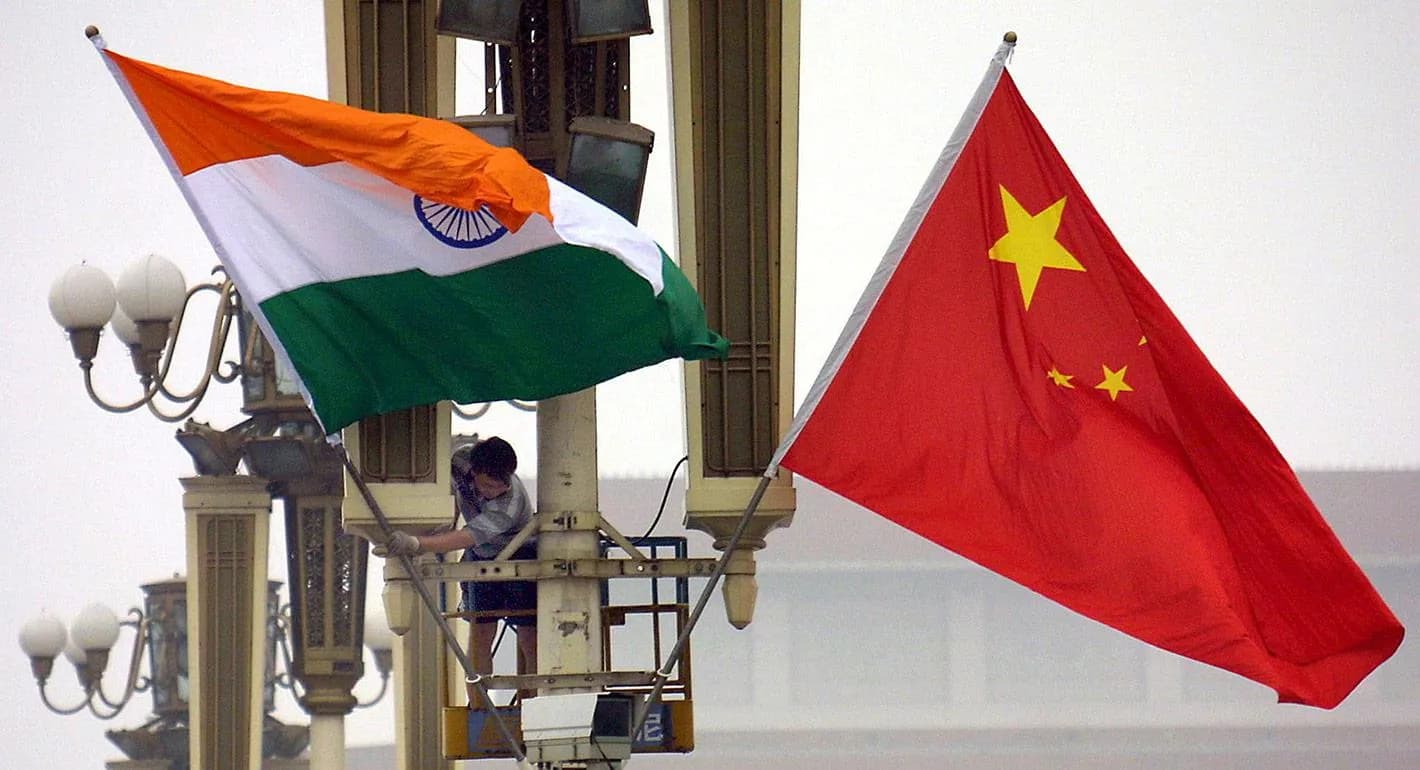
  • On August 25, 2026, National Security Adviser Ajit Doval and China’s Foreign Minister Wang Yi conducted the 25th round of discussions regarding the India-China boundary issue in Beijing.

Key Outcomes

  1. Eight Points of Outcomes and Consensus:

    • Document includes a commitment to advance discussions on “Early and Substantial Harvest” of boundary delimitation and border management.
    • Establishment of an Expert Group on Boundary Delimitation and a Working Group on Border Management under the Working Mechanism for Consultation and Coordination (WMCC).
  2. Historical Reference in Negotiations:

    • The term "Early and Substantial Harvest" was introduced by India in 2019 during discussions involving Sikkim and the Middle Sector boundary.
  3. Territorial Claims:

    • India maintains claims over approximately 2,450 sq km in the Middle Sector, which includes areas like Barahoti and Lapthal.
    • Previous dialogues proposed settlement focused only on Sikkim, which India rejected.

Constitutional and Legal Framework

  • Article III of the 2005 Agreement on Political Parameters and Guiding Principles stipulates a package settlement covering all sectors of the India-China boundary.
  • The boundary is anchored in the Anglo-Chinese Convention of 1890, which presents interpretative challenges as it contains contradictory clauses regarding the boundary alignment.

Strategic Implications

  • A piecemeal settlement may reinforce China's territorial gains while compromising Indian negotiating positions.
  • Settlements on trijunctions may impact India’s bargaining power with Bhutan and influence China’s proposals to Bhutan, particularly regarding the Doklam Plateau.

Risk Factors

  • Infrastructure projects like China’s hydropower plant in Medog County near the India-China border raise concerns about regional stability, particularly in seismic zones due to nuclear potential.

Required Measures for Genuine Progress

  1. Adherent application of delineation based solely on the highest-watershed principles.
  2. Clear exclusion of trijunction points from Expert Group mandates, to be resolved in consultation with involved countries.
  3. Renewal and good-faith extension of India's 2019 proposals to maintain strong negotiation stance.

Points of Continued Discussion

  • Discussions highlighted the need for additional meetings and hotlines to facilitate communication on border issues and pilgrimages.
  • Emphasis on maintaining dialogue concerning trans-border river projects without conflating them with boundary negotiations.

Conclusion

  • The negotiations underline the complexities nested in the historical, socio-political context between India and China. The strategic interplay of boundaries will necessitate an alignment with both domestic interests and international treaties to navigate future developments effectively.

Important Articles and Agreements

  • 2005 Agreement on Political Parameters and Guiding Principles for Settlement: A critical framework for managing India-China boundary discussions.
  • Anglo-Chinese Convention of 1890: Legal reference for boundary discussions, highlighting discrepancies complicating the negotiations.

This structured overview translates complex negotiations into key actionable insights, focusing on relevant legal frameworks, historical context, and strategic imperatives.

Key Terms & Concepts

Eight Points of Outcomes and ConsensusAgreements on boundary discussions
Early and Substantial HarvestNegotiation term for boundaries
2005 Agreement on Political Parameters and Guiding PrinciplesFramework for boundary settlement
Anglo-Chinese Convention of 1890Historical reference for boundaries
Barahoti, Giu-Kaurik, Nilang-Jadhang, Sangcha Malla, LapthalTerritorial claims in Middle Sector
Doklam PlateauStrategic location in boundary negotiations
trans-border riversIssues for ongoing communication
Yarlung Tsangpo RiverSite of major hydropower project
495 sq km and 269 sq kmTerritory exchange proposal with Bhutan
Sikkim SectorArea of boundary dispute

Mind Map for UPSC Civil Services Revision

Turn UPSC Civil Services Current Affairs Into Exam-Ready Notes

Reading International Relations current affairs is half the work. Revise them with ready-made notes and test what actually stuck.

  • Daily UPSC Civil Services current affairs analysis
  • Revision notes, mind maps & MCQs
  • Prelims mock tests with instant results

Related UPSC Civil Services Current Affairs Articles

International Warnings from Himalayan Disasters
Environment and Ecology02-Sep-2026

International Warnings from Himalayan Disasters

Summary Notes:

  1. Diplomacy and Conflict Resolution:

    • Prime Minister Narendra Modi emphasized the need to shift from an “endless war” to an “end of war,” promoting dialogue and diplomacy as essential means for resolving international conflicts. This highlights India's stance on international relations, encouraging diplomatic negotiations over military solutions.
  • Himalayan Disasters and Ecological Concerns:

    • The ongoing ecological challenges in the Himalayan region, highlighted by recent disasters in Nepal, emphasize the fragile geological characteristics of the area.
    • Past disasters (e.g., the 2013 Uttarakhand disaster, 2021 Chamoli tragedy) illustrate a repetitive governmental response pattern of compensation and temporary committees without substantial preventive measures or long-term planning.
    • Current scientific investigations are focusing on the implications of high-altitude rock-and-ice avalanches and the impact of climate change on glacier melting in the Himalayas.
    • The need for reevaluating development models is underscored; a greater emphasis on ecological assessments for infrastructure projects is recommended.
  • Local Community Engagement:

    • It is essential to involve local communities as active stakeholders in the development process rather than as mere recipients of compensation after disasters.
  • Development vs. Ecological Cost:

    • The debate on development priorities continues, where rapid developments such as highways and tunnels may incur significant ecological costs.
    • There is a growing concern that the region is becoming economically reliant on tourism and construction, which may lead to unsustainable practices.
  • Economic Implications:

    • Infrastructure projects must consider cumulative ecological impacts and not merely the immediate benefits of increased traffic and connectivity.
    • The discussion encourages local economies to diversify beyond construction, contracting, and real estate to ensure sustainable development.
  • International Recognition:

    • The recognition of ecological and geological fragility in the Himalayas presents the opportunity for international collaboration on environmental protection and disaster preparedness initiatives.
  • Future Implications:

    • The overarching lesson from recent disasters is the pressing need for reflective and precautionary approaches to development, particularly in ecologically sensitive regions like the Himalayas.
    • Continuous monitoring of the ecological situation and rigorous planning may safeguard communities and the environment from foreseeable future disasters.
  • This synthesis illustrates critical themes emerging from the recent discourse on international relations and environmental challenges that have implications for policy, development, and community engagement in India and the broader Himalayan region.

    China Supports India's UN Security Council Candidature
    International Relations31-Aug-2026

    China Supports India's UN Security Council Candidature

    Summary of Key Points:

    1. Diplomatic Developments:

      • Chinese Ambassador-designate, Mr. Chen Chao Yusu, to arrive in New Delhi within two weeks.
      • Expected to present credentials before October 1 for the national day reception at the Chinese Embassy.
    2. International Relations:

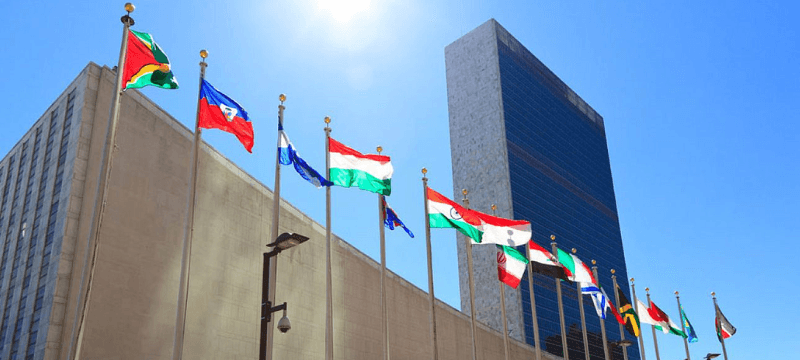
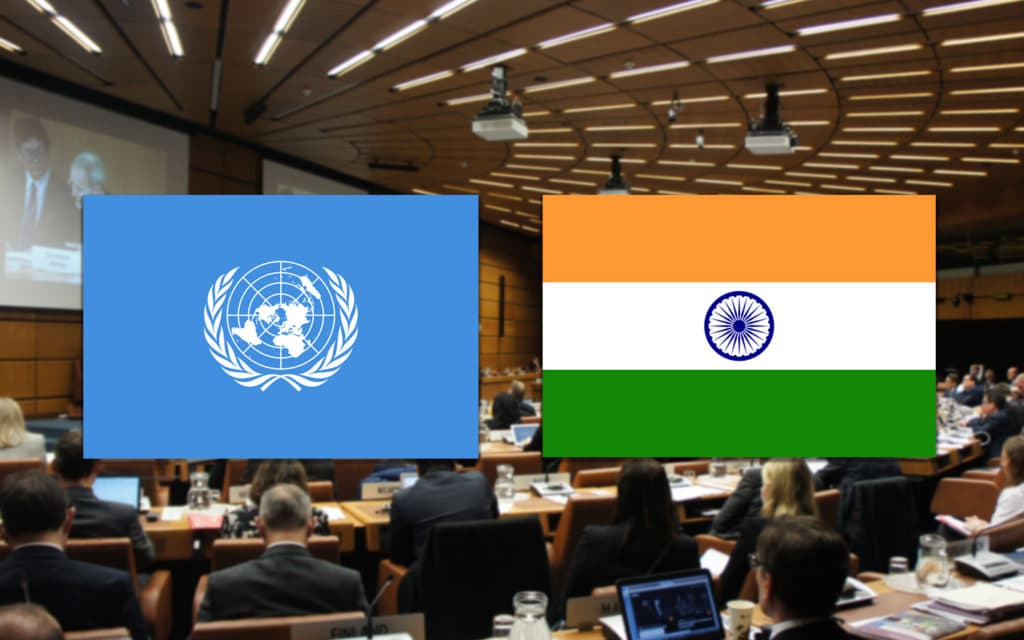
      • China supports India's candidature for one of the two Asian seats on the UN Security Council, vacated by Japan upon completion of its term.
      • This support aligns China with the Asian Group in the UN, which includes 34 member countries.
    3. Asian Group Meeting:

      • The meeting held on August 16 in New York was chaired by the representative from Bangladesh.
      • Japan proposed India's nomination, which was supported by the Asian Group members, leading to the withdrawal of competing nominations from the Philippines and Mongolia.
    4. Formal Notification:

      • The Chairman of the Asian Group has officially notified other regional groups regarding India's nomination for the Security Council seat.
    5. Constitutional and International Framework:

      • The support for India's nomination reflects India's growing role in international diplomacy and aligns with Article 27 of the UN Charter, which deals with the voting procedures of the Security Council.
    6. Significance of the Appointment:

      • Restoration of Ambassador-level representation signifies a potential thaw in India-China relations, which have faced tensions in recent years.
    7. Future Implications:

      • India's potential seat on the UN Security Council could enhance its influence in international decision-making and reinforce its position on global issues, including security, climate change, and economic development.

    This summary captures the essential facts and developments regarding India's nomination for a UN Security Council seat and the associated diplomatic activities, reflecting the importance of international diplomacy and India's role in global governance.

    UN Committee Reviews India's Discrimination Issues
    National and International Importance31-Aug-2026

    UN Committee Reviews India's Discrimination Issues

    • International Commitments: India ratified the International Convention on the Elimination of All Forms of Racial Discrimination in 1968.

    • Concerns from U.N. CERD: In its first review since 2007, the U.N. Committee on the Elimination of Racial Discrimination (CERD) expressed "grave concern" regarding:

      • Violence Against Minorities: Reports of law enforcement using violence against minority ethnic groups, Dalits, and non-citizens.
      • Caste Discrimination: The Indian government's assertion that caste bias does not fall under Article 1 of the convention has been countered by CERD, which recognizes various forms of discrimination based on inherited status.
    • Legal Framework Issues:

      • Concerns about the practice of manual cleaning of sewers despite existing legislation banning it.
      • The absence of explicit criminalization of racist hate speech under the Bharatiya Nyaya Sanhita.
      • The Forest (Conservation) Amendment Act, which allows exemptions for "national security" projects from consultative decision-making processes.
  • Rights of Rohingya Muslims: Issues surrounding poor living conditions, hate speech, and mass refoulement of Rohingya Muslims were highlighted.

  • Census and Data Issues:

    • The delay in conducting a Census and slow release of NCRB data has hindered independent checks on India’s claims regarding caste- and faith-based discrimination.
    • The government’s reliance on 2011 Census data could obscure the socio-economic regression of Scheduled Tribes and Adivasis.
  • Recommendations for Improvement:

    • Restoration of National Human Rights Commission (NHRC) independence.
    • Criminalization of hate speech.
    • Supportive affirmative action measures.
    • Collection and publication of disaggregated data.
    • Improvement of transparency regarding electoral roll revisions.
  • Government's Stance:

    • The government attempted to classify the issues affecting 200 million Dalits as domestic matters to circumvent international accountability.
    • Dismissal of CERD’s concerns as politically motivated suggests a trend towards minimizing international oversight on human rights issues.
  • Civil Society Role: The responsibility for advocacy and maintaining pressure on the government has largely fallen to civil society groups, especially in multilateral platforms to address discrimination practices.

  • Legislative Tools Cited:

    • FCRA: Foreign Contribution Regulation Act.
    • UAPA: Unlawful Activities (Prevention) Act.
    • AFSPA: Armed Forces Special Powers Act.
    • PMLA: Prevention of Money Laundering Act.
  • These issues reinforce the ongoing challenges facing India in addressing discrimination and protecting the rights of marginalized communities, alongside the need for greater transparency and accountability in governance.