iAspirants
Current AffairsPrelims PYQsUPSC CSE SyllabusUPSC CSE StrategyBlogsPricing
Login
iAspirants
Current AffairsPrelims PYQsUPSC CSE SyllabusUPSC CSE StrategyBlogsPricingContact UsLoginSignUp
iAspirants

Your AI-powered companion for UPSC preparation.

Study Resources

  • Current Affairs
  • Prelims PYQs
  • UPSC CSE Syllabus
  • UPSC CSE Strategy
  • Blogs

Practice & Plans

  • Mains Answer Evaluation
  • Pricing
  • Sign Up
  • Login

Company

  • Home
  • About Us
  • Contact Us
  • FAQs

Legal

  • Privacy Policy
  • Terms & Conditions
  • Return Policy

© 2026 iAspirants, Inc. All rights reserved.

  1. Blogs
  2. Science and Technology

India Hosts SEMICON India 2026 Event

Published on: 18-Aug-2026

Source: PIB

Share this post

India Hosts SEMICON India 2026 Event

Article Summary

SEMICON India 2026 Overview

Event Details:

  • Name: SEMICON India 2026
  • Date: 17th – 19th September 2026
  • Location: Yashobhoomi (India International Convention and Expo Centre), New Delhi
  • Inauguration: By Prime Minister Narendra Modi

Significance:

  • Marks a milestone in India's semiconductor sector, promoting collaboration among global stakeholders.
  • Supports India's vision of becoming a trusted global hub for semiconductor and electronics manufacturing under the India Semiconductor Mission (ISM).

Government Initiatives & Schemes

  • India Semiconductor Mission (ISM): Aims to build a robust semiconductor ecosystem.
  • Semicon India Programme: Twelve projects approved under Semicon 1.0 to enhance semiconductor infrastructure.
  • Semicon 2.0: Recently approved by the Union Cabinet to accelerate semiconductor development, focusing on six major pillars.
  • Design Linked Incentive (DLI) Scheme: 24 start-ups approved to foster innovation in critical applications.
  • Support for Education: Over 332 academic institutions and 105 start-ups equipped with state-of-the-art design tools.

Economic Data

  • Projected global semiconductor market growth from $1 trillion to $2 trillion.
  • India's semiconductor market expected to grow from $100 billion to $200 billion.

Event Features

  • Exhibition Space: 15,000+ square meters, featuring 500+ exhibitors and 240+ international companies.
  • Speakers & Delegations: 150+ internationally renowned speakers and delegations from 40+ countries.
  • Special Sessions:
    • Women Empowerment & Leadership
    • Workforce Development
    • Industry Associations for ESDM Growth

Themes & Topics

  • Key Focus Areas:
    • Manufacturing & Technology
    • AI & Digital Transformation
    • Supply Chain Management
    • Sustainability & ESG
    • Product Creation & Design
    • Startups & Innovation

International Collaboration

  • SEMICON India serves as a platform for international collaboration, showcasing India's potential in the semiconductor supply chain.
  • Participation from global industry leaders emphasizes confidence in India's semiconductor journey.

Noteworthy Participants

  • Major corporations involved include ASML, IBM Research, Infineon, Micron, and Tata Electronics among others.

Conclusion

SEMICON India 2026 is poised to be a pivotal event in advancing India's semiconductor ecosystem, reinforcing the government's commitment to innovation, collaboration, and sustainable development in this critical industry.

Key Terms & Concepts

SEMICON India 2026Major semiconductor conference
YashobhoomiVenue for SEMICON India 2026
India Semiconductor Mission (ISM)Initiative for semiconductor growth
Semicon 1.0First phase of semiconductor projects
Semicon 2.0Next phase for semiconductor development
Design Linked Incentive (DLI) schemeSupports semiconductor startups
Atmanirbhar BharatVision for self-reliant India
12 projectsApproved under Semicon 1.0
332 academic institutesReceived design tools support
105 start-upsReceived design tools support
$1 trillion to $2 trillionExpected global semiconductor market growth
$100 billion to $200 billionExpected Indian semiconductor market growth

Mind Map for UPSC Civil Services Revision

Turn UPSC Civil Services Current Affairs Into Exam-Ready Notes

Reading Science and Technology current affairs is half the work. Revise them with ready-made notes and test what actually stuck.

  • Daily UPSC Civil Services current affairs analysis
  • Revision notes, mind maps & MCQs
  • Prelims mock tests with instant results

Related UPSC Civil Services Current Affairs Articles

China's AI Chips and US Restrictions
National and International Importance17-Nov-2026

China's AI Chips and US Restrictions

Summary of Key Points: AI Chip Export Controversy Involving China and the US

1. Technological Findings:

  • Several Chinese AI companies allegedly trained advanced models using Nvidia's Blackwell GPUs despite US export restrictions.
  • Research by Unemployment Labs analyzed AI model weights, revealing distinctive hardware fingerprints linked to Nvidia chips in six models from four companies: DeepSeek, Moonshot AI, MiniMax, and Ant Group.
500+ exhibitorsParticipants in the exhibition
240+ International companiesParticipating in the event
15,000+ square metresExhibition space size
40+ countriesDelegations attending the event
Women Empowerment & LeadershipDedicated session theme
SEMICON®Global industry association
Practise Mains answer writingUpload a handwritten answer and get it evaluated
  • GPU usage patterns indicate a transition from Nvidia’s previous-generation Hopper to Blackwell GPUs in 2026.
  • 2. US Export Controls and Concerns:

    • The US has imposed stringent export controls on advanced GPUs to China as a strategy to limit Beijing’s AI advancements and military enhancement capabilities.
    • There are fears that these chips could facilitate the development of sophisticated weapons and improve cyber warfare capacities.

    3. Investigation Findings:

    • Estimates indicate that approximately 12,000 Blackwell GPUs were required for collective training runs of the noted models, though assumptions about efficiency and duration impact accuracy.
    • The investigation suggested that Chinese developers may have accessed Nvidia's technology via third countries, chiefly citing Malaysia as a potential route for advanced chip smuggling.

    4. Economic Data:

    • An analysis indicated that from April 2024 to June 2025, trade data suggests over $3 billion worth of advanced chips were smuggled into China through Malaysia.
    • Disparities in reported export and import values between Malaysia and China raised suspicions of misclassification and smuggling involving AI servers.

    5. Political and Regulatory Context:

    • The enforcement of semiconductor export controls has led to divisions within the Trump administration, particularly regarding the actions of Commerce Secretary Howard Lutnick and Treasury Secretary Scott Bessent’s concerns about companies like Megaspeed International, which allegedly helped Chinese entities access Nvidia processors.
    • The controversy has raised questions on the effectiveness of current US regulatory frameworks and oversight of semiconductor exports.

    6. Legal and Policy Issues:

    • Allegations were made regarding Moonshot AI’s acquisition of Nvidia’s processors, raising broader concerns about compliance with US export restrictions.
    • Political disputes have surfaced regarding how these export laws are managed and enforced, with ongoing investigations into companies suspected of facilitating access to advanced technologies for China.

    7. Environmental and Technological Impact:

    • The impact of export control policies and technology access on global AI development remains a critical point of discussion, with implications for national security and economic competition.

    Conclusion: The ongoing developments concerning AI chip exports highlight the complexities of international technology trade, especially amidst geopolitical tensions between the US and China. The ability of Chinese companies to potentially circumvent US restrictions presents significant challenges for policy enforcement and international relations in the tech sector.

    New TB Treatment Combines Two Antibiotics
    Science and Technology17-Nov-2026

    New TB Treatment Combines Two Antibiotics

    Summary of Research on Isoniazid and Vancomycin Combination for Tuberculosis Treatment

    Research Institution:

    • Indian Institute of Science (IISc), Bengaluru

    Key Findings:

    • Target Disease: Tuberculosis (TB) caused by Mycobacterium tuberculosis.
    • Challenge: Growing resistance to isoniazid, a frontline TB drug.
    • New Strategy Identified: Combination treatment using isoniazid and vancomycin is effective against drug-resistant strains.

    Details of Study:

    • Conducted in the Department of Biochemistry.
    • Aim: To reverse isoniazid resistance.
    • Method: Tested combination against clinical isolates of M. tuberculosis from patient sputum samples.
    • Collaborating Institution: National Tuberculosis Institute, Bengaluru.

    Results:

    • Combination treatment led to more than 90% reduction in bacterial growth in most tested isolates, including multi-drug resistant (MDR) strains.
    • Infected mouse model showed approximately 10-fold reduction in bacterial load in lungs and spleen after 10 days of treatment with the combination, which was not observed with the individual drugs alone.
    • Histopathological examination indicated a reduction in lung granulomas with the combination treatment.

    Scientific Explanation:

    • Isoniazid requires activation by a bacterial enzyme; mutations can cause resistance by blocking its activation pathway.
    • Vancomycin struggles to penetrate the cell wall of M. tuberculosis.
    • The combination therapy disrupts the wall integrity, allowing vancomycin to kill bacteria effectively.

    Next Steps:

    • Researchers are working towards advancing this combination therapy for clinical trials.

    Implications:

    • This research highlights significant advancements in the treatment of drug-resistant TB.
    • If successful in clinical trials, this combination could enhance treatment options for patients suffering from resistant TB strains.

    Importance in Public Health:

    • Tuberculosis remains a significant health challenge globally, making innovative treatments crucial for public health strategies against antibiotic resistance.
    Nvidia Chips Export Restrictions Impact AI
    Science and Technology17-Nov-2026

    Nvidia Chips Export Restrictions Impact AI

    Summary of Key Points:

    AI & Technology Developments

    • Nvidia Chips: The advanced Blackwell generation GPUs, which are restricted from export to China, were allegedly used to train Chinese AI models by companies such as DeepSeek and Moonshot AI.
    • Model Training: Six AI models released since April 2026 supposedly show characteristics indicative of being trained on Blackwell chips. Earlier models from these companies were trained on the older Hopper generation.
    • Technical Report: Conducted by Unemployment Labs, it claims to provide evidence of training on advanced Nvidia chips using a method to analyze AI model weights and configurations, enabling identification of models trained with specific hardware.

    Economic Data & Costs

    • Cost Estimates: Estimated costs for clusters of Blackwell GPUs in China range from $200 million to $300 million for training operations. For context, 36,000 Blackwell chips in Malaysia for ByteDance's use are valued at over $2.5 billion.
    • Supply Chain Insights: Between 2024 and 2025, approximately 275,000 Nvidia AI chips were imported to Malaysia, with estimates suggesting up to 1.5 million GPUs reached China through various smuggling routes.

    U.S. Policies & Export Controls

    • Export Restrictions: The Biden administration enforces tight restrictions on advanced chips to limit Chinese military access. Former President Trump lifted certain controls but imposed additional limitations on many Chinese firms through the US Entity List in 2025.
    • Responses to Violations: The U.S. Commerce Department has been scrutinized for its lax investigations into suspected chip smuggling, leading to concerns over the efficacy of current export controls. Previous investigations failed to track the movement of chips effectively.
    • Lobbying for Access: Ex-CEO Jensen Huang argued against restrictive exports, suggesting that openness would preserve the U.S.'s technological lead. He cautioned that such restrictions could lead to the emergence of competitive Chinese alternatives in the tech sector, such as chips being developed by Huawei.

    Constitutional & Judicial Context

    • National Security Efforts: Policies around chip exports reflect broader national security strategies aimed at ensuring that American technological advancements do not benefit geopolitical adversaries.

    International Relations

    • China and AI Race: Concerns have been raised about the effectiveness of U.S. export restrictions, as Chinese firms, despite limitations, appear to be catching up in AI technologies and capabilities.
    • Global Chip Market Dynamics: US-China tensions around technology and exports underscore a complex geopolitical landscape where supply chain dependencies and competitive strategies are continuously evolving.

    Conclusion

    The ongoing dynamics surrounding AI development and chip technology reflect significant issues at the intersection of economics, technology policy, international relations, and national security. Awareness of these interconnected factors is critical for understanding the future trajectory of technological competition globally.

    Rise of Artificial Intelligence Technology
    Science and Technology16-Nov-2026

    Rise of Artificial Intelligence Technology

    1. Historical Context of AI:

      • Early AI representation: The Mechanical Turk, an 18th-century automaton designed to play chess, was a significant feat where a human chess master operated from within, misleading the audience to believe in its intelligence.
    2. Key Figures and Contributions:

      • Charles Babbage: Recognized for conceptualizing the first mechanical computer, the Analytical Engine. This laid foundational work for modern computing and AI sectors.
    3. Concept of Intelligence in AI:

      • The Mechanical Turk exemplified the illusion of artificial intelligence where mechanical mechanisms simulated intelligent behavior, reflecting societal perceptions of intelligence and technology.
    4. Evolution of AI:

      • Current entities like ChatGPT have evolved from early, simplistic automata to sophisticated systems performing complex tasks, indicating significant advancements in AI capabilities.
    5. Technological Progression:

      • AI's rapid development highlights a shift from basic automated processes to advanced machine learning and human-like problem-solving capabilities.
    6. Cultural Reference and Public Perception:

      • The fascination with AI akin to the awe generated by the Mechanical Turk emphasizes historical patterns of human interaction with machines and the ongoing journey towards recognizing and understanding intelligence—both artificial and human.
    7. Scientific Exploration:

      • The underlying mechanisms of machines, such as the Mechanical Turk, underpin critical principles in AI's functioning today, integrating principles from various scientific disciplines including mathematics, cognitive science, and engineering.

    By understanding the historical context of AI, its early manifestations, and notable contributions from key figures in the field, we gain deeper insight into the current landscape and future potential of AI technologies.

    SpaceX's Starship Captured on Return
    Science and Technology15-Nov-2026

    SpaceX's Starship Captured on Return

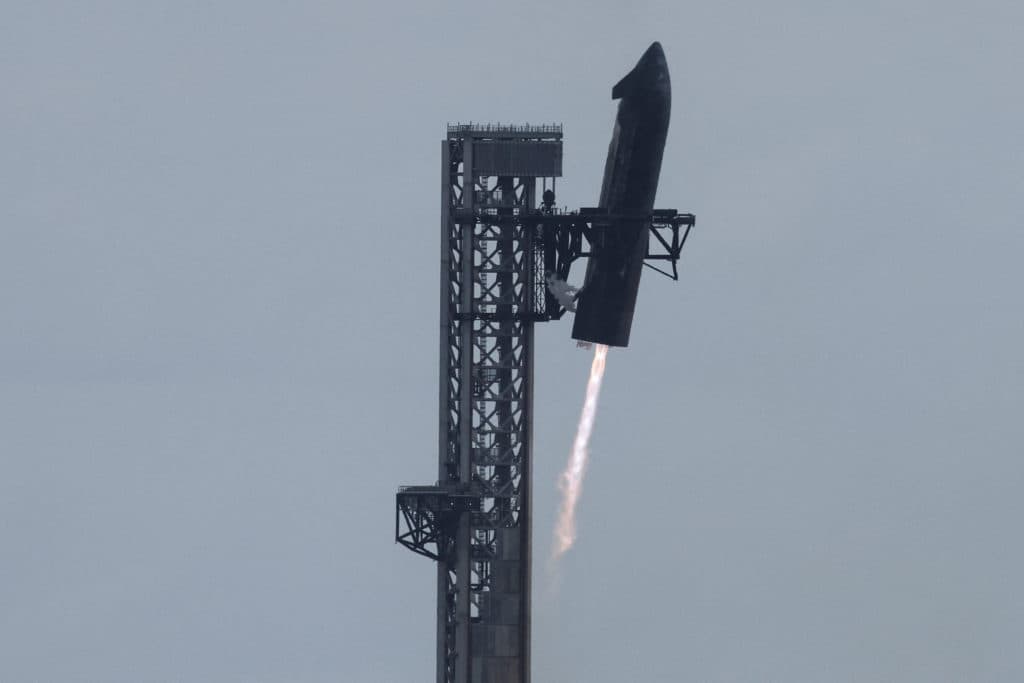
    • SpaceX Starship Mission:

      • Successful recovery of Starship spacecraft via mechanical arms after a 22-hour mission.
      • First-ever midair catch of Starship, aimed at demonstrating full reusability for future space missions (moon and Mars).
    • Booster Launch and Recovery:

      • The first-stage booster exploded post-liftoff, indicating a failure in its recovery. Previous successful catches validate the technology.
      • The booster’s guidance system malfunctioned leading to self-destruction during descent.
    • Technical Specifications:

      • Starship is the world’s largest rocket at 407 feet (124 meters).
      • Completed 14 orbits around Earth, enhancing the spacecraft's performance compared to previous missions.
    • NASA Involvement:

      • NASA is investing billions in the Starship program for lunar missions under the Artemis program, which focuses on landing astronauts on the Moon and establishing a lunar base.
      • Artemis III Mission: Planned docking with Starship and Blue Origin’s lunar lander, targeting 2028 for Artemis IV, marking the first moon landing since Apollo missions.
    • Future Launches:

      • SpaceX aims to commence launches from Kennedy Space Center in Florida shortly, crucial for upcoming NASA missions.
    • Scientific and Technological Significance:

      • The mission utilized SpaceX's Starlink technology for live streaming during the flight.
      • SpaceX's efforts contribute to long-term goals of colonizing Mars and enhancing space travel technologies.
    • Judicial and Regulatory Context:

      • The success and challenges faced by SpaceX exemplify the private sector's role in space exploration, reflecting trends in government partnerships for space technology development.

    These highlights reflect key facts and developments surrounding the SpaceX Starship mission relevant for examinations focused on space technology and international collaborations in scientific advancement.