iAspirants
Current AffairsPrelims PYQsUPSC CSE SyllabusUPSC CSE StrategyBlogsPricing
Login
iAspirants

Your AI-powered companion for UPSC preparation.

Quick Links

  • Home
  • About Us
  • Current Affairs
  • Prelims PYQs
  • UPSC CSE Syllabus
  • UPSC CSE Strategy
  • Blogs

Company

  • Pricing
  • FAQs
  • Contact Us
  • Login

Legal

  • Privacy Policy
  • Terms & Conditions
  • Return Policy

© 2025 iAspirants, Inc. All rights reserved.

  1. Blogs
  2. International Relations

India-Japan Defense Cooperation Meeting

Published on: 20-Aug-2026

Source: PIB

Share this post

India-Japan Defense Cooperation Meeting

Article Summary

India-Japan Defense Cooperation Highlights (August 20, 2026)

Bilateral Meeting Overview:

  • Defense Ministers: Rajnath Singh (India) and Shinjiro Koizumi (Japan).
  • Meeting held in New Delhi as part of the "Japan-India Special Strategic and Global Partnership".

Key Points of the Meeting:

  1. Strengthening Defense Cooperation:

    • Commitment to enhance defense collaboration under the strategic framework to ensure peace and stability in the Indo-Pacific region.
    • Shared strategic perspectives between both nations.
  2. Maritime Security:

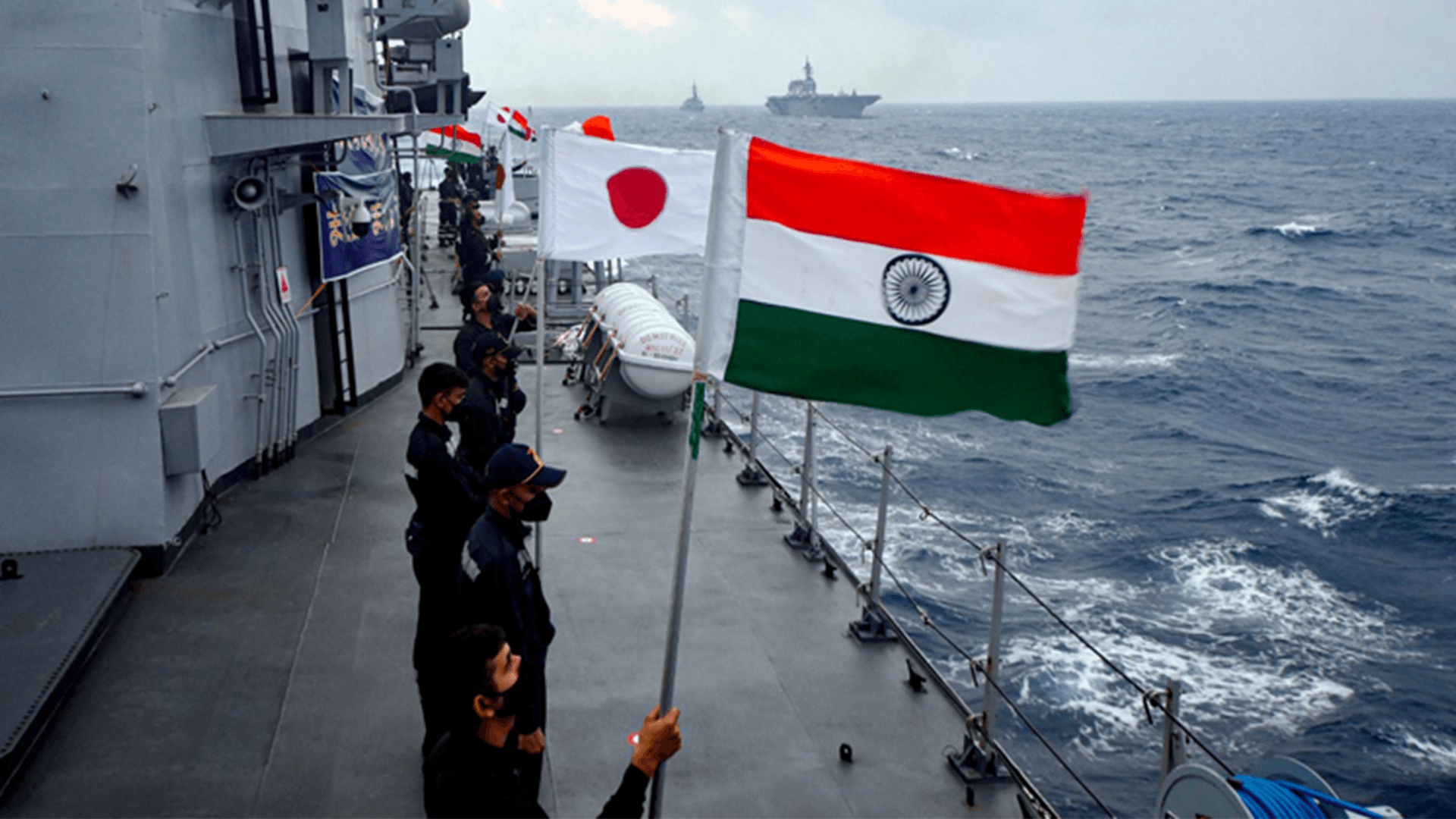
    • Signed a Memorandum of Understanding (MoU) to enhance maritime security cooperation.
    • Focus on collaboration between Japan Maritime Self-Defense Force and Indian Navy, including:
      • Maritime Domain Awareness (MDA).
      • Search and Rescue (SAR).
      • Humanitarian Assistance and Disaster Relief (HADR).
  3. Operational Cooperation:

    • Agreement on joint exercises, personnel exchanges, and logistical support to secure maritime communication routes.
    • Emphasis on mutual visits of naval ships and units.
  4. Defense Technology Transfer:

    • Review of the framework for defense equipment and technology transfer by Japan.
    • Initiated the first project involving the Unicorn Integrated Communication Antenna System.
  5. Joint Development Initiatives:

    • Exploration of joint development in naval vessel construction and design, leveraging Japan's technological expertise and India's production capabilities.
    • Discussion on the "Make in India" initiative for enhancing defense production.
  6. Bilateral Exercises:

    • Expansion of bilateral military exercises including "Dharma Guardian" (Army) and "JIMEX" (Navy).
    • Upcoming "Veer Guardian 26" Air Force exercise involving Japanese fighter jets in India.
  7. Strategic Coordination:

    • Agreement to establish a working group led by Directors-General/Joint Secretaries to promote integrated cooperation in operational, intelligence, and technological aspects.
    • Will respect each country’s policies and sovereign choices.
  8. Regional Cooperation:

    • Support for the Indo-Pacific Logistics Network (IPLN) for disaster response.
    • Upcoming second tabletop exercise of IPLN in September 2026.
  9. Future Engagements:

    • Agreement to expedite discussions for the 2+2 Ministerial meeting in Tokyo.
    • Commitment to consult each other as needed to ensure security and stability in the region.

Contextual References:

  • Reinforcement of the July 2026 Joint Statement by leaders of both countries, emphasizing collaboration in defense and security.
  • Acknowledgment of the importance of a free and open Indo-Pacific, opposing unilateral actions that threaten maritime freedom.

Conclusion:

The meeting solidified the strategic defense partnership between India and Japan, focusing on collaborative efforts in maritime security, technology transfer, and joint military exercises, aimed at enhancing regional stability and security in the Indo-Pacific region.

Key Terms & Concepts

IndiaCountry involved in defense talks
JapanCountry involved in defense talks
20 August 2026Date of bilateral meeting
Indo-Pacific regionFocus area for security cooperation
Joint StatementFramework for defense cooperation
Maritime Security CooperationAgreement to enhance naval collaboration
Make in IndiaPolicy to enhance domestic production
DRDOIndian defense research organization
ATLAJapanese defense technology agency
2+2 MeetingHigh-level defense dialogue format
Unicorn Integrated Communication AntennaFirst project of defense equipment transfer
Humanitarian Assistance and Disaster ReliefArea of collaboration in maritime security

Mind Map for UPSC Civil Services Revision

Turn UPSC Civil Services Current Affairs Into Exam-Ready Notes

Reading International Relations current affairs is half the work. Revise them with ready-made notes and test what actually stuck.

  • Daily UPSC Civil Services current affairs analysis
  • Revision notes, mind maps & MCQs
  • Prelims mock tests with instant results

Related UPSC Civil Services Current Affairs Articles

Putin Warns West Over Kaliningrad Tensions
International Relations06-Oct-2026

Putin Warns West Over Kaliningrad Tensions

International Tensions and Military Dynamics around Kaliningrad

  1. Russian Warning:

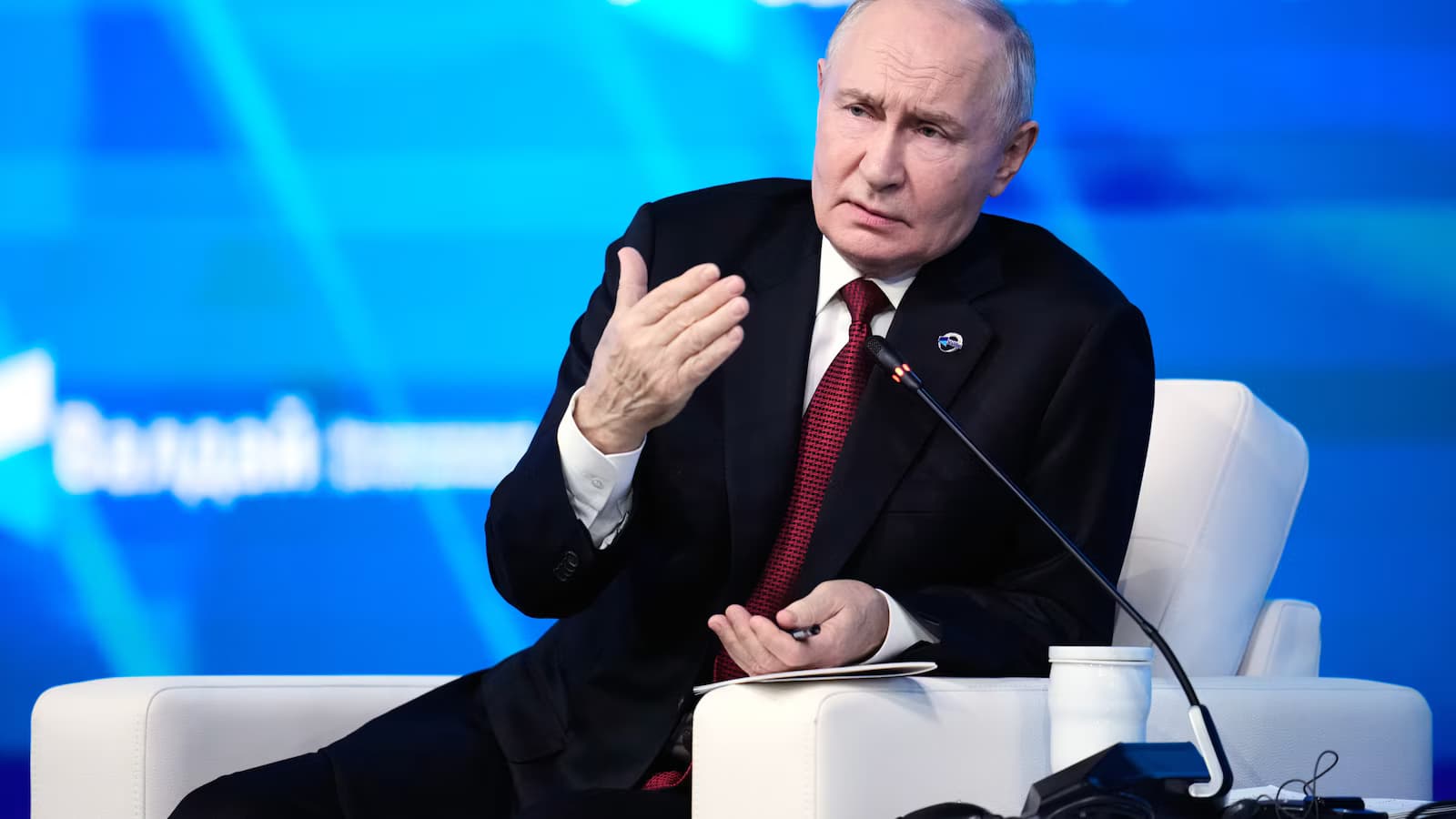
    • President Vladimir Putin warned Western nations that an attack on Russia might lead to the use of all weapons at Russia’s disposal.
    • Emphasized no plans for aggression but a defensive stance on sovereignty, especially concerning the exclave of Kaliningrad.
Joint Military ExercisesOngoing bilateral military training
Naval Passage ExerciseTrilateral naval exercise with Indonesia
IPLNIndo-Pacific Logistics Network for disaster response
  • Kaliningrad Exclave:

    • A unique geopolitical territory, Kaliningrad is isolated from mainland Russia, bordered by NATO countries Poland and Lithuania.
    • It is approximately the size of Connecticut and was formerly known as Königsberg, taken by the Soviet Union after WWII.
    • Became significant in post-Soviet geopolitics after the independence of Baltic states in 1991, with around a million inhabitants today.
  • Military Infrastructure and Vulnerability:

    • Russia has established military assets in Kaliningrad, including air-defence systems and Iskander missiles, projecting power across the Baltic region.
    • However, it is strategically vulnerable as it relies on a narrow land corridor (Suwałki Gap) for reinforcement, flanked by NATO infrastructure.
  • NATO Response:

    • NATO has intensified military activities near the Baltic Sea, aimed at strengthening defenses in response to perceived Russian aggressions.
    • The alliance declares its operations as defensive, rejecting accusations of military provocation from Moscow.
    • Key NATO operations include maritime surveillance and the Baltic Sentry initiative aimed at protecting critical infrastructure.
  • Historical Context and Recent Incidents:

    • Historical sanctions imposed by the EU on Russia, especially following the Ukraine invasion, have led to heightened tensions, as seen in the transit restrictions by Lithuania.
    • Russia's interpretation of such actions as provocations has led to punitive threats against Lithuania, highlighting the delicate balance of military posturing in the region.
  • Potential for Conflict:

    • Current military engagements in the Baltic region represent a complex scenario with the potential for miscalculations between Russian and NATO forces, given their close proximity.
    • Despite nuclear threats from Moscow, NATO considers the nuclear risk level low, asserting that such posturing is not credible against the alliance’s collective defense capabilities.
  • International Perspectives:

    • International observers remain skeptical about immediate military confrontations, with NATO officials communicating that any rhetoric from Russia should not be interpreted as an imminent threat.
  • Conclusion:

    • The situation surrounding Kaliningrad reflects broader tensions between NATO and Russia, with ongoing military activities and historical grievances shaping strategic decisions.
    • Both sides maintain their positions, yet efforts to avoid escalation continue amid a militarized landscape in Eastern Europe.
  • Challenges in India-US Trade Agreement
    International Relations05-Oct-2026

    Challenges in India-US Trade Agreement

    Summary of Key Points from the Trade Negotiation Between India and the US

    Legal and Trade Context

    • Supreme Court Ruling: The US Supreme Court struck down former President Trump’s reciprocal tariffs instituted under an emergency law in April 2025.
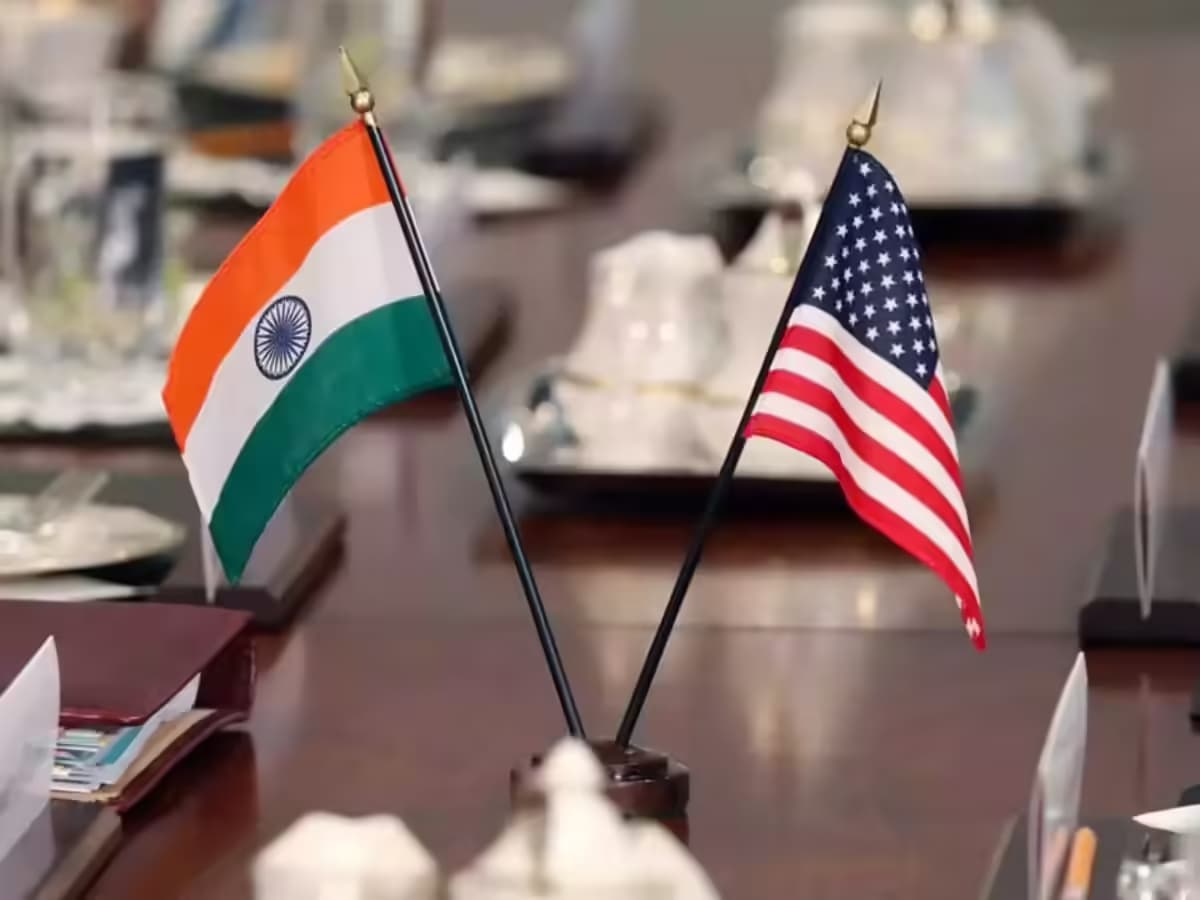
    • Trade Negotiations: Ongoing negotiations between the US and India concerning trade have stalled for the third time since the initiation twenty months ago.
    • Tariffs on Indian Goods: Tariffs on Indian imports to the US rose towards 50% in August 2025, complicating negotiations.

    Proposed Trade Deal Dynamics

    • Tariff Reductions: In February, discussions aimed to reduce US tariffs on Indian goods from 50% to 18% in exchange for India's cuts on industrial goods and increased purchases from the US.
    • Unpredictability in Tariffs: The US has fluctuated its tariff policies, leading to confusion and hesitance from India regarding what benefits would be gained through the deal.

    Economic Implications

    • India's Competitive Position: Vietnam, a competitor with similar trade outputs, is now at a tariff disadvantage compared to India, with its trade agreement nearing completion, potentially diminishing India's relative advantage.
    • New Tariff Structures: The current tariff system could change based on various investigations initiated by the US, including investigations into forced-labour and structural excess capacity.

    Strategic Recommendations for India

    1. Secure a Ceiling on Tariffs: India should negotiate a commitment from the US not to exceed agreed tariff levels during the agreement's lifespan.
    2. Non-Discriminatory Treatment: Emphasize that India should not be treated less favourably than its competitors.
    3. Prior Consultation: Insist that any new tariffs affecting India receive prior notice and consultation.
    4. Sector-specific Exemptions: Seek written exemptions in the agreement concerning sensitive sectors like pharmaceuticals, where certain Indian medicines currently qualify for zero duty.
    5. Phased Tariff Cuts: Implement a phased approach to tariff reductions, linked to US compliance with its commitments to India.

    Challenges and Considerations

    • Long-term vs. Short-term Gains: The proposed deal emphasizes long-term concessions from India while providing short-term advantages reliant on US administrative decisions, which could change unpredictably.
    • Ratification and Adjustments: Make future concessions contingent on the stability and reliability of the rate commitments from the US.

    This summary encapsulates key developments in India-US trade negotiations as outlined, reflecting the complexity of tariff structures, the legal environment, and strategic recommendations for India moving forward in its negotiations.

    Russia Intensifies Strikes on Ukraine
    International Relations05-Oct-2026

    Russia Intensifies Strikes on Ukraine

    Russia-Ukraine Conflict Updates

    Military Actions:

    • Targeted Strikes: On October 4, 2026, Russia targeted the Northern bridge over the Dnipro River in Kyiv, crucial for troop and military cargo movement.
    • Shipping Attacks: Russian forces reported strikes on two dry cargo vessels transporting military equipment to Odesa. Additionally, they targeted a logistics center in Chornomorsk and a data center in Odesa.
    • Drones Intercepted: Between October 4 and 5, Russian air defense claimed to have intercepted and destroyed 559 Ukrainian drones over various Russian regions and the Black and Azov seas.

    Statements of Intention:

    • Following Ukrainian President Volodymyr Zelenskyy's announcement to intensify attacks on Russian oil refineries, Russia vowed to escalate its military strikes on Ukraine.

    Verification of Claims:

    • The reported military actions and claims made by both Russia and Ukraine remain unverified by independent sources.

    Contextual Notes

    Saudi Arabia Cuts Crude Oil Prices
    Economic and Social Development05-Oct-2026

    Saudi Arabia Cuts Crude Oil Prices

    Summary of Key Events and Developments

    Economic and Oil Market Updates

    • Saudi Arabia's Oil Price Change:
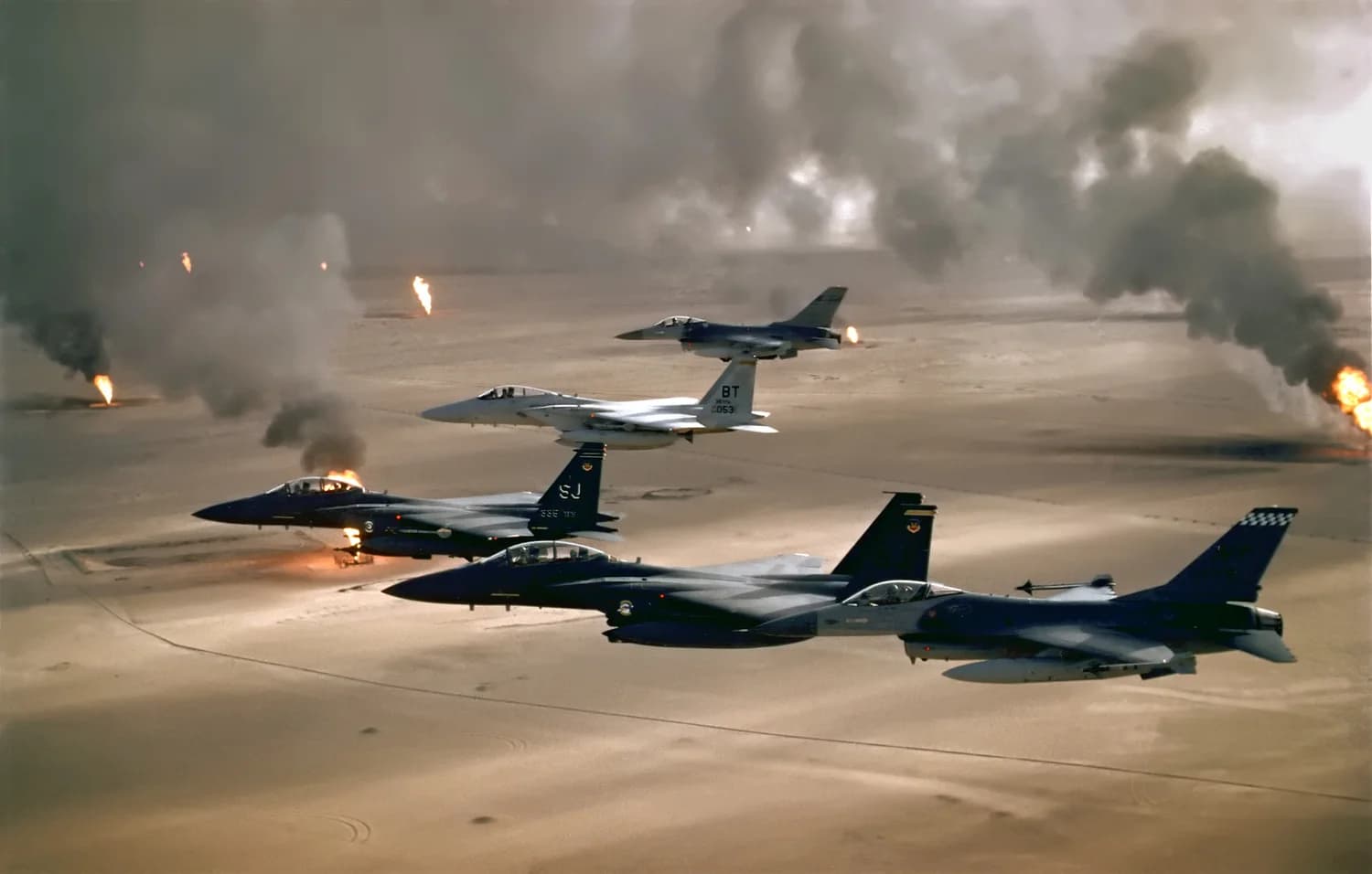
      • November price for Arab Light crude oil to Asia reduced by $3/barrel, now $5 below Oman/Dubai average. This is the widest discount since June 2020.
      • Medium and heavy grades decreased by $5/barrel.
      • Arab Light price for Northwest Europe rose by $3 to $0.85 above ICE Brent; unchanged price of $4.60 for the US against ASCI.
    • OPEC+ Decision:
      • Key producers, including Saudi Arabia, Russia, and Iraq, decided to maintain oil production targets unchanged for November amidst ongoing market disruptions due to the Iran war. Next meeting scheduled for November 1.

    International Relations and Conflicts

    • Iran-U.S. Relations:

      • Iran's foreign minister emphasized that no military solution exists for the US-Iran conflict and reaffirmed commitment to negotiations for resolution.
      • Discussions on Iran's conditions for diplomatic progress, including seven demands highlighted by Iranian negotiators.
    India-Russia Relations and Cooperation
    International Relations04-Oct-2026

    India-Russia Relations and Cooperation

    Summary of India-Russia Bilateral Relations and Government Engagements

    Key Engagements and Diplomacy

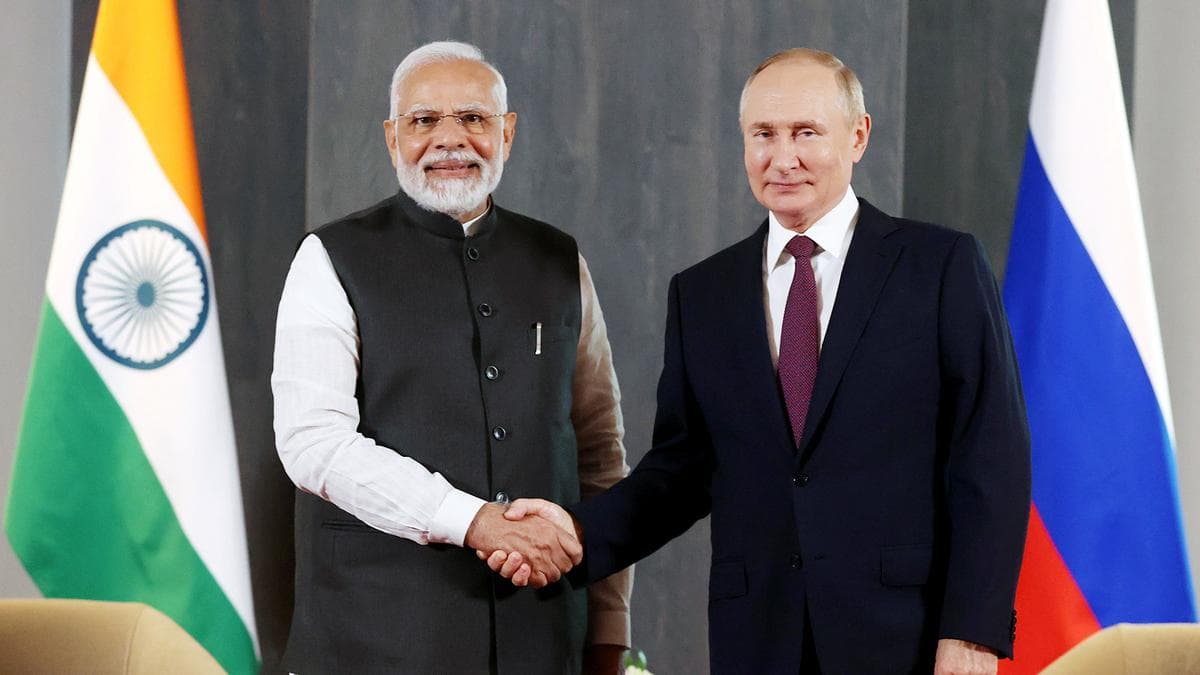
    • External Affairs Minister S. Jaishankar briefed a parliamentary consultative committee on India's relationship with Russia, noting efforts for a peaceful resolution of the Ukraine conflict.
    • India's diplomatic meetings include a discussion with Russian President Vladimir Putin and recent engagement with both Ukrainian and Russian Foreign Ministers during the UN General Assembly.

    Economic Relations

    • There is an ambition to enhance bilateral trade and investment, focusing on a balanced approach and increased Indian exports in:
      • Auto products
      • Pharmaceuticals
      • Food
      • Marine products
      • Engineering goods
      • Chemicals
      • Textiles
    • The Indian government is pursuing greater regulatory frameworks that may lead to structural changes in the trading relationship.

    Labor Mobility Agreement

    • Russia has agreed to accept approximately 70,000 Indian skilled workers in 2026 in sectors like construction and logistics, reflecting a step towards enhancing labor cooperation.

    Energy Cooperation

    • India emphasizes safeguarding consumer interests and maintaining diverse energy supply sources to manage energy security effectively.

    Government Efforts for Indian Nationals

    • The government is actively working to secure the release of Indian nationals involved with the Russian military; around 140 individuals have been discharged, with ongoing efforts for 55 others’ whereabouts.

    International Comments and Acknowledgments

    • Ukrainian Foreign Minister Andrii Sybiha acknowledged India’s role in peace efforts, while President Putin recognized PM Modi's contributions towards seeking viable solutions for resolving the Ukraine conflict.

    Constitutional References and Frameworks

    • While no specific constitutional articles were mentioned, India's international engagement aligns with the principles of Article 51 of the Constitution, which advocates for fostering international peace and respect for international law.

    Conclusion

    India continues to build a multifaceted relationship with Russia, focusing on trade, labor exchange, and international diplomacy while aiming to address humanitarian concerns amid the ongoing Ukraine conflict.

  • Geopolitical Background: The conflict is part of an ongoing war between Russia and Ukraine, with fluctuating levels of military engagement and strategic operations impacting regional stability.
  • International Relations: This ongoing crisis has implications for international relations, particularly with NATO and EU nations expressing concerns regarding collective security and defense strategies.
  • Economic Implications:

    • The ongoing conflict creates fluctuations in regional security, impacting economies reliant on trade routes such as those over the Black Sea. Potential sanctions and responses from Western nations could strain economic ties further.

    Key Aspects to Monitor

    • Future military actions and their outcomes, including responses from Ukraine and the international community.
    • The impact on civilian infrastructure and humanitarian conditions in affected areas.
    • Developments regarding international diplomatic efforts to mediate the conflict or introduce sanctions and peace proposals.

    This summary consolidates the latest military and strategic developments in the Russia-Ukraine conflict, serving as a concise reference for academic and examination purposes.

  • Recent diplomatic proposal assessed by Iran following UN meetings.
  • Yemen Conflict:

    • Yemen’s governing body announced military operations to reclaim territory from Houthi forces, claiming over 1,500 Houthi casualties in 24 hours.
    • Houthis reported repelling Saudi airstrikes, with Saudi Arabia launching 106 attacks in recent days.
  • Tanker Attacks:

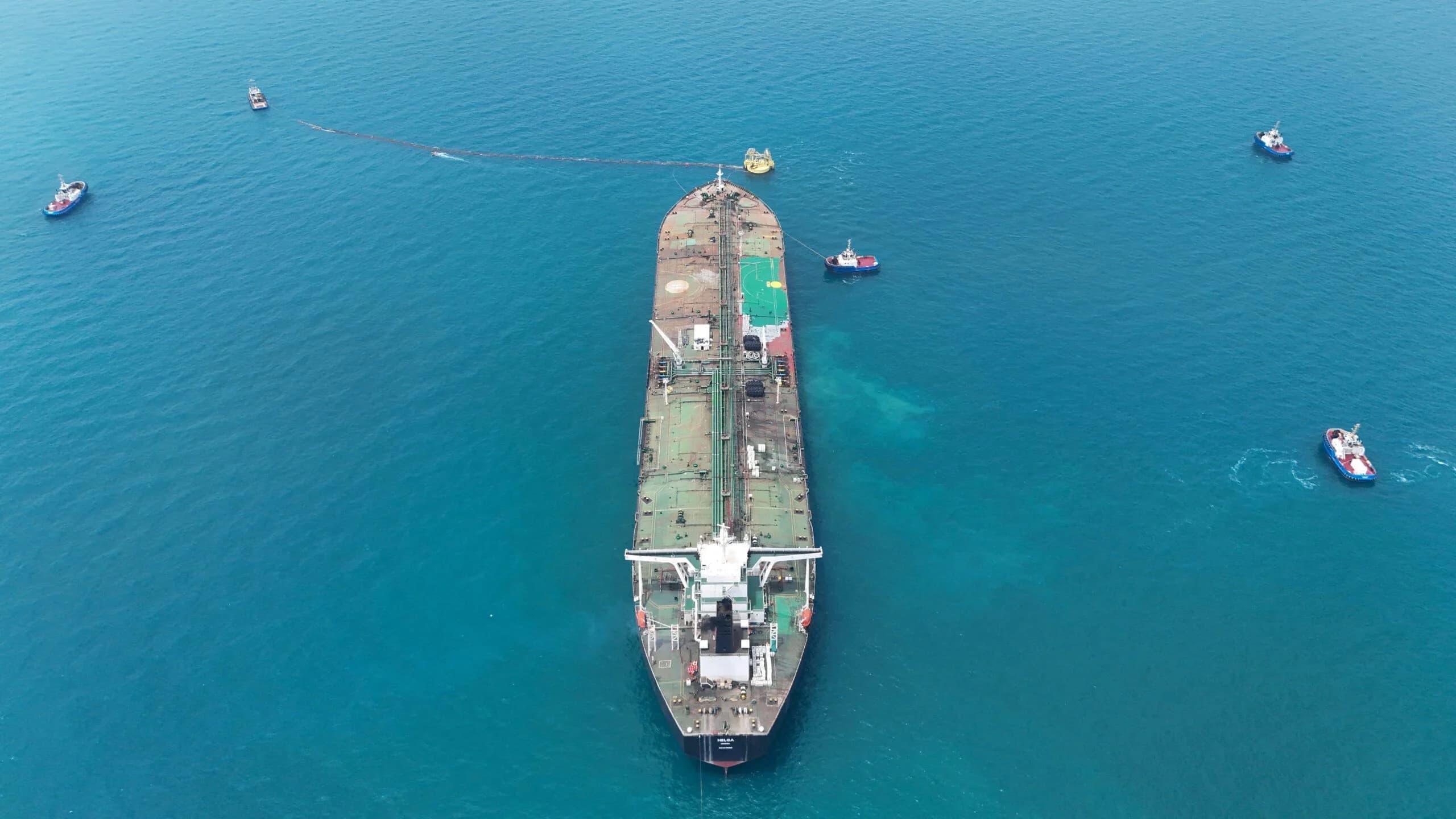
    • Increased tensions in the Gulf with multiple tanker attacks reported, raising concerns over shipping and insurance costs in the region.
  • Political Developments in Iran

    • Cabinet Changes:
      • Resignation of Iran’s oil minister amid economic crisis and long petrol queues resulting from ongoing conflicts.
      • Hamid Bovard appointed as acting Oil Minister.

    International Trade and Transport Changes

    • Flights Resumption:
      • Iranian airlines resumed operations to Najaf, Iraq after obtaining US exemptions for sanctioned carriers.

    Judicial and Legal Context

    • No specific judicial rulings or legislative changes reported in this context but ongoing military and diplomatic actions create a backdrop of scrutiny regarding international agreements and regional laws.

    Summary of Societal Impact

    • Gun Violence Incident in Georgia:
      • Gunfire during a block party led to two fatalities and around 35 injuries in Vienna, igniting discussions on gun control and public safety.

    Conclusion

    • Current geopolitical tensions, particularly in the Gulf region and Iraq, influence oil pricing and market stability.
    • The situation remains fluid as OPEC+ and regional governments navigate a complex landscape of economic pressures and military engagements.