iAspirants
India's Climate Challenges and Solutions
Published on:
Share this post

Article Summary
Climate and Ecosystem Monitoring in India
Key Facts and Data
- Rainfall Deficit: India experienced a 12.6% rainfall deficit during the southwest monsoon.
- Forecasting Expertise: The India Meteorological Department (IMD) has improved its forecasting of atmospheric disturbances, including cyclones and extreme weather alerts (intense rainfall, heat waves).
- El Niño Impact: Strengthening El Niño conditions are expected to worsen water availability in rivers and wetlands, intensifying stress on agriculture, forestry, and fisheries.
Ecological and Environmental Considerations
- Local Ecological Conditions: Variations in soil moisture, vegetation, and groundwater affect resilience to drought and precipitation deficits; ecological systems can respond differently even under similar deficit conditions.
- Micro-monitoring Initiatives:
- Uttarakhand's Real-time Monitoring: Sensors installed in glacial lakes (e.g., Vasundhara Tal) monitor water levels, snow depth, and other parameters to link these with early-warning systems.
- Soil and Vegetation Stress Tracking: Necessary for identifying dry patches in vulnerable forested areas impacted by warmer winters and erratic weather patterns.
Government Initiatives and Proposals
- Emergency Monitoring Network Appeal: Nearly 200 ecologists have proposed the establishment of an ecosystem-wide monitoring network to address challenges posed by large-scale El Niño effects.
- Coordination Framework: Essential for integrating ecological monitoring efforts currently fragmented across research institutions, governmental bodies, and citizen organizations.
Scientific and Technological Contributions
- Satellite Data Utilization: High-level satellite observations of Earth's atmosphere and surface are pivotal in transforming weather forecasting and disaster response methodologies.
- Ecological Insights from Technology: Thermal distress indicators in coral reefs and monitoring of marine ecosystem health contribute significantly to coastal protection and understanding climate impacts.
Constitutional and Policy Context
- Importance of Ecosystem Health: The appeal for improved coordination and monitoring aligns with policies aimed at safeguarding the environment and promoting sustainable development, which are part of the broader objectives outlined in India’s constitutional framework.
- Environmental Protection Initiatives: The efforts reflect India’s commitments under national laws and international agreements regarding climate change and biodiversity protection.
Challenges Ahead
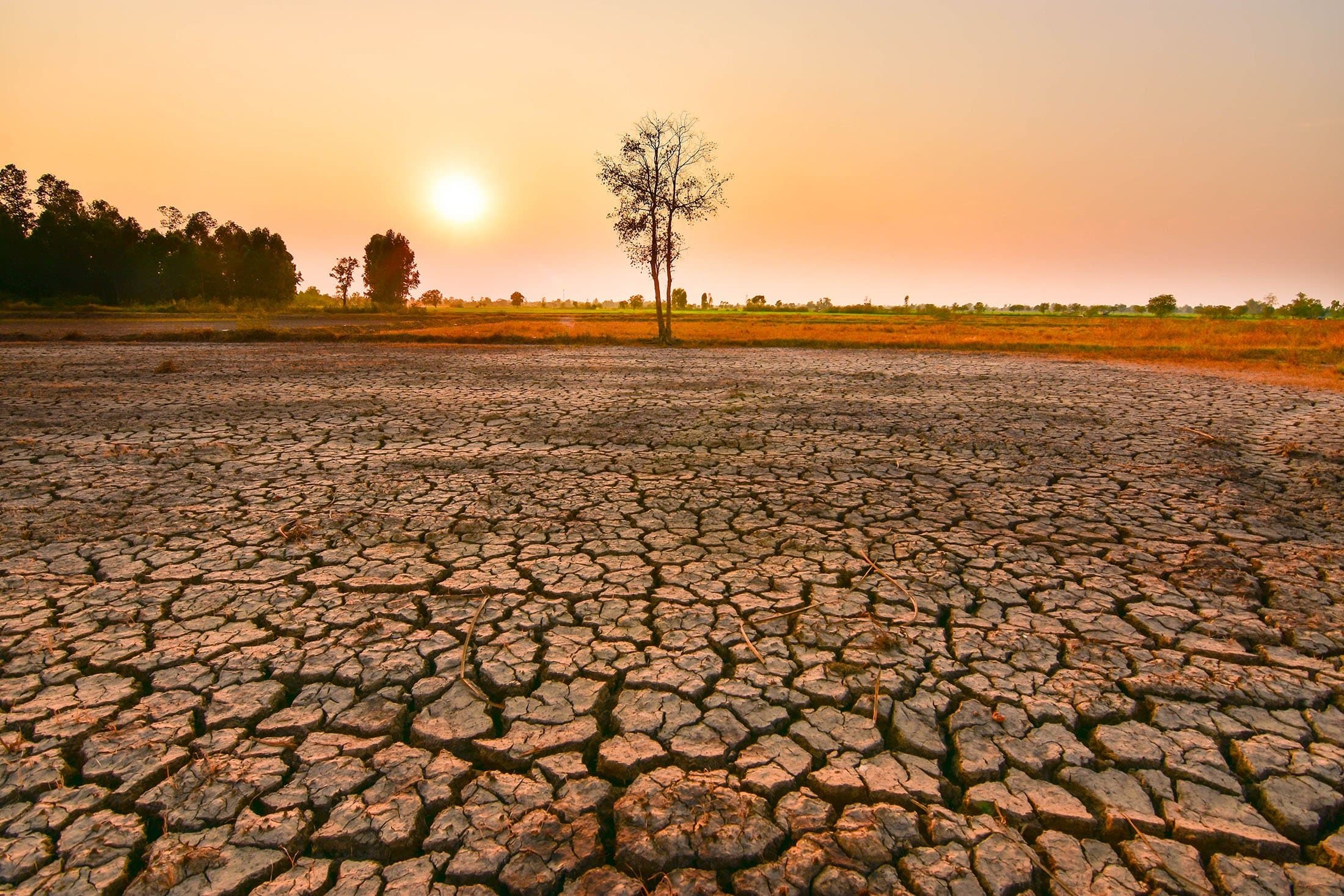
- Post-Monsoon Drought: The anticipated dry conditions following the monsoon season highlight urgent environmental management needs to sustain agricultural productivity and ecosystem health.
- Resilience Building: Micro-monitoring and real-time data integration are essential to enhance the resilience of ecosystems against climate variability, particularly under phenomena like Super El Niño.
Conclusion
The combination of advanced meteorological forecasting, real-time ecological monitoring, and integrated efforts among various stakeholders is crucial for addressing climate challenges in India. This approach can ensure effective responses not only to immediate weather-related threats but also to long-term ecological and environmental sustainability.
Key Terms & Concepts
| India Meteorological Department (IMD) | Forecasts weather events |
| 12.6 percent | Rainfall deficit during monsoon |
| El Niño | Affects water availability |
| Uttarakhand | Real-time monitoring initiative |
| Vasundhara Tal | Monitored glacial lake |
| Glacial lakes monitoring | Enhances early-warning systems |
| Soil moisture | Identifies dry patches |
| Coral reefs | Indicates marine ecosystem health |
| 200 ecologists | Called for monitoring network |
| Climate vagaries | Broader environmental challenges |