iAspirants
Current AffairsPrelims PYQsUPSC CSE SyllabusUPSC CSE StrategyBlogsPricing
Login
iAspirants

Your AI-powered companion for UPSC preparation.

Quick Links

  • Home
  • About Us
  • Current Affairs
  • Prelims PYQs
  • UPSC CSE Syllabus
  • UPSC CSE Strategy
  • Blogs

Company

  • Pricing
  • FAQs
  • Contact Us
  • Login

Legal

  • Privacy Policy
  • Terms & Conditions
  • Return Policy

© 2025 iAspirants, Inc. All rights reserved.

  1. Blogs
  2. Economic and Social Development

India's Economic Growth Forecast Insights

Published on: 15-Oct-2026

Source: Indian Express

Share this post

India's Economic Growth Forecast Insights

Article Summary

Economic Overview and Forecasts:

  1. GDP Growth Rate:

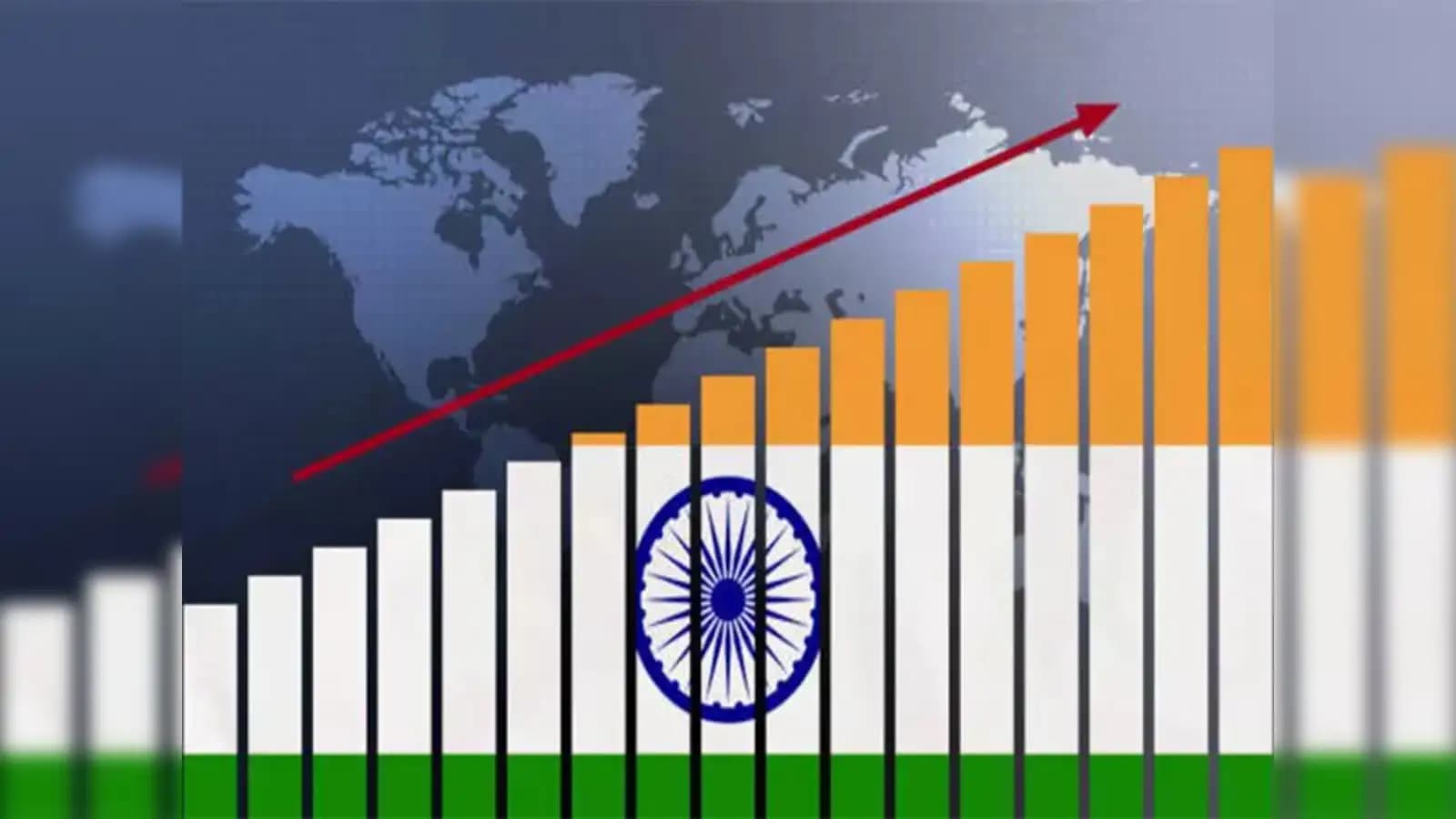
    • IMF raised India’s GDP growth forecast for 2026-27 to 7% (up from 6.4%).
    • RBI projects growth at 7.1% for the current year.
    • Recent quarterly growth data indicates a growth rate of 7.8% for April-June.
  2. Macroeconomic Fundamentals:

    • India’s economy shows resilience amid global shocks, particularly from the West Asian crisis, which raised supply-side concerns and imported inflation risks.
    • However, challenges include unsustainable debt levels and a high cost of borrowed capital.
  3. Capital Flow and Investment Risks:

    • Heightened risks of capital flight from Emerging Market Economies (EMEs) due to geopolitical instability and fluctuations in US bond yields and the dollar valuation.
    • Concerns about a potential stock-market bubble fueled by hyper AI investments.
  4. Festive Season Impacts:

    • The upcoming festive season is expected to be crucial for the economy, necessitating close monitoring of inflation and structural issues like high unemployment and inequality.
  5. Underlying Economic Concerns:

    • Persistent informality in the job market, with rural-to-urban migrants facing poor job opportunities and high living costs.
    • Calls for a focus on ‘real’ growth benefits and the need for an intersectional approach to economic validation.

Policy and Government Focus:

  1. Shift in Economic Strategy:
    • Proposal for the government to move from focusing on GDP numbers to a more inclusive, prosperity-driven growth process.
    • Need for decentralised policy coordination with states and enhanced state-market interactions to prevent monopolistic practices.

Judicial and Constitutional Context:

  1. Macroeconomic Stability:

    • India's stability amid global economic turmoil reflects the effectiveness of macroeconomic principles rooted in the Constitution, including:
      • Directive Principles of State Policy (DPSPs) promoting economic welfare (Articles 36-51).
  2. Addressing Structural Challenges:

    • The necessity for provisions addressing labor rights, living wages, and social security to improve job conditions and reduce inequality.

Implications for Society:

  1. Societal Well-being:
    • Economic growth measured by GDP needs to encompass actual well-being across diverse societal groups.
    • Importance of productive investments that yield quality employment as part of the broader economic narrative.

Conclusion:

Rebalancing India’s economic framework to incorporate prosperity-focus alongside traditional GDP metrics is essential for equitable growth. Addressing the fundamental issues of informality and inequality will be critical in shaping an inclusive economic future.

Key Terms & Concepts

International Monetary FundGDP growth rate forecast
7 per centProjected GDP growth for 2026-27
6.4 per centPrevious GDP forecast figure
Reserve Bank of IndiaGDP growth prospect revision
7.1 per centGDP growth estimate for this year
7.8 per centQuarterly growth rate
West Asian crisisSource of supply-side concerns
Rupee volatilityIndicator of economic stability
High unemploymentKey macro challenge
InequalityStructural issue in economy
Capital flight risksEconomic stability concern
Informal economyWidening employment challenge
GDP

Mind Map for UPSC Civil Services Revision

Turn UPSC Civil Services Current Affairs Into Exam-Ready Notes

Reading Economic and Social Development current affairs is half the work. Revise them with ready-made notes and test what actually stuck.

  • Daily UPSC Civil Services current affairs analysis
  • Revision notes, mind maps & MCQs
  • Prelims mock tests with instant results

Related UPSC Civil Services Current Affairs Articles

India's Response to Green Trade Regulation
Economic and Social Development15-Oct-2026

India's Response to Green Trade Regulation

Exam-Focused Notes on Climate Trade Regulations & India's Response

Climate-linked Trade Regulations:

  • EU's Carbon Border Adjustment Mechanism (CBAM):
    • Described as protectionist by India.
    • Aims to impose carbon costs on imports to equalize standards with domestic EU producers.
Common measure of economic growth
Economic mechanismIntersectional growth validation
Decentralised policy coordinationRecommended improvement for growth
  • Affects sectors like steel, aluminum, and chemicals.
  • Key Initiatives and Policies:

    • India's Target for Net-Zero:

      • Ambitious target set for 2070.
      • Aims to transition to greener industrialization.
    • Green Industrialization:

      • Opportunity to finance initial costs through compliance with international green trade regulations.
      • Examples:
        • Green Ammonia:
          • India discovered low production costs; potential for export to Europe and Asia.
          • Aims to substitute imports of natural gas for domestic fertilizer production.
        • Sustainable Aviation Fuel (SAF):
          • Initiated by the ReFuelEU Aviation regulation requiring a 2% blending in 2025, increasing over time.
          • Exploits domestic ethanol for high-value aviation exports.

    Economic Strategies:

    • Adapting to Changes in Carbon Costs:

      • As EU steel prices increase due to carbon costs, India can pivot to cleaner production methods.
      • Potential investments in:
        • Cleaner blast furnaces.
        • Recycled aluminum and clean power smelters.
    • Revenue Generation from Export Markets:

      • Potential $500 billion market in electrical equipment where China holds 30% export share and India holds less than 2%.
      • Opportunities identified in:
        • Transformers: India supplies about 20% of UK's non-EU transformer imports.

    Regulatory and Infrastructure Development:

    • Compliance with Carbon Regulations:

      • Call for low-cost digital systems for carbon accounting and product traceability.
      • Dismantling barriers to ensure competitive pricing for green products.
    • Redesigning India's Carbon Market:

      • Proposed carbon pricing needed: $30-50 per tonne to encourage investment in low-carbon technologies.
      • Shift from plant-specific to sector-level targets to avoid penalizing efficient plants.

    Trade Agreements and International Cooperation:

    • Bilateral Green Partnerships:
      • Aim to secure mutual recognition of carbon accounting, testing, and certification.
    • Demanding Technology and Financial Support:
      • India should lobby for technology sharing and financial assistance from developed countries along with transition periods from stringent regulations.

    Overall Strategy:

    • Transitioning mindset among both government and industry to leverage international green regulations as an export advantage.
    • Developing localized capacities while adhering to global market standards to foster a sustainable and competitive domestic economy.

    Conclusion:

    India's proactive engagement with changing climate-linked trade regulations represents a critical pivot for its economic future and industrial evolution. Focusing on green technologies and compliance infrastructure will be instrumental in navigating and capitalizing on upcoming global green trade landscapes.

    India's Semiconductor Future and Self-Reliance
    National and International Importance15-Oct-2026

    India's Semiconductor Future and Self-Reliance

    Summary of Semiconductor Development in India

    Current Status and Challenges

    1. Dependency on Imports: India produces 20% of the total global data for AI but has only 3% of AI data centers. Despite hosting 20% of the global chip design workforce, 90% of semiconductor needs are met through imports.

    2. Future Risks: Experts from the DRDO warn that without self-reliance in the semiconductor sector by 2047, India risks failing in conflicts dominated by AI, cyber technologies, and space capabilities.

    3. Global Semiconductor Landscape:

      • The US leads in design capabilities and intellectual property rights.
      • Manufacturing foundries are most concentrated in Taiwan and South Korea, while Japan, Europe, and the Netherlands control critical production infrastructure.
      • China has advanced significantly in node fabrication.

    Strategic Goals and Initiatives

    1. Vision for 2047:

      • Dr. Anesh Sharma emphasized aiming for leadership in the manufacturing of two-nanometer chips and establishing at least two top-10 foundries in the world.
      • Objective to achieve strategic relevance by focusing on high-end technology that is not readily available from other nations.
    2. DRDO's Roadmap:

      • Focus on complete independence in semiconductor materials and production processes to secure technology independence.
      • Key areas for early intellectual property leadership include quantum computing, photonic integrated circuits, and neuromorphic computing.
    3. Government Initiatives:

      • India Semiconductor Mission 1.0: Approved with an outlay of Rs 76,000 crore, supporting a dozen chip plants, including Tata Group's fabrication facility and various packaging units.
      • India Semiconductor Mission 2.0: Launched in July with Rs 1.27 lakh crore. This mission supports subsidies across the semiconductor design, manufacturing, and supply chain processes. The focus is on building a comprehensive ecosystem for semiconductors.

    Economic Context and Future Demand

    1. Market Forecast: Semiconductor demand in India is projected to exceed $200 billion by FY35. The rising demand underscores the urgency of developing a robust semiconductor ecosystem as a national priority.

    2. Role of Technology in Warfare: Dr. Anupam Sharma articulated a shift in warfare dynamics, suggesting that future victories will be determined by capabilities in data, algorithms, and scientific advancement rather than traditional military might.

    Constitutional and Policy Context

    • National Priority: Building a semiconductor ecosystem aligns with broader national interests for self-reliance and technological leadership, a vision connected to making India a strategic power by 2047.

    Summary

    India's semiconductor sector is at a critical juncture, demanding significant investment and innovation. With ambitious government initiatives and various DRDO projects, the nation aims to transition from an import-dependent model to a self-sufficient semiconductor powerhouse by 2047, amid a global landscape that is rapidly evolving towards AI-driven technological advancements.

    IMF Raises India's GDP Growth Forecast
    Economic and Social Development14-Oct-2026

    IMF Raises India's GDP Growth Forecast

    Exam-Focused Notes on IMF Forecasts and Economic Indicators

    International Monetary Fund (IMF) Economic Growth Forecasts:

    • India's GDP Growth:

      • Revised forecast for FY 2026-27: 7%, up from 6.4% (previous July estimate).
      • GDP expected to grow by 7.1% for the current year (2026) according to the Reserve Bank of India (RBI).
      • Forecast for GDP growth in FY 2027-28 is also 7% up from 6.7%.
    • Global Economic Context:

      • Overall world growth forecast for 2026 is 3.1%, slightly up from 3% in July.
      • Advanced economies projected to grow 2.1% in 2026 (up from 1.7%).
      • Emerging markets and developing economies forecasted to grow 3.7% in 2026 (down from 3.8%).

    Key Factors Influencing India's Economic Growth:

    • Positive indicators include:
      • Strong domestic demand.
      • Robust services activity.
      • Favorable demographic dynamics.
      • Continuous structural reforms.

    Oil Price Projections:

    • Average crude oil price projected at $95.74 per barrel for 2026, which represents a 41% increase from the previous year.
    • Expected decrease to $87.39 per barrel in 2027 (a 9% drop).

    Global Economic Challenges:

    • The ongoing conflict in West Asia causing negative supply shocks.
    • Countries like Bahrain, Iraq, Kuwait, and Qatar projected to face double-digit contractions due to energy output disruptions.
    • Saudi Arabia expected to experience a 3.3% economic decline in 2026.

    Policy Recommendations by IMF:

    • Urgent need for policymakers to manage inflation, debt, and financial instability.
    • Recommendation to enhance infrastructure, skills, and competitive environments for technology-driven growth.

    Event Context:

    • The discussions are taking place during the 2026 annual meetings of the IMF and World Bank in Bangkok, Thailand, from October 13 to October 15, 2026.

    Summary of Insights:

    • India's economic forecast remains robust amidst global challenges, with significant improvements in GDP growth estimates, driven by strong domestic factors.
    • The implications of global events, particularly the conflict in West Asia, are creating economic fragility in various regions while presenting opportunities for India.
    • Continued focus on structural reforms will be crucial for sustaining growth momentum.
    Overtreatment Challenges in Modern Healthcare
    Economic and Social Development14-Oct-2026

    Overtreatment Challenges in Modern Healthcare

    Health Care System Overview in India: Overtreatment vs. Undertreatment

    1. Current State of Medicine:

      • Modern medicine excels in diagnosis and treatment capabilities but is increasingly prone to overtreatment and overmedication.
      • Overtreatment can lead to unnecessary tests, prolonged medication, or surgeries, while a lack of affordable primary care leaves many under-treated.
    2. Drivers of Overtreatment:

      • Excessive Testing: Many health check packages include unwarranted tests, leading to false positives and unnecessary interventions.
      • Fragmentation of Care: Reliance on specialists can neglect comprehensive treatment of patients, particularly among older adults.
      • Marketplace Dynamics: Health care is treated as a marketplace, prioritizing tests and interventions over necessary care.
      • Health Insurance Challenges: While insurance protects against expenses, it can promote unnecessary procedures and discourage preventive care.
    Retail Inflation Trends and Projections
    Economic and Social Development14-Oct-2026

    Retail Inflation Trends and Projections

    Retail Inflation Overview:

    1. Current Inflation Rate:

      • Retail inflation rose to 5.54% in September 2023 from 4.83% in August.
      • This gives an average inflation rate of 4.9% for the second quarter 2023.
    2. Factors Influencing Inflation:

      • Food Inflation: Increased to 7.74% in September, up from 6% in August.
        • Significant contributors: Onions, ginger, garlic, and lemon.
      • Core Inflation: Increased to 4.3%, indicating rising costs being passed on to consumers.
      • Global Crude Oil Prices: Remained high at $125.7 per barrel as of October 12, impacting overall economic conditions.
    3. Food Price Indices:

      • FAO food price index increased by , indicating rising international food prices.
    Rupee Gains Amid RBI Measures
    Economic and Social Development13-Oct-2026

    Rupee Gains Amid RBI Measures

    Economic and Currency Updates

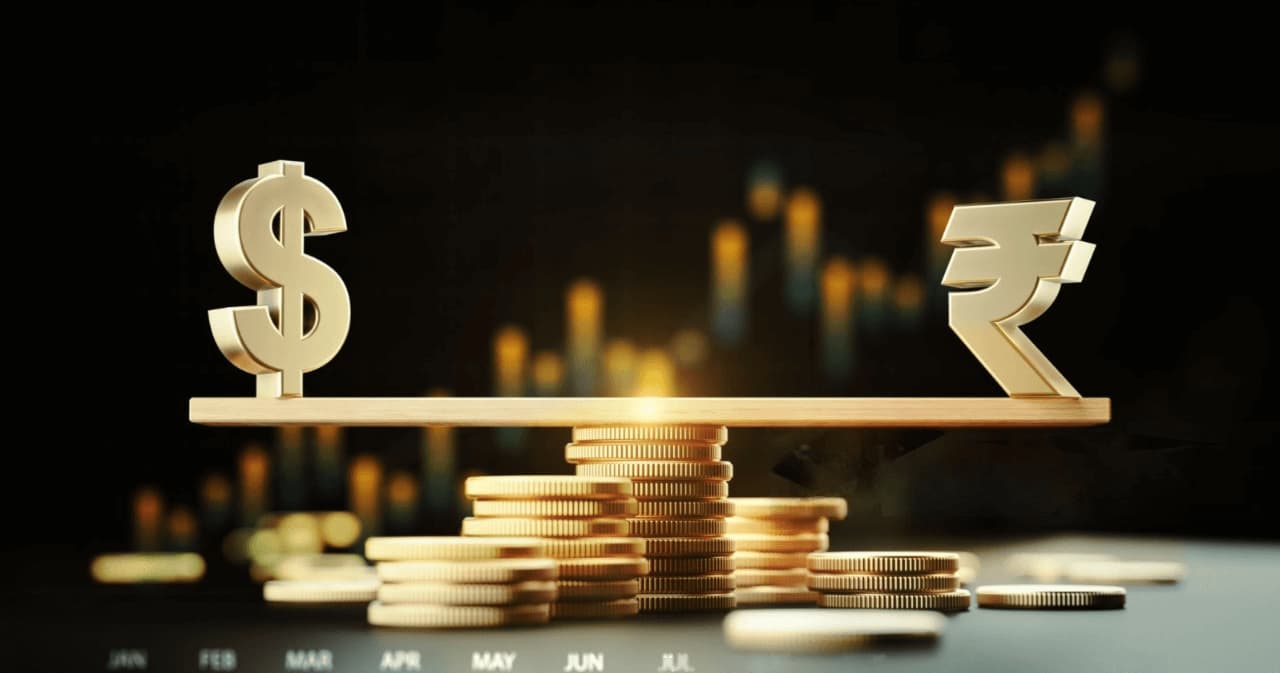
    • Rupee Appreciation: The Indian rupee appreciated by 95 paise, closing at 95.78 against the US dollar, marking its steepest single-day gain in over six months.
    • RBI Measures: The Reserve Bank of India (RBI) introduced measures to support the rupee, including:
      • Restrictions on rebooking cancelled foreign exchange derivative contracts.
      • Lowering the threshold for transactions allowed without underlying exposure.
      • Strengthened documentation requirements.
      • Introduction of a new Foreign Exchange Risk Reserve (FERR).
    • Forex Market Context: The rupee emerged as the strongest currency among Asian peers due to these measures aimed at curbing speculation and maintaining market discipline.
    • Crude Oil Prices Impact: A pullback in crude oil prices assisted the rupee's recovery, which had previously faced pressure from prices exceeding $100 per barrel.
    • Forex Reserves: India’s forex reserves fell by $12.95 billion to $734.60 billion as of October 2, 2026.

    Market Performance

    • Stock Indices:
      • BSE Sensex declined by 0.76%, dropping 547 points to 71,924.68.
      • NSE Nifty fell by 0.70%, decreasing 157 points to 22,363.35.
    • Inflation and Monetary Policy: Anticipation of consumer price index (CPI) inflation data is influencing market sentiment and expectations regarding potential monetary tightening by the RBI.

    Banking and Financial Outlook

    • CRR Requirement: The RBI raised the daily cash reserve ratio (CRR) maintenance requirement to absorb surplus liquidity, which contributed to declines in banking stocks.
    • Foreign Institutional Investors (FII): Continuous outflows of FII, driven by external uncertainties, have been affecting market dynamics and the performance of large-cap stocks.
    • Small-Cap Performance: Mid- and small-cap stocks outperformed large caps, buoyed by expectations of a stronger earnings season for Q2FY27.

    International Considerations

    • Geopolitical Risks: Ongoing Houthi attacks on Saudi Arabia and regional energy infrastructure contribute to concerns over supply disruptions and elevated crude oil prices, indicating geopolitical risks’ direct impact on economic stability.

    Additional Insights

    • Investor Sentiment: Weaker domestic equities have limited the rupee's gains, emphasizing the interconnection between currency performance, global economic conditions, and local market sentiment.
    • Future Projections: The sustained recovery of the rupee is contingent upon FII inflows, movement in crude oil prices, and general fluctuations of the dollar.

    This summary encapsulates significant economic data, the effects of RBI policies, and market reactions influenced by international factors relevant for examination and analysis in the context of Indian economy and monetary policy.

  • Patient Expectations: Patients often expect tangible outcomes from consultations, leading to unnecessary tests or medications.
  • Defensive Medicine: Clinicians may order additional tests to avoid missing potential diagnoses, despite associated risks.
  • Statistics:

    • A study from Frontiers in Pharmacology (2021) found 49% of older adults in India experience polypharmacy.
    • Scientific Reports (2025) reported 33% of older adults take five or more prescribed medicines, with 28.8% of these considered potentially inappropriate.
  • Global Context:

    • Overtreatment has been recognized in high-income countries and is becoming noticeable in middle-income nations.
    • The "Choosing Wisely" initiative promotes careful consideration of medical interventions and has led to approximately 700 global recommendations across specialties.
  • Proposed Solutions:

    • Strengthening Primary Care: Reinstate family physicians as primary contacts for non-emergency health issues to mitigate overmedication.
    • Medication Review Protocol: Establish review dates and guidelines for prescriptions to avoid long-term unnecessary medications.
    • Development of Low-Value Lists: Medical societies and the Indian Council of Medical Research should compile and disseminate lists of redundant procedures to enhance training and quality care.
    • Patient Inquiry: Educate patients on critical questions regarding tests and treatments to enable informed decision-making.
    • Reward Outcomes: Shift health insurance and payment systems to prioritize effective outcomes rather than the volume of services rendered.
  • Conclusion:

    • With medical advancements continuously evolving, the next essential phase includes understanding when restraint is necessary to avoid overmedicalization. الطب
  • 5.8%
  • Concerns surrounding the Rabi crop are escalating due to low soil-moisture levels and high temperatures, likely affecting production.
  • Future Inflation Indicators:

    • Predictions for October suggest continued price pressures, with ICRA anticipating food and beverage inflation to exceed 8%.
    • SBI projections estimate CPI at 6.5% in the third quarter and 5.6% in the fourth quarter.
  • Monetary Policy Implications:

    • Elevated inflation rates may prompt the RBI’s Monetary Policy Committee (MPC) to consider monetary tightening.
    • Expected rate hike: Most economists anticipate an increase of 25 basis points, with some speculating a possibility of 50 basis points during the MPC meeting scheduled for December.
  • Economic Context:

    • The recent trends in inflation are drawing attention to the potential for tighter monetary policy by the Reserve Bank of India (RBI), reflecting the challenges posed by food prices and global crude oil costs.
    • Rising inflation metrics point toward increased urgency for policymakers to balance growth with price stability.

    Conclusion:

    Retail inflation's rise, primarily driven by food prices and global oil price fluctuations, is raising concerns among economists about future monetary policy decisions. The RBI's upcoming November review could lead to significant adjustments in interest rates, depending on further inflation developments.