iAspirants
Overtreatment Challenges in Modern Healthcare
Published on:
Source: The Hindu
Share this post

Article Summary
Health Care System Overview in India: Overtreatment vs. Undertreatment
Current State of Medicine:
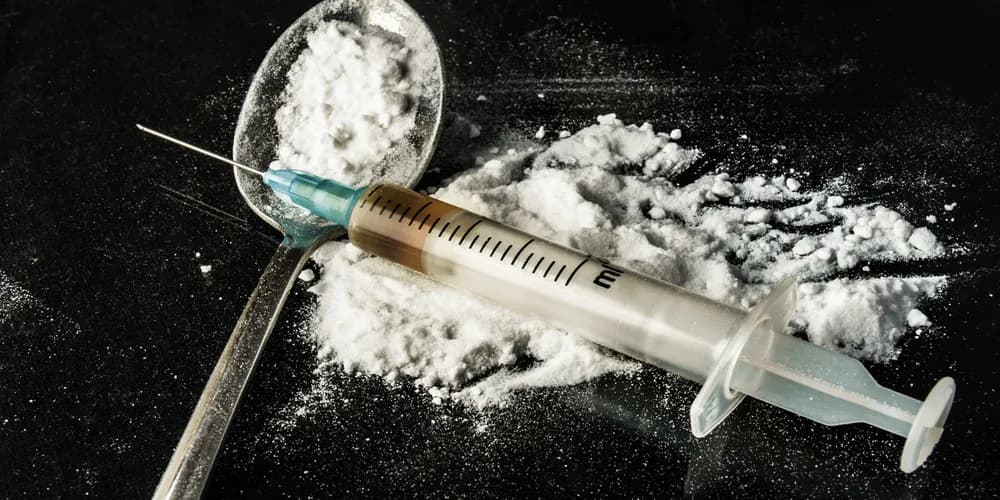
- Modern medicine excels in diagnosis and treatment capabilities but is increasingly prone to overtreatment and overmedication.
- Overtreatment can lead to unnecessary tests, prolonged medication, or surgeries, while a lack of affordable primary care leaves many under-treated.
Drivers of Overtreatment:
- Excessive Testing: Many health check packages include unwarranted tests, leading to false positives and unnecessary interventions.
- Fragmentation of Care: Reliance on specialists can neglect comprehensive treatment of patients, particularly among older adults.
- Marketplace Dynamics: Health care is treated as a marketplace, prioritizing tests and interventions over necessary care.
- Health Insurance Challenges: While insurance protects against expenses, it can promote unnecessary procedures and discourage preventive care.
- Patient Expectations: Patients often expect tangible outcomes from consultations, leading to unnecessary tests or medications.
- Defensive Medicine: Clinicians may order additional tests to avoid missing potential diagnoses, despite associated risks.
Statistics:
- A study from Frontiers in Pharmacology (2021) found 49% of older adults in India experience polypharmacy.
- Scientific Reports (2025) reported 33% of older adults take five or more prescribed medicines, with 28.8% of these considered potentially inappropriate.
Global Context:
- Overtreatment has been recognized in high-income countries and is becoming noticeable in middle-income nations.
- The "Choosing Wisely" initiative promotes careful consideration of medical interventions and has led to approximately 700 global recommendations across specialties.
Proposed Solutions:
- Strengthening Primary Care: Reinstate family physicians as primary contacts for non-emergency health issues to mitigate overmedication.
- Medication Review Protocol: Establish review dates and guidelines for prescriptions to avoid long-term unnecessary medications.
- Development of Low-Value Lists: Medical societies and the Indian Council of Medical Research should compile and disseminate lists of redundant procedures to enhance training and quality care.
- Patient Inquiry: Educate patients on critical questions regarding tests and treatments to enable informed decision-making.
- Reward Outcomes: Shift health insurance and payment systems to prioritize effective outcomes rather than the volume of services rendered.
Conclusion:
- With medical advancements continuously evolving, the next essential phase includes understanding when restraint is necessary to avoid overmedicalization. الطب
Key Terms & Concepts
| National Medical Journal of India | Publication reviewing health-check packages |
| Frontiers in Pharmacology | Published study on polypharmacy |
| Scientific Reports | Study on older adults' medication |
| Choosing Wisely movement | Global initiative for careful healthcare |
| Indian Council of Medical Research | Promotes better medical practices |
| 2012 - 2023 | Period of recommendations publication |
| 80 specialty societies | Contributors to healthcare recommendations |
| five or more medicines | Definition of polypharmacy issue |
| Primary Care | First contact for health needs |
| health insurance | Financial protection for health expenses |