iAspirants
India's New Era in Spaceflight
Published on:
Share this post

Article Summary
Summary of the Axiom-4 Mission and India's Human Spaceflight Program
On Wednesday, during the launch of the Axiom-4 mission, Indian astronaut Shubhanshu Shukla remarked that this lift-off represented not only the commencement of his journey to the International Space Station (ISS) but also the initiation of India’s human spaceflight program. His statement signifies India's growing prominence as a space-faring nation, paralleling the historic words of astronaut Rakesh Sharma during his mission 41 years earlier.
Key Developments in India's Space Program
- A New Era for ISRO: Shukla's journey marks a transformative phase in the Indian Space Research Organisation (ISRO), aiming to make human spaceflight as routine as satellite launches.
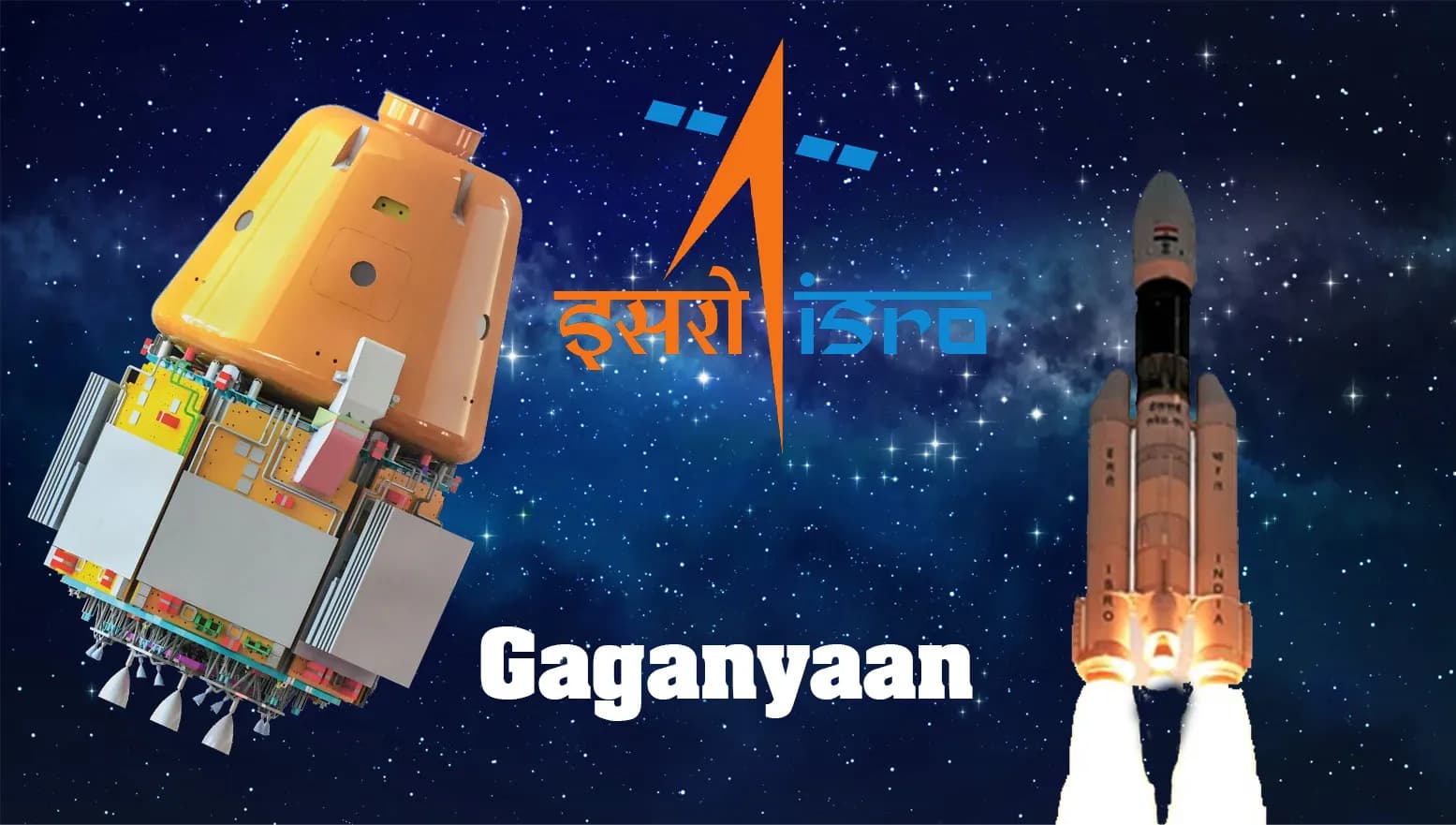
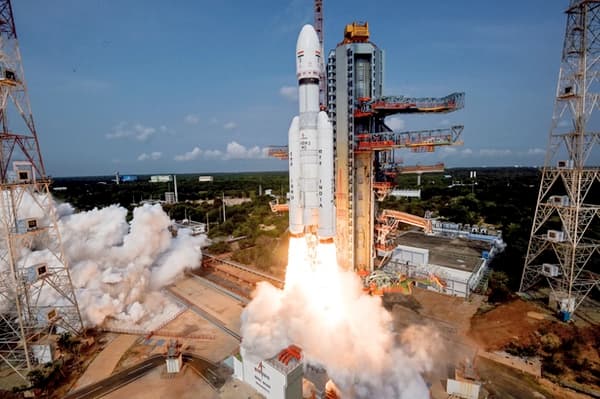
- Background on Gaganyaan Program: Despite missing the ambitious target of sending humans into space by 2022, ISRO accelerated efforts on the Gaganyaan project, which plans a series of manned space missions. The first crewed mission from this program is targeted for launch by 2027.
- Strategic Importance of Human Spaceflight: Human spaceflight provides strategic advantages and capabilities essential for scientific exploration and commercial opportunities in space, making it a critical aspect of national security and technological prowess.
Future Aspirations and Potential
- Long-Term Goals: ISRO has announced that it aims to construct its own space station and land humans on the Moon by 2040.
- Technical Collaboration: Shukla's mission exemplifies a collaborative effort, where ISRO has played an integral role, validating its capabilities in the planning and execution phases of the Axiom-4 mission.
- Learning and Adaptation: Experiences from the Axiom-4 mission could enhance the Gaganyaan program’s execution, benefiting from troubleshooting and innovations learned during its preparation.
Economic Implications and Opportunities
- Emerging Technologies: Space exploration is one of several consequential technologies, along with artificial intelligence, quantum computing, and clean energy, which have far-reaching economic and strategic implications.
- Global Space Economy: As one of the leading space nations, India currently contributes approximately 2% to the global space economy, indicating significant growth potential and opportunities for expansion in the commercial space sector.
- Encouragement for Youth: The prospect of human spaceflight is likely to inspire younger demographics, fostering a new wave of talent, innovation, and employment within India's space program.
Conclusion
Shubhanshu Shukla's mission symbolizes a pivotal milestone in the evolution of India's capabilities in space exploration, with strategic endeavors laying the groundwork for future advancements. The continued focus on developing indigenous technologies and partnerships in space exploration can lead India to enhance its position as a formidable player in the global space arena.
Important Points
- Shubhanshu Shukla's statements mark the initiation of India's human spaceflight program.
- The Gaganyaan program aims for crewed missions starting by 2027.
- ISRO is working towards building a space station and landing on the Moon by 2040.
- Space exploration has significant economic and strategic implications.
- India currently holds a 2% share of the global space economy, indicating vast growth potential.
- The mission is expected to inspire future generations to engage in the space sector.
Key Terms & Concepts
| Axiom-4 mission | India's human spaceflight program |
| International Space Station | Destination for astronauts |
| ISRO | Indian Space Agency |
| Gaganyaan program | Manned missions to space |
| Moon | Target for future landings |
| USA | Partner in mission |
| China | Competitor in space |
| artificial intelligence | Emerging strategic technology |
| space-based technologies | Business opportunities |