iAspirants
Current AffairsPrelims PYQsUPSC CSE SyllabusUPSC CSE StrategyBlogsPricing
Login
iAspirants
Current AffairsPrelims PYQsUPSC CSE SyllabusUPSC CSE StrategyBlogsPricingContact UsLoginSignUp
iAspirants

Your AI-powered companion for UPSC preparation.

Study Resources

  • Current Affairs
  • Prelims PYQs
  • UPSC CSE Syllabus
  • UPSC CSE Strategy
  • Blogs

Practice & Plans

  • Mains Answer Evaluation
  • Pricing
  • Sign Up
  • Login

Company

  • Home
  • About Us
  • Contact Us
  • FAQs

Legal

  • Privacy Policy
  • Terms & Conditions
  • Return Policy

© 2026 iAspirants, Inc. All rights reserved.

  1. Blogs
  2. International Relations

India's Participation in SCO Meeting

Published on: 02-Oct-2026

Source: Indian Express

Share this post
India's Participation in SCO Meeting

Article Summary

Summary Notes: India-Pakistan Engagement Amid SCO Meeting

Context and Significance

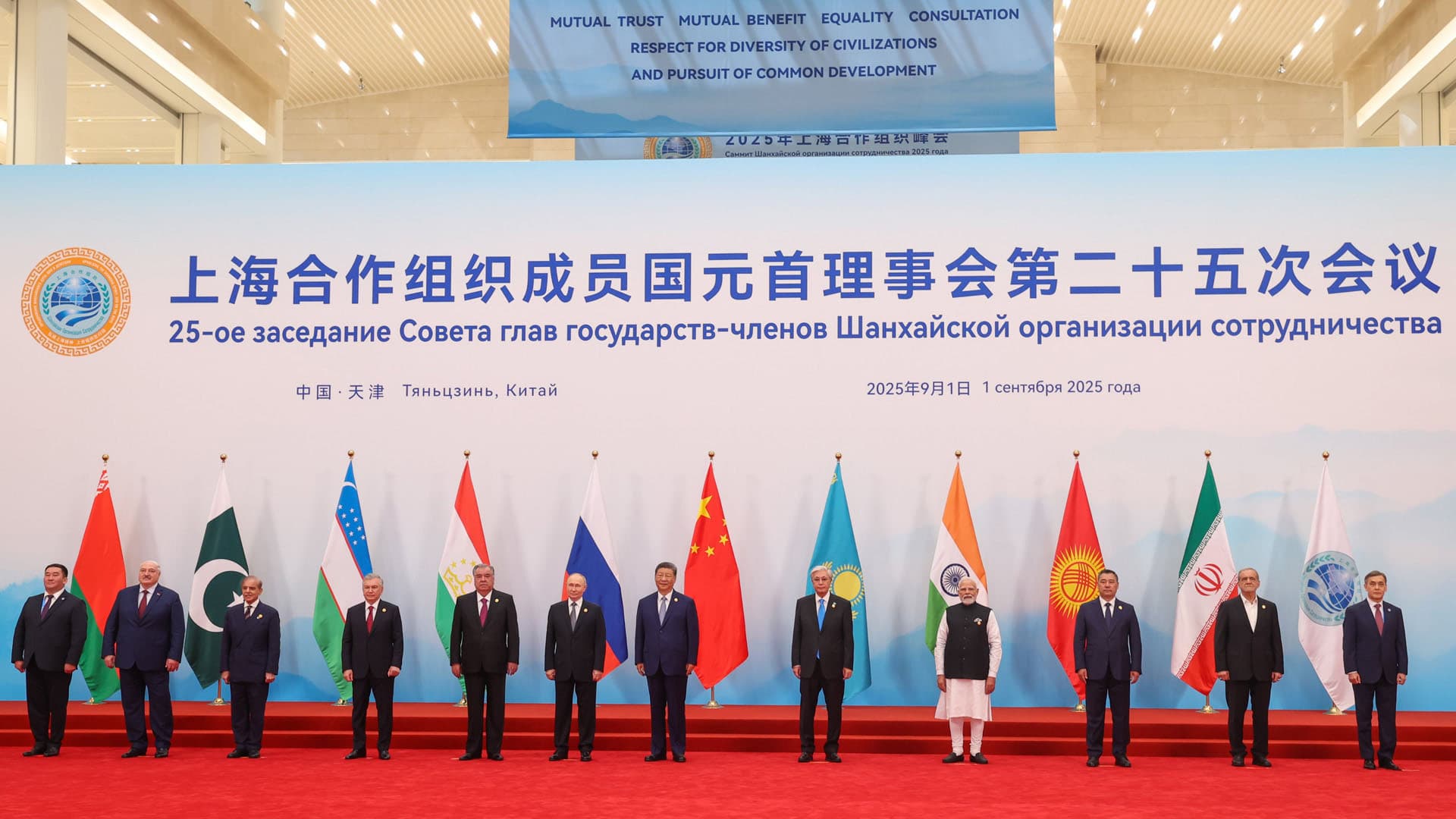
  • Shanghai Cooperation Organisation (SCO): India participated in the recent SCO national coordinators’ meeting in Islamabad, marking the first official visit since Operation Sindoor in 2025.
  • India's Representation: Alok Dimri, a senior official from the Ministry of External Affairs, attended the meeting. His previous roles include ambassador to Kyrgyzstan and responsibilities related to G20 and BRICS.

Key Points from the Visit

  1. Diplomatic Challenges:

    • India faces diplomatic tension with Pakistan and the support of the US to Pakistan amidst allegations of terrorism.
    • China, allied with Pakistan, provided military support during Operation Sindoor.
    • India aims for situational awareness regarding Pakistan's strategies within the SCO framework.
  2. Future Engagements:

    • Pakistan's potential invitation for PM Modi to the upcoming SCO leaders’ summit signifies a possible thaw in relations; Modi has not visited Pakistan since 2016.
    • Past Indian boycotts of events in Pakistan (e.g., the SAARC summit) complicate this future engagement.
  3. Geopolitical Considerations:

    • The global impacts of conflicts such as the Russia-Ukraine war and tensions with Iran are distracting international focus, affecting India's foreign policy dynamics.
    • Trump’s support for Pakistan’s military has also contributed to a complex security environment in South Asia.
  4. Response Strategy:

    • India will continue to respond robustly to any provocative statements by Pakistan regarding issues like Kashmir and terrorism, as endorsed at recent international forums.
  5. China's Strategic Impact:

    • The ongoing border standoff with China poses a significant challenge, more so than relations with Pakistan. Maintaining calm on both fronts is essential for India’s strategic stability.
    • Engaging in multilateral discussions at platforms like the SCO may aid in tension de-escalation.

Diplomatic Implications

  • India’s participation at the SCO highlights the necessity to remain involved in conversations that address regional security, even in strained bilateral ties with Pakistan.
  • An emphasis on being included in discussions is encapsulated in the strategy: "If you are not part of the table, you are on the menu.”

Constitutional and Policy References

  • Engagement at international forums like the SCO aligns with India's foreign policy principles outlined in the Directive Principles of State Policy (DPSP) and the Constitution’s emphasis on promoting international peace and security (Article 51).

International Relations

  • The SCO serves as a significant platform for multilateral engagement where India must navigate complex relations with both Pakistan and China, impacting regional geopolitics.

Conclusion

The recent SCO meeting articulated the intricate balance India must maintain amidst challenging diplomatic relations with Pakistan, while also addressing major threats posed by China, highlighting the need for careful strategic engagement and robust foreign policy.

Key Terms & Concepts

Shanghai Cooperation OrganisationMultilateral diplomatic forum
Operation SindoorIndian military operation
G20Economic forum participation
BRICSEconomic cooperation group
KashmirLocation of G20 meeting
Pakistan-occupied KashmirArea of concern for India
ChinaKey regional player
USInfluencing regional dynamics
Xi JinpingChinese President
TrumpFormer US President
October 2024Date of previous SCO meeting
May 2023Date of G20 meeting
2029End date of Trump's term

Mind Map for UPSC Civil Services Revision

Turn UPSC Civil Services Current Affairs Into Exam-Ready Notes

Reading International Relations current affairs is half the work. Revise them with ready-made notes and test what actually stuck.

  • Daily UPSC Civil Services current affairs analysis
  • Revision notes, mind maps & MCQs
  • Prelims mock tests with instant results

Related UPSC Civil Services Current Affairs Articles

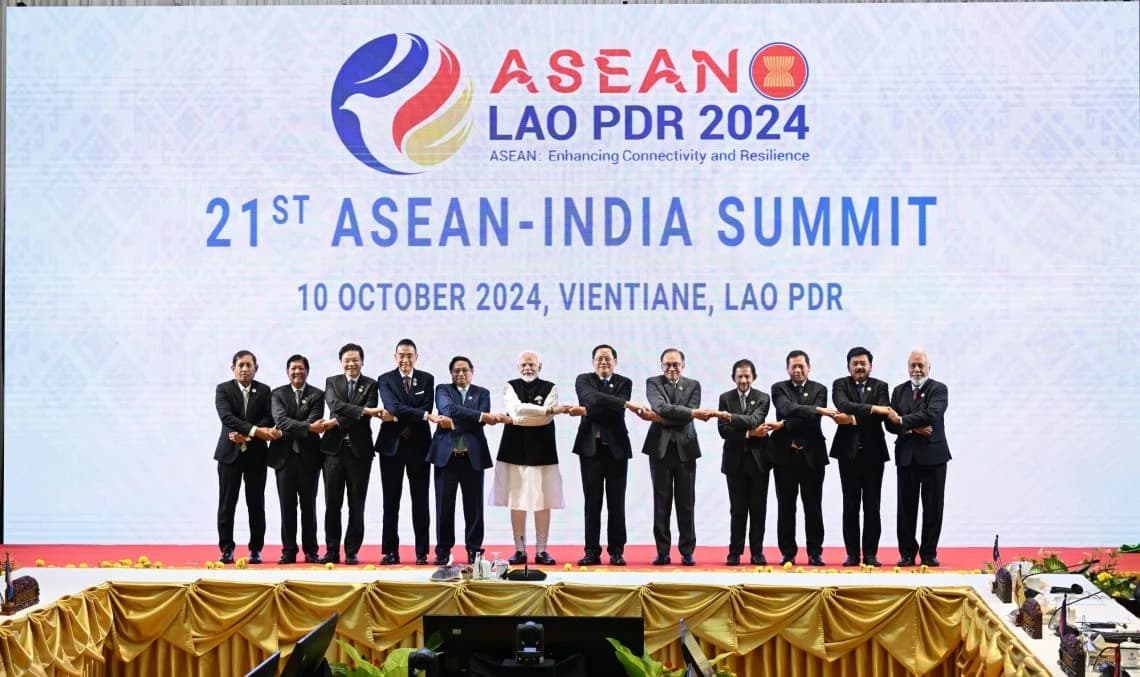
India-ASEAN Summit Strategic Importance
International Relations16-Nov-2026

India-ASEAN Summit Strategic Importance

International Relations: India-ASEAN Engagement

  • Summit Information:

    • Prime Minister Narendra Modi participated in the ASEAN-India Summit and East Asia Summit on November 16-17, 2026.
    • Location: Manila.
Practise Mains answer writingUpload a handwritten answer and get it evaluated

Context & Importance:

  • The summit is viewed as pivotal due to rising strategic rivalries and economic disruptions on an international scale.
  • Aims to reaffirm ASEAN centrality in global governance and consolidate outcomes of the 2026 ASEAN-India Year of Maritime Cooperation.
  • The event is aligned with India's Act East Policy to enhance cooperation with Southeast Asian nations.
  • ASEAN-India Dialogue Partnership:

    • The partnership will celebrate its 35th anniversary in 2027 after evolving since the establishment of relations in 1992.
    • Highlights a transition from basic bilateral trade and cultural exchanges to a Comprehensive Strategic Partnership.
  • Significance of ASEAN:

    • India is recognized as an ASEAN dialogue partner that prioritizes ASEAN’s strategic autonomy and supports its inclusive institutional framework.
    • Reinforces India's commitment towards regional integration and collaboration in multifaceted areas including trade, security, cultural exchange, and environmental sustainability.
  • Future Prospects:

    • Potential for added momentum in various sectors, suggesting growth in economic ties, security collaboration, and cultural interactions as part of the evolving partnership.
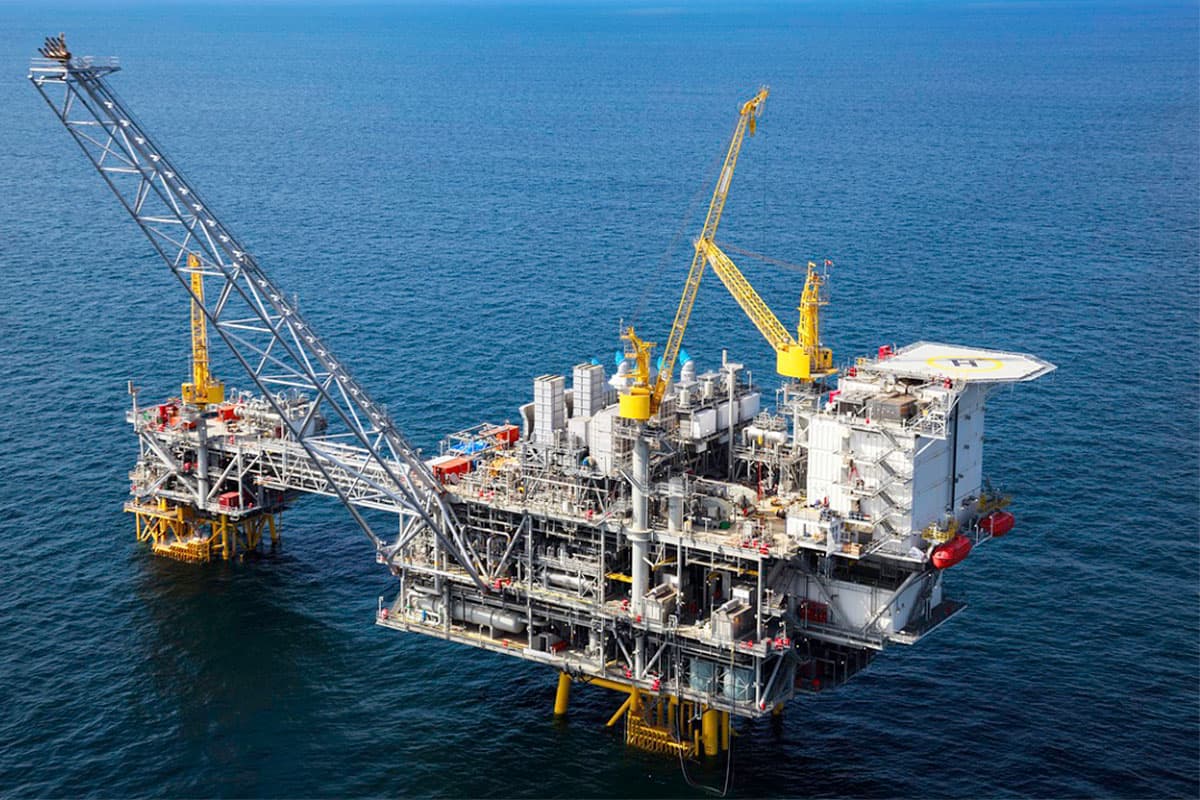
  • India's Record Fossil Fuel Imports from Russia
    International Relations13-Nov-2026

    India's Record Fossil Fuel Imports from Russia

    Summary of Key Points on India's Fossil Fuel Imports from Russia

    Economic Data:

    • India's Imports: In October 2026, India imported Russian fossil fuels worth €6.4 billion, marking the highest monthly import since January 2022.
    • Crude Oil Composition: Crude oil made up 91% (€5.8 billion) of these imports; coal accounted for €333 million, and oil products for €232 million.
    • Price Increase: The average price of Russia's flagship crude, Urals, rose 13% month-on-month to $101.7 per barrel, the highest since October 2021.

    International Trade Dynamics:

    • Ranking: India is the second-largest buyer of Russian hydrocarbons, following China, which imported €10.7 billion worth in the same month.
    • China's Share: China purchased 50% of Russia's crude exports from February 2023 to October 2026, while India covered 37%.
    • EU Position: The European Union remains a significant importer but ranks third behind China and India for Russian fossil fuels.

    Geopolitical Context:

    • Post-Ukraine War Impact: India ramped up its imports following the February 2022 invasion of Ukraine, benefiting from discounted prices offered by Russia after Western sanctions.

    • Refinery Increases: Notable increases in Russian crude imports were observed at Indian refineries:

      • Vadinar by 12%
      • Jamnagar by 22%
      • Paradip by 28%

      Jamnagar refinery is reported as the largest importer of seaborne Russian crude.

    Russian Revenue Statistics:

    • Export Revenues: Russia's fossil fuel export revenues increased by 14% month-on-month to €754 million per day, the highest since December 2022.
    • Crude Oil Export Increase: Revenues rose 19% to €449 million per day in October 2026, the highest since June 2022.
    • Seaborne vs. Pipeline:
      • Seaborne crude revenue rose 23% to €352 million per day.
      • Pipeline export earnings also increased by 6% month-on-month.

    Strategic Conclusions:

    • There is significant concentration in Russia’s fossil fuel exports, primarily to China, India, and Turkiye.
    • India's strategic import behaviour has shifted under changing geopolitical circumstances, markedly increasing reliance on Russian fossil fuels.
    • The energy crisis driven by the West Asia conflict has further augmented revenue for Russia amidst global energy price fluctuations.

    This summary encapsulates relevant economic data, trade dynamics, geopolitical contexts, and revenue statistics pertaining to the fossil fuel trade between India and Russia, aiding in understanding the implications for international relations and energy markets.

    India-Nepal Foreign Relations Meeting
    International Relations06-Nov-2026

    India-Nepal Foreign Relations Meeting

    India-Nepal Bilateral Relations: Key Highlights from Foreign Secretary Vikram Misri's Visit

    1. Key Meetings and Participants:

      • Vikram Misri, Foreign Secretary of India, met with:
        • Prime Minister Balendra Shah of Nepal
        • Finance Minister Swarnim Wagle
        • Foreign Minister Sisir Khanal
        • Nepali Foreign Secretary Amrit Bahadur Rai
    2. Focus Areas of Discussion:

      • Bilateral Cooperation:
        • Discussions centered on enhancing relations in diverse sectors including commerce, development, hydropower, and physical connectivity.
        • Emphasis on energy cooperation, border management, and improving people-to-people ties.
      • Digital Connectivity and AI:
        • New initiatives proposed in digital networks and artificial intelligence to strengthen bilateral ties further.
    3. Upcoming Visit:

      • Discussions included preparations and anticipated outcomes for Prime Minister Shah's upcoming visit to India.
    4. Border Dispute:

      • Prior mention by PM Shah regarding border disputes in the Lipulekh-Kalapani-Limpiyadhura region, with India asserting a preference for resolution through bilateral talks rather than involving third-party nations.
    5. Humanitarian Assistance:

      • Nepal expressed appreciation for India's timely humanitarian and technical aid following the recent Bhotekoshi floods.
    6. Political Context:

      • PM Balendra Shah's government came to power following the Gen-Z uprising in September 2025, which resulted in the ousting of the previous government.
    7. International Relations:

      • Strategic discussions reflect India's interest in maintaining stable and cooperative relationships with neighboring countries, focusing on mutual benefits.
    8. Impact on Future Relations:

      • Continuation of dialogue on these pressing issues is crucial for fostering long-term peace and collaboration in South Asia, especially concerning regional stability and development initiatives.

    This outline encapsulates the essential elements of the discussions during Foreign Secretary Vikram Misri’s visit to Nepal, highlighting areas of cooperation, ongoing disputes, and humanitarian contributions, which are pivotal for the strengthening of India-Nepal relations.