iAspirants
India's Rapid Poverty Decline and Green Jobs
Published on:
Source: Indian Express
Share this post
Article Summary
Key Highlights: India's Economic and Employment Development
Poverty Decline:
- The World Bank reports a significant reduction in poverty in India, with 496 million individuals escaping poverty from 2011 to 2023.
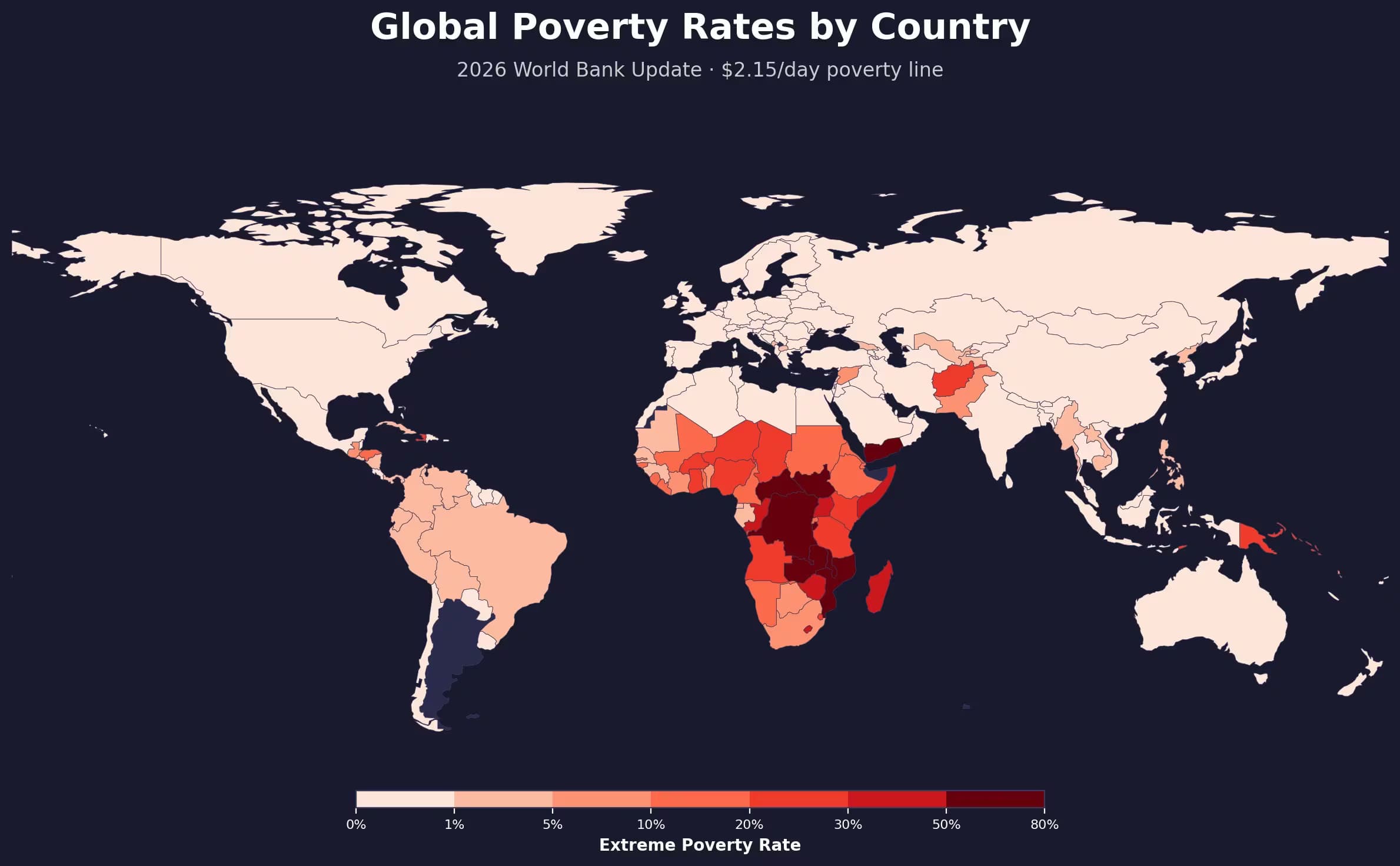
- Extreme poverty decreased from 27.1% to 2.6% during the same period.
- The improvement is attributed to strong consumption growth, social transfers, and increased employment, particularly among women.
Employment and Green Jobs:
- India aims for a 'Viksit Bharat' (Developed India) by 2047 and a net-zero economy by 2070.
- New industries in renewable energy, electric vehicles, and climate resilience are projected to create over 1.3 crore jobs by 2035, with a focus on local employment opportunities.
- Sectors like rooftop solar, EV repair, waste recovery, and agroforestry will significantly impact rural employment.
Youth Demographics:
- Over 27% of the Indian population is aged 15-29, with an increasing number pursuing higher education (17.3% graduates in 2025; women leading at 17.9%).
- The worker population ratio is nearly aligned with the labour force participation rate, indicating a robust labor market.
Skills Transferability:
- A high transferability rate of skills exists between traditional sectors and emerging green jobs: 71% for thermal power roles to renewables, and 90% for automobile roles to electric vehicles with targeted training.
Technical Education and Training Needs:
- Only 5.3% of youth receive technical education; 5% have formal vocational training.
- Current training initiatives have only prepared 81,000 individuals for green roles, while demand for green jobs is expected to grow by approximately 4.5 lakh annually.
Government Initiatives:
- The PM-SETU scheme (Rs 60,000 crore) is modernizing 1,000 ITIs (Industrial Training Institutes), which currently hold over 26 lakh seats.
- The Ministry of Skill Development and Entrepreneurship is revising the National Policy for Skill Development and Entrepreneurship to align with the green economy.
Challenges Ahead:
- There is a pressing need for longer-term education and training to incorporate technical skills that match advanced green job roles.
- Current training programs are largely short-term; about 43% of formally trained workers have completed courses shorter than six months.
- A cohesive education and skilling continuum from school to vocational training and the workplace is essential for full employment potential in the green sector.
Conclusion: India's journey from alleviating poverty to establishing a workforce with secure, rising incomes hinges on the development of green jobs and the effective translation of education into actionable skills tailored for the evolving economy.
Key Terms & Concepts
| World Bank | Described poverty decline rate |
| 496 million | People moved out of poverty |
| 27.1% to 2.6% | Extreme poverty reduction percentage |
| Viksit Bharat | Goal for 2047 |
| Net-zero economy by 2070 | Long-term environmental target |
| 1.3 crore jobs by 2035 | Potential jobs in green sectors |
| PM-SETU scheme | Modernizing government ITIs |
| 15,000 Industrial Training Institutes (ITIs) | Training capacity in India |
| Rs 60,000 crore | Budget for PM-SETU scheme |
| Ministry of Skill Development and Entrepreneurship | Revising National Policy |
| 4.5 lakh jobs a year | Projected job growth in green sectors |
| 81,000 people | Trained under green programmes |