iAspirants
India's Shubhanshu Shukla in Space
Published on:
Share this post

Article Summary
Summary of the News Article:
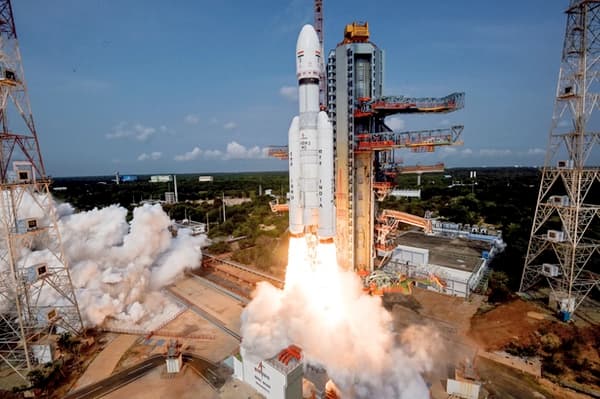
On June 25, 2025, at noon IST, Indian astronaut Shubhanshu Shukla, along with three other astronauts, launched from NASA’s Florida spaceport as part of the Axiom-4 commercial mission to the International Space Station (ISS). This marks the first Indian journey to orbital space since Rakesh Sharma's 1984 flight. Should Shukla’s SpaceX Dragon capsule successfully dock with the ISS on June 26, he will also be the first Indian astronaut to be onboard the ISS.
Key points of the mission and its implications include:
- Mission Duration and Activities: Shukla and the ISS crew will engage in experiments linked to the Axiom-4 mission, of which eight will originate from the Indian Space Research Organisation (ISRO).
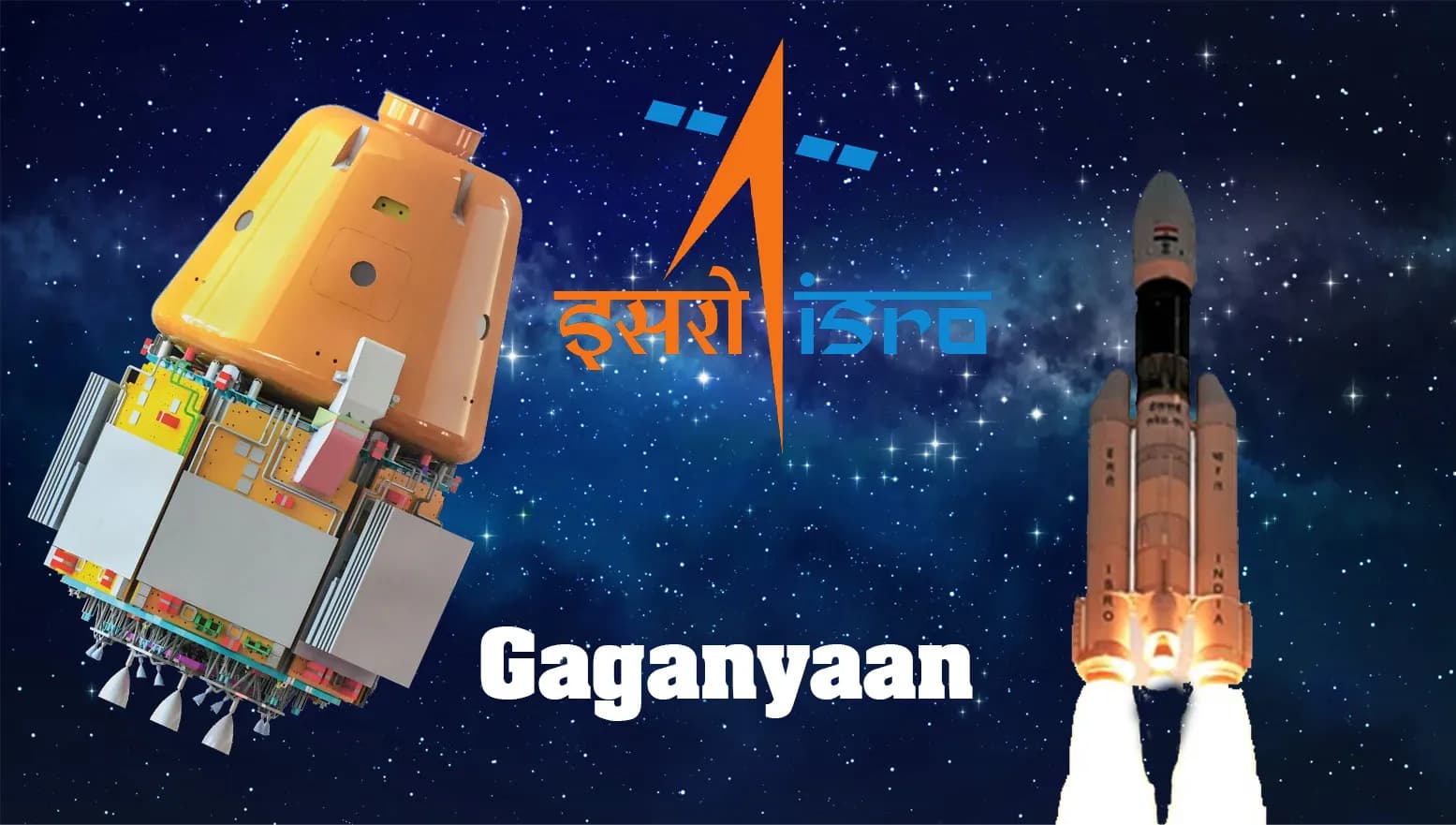
- Gaganyaan Mission: Shukla is considered a leading candidate for India’s maiden human spaceflight, Gaganyaan, scheduled for 2027. His participation in Axiom-4 is seen as a preparatory step for the Gaganyaan mission.
- Financial Aspects: The Indian government allocated ₹548 crore for Shukla’s spot on Axiom-4, as part of a broader ₹20,200-crore budget for Gaganyaan. The rationale behind this expenditure has not been satisfactorily communicated by the Department of Space and ISRO.
- Insight for Future Missions: The expenditure is justified on the grounds that it will yield valuable insights into human spaceflight, operational coordination, and astronaut training.
- Comparative Context: The article contrasts advancements from Rakesh Sharma's era, noting heightened complexities and stakes in modern space travel.
Concerns with Current Space Industry:
- The collaboration with private firm Axiom raises questions about future U.S. access to Dragon crew capsules, especially considering political tensions surrounding trade tariffs and governmental budget proposals under President Donald Trump.
- The potential decommissioning of the ISS by 2030 adds an element of urgency for international cooperation in space and the viability of India's own space initiatives.
International Collaborations:
- Future partnerships involving NASA and private U.S. companies like Blue Origin could benefit from Gaganyaan technologies, showcasing the significance of strengthening U.S.-India relations in the space sector.
Future Outlook for ISRO:
- The organization is urged to maintain transparent communication regarding its missions and to effectively respond to increasing public expectations after Shukla’s return. The successful execution of future projects will hinge on a balance between public and commercial sector needs, and enhancing support to the private space sector.
Published: June 26, 2025
Important Sentences:
- Shubhanshu Shukla's launch on June 25, 2025, marks the first Indian orbital flight since 1984.
- Successful docking with the ISS would also make Shukla the first Indian onboard the ISS.
- The Axiom-4 mission includes eight experiments from ISRO.
- Shukla is a prime candidate for India's Gaganyaan mission planned for 2027.
- ₹548 crore was allocated for Shukla's seat in Axiom-4, part of a larger ₹20,200-crore budget for Gaganyaan.
- The rationale for such expenditure has yet to be clearly communicated by ISRO and the Department of Space.
- The ISS is expected to be decommissioned by 2030, impacting future space missions.
- There is a call for ISRO to improve communication and expectations management with the public.
Key Terms & Concepts
| Axiom-4 | Commercial mission to ISS |
| NASA | Collaborating agency for space |
| International Space Station | Destination for astronauts |
| Indian Space Research Organisation | Conducting experiments in space |
| Gaganyaan | India's human spaceflight mission |
| Elon Musk | Involved in space contracts |
| Blue Origin | Private space company |