iAspirants
India's Sustainable Aviation Fuel Initiatives
Published on:
Source: Indian Express
Share this post
Article Summary
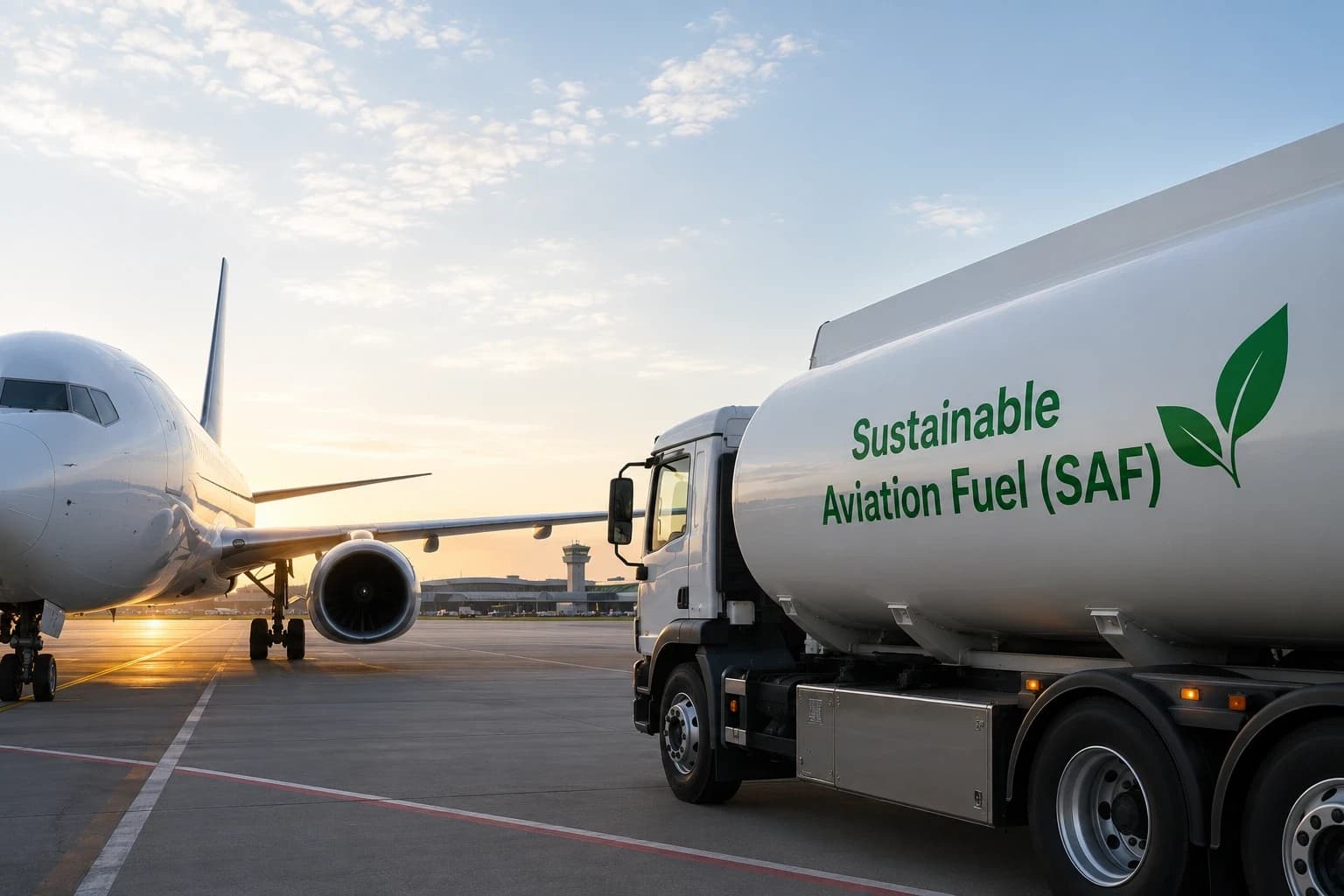
Summary of Sustainable Aviation Fuel (SAF) Development in India
Key Developments:
- Indian Oil Corporation has established India's first commercial-scale plant for manufacturing Sustainable Aviation Fuel (SAF) in Panipat.
- The plant has a capacity of 30,000 tonnes per annum and will help meet India’s SAF blending mandates expected to commence from January 2027.
- Bharat Petroleum is also poised to start production at its SAF unit in Mumbai, expecting a capacity of 41,000 tonnes per annum.
Production and Regulatory Approvals:
- The Panipat plant uses used cooking oil as feedstock, aligning with global trends in sustainable fuel production.
- The plant's operational readiness signifies all necessary approvals, including from the Directorate General of Civil Aviation (DGCA).
- The combined market share of Indian Oil and Bharat Petroleum in international jet fuel sales exceeds 90%.
Global Context and Industry Impact:
- SAF is projected to contribute over 60% to the global aviation industry's decarbonization effort, with Airbus affirming all its aircraft can use up to 50% SAF blended fuel.
- The International Civil Aviation Organisation (ICAO) is advocating for SAF adoption to decarbonize the aviation sector, with countries like the UK, EU member states, Japan, and Singapore already implementing SAF blending mandates.
Government Policy and Targets:
- The Indian government has set indicative targets for SAF blending: 1% in 2027, 2% in 2028, and 5% by 2030 for international flights.
- India's National Biofuel Coordination Committee (NBCC) is tasked with the roadmap for SAF introduction in domestic flights.
Economic Considerations:
- The production cost of SAF is two to three times higher than traditional jet fuel, which poses challenges for widespread adoption.
- Bridging this cost gap is under negotiation, highlighting the need for policies encouraging SAF production incentives.
Future Strategies and Regulations:
- With the Carbon Offsetting and Reduction Scheme for International Aviation (CORSIA) mandatory phase starting in 2027, airlines globally must offset CO2 emissions above 2020 levels, making SAF crucial for compliance.
- India is focusing on developing pathways to produce SAF from alternative sources like ethanol, although current European regulations restrict usage of ethanol derived from food crops, potentially impacting Indian producers looking to set up ethanol-based SAF units.
Conclusion: The developments surrounding SAF in India mark a significant step towards the nation's involvement in sustaining aviation fuel production, aligning with international environmental mandates. As production capabilities ramp up, strategic government policies and industry adaptations will play critical roles in ensuring India's competitiveness and compliance in the transitioning global aviation market.
Key Terms & Concepts
| Sustainable Aviation Fuel (SAF) | Green fuel for aviation |
| Indian Oil Corporation | Manufacturer of SAF |
| 30,000 tonnes-per-annum | Production capacity of SAF plant |
| Bharat Petroleum Corporation | Another SAF producer |
| 1% blending in 2027 | SAF blending target |
| CORSIA | Global aviation carbon scheme |
| National Biofuel Coordination Committee (NBCC) | Sets blending targets for SAF |
| International Civil Aviation Organisation (ICAO) | Promotes decarbonisation |
| Ethanol | Potential SAF feedstock |
| Used cooking oil | Primary feedstock for SAF |