iAspirants
Current AffairsPrelims PYQsUPSC CSE SyllabusUPSC CSE StrategyBlogsPricing
Login
iAspirants

Your AI-powered companion for UPSC preparation.

Quick Links

  • Home
  • About Us
  • Current Affairs
  • Prelims PYQs
  • UPSC CSE Syllabus
  • UPSC CSE Strategy
  • Blogs

Company

  • Pricing
  • FAQs
  • Contact Us
  • Login

Legal

  • Privacy Policy
  • Terms & Conditions
  • Return Policy

© 2026 iAspirants, Inc. All rights reserved.

  1. Blogs
  2. Economic and Social Development

India's Wind Energy Capacity Growth

Published on: 09-Sep-2026

Source: The Hindu

Share this post

India's Wind Energy Capacity Growth

Article Summary

Wind Energy Development in India

  1. Installed Capacity:

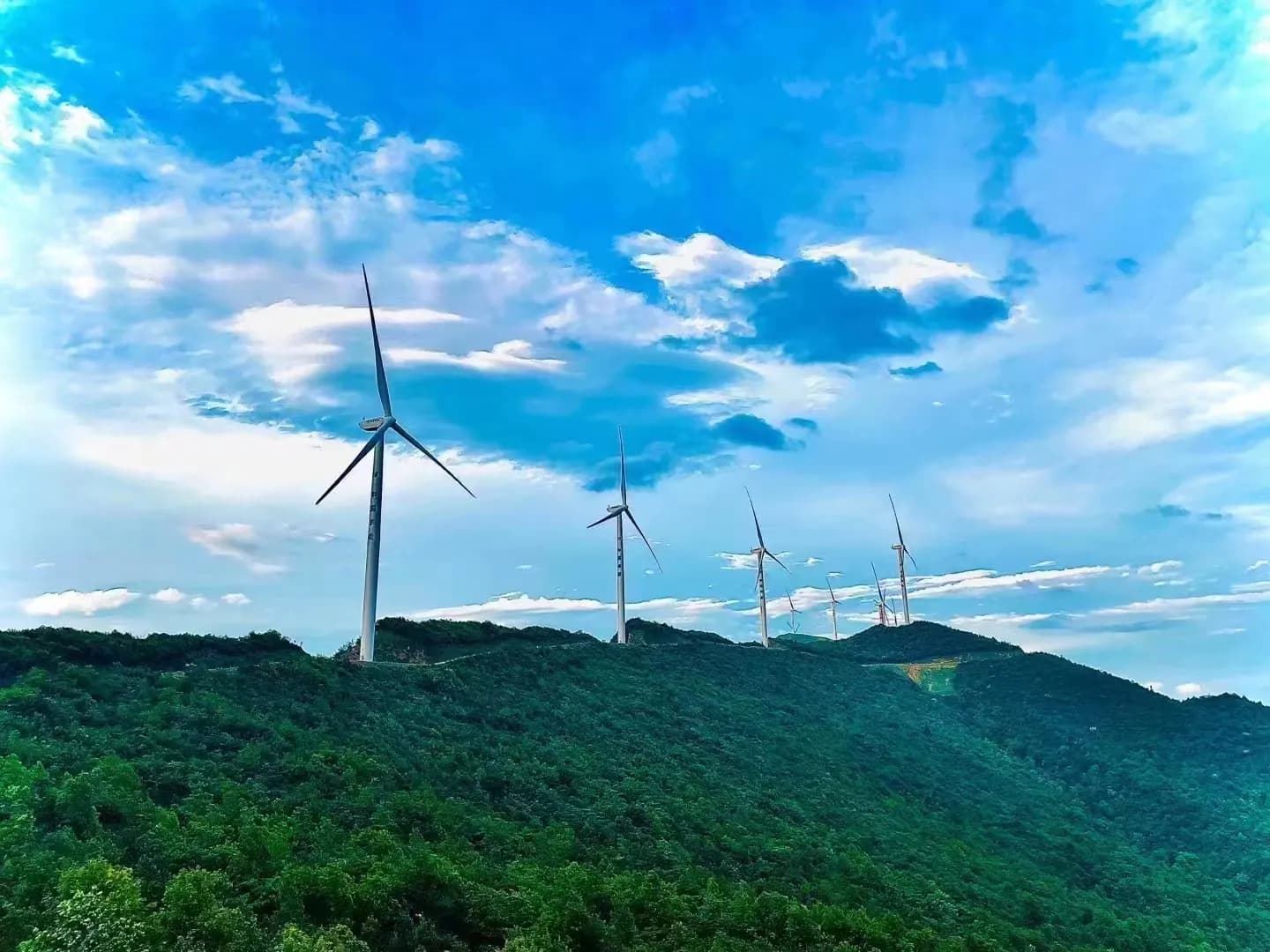
    • India has increased its wind energy capacity to approximately 54 GW over the past five years.
    • The target is to reach 100 GW by 2030.
  2. Indigenisation and Manufacturing:

    • Domestic value addition in wind energy technology is estimated at 70-80%.
    • Critical components for further indigenisation include:
      • Gearboxes
      • Specialised bearings
      • Permanent magnet materials
  3. Government Support:

    • The initiative is backed by the Ministry of Power and the Ministry of New and Renewable Energy (MNRE).
  4. Upcoming Event:

    • Windergy India 2026: An international trade fair and conference scheduled for October 7-9, 2026, at the Chennai Trade Centre.
      • Expected participation: Over 20,000 attendees, 400 delegates, and 350 exhibitors from more than 30 countries.
      • Aims to enhance collaboration within the wind energy ecosystem.
  5. Importance of Tamil Nadu:

    • Tamil Nadu plays a pivotal role in the advancement of India's wind energy sector.
  6. Future Focus:

    • Emphasis on strengthening manufacturing capabilities and supply chain resilience to achieve renewable energy targets.
  7. Industry Leadership:

    • Remarks from industry leaders underscore the importance of creating a self-reliant wind manufacturing ecosystem in India.

This summary encapsulates the current status and future goals of the wind energy sector in India, reflecting its significance in the country's renewable energy landscape.

Key Terms & Concepts

54 GWInstalled wind energy capacity
100 GWTarget wind energy capacity by 2030
70-80%Domestic value addition in wind energy
Windergy India 2026International trade fair and conference
October 7-9, 2026Conference dates
Chennai Trade CentreConference venue
Indian Wind Turbine Manufacturers Association (IWTMA)Organizing body for the event
Ministry of Power and MNRESupporters of the event
20,000 people, 400 delegates, 350 exhibitorsExpected participants in the event
PDA Ventures Pvt LtdCo-organizer of the event

Mind Map for UPSC Civil Services Revision

Turn UPSC Civil Services Current Affairs Into Exam-Ready Notes

Reading Economic and Social Development current affairs is half the work. Revise them with ready-made notes and test what actually stuck.

  • Daily UPSC Civil Services current affairs analysis
  • Revision notes, mind maps & MCQs
  • Prelims mock tests with instant results

Related UPSC Civil Services Current Affairs Articles

Bihar's Alcohol Ban and Substance Abuse
Economic and Social Development24-Oct-2026

Bihar's Alcohol Ban and Substance Abuse

Bihar Prohibition and Excise Act 2016

  • Enacted under the leadership of Chief Minister Nitish Kumar to ban alcohol consumption, primarily to gain support from women voters.
  • Aims to address law-and-order concerns and improve women's mobility through initiatives like the Mukhyamantri Cycle Yojana.

Substance Abuse in Bihar
  • Narcotics Challenge: Growth in narcotics use poses significant policy and political challenges. New Chief Minister Samrat Choudhary faces this crisis.
  • Statistics under NDPS Act:
    • 1,905 cases registered in the first five months of 2023; up from 697 in the entire year of 2019.
    • Significant increase in narcotic tablets seized: from 29,762 in 2022 to 9.29 lakh in 2023.

Types of Drugs

  • Rise in various narcotics, including opioids, sedatives, and synthetic drugs (e.g., heroin, brown sugar).
  • A correlation between alcohol prohibition leading to increased substance abuse, particularly among young men.

Law Enforcement Actions

  • A Special Task Force dedicated to narcotics has been formed.
  • The Prohibition and State Narcotics Control Bureau established in 2025 is now merged with the police’s prohibition unit.

Community Involvement and Challenges

  • Acknowledgment from law enforcement officials that police action alone is insufficient; community efforts are essential in combating addiction.
  • The Bihar government is urged to implement holistic strategies that involve societal participation rather than mere prohibition.

Historical Context

  • Over the past decade of prohibition, Bihar has witnessed an average of 196 arrests per day related to alcohol and substances, indicating systemic issues.

Conclusion

  • The Choudhary administration faces the dual challenge of rectifying the rise in narcotics and addressing the underlying social issues related to addiction, suggesting the need for a comprehensive policy approach rather than solely criminalization.
Healthcare Activist Arrested Over Mining Protests
National and International Importance24-Oct-2026

Healthcare Activist Arrested Over Mining Protests

Key Facts and Information on the Kalahandi Bauxite Mining Protest

  1. Individuals Involved:

    • Randall Sequeira: A medical graduate from St. John’s Medical College and an MD from Sawai Man Singh Medical College, active in providing healthcare in Odisha’s Kalahandi district.
    • Laxman Naik: Another anti-mining activist arrested alongside Sequeira.
  2. Arrest Details:

    • Date of arrest: October 16 (year unspecified).
    • Charges: Attempt to murder, rioting, possession of arms; linked to a violent clash in April involving police and tribal communities concerning the bauxite mine.
    • Judicial Custody: Sequeira is in a sub-jail in Rayagada.
  3. Context of Protests:

    • Tribal opposition to bauxite mining in the Sijimali and Kutrumali blocks in the Eastern Ghats; concerns over ecological impact and livelihoods.
    • Both mining sites have substantial bauxite reserves:
      • Sijimali block: 1,500 hectares, estimated reserves of 311 million tonnes.
      • Kutrumali block: 702 hectares, estimated reserves of 127.737 million tonnes.
    • Corporate Bidders: Vedanta (Sijimali) and Adani Group's Kalinga Alumina Limited (Kutrumali).
  4. Government Response:

    • Police justifications for arrests include maintaining law and order; multiple pending cases against Sequeira.
    • Controversial police actions during protests include violent clashes and accusations of detaining villagers without warrants.
  5. Legal Reference:

    • Orissa High Court: In July 2025, they quashed an exclusion order against Sequeira under Section 163 of the BNSS which allows temporary restrictions from entering certain areas for public safety.
  6. Impact on Healthcare:

    • Sequeira worked extensively on maternal and child health initiatives in tribal areas, emphasizing community empowerment over mere medical treatment.
    • His activities included organizing medical camps and training local health workers.
  7. Anti-Mining Movement:

    • Led by groups like Maa Mati Mali Surakhya Manch.
    • Concerns raised about the socio-economic impact of mining on tribal communities, fearing disruption to their way of life and ecological balance.
  8. Judicial and Institutional Support:

    • Noted support from environmental activists like Prafulla Samantara, recipient of the Goldman Environmental Prize; he condemned the crackdown on activists.
  9. Economic Considerations:

    • Mining operations, while potentially lucrative, pose risks of environmental degradation and social unrest due to displacement of tribal populations and threats to biodiversity.
  10. Protests and Clashes:

    • Notable incidents include a violent encounter between police and villagers over road construction leading to the mining site, resulting in injuries and arrests of protestors.
  11. Constitutional Rights:

    • Context reflects tensions between constitutional rights to free speech and assembly versus aggressive enforcement actions by law enforcement against protests.

These notes outline critical elements concerning the health, legal, socio-economic, and environmental dimensions of the ongoing protests against bauxite mining in Kalahandi, highlighting the important roles played by local activists and the government's response to dissent.

Record-Breaking Jio IPO in India
Economic and Social Development24-Oct-2026

Record-Breaking Jio IPO in India

Key Facts and Data about Jio Platforms' IPO

  1. IPO Overview:

    • Jio Platforms launched a ₹30,213-crore IPO, which has become the largest public offering in India's capital market history.
    • Total bids received exceeded ₹4.90 lakh crore, including an anchor book subscription of ₹2.5 lakh crore.
  2. Subscription Details:

    • The IPO was 22.19 times subscribed overall.
    • Qualified institutional buyers (QIBs) bid 70.55 times their allotted quota.
    • Non-institutional investors subscribed 14 times and retail investors 2.72 times their quota.
  3. Share Details:

    • Against 19.75 crore shares on offer, demand reached 438.26 crore shares.
    • Price band for the shares was set between ₹1,065-1,119 per share, with the final price likely at the upper limit.
  4. Market Impact:

    • Jio's market capitalization could exceed ₹10 lakh crore, positioning it among the top five most valuable companies in India.
    • The IPO is particularly significant considering the current adverse stock market conditions, including a 15% decline in the Sensex in 2026 due to high crude oil prices, rising inflation, and bond yields.
  5. Debt Repayment and Use of Proceeds:

    • The company plans to allocate ₹27,500 crore of the IPO proceeds for debt repayment, with the rest for general corporate purposes.
  6. Telecommunications Leadership:

    • Jio has grown to over 524 million subscribers, with a 5G subscriber base of 268 million by March 2026, representing 55% of its total wireless traffic.
    • Investments from global firms such as Meta Platforms, Google, and Intel have contributed significantly to its valuation.
  7. Future Goals:

    • The company aims to capture a substantial share of India's digital economy, projected to reach $1.4 trillion by the financial year 2030-31, while transitioning to a debt-free status.
  8. Historical Context:

    • This IPO surpasses previous significant public offerings, including the Hyundai IPO of ₹27,870 crore in 2024 and the LIC IPO of ₹21,008 crore in 2022.

Economic Implications:

  • The IPO marks a significant trend in the financing of Indian companies amidst various economic challenges, reflecting robust investor confidence.
  • Jio’s aggressive business model and technological advancements signal potential future growth in India's economy, especially within the digital sector.

Conclusion:

The performance and reception of Jio Platforms' IPO highlight not only a pivotal moment in Indian finance but also indicative of investor optimism in a fluctuating market landscape. It underscores the importance of strategic investments and market reforms in driving economic growth and innovation.

US Pushes India for Venezuelan Oil
International Relations24-Oct-2026

US Pushes India for Venezuelan Oil

Summary Notes on US-India Oil Import Dynamics and Venezuelan Oil

Key Facts and Data

  • US Encouragement: The US is urging India to increase imports of Venezuelan oil, particularly through Reliance Industries Ltd (RIL), which operates the largest single-location refinery in Jamnagar, Gujarat.
  • Venezuelan Oil: The oil is uniquely heavy and sulfurous, making it suitable for processing at RIL's complex, which can handle around 1.4 million barrels per day (bpd).
  • Current Imports: India’s Venezuelan oil imports peaked at 350,000 bpd in August 2026, then decreased to 200,000 bpd in September 2026.
  • Contribution: Reliance accounted for 74.3% of India's Venezuelan crude imports (worth $3,585.6 million from April to August 2026).
  • Major Suppliers: Other refiners like Indian Oil and Hindustan Petroleum also import Venezuelan crude but to a lesser extent (11.7% and 11.3% respectively).

Economic Indicators

  • Pricing Challenges: Venezuela's Merey grade oil is priced at $25 per barrel lower than Brent, but shipping costs to India offset that advantage, making Venezuelan oil less competitive.
  • Competition: The return of heavier crude grades from Iraq, which are closer and cheaper to ship, may hinder Venezuelan crude's market share in India.

Constitutional and Policy Context

  • Geopolitical Dynamics: The US aims to redirect Venezuelan crude to strengthen its market after years of sanctions, while India seeks to diversify its energy sources amidst pressures regarding its Russian oil imports.
  • Russian Oil Dynamics: India has significantly increased oil imports from Russia to 1.9 million bpd (over 35% of total oil imports in September 2026), influenced by substantial discounts post-Ukraine invasion.

Judicial and Committee Insights

  • GTRI Report: The Global Trade Research Initiative highlighted the need for India to distinguish between increasing Venezuelan oil imports and reducing reliance on Russian supplies.

International Relations

  • Strategic Allies: The US waiver of potential tariffs on Russian energy buyers aims to prevent inflation impacts ahead of midterm elections, showcasing a flexibility in US policy to maintain its relationship with India as a strategic partner.
  • Venezuelan Oil as a Supplement: Experts indicate that Venezuelan oil will not replace Russian supplies but can serve as an alternative in India's broader diversification strategy involving over 40 supplying countries.

Government Schemes and Energy Policies

  • Import Diversification Strategy: India continues to diversify its oil sources in response to market conditions and geopolitical pressures, exploring genuine engagement with alternative suppliers rather than succumbing to external pressures.

By maintaining a strong refining capacity, India can play a pivotal role in absorbing Venezuelan crude, yet systemic challenges remain in terms of economics, reliable supply, and geopolitical implications of shifting energy sources.

Bihar's Rising Drug Crisis Post-Prohibition
National and International Importance23-Oct-2026

Bihar's Rising Drug Crisis Post-Prohibition

Exam-Focused Notes on Bihar's Drug Crisis (2026)

Background:

  • Prohibition in Bihar: Implemented in April 2016.
  • Seizures & Arrests:
    • Total of approximately 3.16 crore litres of liquor seized.
    • 7.15 lakh arrests made related to liquor violations.
    • Daily average: 8,650 litres seized and 196 arrests.

Shift to Drug Trade:

  • Emergence of Illegal Markets: Post-prohibition, illegal liquor prices surged due to a black market, stimulating a shift towards narcotics.
  • Identification of Drugs: Increase in the availability of cheap drugs like brown sugar and heroin variants (e.g., ‘kota’).

NDPS Cases Statistics:

  • Increase in Drug Cases: Bihar saw 1,905 NDPS (Narcotic Drugs and Psychotropic Substances) cases from January to May 2026,
    • Up by 83 cases compared to all of 2022.
    • 2019 recorded 697 cases.

Specific Drug Seizures (2026):

  • Ganja: Increased from 16,692 kg in 2022 to 31,915 kg in 2025.
  • Tablets: 9.29 lakh tablets seized in Jan–May 2026 alone, compared to 29,762 in 2022.
  • Total Seizures: Over Rs 52.32 crore worth of drugs confiscated by Special Task Force (STF) with 315 arrests as of October 2026.

Young People and Drugs:

  • Juvenile Detentions:
    • 50 juveniles detained under the NDPS Act in 2024 alone, compared to 11 over seven years (2016-2023).
  • Estimated Young Drug Users:
    • Cannabis: 99,000
    • Opioids: 40,000
    • Inhalants: 29,000
    • Sedatives: 8,000

Economic Implications:

  • Price Comparison:
    • Black market liquor: Rs 1,500 per bottle in Bihar.
    • Brown sugar: Rs 300-500 for small packets.
    • Drug usage less expensive compared to liquor, leading to increased consumption.

Drug Trafficking Routes:

  • Source Countries:
    • The majority of heroin and synthetic drugs originate from Myanmar.
    • Transit through Northeast India (Mizoram and Manipur borders) before reaching Bihar.

Legal Framework:

  • Narcotic Drugs and Psychotropic Substances Act, 1985: Primary legal framework under which drug-related cases are being prosecuted in Bihar.

Initiatives and Responses:

  • Establishment of Anti-Narcotics Units: Bihar's state response includes setting up dedicated units to combat drug trafficking.
  • Prohibition and State Narcotics Control Bureau: Formed in September 2025.
  • Nasha Mukt Bharat Campaign: Launched with a target year of 2029 to combat substance abuse.

Key Takeaway:

Bihar's drug crisis, arising primarily due to a prohibition-induced vacuum, has evolved into an alarming public health and legal issue with implications for youth, law enforcement, and policy-making. The increasing trend in NDPS cases underscores the need for comprehensive strategies to tackle both prevention and enforcement in the state.

Core Industrial Performance and Challenges
Economic and Social Development23-Oct-2026

Core Industrial Performance and Challenges

Economic Indicators and Industrial Performance

  1. Core Industries Performance (September 2026):

    • Index of Core Industries grew by 7.9%, marking the highest growth in this series and representing the second month of consecutive growth.
    • Coal Sector: Experienced a growth surge of 10.7% in September, although it contracted by 1.1% during the April-September 2026 period.
    • Electricity Sector: Grew by 11.4%, maintaining a trend of double-digit growth for six months.
  2. Sectoral Insights:

    • The rise in coal demand was driven by a heat wave, affecting power plant operations due to depleting coal stocks.
    • Steel Sector: Though it recorded growth, it was insufficient to support coal's output, whereas iron ore saw a rebound into double-digit growth.
    • Crude Oil & Natural Gas Sectors: These sectors have been in continuous contraction since 2024, highlighting fiscal challenges.
India's Oil Imports and Geopolitical Dynamics
International Relations23-Oct-2026

India's Oil Imports and Geopolitical Dynamics

Key Facts & Data Overview

International Relations & Trade:

  • US-India Oil Relations: The US is urging India to increase imports of Venezuelan oil through Reliance Industries Ltd (RIL), which has the world's largest single-location refining complex in Jamnagar, Gujarat.
  • US Secretary of State Marco Rubio's Visit: He emphasized India's status as a "refining superpower" during his recent visit to RIL.
  • Crude Oil Processing Capability: RIL's complex can process approximately 1.4 million barrels per day (bpd), making it suitable for refining Venezuela's heavy crude oil.

Oil Imports Data:

  • Venezuelan Oil Imports: India imported Venezuelan crude worth $3,585.6 million from April to August 2026. Reliance accounted for 74.3% of these imports.
  • Total Venezuelan Crude Purchase in September 2026: Peaked at 350,000 bpd in August, easing to 200,000 bpd in September.
  • Comparative Sources: Russia is currently the largest oil supplier to India, providing in September 2026, accounting for over of total oil imports.
Tribal Land Rights and Agriculture
Economic and Social Development22-Oct-2026

Tribal Land Rights and Agriculture

Key Highlights on Forest Rights and Agricultural Development for Tribal Communities:

  1. Constitutional Framework:

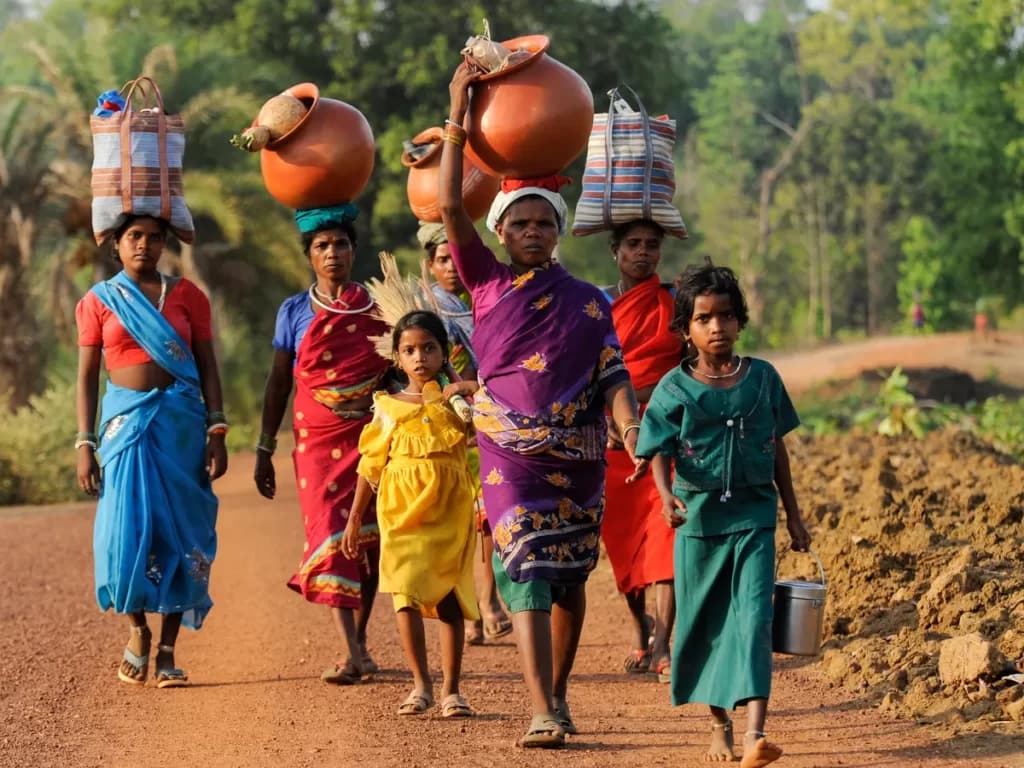
    • Forest Rights Act (FRA), 2006: This Act secures rights over land for tribal and forest-dwelling communities, enhancing their land and livelihood entitlements.
  2. Agricultural Potential:

    • The recognition of forest rights translates into opportunities for sustainable agriculture, particularly focusing on oilseeds and pulses which are suitable for rain-fed and marginal lands.
    • Combinations of crops that can be cultivated include:
      • Oilseeds: Soybean, Groundnut, Sunflower, Mustard.
      • Pulses: Chickpeas, Grams, Lentils.
  3. Regional Analysis:

    • Focus on 244 tribal districts across 33 States and Union Territories reveals:
      • 60 districts have strong oilseed production potential.
      • 31 districts are well-suited for pulses.
      • 23 districts are favorable for both crops.
    • Regional agricultural patterns show that Kharif crops like paddy and maize dominate during the season, while wheat and pulses are key in Rabi.
  4. Sustainability Practices:

    • Recommendations for complementing land rights with improved agricultural practices, including:
      • Access to quality seeds and improved crop varieties.
      • Enhanced soil moisture management and agricultural extension services.
    • Infrastructure investment in drying, storage, and processing to minimize post-harvest losses.
  5. Convergence with Government Schemes:

    • Pradhan Mantri Krishi Sinchayee Yojana: Focuses on irrigation improvements.
    • National Food Security and Nutrition Mission: Aims to ensure food security and nutrition for the population.
    • National Mission on Edible Oils: Targets increasing domestic production of edible oils.
    • Pradhan Mantri Annadata Aay Sanrakshan Abhiyan: Provides price assurance for farmers.
    • Van Dhan Yojana: Empowers tribal communities through value addition to forest products.
  6. Institutional Support:

    • Empowerment of local organizations, such as:
      • Farmer Producer Organizations (FPOs)
      • Cooperatives
      • Self-Help Groups (SHGs) which facilitate aggregation and market access.
    • Integration of geographic information system (GIS) technology for crop planning and institutional credit improvements.
  7. Economic Impact:

    • Emphasis on enhancing farm income, nutritional diversity, and livelihood resilience for tribal households by aligning agricultural practices with local ecological conditions.
    • Strengthening national food security through targeted production strategies in tribal regions.
  8. Local Development Strategies:

    • Suggestion for a region-specific strategy aiming to develop clusters for oilseed and pulse production, factoring in the unique agro-climatic conditions of tribal districts.

By facilitating targeted interventions and embracing an integrated approach to farming and market access, there is potential for transformational impacts on the livelihoods of forest-dwelling communities in India.

  • Refinery Outputs: Increased to 10.3% in September, indicating reliance on expensive imported oil, with imports up 7% by volume but 47% in value.
  • Global Oil Market:

    • Oil prices escalated to over $112/barrel due to attacks on Saudi Arabia's energy infrastructure, complicating India’s import costs.
    • Continued reliance on imported oil is straining India’s foreign exchange reserves, particularly essential for stabilizing the rupee.
  • Government Role & Infrastructure Spending:

    • Cement and steel are the only sustainable industrial sectors, primarily fueled by government infrastructure expenditure.
    • Shrinking fiscal space indicates an impending challenge for sustained industrial output growth.
  • Constitutional and Policy References

    • Article 21: Addresses the right to life and personal liberty; a focus on maintaining economic stability can be linked to this fundamental right.
    • Fiscal Policy: The need for fiscal prudence becomes critical in light of industrial dips and reliance on expensive imports.

    Government Schemes and Reforms

    • Emphasis on infrastructure spending indicates potential alignment with ongoing government schemes aimed at boosting industrial output and job creation.
    • Encouragement of local production to reduce import reliance is paramount.

    Challenges Ahead

    • Concerns regarding the long-term sustainability of industrial growth amidst rising global oil prices, depleting reserves, and significant reliance on imports.
    • Continued monitoring of the El Niño effect on weather patterns is essential for predicting energy demands and agricultural impacts moving forward.

    Conclusion

    The industrial landscape in India is exhibiting momentary growth, supported largely by government spending and external factors, yet underlying challenges remain in sustaining this growth against a backdrop of rising costs and contractive patterns in major energy sectors.

    1.9 million bpd
    35%

    Economic Considerations:

    • Market Dynamics: The US aims to establish a market for Venezuelan oil, benefitting from Indian refining capacity, while India assesses purchases based on price, quality, and supply reliability.
    • Freight Costs: The freight cost to import Venezuelan crude to India is about $35 per barrel, which can erode the benefits of a $25 discount offered on the Merey grade crude.
    • Economic Rivalries: The competition from other oil supplies, particularly from the Gulf (Iraq), complicates the scenario for Venezuelan oil.

    Challenges:

    • Limitations on Imports: Technical capabilities and commercial viability limit the scale of additional Venezuelan crude imports. Refining capacity and economics play crucial roles.
    • Differing Quality of Crude: Venezuelan crude (Merey) is markedly different from Russian crude (Urals), complicating the substitution of one for the other.

    Strategic Implications:

    • US and Indian Strategies: US interests are to diversify energy sources and reduce global reliance on conflict-prone areas. Conversely, India's strategy considers maintaining a stable supply of crude despite pressures to reduce Russian imports.
    • Geopolitical Pressures: Experts suggest New Delhi should not link its Venezuelan imports to reducing purchases of Russian oil and must approach negotiations from a standpoint of diversification without compromising existing resources.

    Legal & Policy Insights:

    • Washington's Position: The US has waived potential tariffs on Russian oil imports, impacting ongoing negotiations between Washington and New Delhi while prioritizing stable fuel prices amid election pressures domestically.
    • Future Commitments: Experts advocate for India to clarify terms regarding supply reliability, investment obligations, and pricing before committing to increased Venezuelan imports under US pressure.

    Conclusion:

    India's role as an emerging refining powerhouse presents both opportunities and challenges, particularly in balancing international relations regarding oil imports from Venezuela and Russia. The intricate web of price, logistics, and geopolitical strategy defines current discussions, with careful navigation required to optimize India's energy security.