iAspirants
India's Youth Unemployment Crisis Explained
Published on:
Source: The Hindu
Share this post
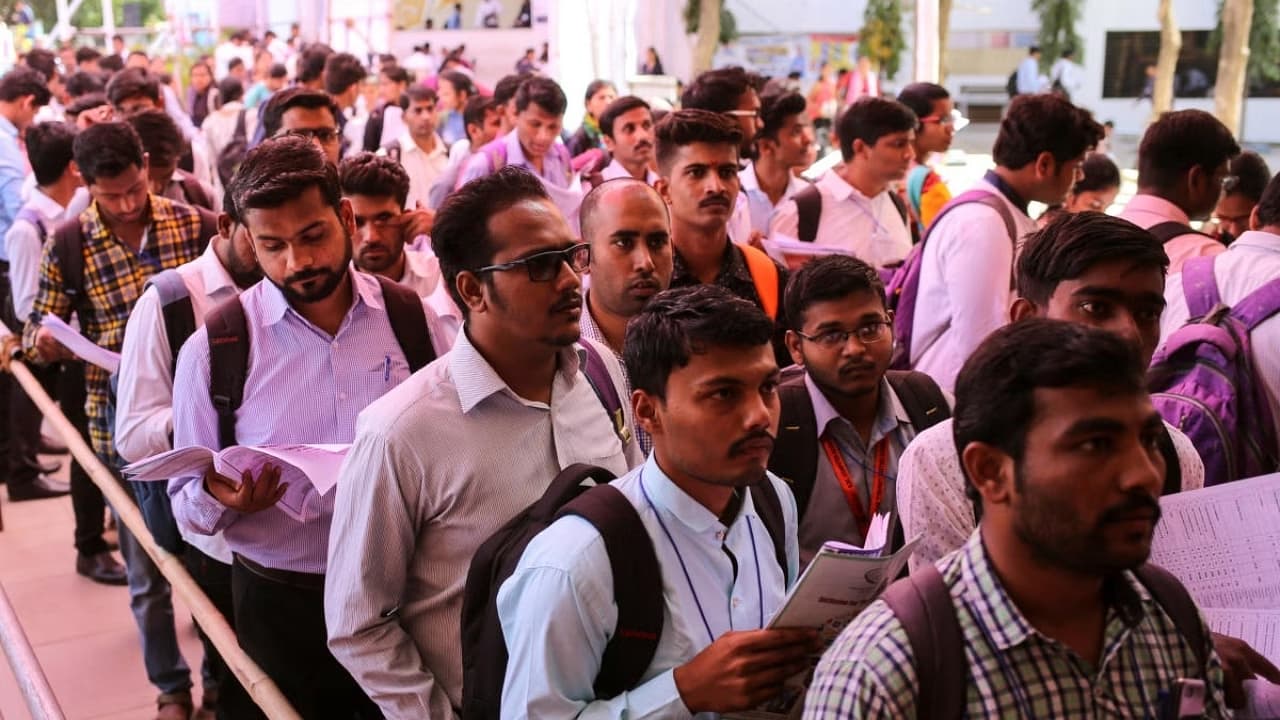
Article Summary
Summary of India’s Youth Unemployment Crisis
Key Statistics:
- Youth Unemployment Rate: 14.8% among individuals aged 18-29.
- Tertiary Educated Youth Unemployment Rate: 29.4% (diploma, graduate, or post-graduate levels).
- NEET (Not in Employment, Education, or Training): 40.1% of tertiary-educated youth.
- Among tertiary-educated young women, 74.7% are NEET and outside the labour force.
Household Impact:
- Households with Tertiary-Educated Young Adult: 15.4% of Indian households.
- Households Supporting Unemployed Tertiary-Educated Youth: 20.8% of these households have at least one unemployed member.
- Average Monthly Consumption: Households with unemployed youth spend ₹1,087 less overall, and ₹710 less per household member compared to households without unemployed educated youth.
- Earning Members in Households with Unemployed Youth:
- Average of 1.5 earning members vs 2.0 earning members in households without unemployment.
- 14.4% have no active earning member; 39.5% depend on a single earner.
- Regular Salaried Jobs: No one in 62.5% of such households holds a regular salaried job.
Duration of Unemployment:
- Searching Duration: Nearly 58% have been unemployed for more than a year; 28.9% for more than two years.
- Financial Strain: Extended unemployment leads to depletion of savings, reduced consumption, and forced acceptance of jobs below qualifications.
Policy Implications:
- Current employment policy focuses on individual jobseeking through apprenticeships and hiring incentives, overlooking the broader household impact.
- Importance of reducing recruitment delays and job search duration to alleviate pressure on households.
- Recognition that prolonged unemployment burdens families financially and affects their capacity to support job searches.
Sociology of Unemployment:
- Unemployment exerts pressures beyond the individual, impacting family dynamics and economic stability.
- Families may force unemployed youth into lower-paying jobs due to economic insecurity.
Recommendations for Employment Policy:
- Address the systemic delay in the transition from education to employment.
- Consider the economic conditions of households supporting unemployed youth.
- Broaden the scope of employment strategies to include household health, addressing both immediate and long-term joblessness impacts.
Conclusion:
Understanding youth unemployment in India requires a broader look at its implications on families and the urgent need for policies that alleviate this epidemic affecting not just individuals but whole households.
Key Terms & Concepts
| Periodic Labour Force Survey 2025 | Reports youth unemployment rates |
| 14.8% | Unemployment rate for 18-29 years |
| 29.4% | Unemployment rate for tertiary educated |
| 40.1% | Tertiary-educated youth NEET |
| 74.7% | NEET young women outside labor force |
| 15.4% | Households with tertiary-educated youth |
| 20.8% | Households with unemployed youth |
| ₹1,087 | Avg. monthly consumption decrease |
| ₹710 | Per household member decrease |
| 1.5 | Average earning members per household |
| 58% | Unemployed youth searching over one year |
| 28.9% | Unemployed youth over two years |
| 14.4% |