iAspirants
Current AffairsPrelims PYQsUPSC CSE SyllabusUPSC CSE StrategyBlogsPricing
Login
iAspirants

Your AI-powered companion for UPSC preparation.

Quick Links

  • Home
  • About Us
  • Current Affairs
  • Prelims PYQs
  • UPSC CSE Syllabus
  • UPSC CSE Strategy
  • Blogs

Company

  • Pricing
  • FAQs
  • Contact Us
  • Login

Legal

  • Privacy Policy
  • Terms & Conditions
  • Return Policy

© 2025 iAspirants, Inc. All rights reserved.

  1. Blogs
  2. Environment and Ecology

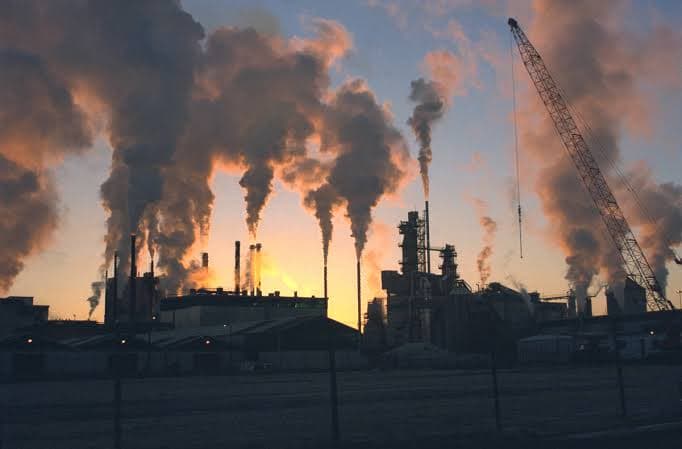
Inspection Campaign Against Polluting Industries

Published on: 26-Aug-2026

Source: PIB

Share this post

Inspection Campaign Against Polluting Industries

Article Summary

Summary of Inspection Campaign by the Commission for Air Quality Management (CAQM)

Date of Operation: August 25, 2026
Location: Loni, Ghaziabad, National Capital Region (NCR)

Key Facts:

  • Objective: To identify illegally operating industrial units that do not comply with environmental regulations.
  • Methodology: Special inspection campaign under "Operation Clean Air" involving seven flying squads comprising magistrates, police, and officials from the Uttar Pradesh Pollution Control Board (UPPCB).
  • Total Inspected Units: 28 industrial complexes.

Findings:

  • All inspected units were found non-compliant with applicable environmental standards.
  • Major violations included:
    • 21 Instances: Operation without valid Consent to Operate (CTO).
    • 14 Instances: Use of unapproved fuels like wood and coal.
    • 8 Instances: Operation of furnaces without necessary air pollution control devices (APCD) and stack/chimney arrangements.
    • Activities such as open painting/powder coating and illegal industrial operations were also detected.

Actions Taken:

  • Sealing of Units: 16 industrial units were sealed due to violations.
  • Notices Issued:
    • 6 Show Cause Notices (SCNs) were issued to the respective units.
    • Notices were affixed to 6 other units, including those found vacated or abandoned upon inspection.

Regulatory Framework:

  • The CAQM reiterated the necessity for strict adherence to environmental standards for all industrial operations in NCR.
  • Operating without valid legal consent, using unapproved fuels, and lacking necessary pollution control infrastructure are considered serious violations warranting strict enforcement actions.

Future Directions:

  • The CAQM emphasized the continuation of inspection and enforcement campaigns across NCR under Operation Clean Air to ensure compliance with environmental regulations.
  • Relevant agencies were instructed to implement necessary actions against units violating environmental rules.

Conclusion:

The campaign highlights the commitment of the CAQM to enforce environmental regulations rigorously and combat pollution from industrial sources in the NCR, ensuring a cleaner and healthier environment for residents.

Key Terms & Concepts

CACQMConducted inspection campaign
NCRRegion of operation
Operation Clean AirInitiative for air quality
28Number of inspected units
16Units sealed
UPPCBInvolved in enforcement
25.08.2026Date of inspection
6Notices issued
CTOConsent to operate
APCDAir pollution control devices

Mind Map for UPSC Civil Services Revision

Turn UPSC Civil Services Current Affairs Into Exam-Ready Notes

Reading Environment and Ecology current affairs is half the work. Revise them with ready-made notes and test what actually stuck.

  • Daily UPSC Civil Services current affairs analysis
  • Revision notes, mind maps & MCQs
  • Prelims mock tests with instant results

Related UPSC Civil Services Current Affairs Articles

Forest Department Fences Wild Elephants
Environment and Ecology11-Oct-2026

Forest Department Fences Wild Elephants

  • Forest Management and Wildlife Protection:

    • The Forest department plans to report on the reinstallation of fences obstructing elephant passages in the Devikulam forest range, Idukki.
    • Officers previously removed wire ropes and solar electric fencing from cardamom plantations to allow free movement of elephants.
  • Landowners reinstalled barriers shortly after removal, prompting the Chief Conservator of Forests (CCF) D. K. Vinod Kumar to direct a report on the issue.
  • Government Intervention:

    • The removal of fences was executed following an order from the District Collector, influenced by tribal community demands.
    • An incident leading to a tribal man's death due to a wild elephant attack prompted the Collector to enforce the Disaster Management Act (DDMA) to dismantle obstructions to elephant paths.
    • Restrictions on fences are aimed at mitigating human-wildlife conflict by allowing elephants to access traditional migratory routes.
  • Community Engagement:

    • Local farmers' groups visited conflict-affected areas to engage with residents and assess the situation.
    • The Idukki Land Freedom Movement plans to submit a memorandum to the State government, urging coordinated intervention from the Revenue and Forest Ministers for a lasting solution.
  • Human-Wildlife Conflict:

    • Reinstallation of fences by landowners has diverted elephants, increasing tensions and conflicts between wildlife and human settlements.
    • The Forest department’s initiative to open up traditional migratory routes for elephants is part of efforts to reduce these conflicts.
  • Judicial and Administrative Framework:

    • The actions taken fall under the operational mandates of the Disaster Management Act, reflecting how legal frameworks govern wildlife conservation and human safety.
  • In summary, the situation involves conflict between landowners and wildlife protection efforts, with administrative and tribal actions being taken to address the challenges posed by human-wildlife interaction, emphasizing the need for a collaborative approach to wildlife management.

    Hurricane Isaias Threatens Gulf Coast
    Environment and Ecology10-Oct-2026

    Hurricane Isaias Threatens Gulf Coast

    Hurricane Isaias Summary

    Overview:

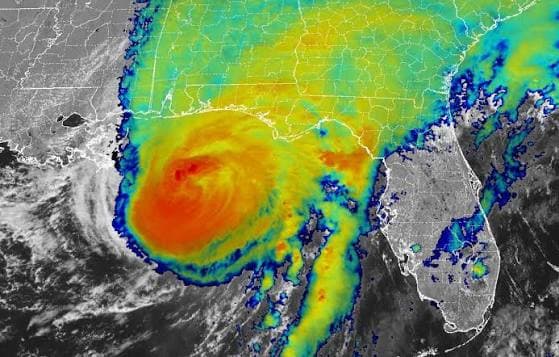
    • Hurricane Isaias, a Category 3 storm, is approaching Alabama and the Florida Panhandle, marking the first major hurricane of an otherwise calm Atlantic season.

    Meteorological Data:

    • Current Status: As of the morning of October 9, the storm had sustained winds of 120 mph (193 kph).
    • Projected Path: Expected to make landfall between Mobile Bay, Alabama, and Destin, Florida.
    • Storm Surge Risk: Potential surge of 6 to 9 feet (1.8 to 2.7 meters), particularly threatening locations such as Pensacola Beach and Gulf Islands National Seashore.
    • Inland Impact: After landfall, Isaias is expected to weaken but will still bring heavy rain (4 to 8 inches or 10 to 20 cm) and sustained storm conditions into the Midwest and Northeast.

    Preparations and Responses:

    • Residents are stocking up on essentials: generators, water, fuel, and food supplies.
    • Local communities are working together to prepare, including filling sandbags to protect homes.

    Government Warnings:

    • Florida Governor Ron DeSantis cautioned residents about expected power outages, gasoline shortages, and potential bridge and highway closures.
    • The National Hurricane Center has issued warnings for dangerous conditions across the western panhandle, southern Alabama, and southern Mississippi.

    Economic Indicators:

    • Waffle House closures in the Florida Panhandle, which serve as an indicator of hurricane severity based on their historical operation during storms.

    Judicial and Legislative References:

    • No specific articles, laws, or amendments referenced in the context of the hurricane response or preparation.

    International Context:

    • No international treaties or agreements highlighted relevant to the hurricane response.

    Historical Context:

    • This storm follows Hurricane Milton, which impacted the eastern U.S. in 2024, marking two significant hurricane events within a two-year span.

    Environmental Impact:

    • Anticipated heavy rainfall can lead to flooding and affect local ecosystems, especially in coastal areas vulnerable to storm surges.

    Science & Technology Updates:

    • No new scientific advancements or technological updates referenced in relation to disaster management or hurricane forecasting.

    Conclusion:

    Hurricane Isaias poses significant risks with potential heavy flooding and severe weather impacts expected in a broad region of the southeastern and eastern United States. Communities are gearing up for the storm, highlighting resilience and preparedness in the face of natural disasters.

    Chennai Water Supply Maintenance Efforts
    Environment and Ecology09-Oct-2026

    Chennai Water Supply Maintenance Efforts

    Exam-Focused Notes:

    Water Supply Management in Chennai:

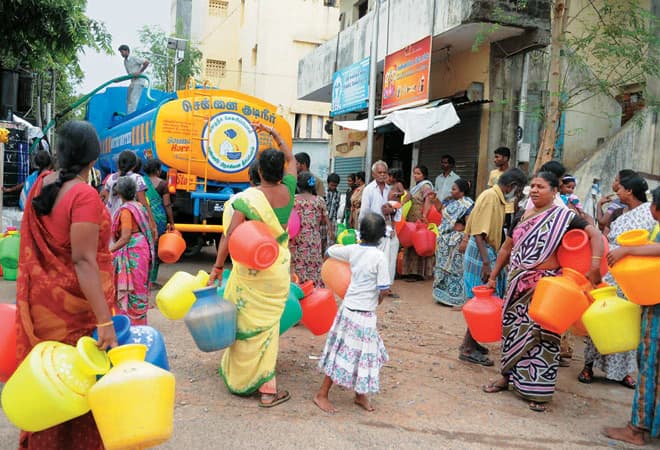
    1. Krishna Water Supply Delay: The supply of Krishna water from the Kandaleru reservoir, Andhra Pradesh, has been delayed due to inadequate storage levels.

    2. Reservoir Storage: In the period of July to September 2023, the Poondi reservoir received approximately 2,250 million cubic feet of water.

    3. Desilting and Maintenance Initiatives:

      • The Water Resources Department (WRD) is actively desilting and cleaning the Kandaleru-Poondi canal and other minor channels in preparation for the Northeast monsoon.
      • KP Canal: The 25-km long canal, which has a dry bed currently, extends from Uthukottai (Tiruvallur district) to the Poondi reservoir.
    4. Objectives of Desilting:

      • The initiative aims to enhance the free flow of water by a minimum of 10% in the canal.
      • Silt deposits and vegetation that obstruct the water flow are targeted for removal.
    5. Cost of Maintenance: Maintenance work is being undertaken at a cost of ₹99 lakh as part of the Northeast monsoon preparedness.

    6. Erosion Control: The canal banks, eroded during the previous heavy rainfall, will be reinforced to prevent future erosion.

    7. Additional Work:

      • Vegetation clearing is also ongoing in a 25 km-long Link canal that connects the Poondi and Chembarambakkam reservoirs.
      • Work on the Feeder canal, which supplies water to Red Hills reservoir, is at 70% completion.
    8. Schedule: Routine desilting processes will continue until the end of the Northeast monsoon, with plans to resume improvement works afterward in January.

    Government Initiatives:

    • The WRD's actions reflect a focus on preemptive measures ahead of monsoon seasons, underscoring the importance of ensuring adequate water supply management to address urban water demands.

    Key Points for Examination:

    • Emphasis on state involvement in local water management through the WRD.
    • Recognition of the connection between reservoir management and urban water supply.
    • The financial allocation reflecting the state government's commitment to infrastructure readiness for monsoons.
    • Impact assessments of climatic events, such as heavy rainfall, on water management systems.

    These notes can help in understanding the broader context of water resource management, government policy interventions in urban settings, and the technical aspects of maintaining water infrastructure.

    Delhi's Pollution Challenges and Solutions
    Environment and Ecology09-Oct-2026

    Delhi's Pollution Challenges and Solutions

    Summary Notes on Air Quality and Pollution Control in India

    Air Quality Dynamics

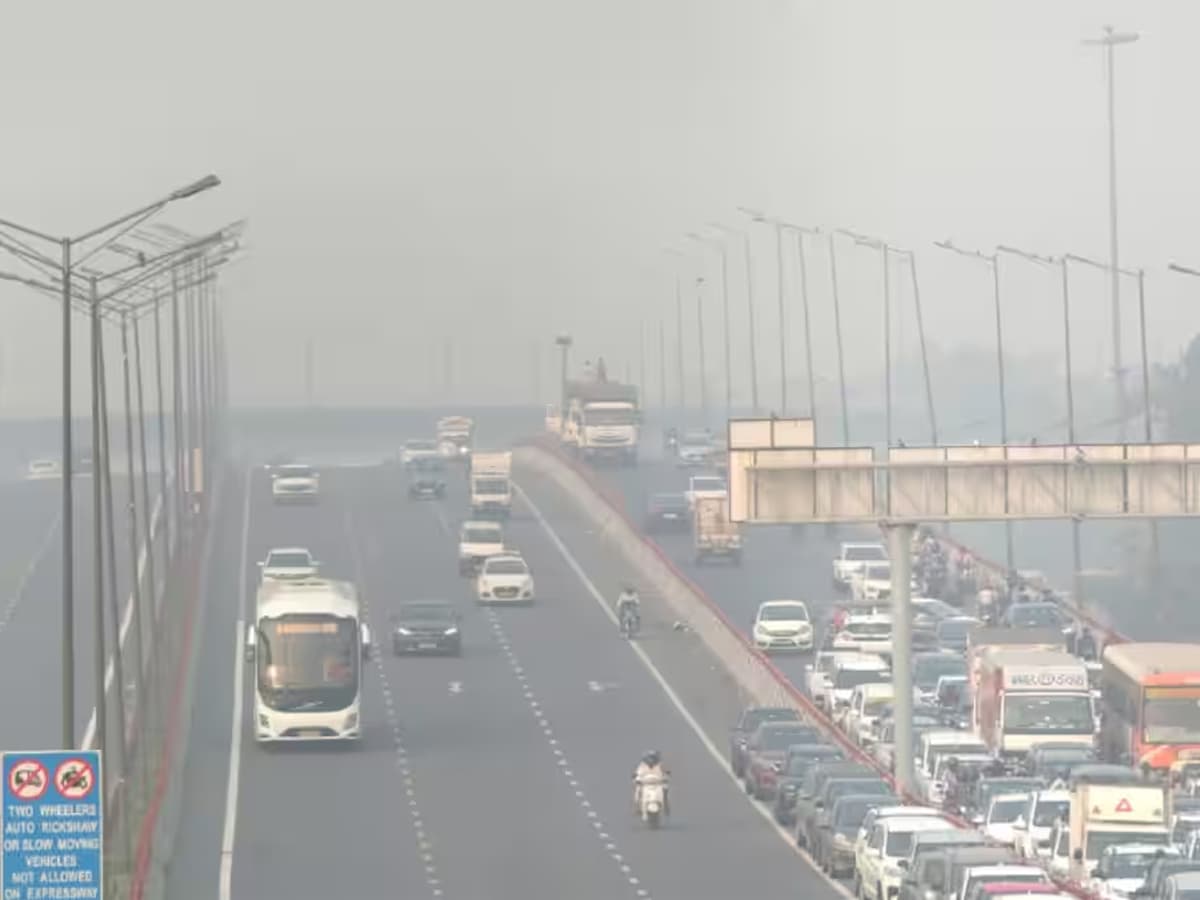
    • Key Observations: Policymaker highlights that PM₁₀ contributes less to pollution than PM₂.₅, emphasizing the importance of vehicle emissions which account for approximately 40% of PM₂.₅ emissions in Delhi.
    • Historical Context: The SAFAR (System of Air Quality and Weather Forecasting and Research) report from nearly a decade ago emphasized transportation as a major pollution contributor.
    • National Clean Air Programme (NCAP): Metrics assess performance based on PM₁₀ reduction, leading to resource misallocation towards dust control instead of addressing vehicular emissions.

    Government Actions and Plans

    • Delhi’s Winter Action Plan: Measures include:
      • Narrow road-sweeping machines.
      • Doubling of parking charges.
      • Work-from-home provisions under GRAP (Graded Response Action Plan).

    Climate Factors Influencing Air Quality

    • Super El Niño: An exceptionally strong climate event that is anticipated to:
    1. Reduce wind speeds over North India, trapping pollutants.
    2. Lead to a scarcity of westerly disturbances (rain), allowing pollution to accumulate.
    3. Contribute to milder winters that may exacerbate air pollution through shallow temperature inversions.

    Agricultural Impact

    • Rainfall Data: India experienced a 13% monsoon deficit—the highest in a decade—while Delhi had a 17% surplus.
    • Stubble Burning: Early paddy sowing allows for harvests potentially beginning in early October, but stubble burning practices have shifted timing, complicating air quality management.

    Pollution Trends

    • Historical Patterns: November is traditionally a period of severe pollution for Delhi, particularly between November 5-10, exacerbated by stubble burning during festivals.
    • Emissions from Multiple Sources: Increased emissions from stubble burning, vehicular transport, and waste burning are anticipated to worsen pollution levels.

    Scientific Recommendations

    • Airshed-based Approach: The transition from city-centric air quality measures to airshed-based management, as recommended in the NARFI (National Air Quality Resource Framework of India) project, is crucial.
    • Importance of Comprehensive Strategy: Calls for an integrated, science-driven approach for short, medium, and long-term pollution management, moving beyond incremental measures.

    Conclusion

    • Complexity of India's Air Quality Challenge: Worsening emissions compounded by the effects of climate change necessitate immediate and coordinated action to mitigate air quality deterioration, particularly in the Indo-Gangetic region.

    Relevant Constitutional Framework

    • No specific articles or amendments mentioned, but implicit reference to the responsibilities of the State in safeguarding public health, an alignment with Directive Principles of State Policy (DPSPs) in the Constitution.

    This summary provides a concise overview of the current air quality management issues in India, highlighting significant scientific observations and necessary policy adaptations amidst evolving environmental challenges.