iAspirants
Jharkhand's Sanctuary Notification Controversy
Published on:
Share this post
Article Summary
Summary of Key Points on Jharkhand's Saranda Wildlife Sanctuary Case
Constitutional and Legal References:
- Wildlife Protection Act, 1972: Governs the protection of wildlife and their habitats in India.
- Forest Rights Act, 2006: Acknowledges the rights of tribal communities to manage and use forest resources.
- Fifth Schedule: Pertains to the administration and control of Scheduled Areas and Scheduled Tribes, ensuring protection and rights of indigenous communities.
Supreme Court Directives:
- November 13, 2025: The Supreme Court ordered Jharkhand to notify Saranda’s elephant forests as a wildlife sanctuary within three months.
- Contempt of Court: The Jharkhand government faced rebukes for showing “clear contempt” and delaying compliance with earlier orders.
Timeline of Events:
- July 2022: National Green Tribunal directed Jharkhand to consider declaring Saranda a wildlife sanctuary.
- November 2024: Jharkhand's claim of no operational mines inside the game reserve was questioned by the Supreme Court.
- February 2025: The Supreme Court urged Jharkhand to expedite the sanctuary notification process.
- September 2025: The Supreme Court criticized Jharkhand for “dilly-dallying tactics”.
- October 2025: Jharkhand submitted a revised sanctuary proposal, shrinking it from 575 sq km to 249 sq km.
Concerns Raised by Jharkhand:
- Potential impact on local tribal habitations, roads, and public infrastructure due to the sanctuary declaration.
- Claims that the sanctuary designation could adversely affect mining operations and escalate local insurgency issues.
Supreme Court's Findings:
- The court dismissed Jharkhand's concerns about tribal rights and infrastructure as unfounded, asserting that the rights of local communities could be maintained under existing laws.
- Emphasized the importance of preserving the Saranda forests, which are critical for biodiversity and host significant iron ore reserves.
Environmental Significance:
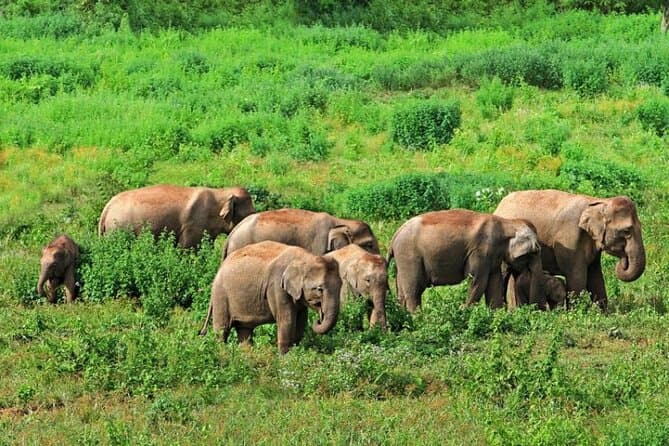
- Saranda is recognized as a biodiversity hotspot, primarily consisting of sal forests and home to elephant herds.
- Deforestation and Mining: Ongoing mining activities have led to habitat destruction and displacement of wildlife.
Judicial Rulings:
- The Supreme Court's judgment highlighted the importance of the natural forest's preservation over temporary mining interests, referencing the Justice MB Shah Commission’s 2013 report which criticized short-term mining plans that threaten long-term ecological stability.
Economic Context:
- Saranda forest division holds 26% of India’s iron ore reserves, indicating the economic stakes involved in mining versus conservation.
- The ongoing conflict between environmental preservation and resource extraction reflects broader economic challenges in balancing development with ecological sustainability.
Current Status:
- Jharkhand has filed a review petition against the Supreme Court's order, citing the need for further studies on local impacts.
- The review petition is pending hearing, with the state seeking to justify delays and concerns raised previously.
Conclusion:
The case surrounding the Saranda Wildlife Sanctuary illustrates the complex interplay between environmental conservation, indigenous rights, and economic interests in India. The Supreme Court's ongoing involvement underscores the judiciary's role in enforcing environmental laws and protecting biodiversity.
Key Terms & Concepts
| Saranda Elephant Forests | Proposed wildlife sanctuary area |
| Supreme Court | Judicial authority reviewing case |
| Wildlife Protection Act, 1972 | Legal framework for wildlife |
| Forest Rights Act | Rights protection for forest dwellers |
| National Green Tribunal | Environmental judicial authority |
| Justice MB Shah Commission | Commission providing environmental insights |
| 575 sq km | Initial sanctuary proposal area |
| 292 sq km | Final sanctuary notification area |
| November 13, 2025 | Deadline for notification |
| 26% | Percentage of India's iron ore reserves |