iAspirants
Landslide Disaster Hits Dharali Village
Published on:
Share this post

Article Summary
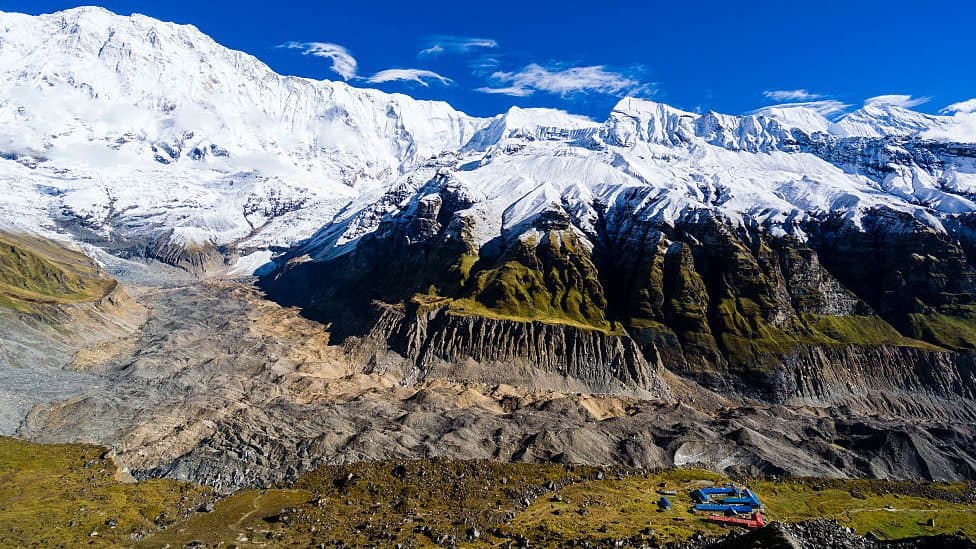
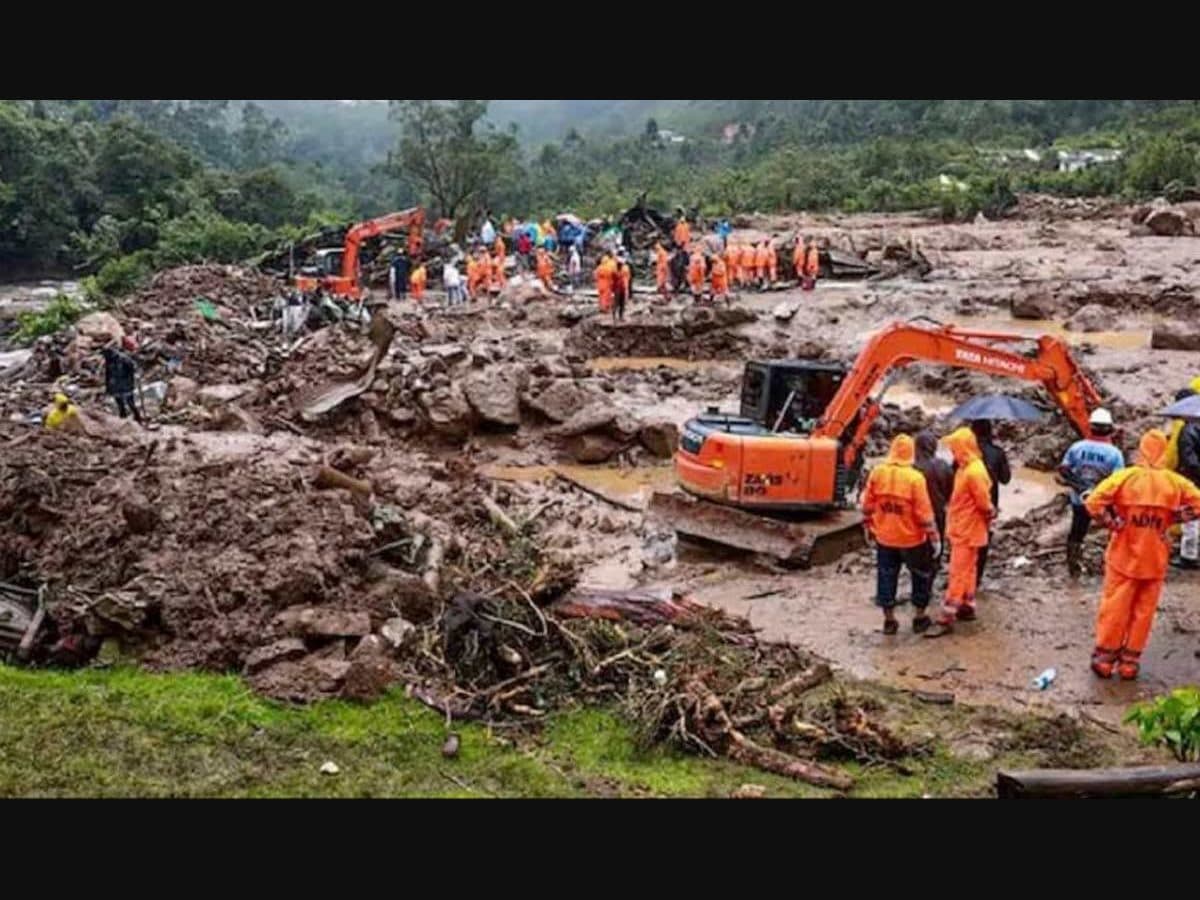
On August 5, 2025, the village of Dharali, located at an altitude of 2,700 meters in the Himalayas, was struck by a catastrophic landslide caused by heavy rainfall. This disaster was particularly devastating as it occurred in a region renowned for its pilgrimage to the Gangotri temple, part of the Char Dham pilgrimage circuit. The Kheer Gad stream overflowed, engulfing multi-storey hotels and homestays, creating a landscape of destruction buried under 30-40 meters of debris.
Key Facts and Developments:
Rescue Operations:
- Only one body has been recovered while 69 individuals remain missing, including nine Army personnel and 25 Nepali workers.
- Approximately 1,400 people were airlifted to safety, with rescue teams deploying thermal imaging and ground penetrating radars amidst challenging conditions, including continuous rainfall that complicates operations.
Government Response:
- The Uttarakhand government has designated a three-member team for the rehabilitation of affected residents.
- Chief Minister Dhami has announced immediate assistance of ₹5 lakh for flood victims.
Destruction:
- Around 150 establishments, including hotels and apple orchards, have been reported destroyed.
- Infrastructure such as roads and bridges have also been compromised, with people having to trek long distances to reach Dharali.
Mental Health Crisis:
- Survivors are exhibiting signs of trauma, anxiety, and depression, with heightened concerns among pregnant women about childbirth amidst the disaster's aftermath.
- Healthcare services have been initiated in the area, addressing the psychological impact on the affected populace.
Sociocultural Impact:
- Local residents, including construction workers and hotel owners, have recounted harrowing tales of loss — both human and material. Many families have been torn apart, with loved ones missing or presumed dead.
- The calamity has also led to significant disruption of livelihoods, particularly in the tourism and agricultural sectors.
Geological Factors:
- Environmentalists noted that the excessive deforestation and unregulated tourism development in the region exacerbated the impact of natural disasters. They highlighted that Dharali and similar areas sit on delicate geological formations prone to landslides.
Historical Context:
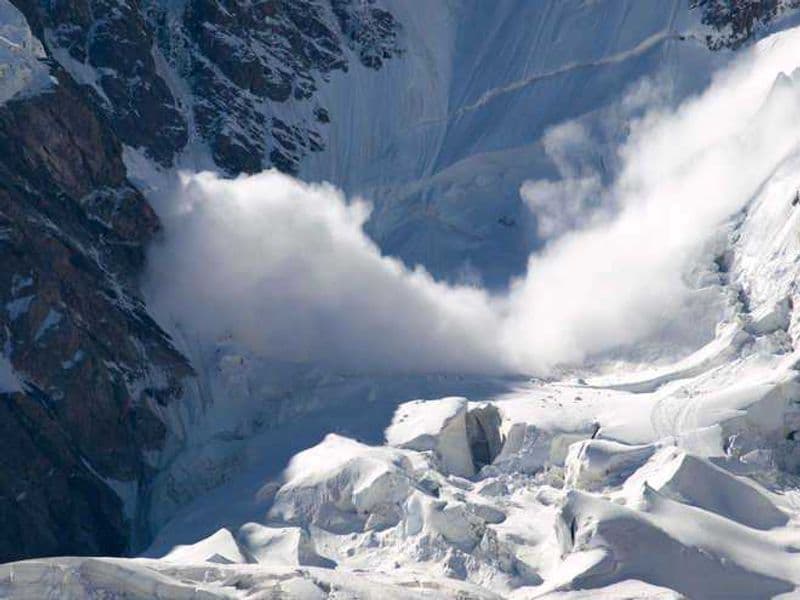
- This disaster follows a history of extreme weather events in Uttarakhand, including the Kedarnath flash floods in June 2013 and the Tapovan avalanche in February 2021 which claimed numerous lives and caused massive infrastructural damage.
Environmental Concerns:
- Geologists warn of future disasters unless sustainable practices are adopted for tourism and infrastructure development in these vulnerable areas. A letter to the Environment Ministry emphasizes the necessity of adhering to regulations that discourage building in hazardous zones.
Ongoing Difficulties:
- Continuous rain poses significant risks for rescue operations. Rescue teams face challenges in utilizing heavy machinery due to the unstable terrain, which could lead to further collapses.
In summary, the disaster in Dharali serves as a stark reminder of the fragility of the Himalayan ecosystem and the urgent need for sustainable development and disaster preparedness in high-risk areas, particularly as climate change intensifies the frequency and severity of such events.
Key Terms & Concepts
| Kheer Gad stream | Caused flooding and landslide |
| Uttarakhand government | Conducting rescue operations |
| National Disaster Response Force | Participating in rescue efforts |
| Himalayas | Location of the disaster |
| Char Dhams | Sacred pilgrimage circuit |
| Hardu Mela | Cultural event during disaster |
| thermal imaging cameras | Used for locating survivors |
| apple orchards | Agriculture impacted by flooding |
| Kali Devi | Victim affected by floods |
| Maxar Technologies | Provided satellite imagery |