iAspirants
Legal Rights for Rivers in India
Published on:
Source: The Hindu
Share this post
Article Summary
Exam-Focused Notes on Rights of Nature and Recent Judicial Developments in India
Constitutional References
- Article 21: Right to life and personal liberty, interpreted to include the right to a healthy environment.
- Article 25: Fundamental Right to practice and propagate religion, which the judiciary has balanced against environmental concerns.
Legal Background
- Mohammed Salim v. State of Uttarakhand (2017): Uttarakhand High Court granted legal personality to the Ganga and Yamuna; this was stayed by the Supreme Court.
- People’s Charioteer Organization case (2023): Supreme Court ruled that non-humans cannot be granted legal personhood.
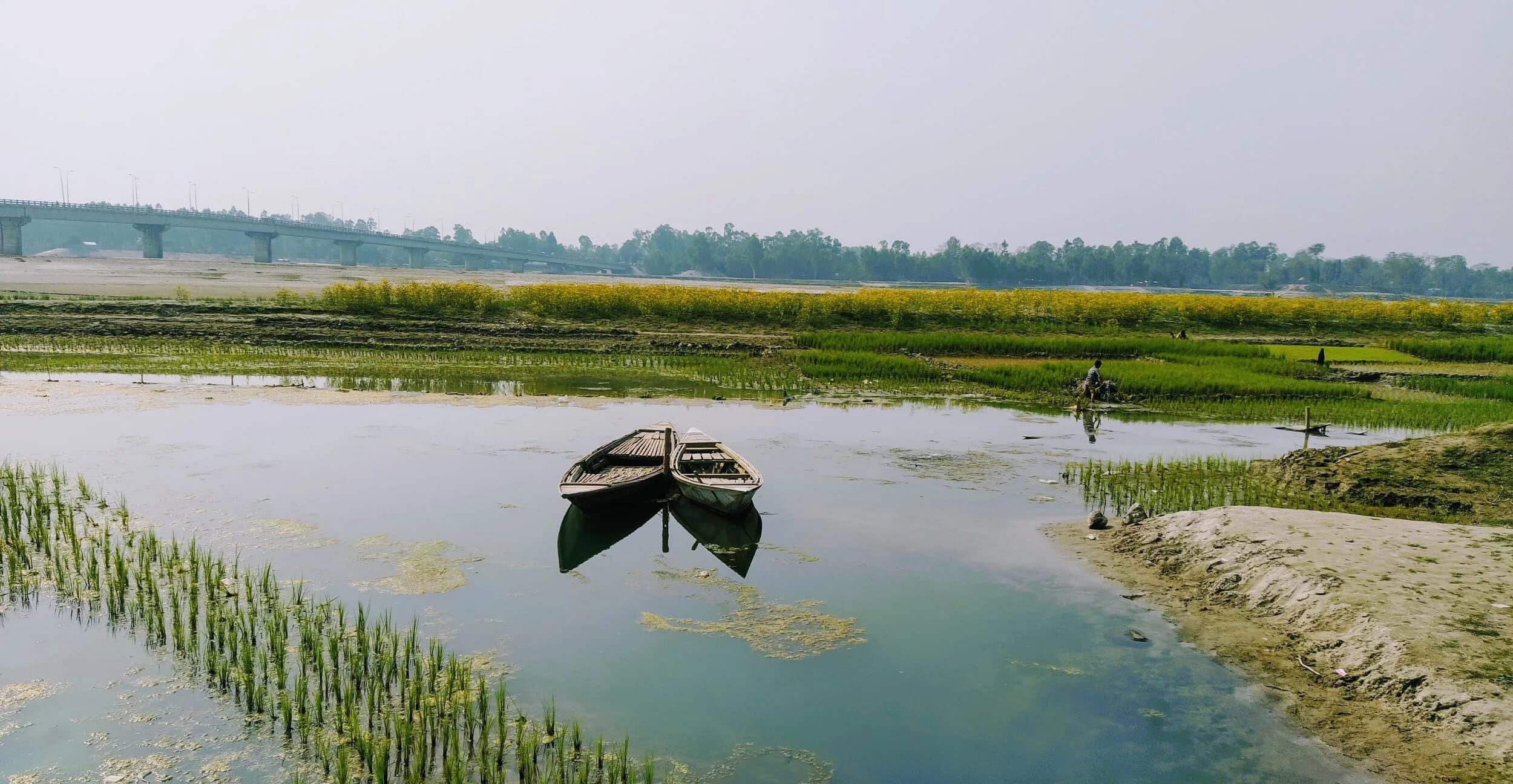
- Tamirabharani case (2026): Madras High Court recognized the Tamirabharani River as a legal person to protect it from pollution, circumventing the Supreme Court's stance.
Key Judicial Observations
- The Madras High Court noted severe pollution of the Tamirabharani, with approximately:
- 90 tonnes of clothes,
- 2 tonnes of ash,
- 3 tonnes of other waste collected within three weeks.
- The court emphasized the need for stringent measures to prevent pollution, while also recognizing the river's "intrinsic value."
Environmental Impact and Pollution Control
- Water (Prevention and Control of Pollution) Act, 1974: The court referenced this act, noting violations due to pollution from human rituals.
- The immersion of ashes in rivers was allowed under specific conditions, highlighting the conflict between religious practices and environmental health.
- Studies indicate that mass cremation can cause moderate to high ecological risks in rivers, affecting their self-purification capacities.
Comparative Legal Frameworks
- Marine Protection, Research and Sanctuaries Act, 1972 (USA): Allows sea burials with regulations to prevent pollution, contrasting with Indian laws that do not adequately define pollutants in the context of water bodies.
- Section 502(6) of the U.S. Clean Water Act: Defines pollutants to include biological materials, showcasing a more defined approach to environmental protection compared to Indian legislation.
Critique of Judicial Approaches
- The court's decision to treat the immersion of ashes differently was seen as counterproductive.
- The interpretation of health under Article 25 should encompass both human and environmental health.
- The court could have reinforced the traditional Indian view of nature as sacred, imposing a duty on individuals to prevent pollution.
Conclusion
The evolving legal landscape regarding the rights of nature in India reflects a tension between environmental protection and cultural practices. Recent judgments illustrate a cautious approach to recognizing the need for ecological balance while navigating constitutional rights. The dialogue around legal personhood for natural entities remains contentious, underscoring the need for a more integrated legal framework that respects both environmental integrity and religious significance.
Key Terms & Concepts
| Ganga | River granted legal personality |
| Yamuna | River granted legal personality |
| Supreme Court | Judicial authority on legal rights |
| Uttarakhand High Court | Court granting legal personality |
| People’s Charioteer Organization case | Judgment on legal personhood |
| T.N. Godavarman Thirumulpad v. Union of India | Judgment on environmental justice |
| Tamirabharani | River recognized as legal person |
| Water (Prevention and Control of Pollution) Act, 1974 | Pollution control legislation |
| Article 21 | Right to a healthy environment |
| Article 25 | Right to practice religion |
| Marine Protection, Research and Sanctuaries Act, 1972 | Regulates sea burials in U.S. |
| Clean Water Act | Defines pollutants in U.S. |