iAspirants
Current AffairsPrelims PYQsUPSC CSE SyllabusUPSC CSE StrategyBlogsPricing
Login
iAspirants

Your AI-powered companion for UPSC preparation.

Quick Links

  • Home
  • About Us
  • Current Affairs
  • Prelims PYQs
  • UPSC CSE Syllabus
  • UPSC CSE Strategy
  • Blogs

Company

  • Pricing
  • FAQs
  • Contact Us
  • Login

Legal

  • Privacy Policy
  • Terms & Conditions
  • Return Policy

© 2025 iAspirants, Inc. All rights reserved.

  1. Blogs
  2. Health

Lung Cancer Screening Challenges in India

Published on: 06-Oct-2026

Source: Indian Express

Share this post
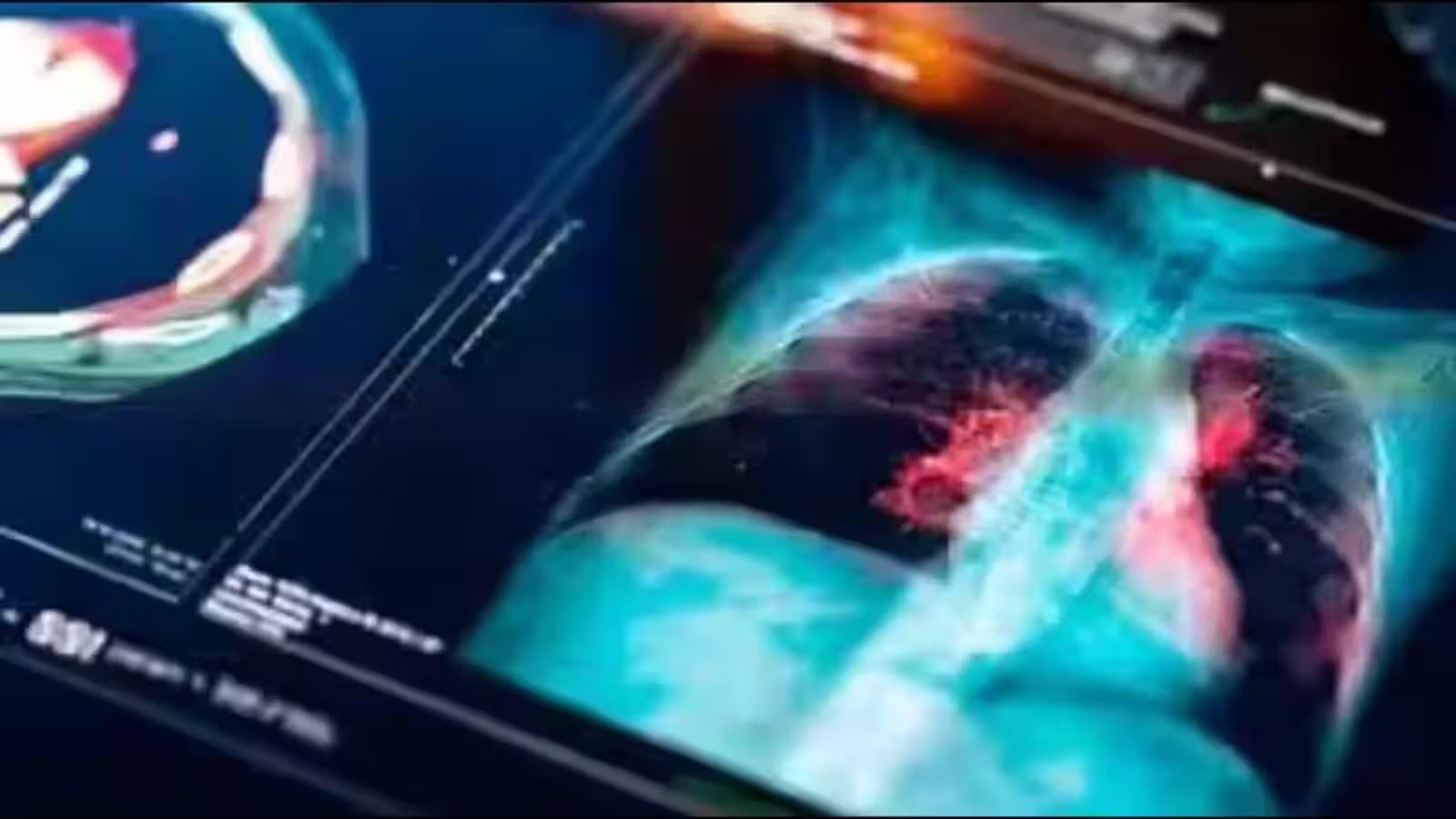
Lung Cancer Screening Challenges in India

Article Summary

Lung Cancer in India - 2024 Overview

Statistics & Trends

  • Lung cancer is India's leading cause of cancer deaths, accounting for 10.9% (98,687 deaths) in 2024, up from 75,031 deaths in 2022.
  • New lung cancer cases increased from 81,748 (5.8%) in 2022 to 112,000 (7.2%) in 2024, rising from fourth to third in incidence.
  • Survival Rates: 93% of cases are diagnosed in advanced stages; 5-year survival rates are only 7% to 18% when diagnosed late, increasing to 80% if detected in the first stage.

Screening Challenges

  • Lung cancer screening is largely absent in India's health programs, which primarily screen for breast, oral, and cervical cancers.
  • The current screening methods for more common cancers are low-tech and inexpensive, while Low-Dose Computed Tomography (LDCT) screenings for lung cancer are costly.

Government Schemes & Recommendations

  • The Indian Council of Medical Research (ICMR) notes that although LDCT is the costliest, it provides significant net monetary benefits and should be considered in national cancer screening programs.
  • Institutional efforts need to incorporate lung cancer screening strategies, especially using LDCT.

Criteria for Screening & Population Risk

  • Current global screening guidelines primarily focus on smokers aged 50-80, leaving many at-risk individuals (including non-smokers and beedi smokers) unaccounted for.
  • Advocates suggest expanding the high-risk category to include:
    • Individuals with a history of bidi smoking.
    • Those exposed to secondhand smoke, biomass fuel, and air pollution.

Environmental Factors

  • Ambient air pollution is identified as an emerging risk factor.
  • Studies indicate LDCT remains effective in TB-endemic populations, with no significant issues related to false positives due to tuberculosis.

Scientific Studies & Recommendations

  • The Indian Lung Screening Trial (ILST) and AIRCARE are generating evidence on the effectiveness and risks associated with lung cancer screening in India.
  • Dr. Abhishek Shankar emphasizes the integration of smoking cessation into screening and treatment programs to improve outcomes.

Suggested Public Health Interventions

  • Public health messaging should be revised to become more actionable; for example, inform smokers over 60 years old to get screened, rather than simply warning them about smoking risks.

Conclusion

The increasing prevalence and mortality associated with lung cancer in India necessitate a critical assessment of screening protocols and public health strategies. With targeted screening and an integrated approach including smoking cessation efforts, there is potential to significantly reduce lung cancer incidences and improve survival rates.

Key Terms & Concepts

10.9%Percentage of cancer deaths
98,687 deathsTotal lung cancer deaths in 2024
75,031 deathsTotal lung cancer deaths in 2022
Global Cancer ObservatoryCancer statistics platform
World Health OrganizationMaintains cancer statistics
7% to 18%Survival rate in late stages
80%Survival rate in early stages
LDCTLung cancer screening method
Indian Council of Medical ResearchConducted LDCT study
2024Year of screening report
2021Year of pilot study in Mumbai
2025Year of AIIMS study
Bidi smoking

Mind Map for UPSC Civil Services Revision

Turn UPSC Civil Services Current Affairs Into Exam-Ready Notes

Reading Health current affairs is half the work. Revise them with ready-made notes and test what actually stuck.

  • Daily UPSC Civil Services current affairs analysis
  • Revision notes, mind maps & MCQs
  • Prelims mock tests with instant results

Related UPSC Civil Services Current Affairs Articles

CPCB Deploys Squads Against Stubble Burning
Environment and Ecology06-Oct-2026

CPCB Deploys Squads Against Stubble Burning

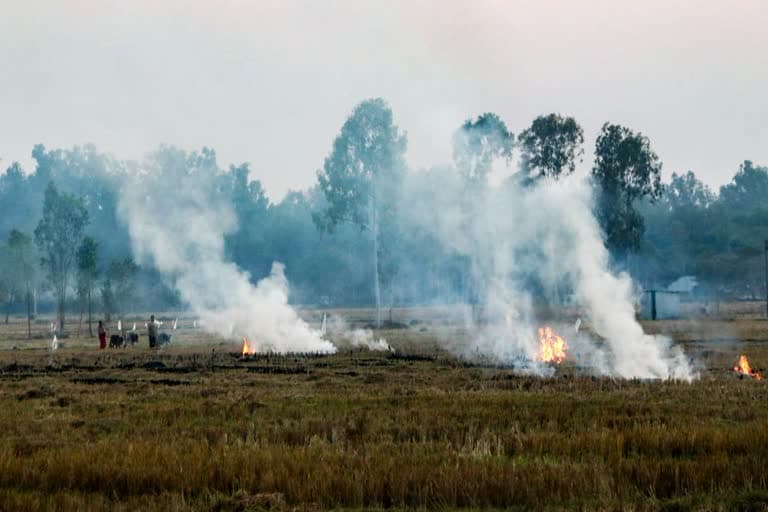
  • Authority & Actions: The Central Pollution Control Board (CPCB) has initiated a deployment of flying squads in response to directives from the Commission for Air Quality Management in the National Capital Region (NCR) and adjoining areas (CAQM).

  • Operational Details:

Risk factor for lung cancer
Indian Lung Screening TrialGenerating evidence for screening
AIRCAREStudying air pollution's effect
  • Timeframe: October 1 to November 30.
  • Coverage: 34 districts – 18 in Punjab and 16 in Haryana.
  • Objective: The squads aim to monitor and control stubble burning, especially during the paddy harvesting season, and will work on-ground to prevent environmental pollution.

  • Coordination Mechanism:

    • The flying squads will engage with:
      • Farmers
      • Parali Protection Force
      • District-level authorities
      • State government nodal officers
      • Officers of the respective State Pollution Control Boards
      • CAQM Cell at S.A.S. Nagar
      • Report situation daily to CAQM Cell.
  • Focus Areas:

    • Ensure compliance with environmental directives.
    • Address issues in vehicular and industrial sectors.
    • Mitigate road and construction dust alongside stubble burning.
  • Environmental Context: The initiative is part of broader efforts to enhance air quality in the NCR region, reducing pollution spikes typically associated with agricultural waste burning, particularly after the harvest season.

  • Importance: Addressing stubble burning is crucial for both environmental protection and public health, particularly in urban areas affected by air quality deterioration due to such practices.

  • This summary highlights the essential actions, structures in place, and objectives of the stubble burning prevention efforts initiated by the CPCB in coordination with other agencies, reflecting the importance of environmental governance in India.

    Mumbaikar's Land Crisis and Rights
    Polity and Governance06-Oct-2026

    Mumbaikar's Land Crisis and Rights

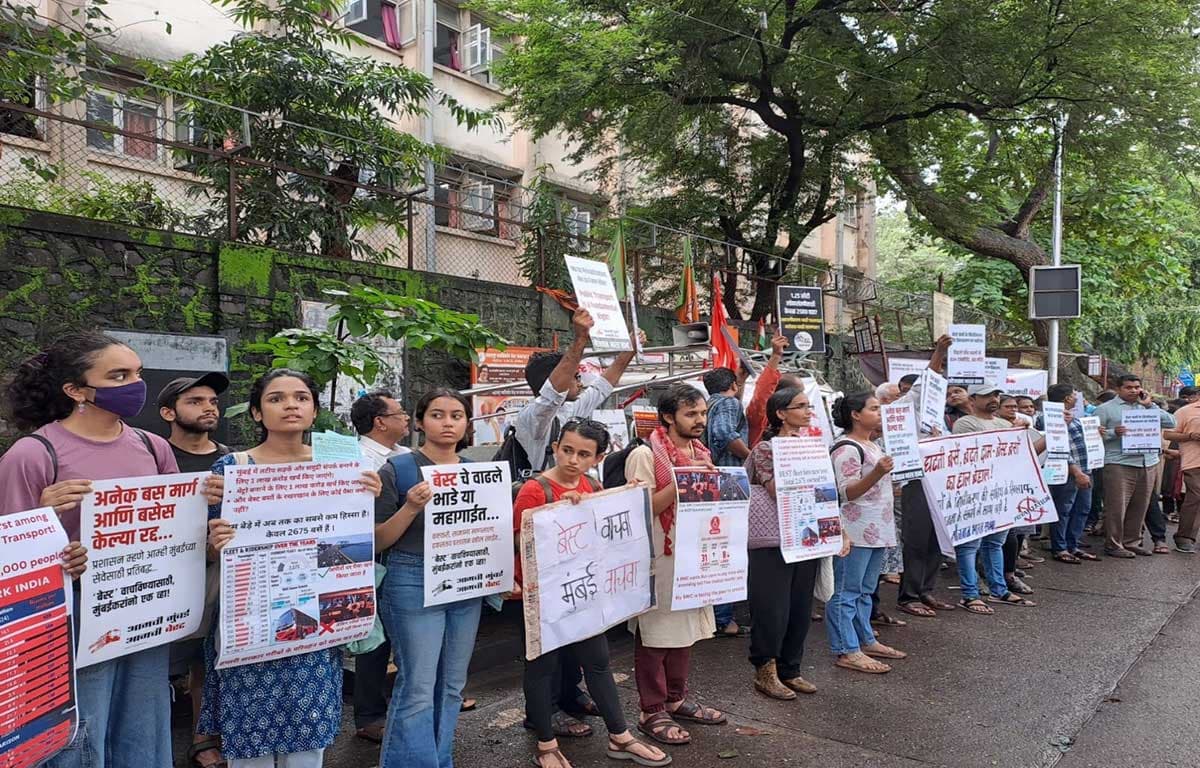
    • Land Ownership Issues in Mumbai: The struggle between landowners (builders) and common citizens highlights a modern form of zamindari, identified as 'Builderdari'. This distinguishes the wealthy developers from average Mumbaikars, who face eviction from essential lands.

    • Public Land Usurpation: Major urban development initiatives have seen the, conversion of valuable public lands into private luxury projects, stressing the pressing need prioritizing public benefit. Notably, mill lands, green spaces, and crucial plots near transport hubs (railway stations) are often repurposed for commercial gains at the cost of public amenities.

    • Healthcare Facility Concerns: Sion Hospital, a public health institution, faces severe overcrowding and inadequate facilities. Involved in the land controversy is the alleged developer-Guardian Minister for Mumbai, reflecting a concerning nexus between political power and real estate interests.

    • Judicial Considerations: A call for courts to take suo moto cognizance of land issues has been proposed, with a recommendation to freeze any further conversion of public spaces until a comprehensive assessment of existing public land in Mumbai is conducted. This is crucial for safeguarding public welfare and maintaining the city’s livability.

    • Economic Implications: The shift from public to luxury private development often reflects broader economic disparities, where the luxury real estate market flourishes while public infrastructure and services, like healthcare, stagnate.

    • Historical Context: The problem is described as a longstanding issue in Mumbai, where land originally designated for public use is increasingly privatized, leading to severe repercussions for city inhabitants.

    By summarizing the above points succinctly, it emphasizes the ongoing conflict between private interests represented by builders and the needs of the community, underscoring the necessity for reform in land use policies and judicial intervention.

    Supreme Court Critiques Medicine Pricing
    Polity and Governance05-Oct-2026

    Supreme Court Critiques Medicine Pricing

    Supreme Court Rulings on Medicine Pricing

    Judicial Remarks and Context:

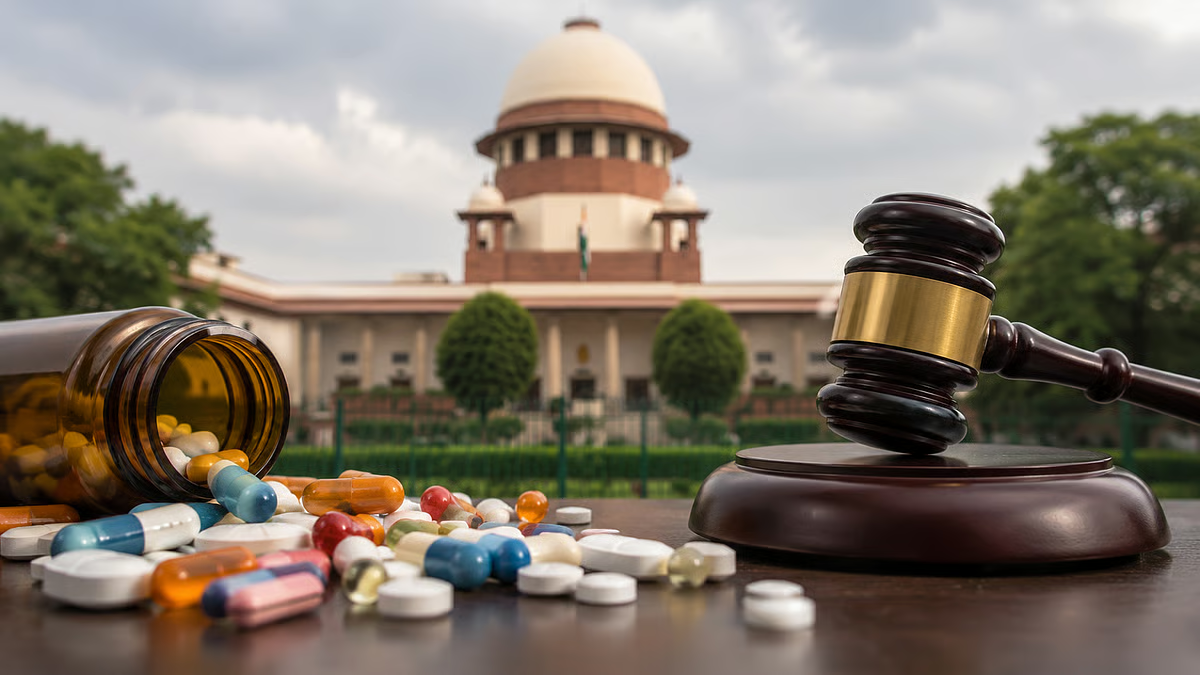
    • The Supreme Court described the markup between retail and printed medicine prices as “broad daylight dacoity with patients.”
    • Highlighted a significant example where a cancer drug has an MRP of nearly ₹27,000 but is supplied to retailers for ₹2,700, indicating a markup of tenfold.

    Legal Framework Governing Medicine Prices:

    • Essential Commodities Act, 1955:
      • Section 3(1): Grants the Centre power to regulate essential goods, including medicines, for equitable distribution and fair pricing.
      • Section 3(2)(c): Authorizes price control orders.
    • Drugs (Prices Control) Order (DPCO), 2013:
      • The primary regulatory framework for medicine pricing in India.
      • Empowers the National Pharmaceutical Pricing Authority (NPPA) to fix and revise ceiling prices, monitor compliance, and address overcharging.

    Categories of Medicines:

    • Scheduled: Medicines included in Schedule I of the DPCO, which are subject to government price controls (384 medicines currently listed).
    • Non-Scheduled: Medicines not included in Schedule I, exempt from price ceilings yet restricted from increasing the MRP by more than 10% annually.

    Price Calculation Process:

    • Ceiling prices are calculated based on existing market prices (Price to Retailer - PTR), using the average of formulations that capture at least 1% market share.
    • Retailer's margin of 16% is added to the calculated average to determine the ceiling price.
    • Annual revisions of ceiling prices are aligned with the Wholesale Price Index (WPI), allowing price adjustments without prior approval.

    Concerns Raised in Petitions:

    • Petitioners argue current regulations lead to inflated initial launch prices for non-scheduled medicines.
    • Right to health under Article 21 (Right to Life) is invoked in challenges against lack of control over initial MRPs of medicines, granting manufacturers considerable pricing power.
    • Claims of excessive markups by retailers and hospitals (10-16 times higher than the permissible margin) significantly inflate medicine costs.
    • Example cited: An antibiotic (Tigebax 50mg) with an MRP of ₹5,635 sold at ₹350 in the open market, indicating disparities in pricing across sales channels.

    Economic Impact:

    • Retail pricing constitutes a significant aspect of healthcare costs in corporate hospitals, often constituting 30-40% of bills for critically ill patients.
    • Comparison between generic and branded medicines indicates that generics can be up to 90% cheaper.

    Overview of Current Challenges:

    • The Supreme Court is examining the need for stricter enforcement of price controls under the DPCO and better regulation of drug pricing mechanisms, requesting explanations from the Centre on these disparities.

    Summary

    The Supreme Court's deliberations emphasize pressing issues around the pricing of essential medicines, highlighting legal frameworks, economic disparities, and the constitutional right to health. The challenges present a critical examination of the existing regulatory tools, urging potential reforms to ensure access to affordable healthcare for all citizens while maintaining the balance in pharmaceutical profitability.

    India's Climate Challenges and Forecasting
    National and International Importance04-Oct-2026

    India's Climate Challenges and Forecasting

    Climate Monitoring and Ecological Challenges in India

    Key Climate Indicators:

    • India experienced a 12.6% rainfall deficit during the southwest monsoon.
    • The India Meteorological Department (IMD) alerts for extreme weather events, including cyclones, intense rainfall, and heatwaves.
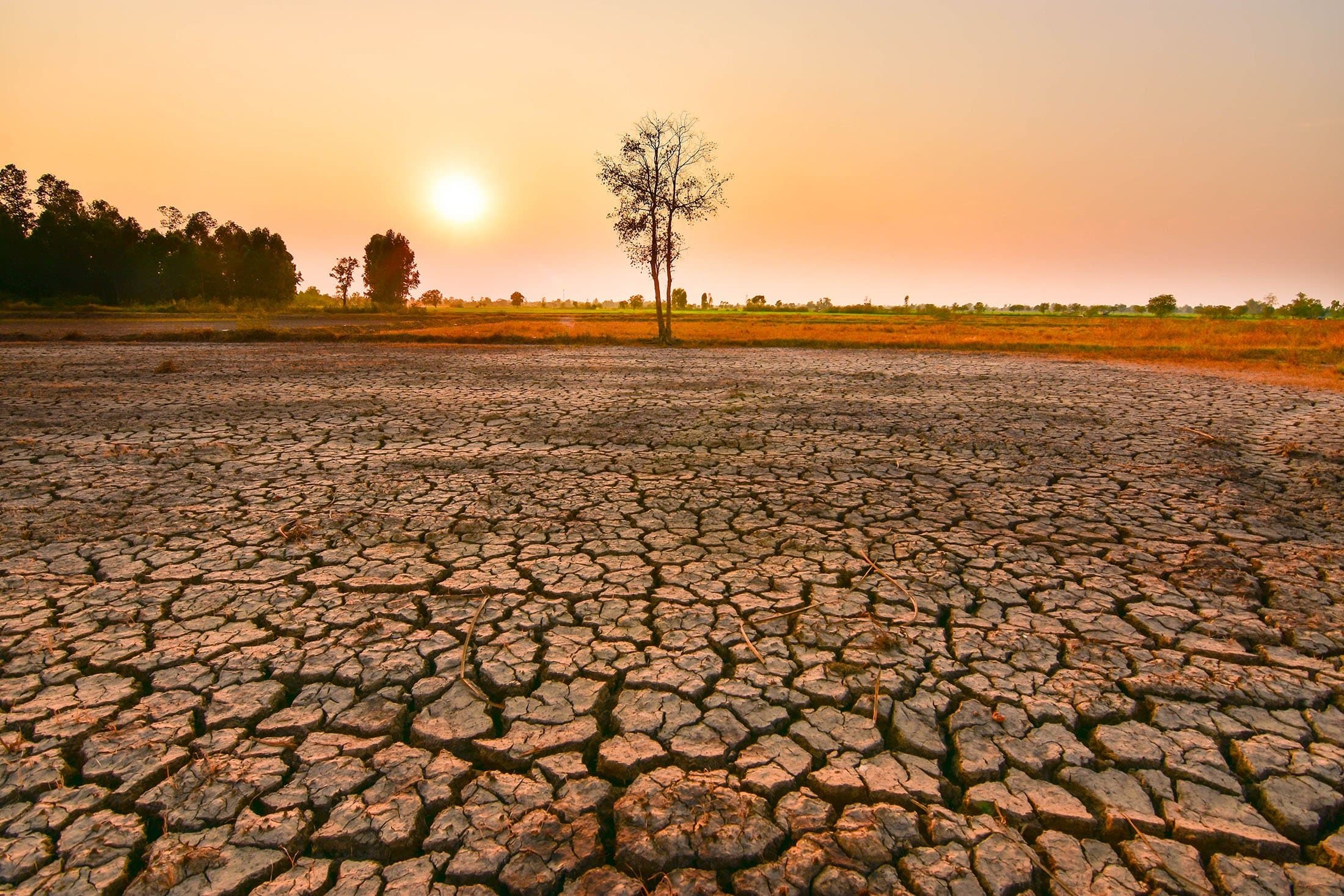
    • Projections indicate an impending dry period across most of India due to a strengthening El Niño, significantly impacting water availability in rivers and wetlands, thereby stressing agriculture and ecosystems.

    Ecological Response and Monitoring:

    • Different ecological systems (forests, wetlands) show varied responses to rainfall deficits based on factors such as soil moisture, vegetation, groundwater, and human impact.
    • Stress from Super El Niño can exacerbate already strained ecosystems, potentially exceeding resilience thresholds.

    Technological Advancements in Weather Forecasting:

    • Advances in satellite technology have revolutionized weather forecasting and disaster management, necessitating integration with ground-level observations for effective monitoring.
    • Uttarakhand's initiative: Real-time monitoring of glacial lakes (e.g., Vasundhara Tal) to link water levels and snow depth with early warning systems.

    Importance of Ecological Research:

    • Necessity to monitor indicators of ecosystem health, including soil moisture, vegetation stress, and animal behavior to detect early signs of ecological strain.
    • Increased vulnerability of Himalayan forests due to climatic factors: warmer winters and erratic disturbances increasing the risk of wildfires.

    Marine Ecosystems:

    • Monitoring thermal distress in coral reefs is crucial for understanding the health of marine habitats and safeguarding coastlines against erosion and storm surges.

    Community and Institutional Coordination:

    • In light of the ongoing climate challenges, a collective appeal from nearly 200 ecologists for an emergency ecosystem-wide monitoring network highlights the inadequacy of current monitoring capabilities, which is dispersed across research institutions, governmental bodies, and civil groups.
    • A coordinated framework is urged for a unified response to climate variability and ecological monitoring.

    Government Responses and Initiatives:

    • The necessity for micro-monitoring to identify ecological nuances and direct resources effectively to vulnerable sites.
    • Advocacy for an integrated system to improve coordination among various stakeholders to appropriately respond to immediate and future ecological challenges driven by climate change.

    Overall Implication: India's post-monsoon climate challenges require substantial monitoring and response mechanisms to mitigate impacts on ecosystems and livelihoods. Promoting inter-institutional collaboration can enhance resilience against the adverse effects of climate variability exacerbated by phenomena such as El Niño.