iAspirants
Madhya Pradesh Cheetah Reintroduction Plans
Published on:
Share this post
Article Summary
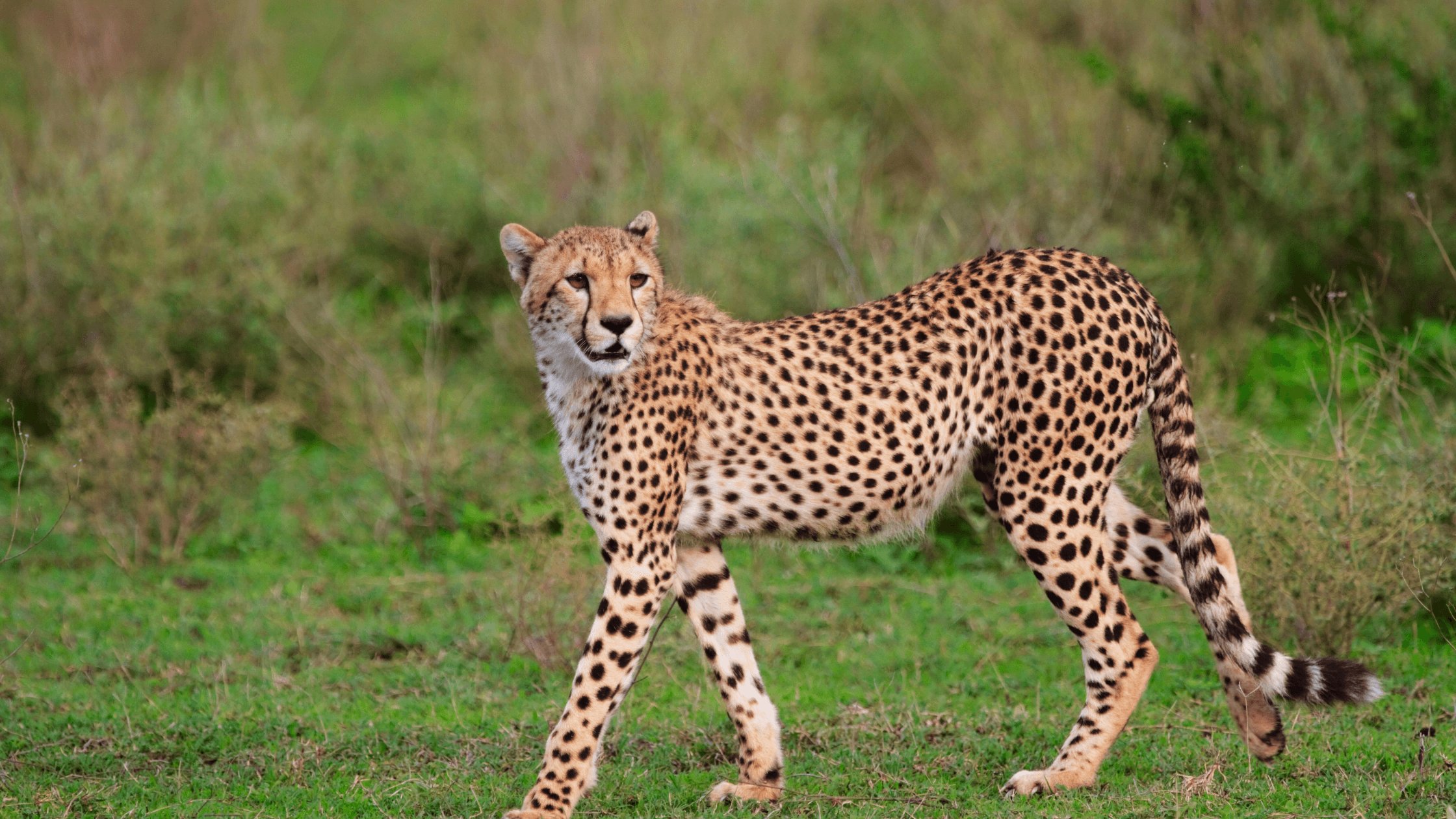
Wildlife officials in Madhya Pradesh are making arrangements to introduce a female cheetah to the Gandhi Sagar wildlife sanctuary as part of an effort to enhance the cheetah population in the region. The initiative is aligned with Project Cheetah, which aims to revive the cheetah population in India after the species was declared extinct in 1952.
Key Points:
Introduction of Female Cheetah: Plans are underway to introduce a female cheetah to mate with a male coalition in Gandhi Sagar, which aims to create a southern habitat for cheetahs.
Current Population: As of now, Kuno National Park hosts 19 cubs and 10 adult cheetahs, summing up to 29 cheetahs in total in India, following their introduction to the country from South Africa in September 2022.
Project Cheetah: The initiative was launched in September 2022, aimed at reintroducing cheetahs into the wild to rejuvenate ecosystems and enhance biodiversity.
Wildlife Ecosystem: Gandhi Sagar, which spans about 2,500 sq km, is characterized by grasslands, dry deciduous forests, and riverine patches, deemed suitable for cheetahs. Its current capacity is estimated to support 10 cheetahs.
Reproductive Biology: Female cheetahs typically reach maturity at 25-30 months and can bear multiple litters, while males reach reproductive age between 48-96 months. The mating behaviors include unique interactions facilitated by hormonal and physiological changes.
Nurturing Pregnant Cheetahs: During gestation, female cheetahs need increased nutritional intake, with up to 1.5 kg of food daily to sustain milk production. The gestation lasts for about three months, leading to the birth of up to six cubs.
Threats and Concerns: High leopard density in Gandhi Sagar poses risks to pregnant females and cubs. As of late 2024, the leopard population was noted at 24 within a designated cheetah enclosure. To mitigate these risks, officials plan to relocate 17 leopards by March 2025.
Monitoring Protocols: A dedicated team will supervise the behavior of the introduced female and the male coalitions, ensuring their compatibility before allowing mating. This proactive approach follows an incident where a female cheetah was killed during a mating attempt in May 2023 due to aggressive male behavior.
Healthcare Practices: Regular veterinary checks and monitoring of hunting behaviors of female cheetahs during pregnancy will be conducted. If necessary, supplemental feeding will be administered to safeguard the health of expectant mothers.
Cubs' Surveillance: Once born, cubs will undergo minimal disturbance during the initial weeks while staff covertly monitor using remote surveillance. Physical health assessments will begin once the cubs open their eyes around ten days postpartum.
Habitat and Feeding Regulations: Feeding will mimic natural cycles to avoid gastrointestinal issues, with provisions for water resources during periods of drought, while ensuring no livestock or stray animals interfere with the expectant females.
Overall, this effort to reintroduce and support cheetah populations in Madhya Pradesh reflects a crucial conservation strategy aimed at restoring India's wildlife ecosystem and biodiversity.
Key Terms & Concepts
| Gandhi Sagar wildlife sanctuary | Cheetah habitat introduction |
| Kuno National Park | Existing cheetah population |
| Project Cheetah | Reintroduction initiative |
| South Africa | Origin of relocated cheetahs |
| Madhya Pradesh | State implementing project |
| leopards | Co-predators of cheetahs |
| biweekly supervisory checks | Pregnancy monitoring method |
| 15 to 20 kg | Meal size for cheetahs |
| PPE kits | Safety for cub examination |
| Indian summer and monsoon | Adaptation period |