iAspirants
HomeAbout UsCurrent AffairsPrelims PYQsPricing
iAspirants
HomeAboutBlogsFAQsPricingLogin
Privacy PolicyTerms & ConditionsReturn PolicyContact Us

© 2025 iAspirants, Inc. All rights reserved.

  1. Blogs
  2. Science and Technology

Major Indian Space Missions Overview

Published on: 13-Aug-2026

Share this post

Major Indian Space Missions Overview

Article Summary

Summary of Key Developments in Space Technology and Applications

Major Satellite Missions

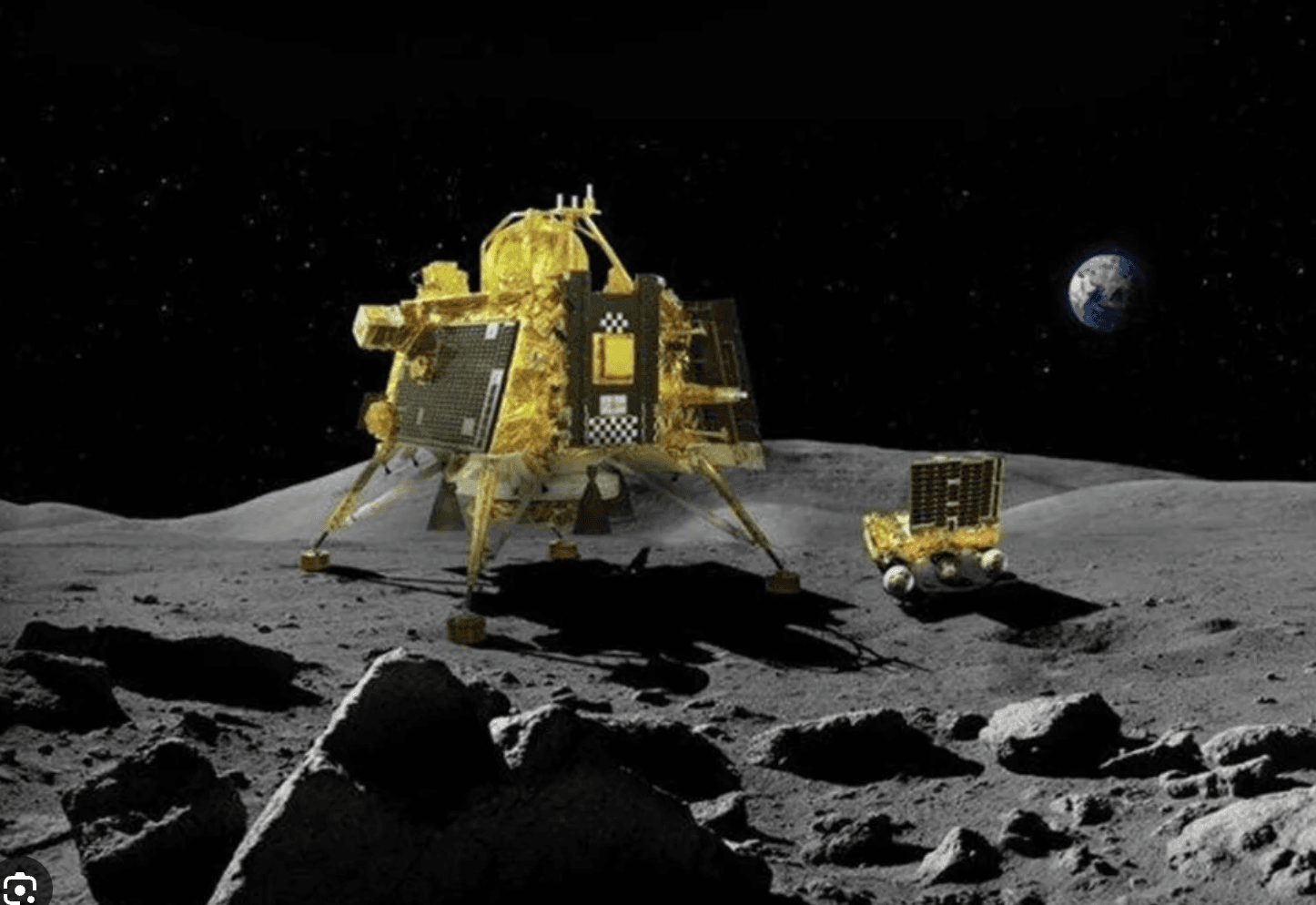
  1. Chandrayaan-3:

    • Launched on July 14, 2023.
    • Achieved soft landing near the Moon's south pole on August 23, 2023.
    • Objectives included safe landing, rover navigation, sulfur detection, and measurement of lunar soil temperature.
  2. Aditya-L1:

    • Launched on September 2, 2023.
    • India’s first space-based solar observatory, set to study solar corona, photosphere, and chromosphere from a halo orbit around the Sun-Earth L1 point (January 2024).
  3. Exposat:

    • Scheduled launch on January 1, 2024.
    • India’s first dedicated X-ray polarimetry mission designed to study bright astronomical X-ray sources like pulsars and black holes.
  4. SPADAX (Space Docking Experiment):

    • Launch planned for December 30, 2024.
    • Will demonstrate autonomous docking/undocking, power transfer, and orbiting, positioning India as the fourth country to showcase space docking technology.
  5. NISAR:

    • Launch on July 30, 2025.
    • A dual-frequency radar Earth observation satellite developed jointly by NASA and ISRO.
  6. GSAT-7R (CMS-03):

    • India’s most advanced indigenous military communication satellite aimed at enhancing the Indian Navy's strategic communication capabilities.

Applications of Space Technology

  1. Agriculture:

    • Satellite-based crop area/yield estimation, soil moisture products supporting major crops and PMFBY (Pradhan Mantri Fasal Bima Yojana).
    • Operational systems include GeoCrest, potato crop monitoring, and VEDAS-based geospatial yield estimation.
  2. Disaster Management:

    • Real-time satellite-based monitoring for floods, landslides, cyclones, forest fires, and droughts.
    • Issued over 890 flood-related products and alerts for 11 major landslide events.
    • Developed the Landslide Atlas and techniques for landslide warnings based on rainfall thresholds.
  3. Governance:

    • Geospatial technologies aiding in MGNREGA (Mahatma Gandhi National Rural Employment Guarantee Act), watershed activities, and disaster management planning.
    • Approximately 6.93 crore MGNREGA activities and 6.89 lakh watershed activities geotagged.
  4. Urban Infrastructure:

    • Supported initiatives like urban water management, property tax mapping, and disaster management.
  5. Satellite Communication:

    • Enhanced connectivity in rural areas, supporting initiatives like BharatNet and Digital India.
    • Facilitated tele-education, tele-medicine, and disaster management.

Future Missions and Technologies

  1. Gaganyaan:

    • India’s first human spaceflight program aimed at demonstrating human spaceflight capability.
  2. Venus Orbiter Mission:

    • Dedicated mission to study the atmosphere, surface, and geological environment of Venus.
  3. Chandrayaan-4:

    • Mission to land on the Moon and return lunar samples to Earth.
  4. Chandrayaan-5 (Lunar Polar Exploration):

    • Collaborative mission with JAXA for in-situ study of lunar surface and subsurface resources.

Government and Policy Framework

  • The advancements are supported by policies from the Prime Minister's Office, Ministry of Personnel, Public Grievances and Pensions, and the Department of Space.
  • Future applications include AI/ML-based agricultural systems, irrigation management, and monitoring of reservoir stability.

Conclusion

India's space technology initiatives demonstrate significant advancements in satellite missions and applications across agriculture, disaster management, governance, and urban infrastructure, positioning the country as a leader in space exploration and technology utilization.

Key Terms & Concepts

Chandrayaan-3Soft landing on Moon
Aditya-L1Solar observation satellite
Exposat-1X-ray polarimetry mission
SpadexAutonomous docking technology
NISARDual-frequency radar satellite
GSAT-7RMilitary communication satellite
PMFBYCrop insurance scheme
MGNREGARural employment guarantee scheme
NDEM 5.0National emergency management database
AI/ML based systemsCrop estimation and forecasting
GaganyaanHuman spaceflight program
Venus Orbiter MissionStudy Venus atmosphere
Chandrayaan-4

Mind Map for UPSC Civil Services Revision

Turn UPSC Civil Services Current Affairs Into Exam-Ready Notes

Reading Science and Technology current affairs is half the work. Revise them with ready-made notes and test what actually stuck.

  • Daily UPSC Civil Services current affairs analysis
  • Revision notes, mind maps & MCQs
  • Prelims mock tests with instant results

Related UPSC Civil Services Current Affairs Articles

Genetic Diversity Study in Pakistan
Science and Technology13-Aug-2026

Genetic Diversity Study in Pakistan

Summary of Findings from the Human Genetic Study in Pakistan

Study Overview:

  • Conducted in Pakistan, the study identified so-called ‘human knockouts’, where both copies of a gene have inactive variants in participants.
  • Sample Size: 173,303 individuals, approximately 20% exhibited loss-of-function variants in at least one gene.
Lunar sample return mission
Chandrayaan-5Lunar resource exploration mission
  • Total identified human knockouts: 6,476 genes (about one-third of protein-coding genes).
  • Genetics Background:

    • Human genome comprises 23 pairs of chromosomes, containing DNA sequences made of four bases (A, T, G, C).
    • Genes serve as instructions for protein synthesis, resulting in diverse functions in the body from digestion to immune defense.
    • Loss-of-function mutations can lead to different health outcomes ranging from benign to harmful effects.

    Cultural Context:

    • High prevalence of consanguineous marriages in Pakistan, with almost two-thirds of marriages being between relatives. This raises the likelihood of inheriting rare gene variants.

    Study Significance:

    • Allows for direct research on the consequences of genetic variations in human individuals, invaluable for understanding disease mechanisms.
    • Example of beneficial findings includes the APOC3 gene, associated with triglyceride regulation, providing a basis for clinical drugs like olezarsen for metabolic disorders.

    Previous Research:

    • A 2017 study identified significant associations between genetic variants and various biochemical traits among Pakistani adults; findings utilized ‘recall by genotype’ to facilitate further research on specific genetic cases.

    Pakistan Genome Resource (June 2026):

    • An extensive genomic catalog linked genetic data from 173,303 participants to medical records, uncovering 6.6 million variants, 47% of which were unique.
    • Specific genetic observations include:
      • Loss of CIDEB gene linked to reduced liver enzyme levels.
      • LRRK2 gene loss raises concerns regarding kidney function and implications for Parkinson's treatment.

    Implications for Drug Development:

    • Genetic data assists in identifying viable targets for drug therapy and avoiding ineffective ones.
    • Highlights the distinction between lifelong gene loss and drug-induced gene inhibition, emphasizing the need for careful drug design.

    Ethical Considerations:

    • Ethical implications surrounding consanguinity in populations: increased risk of recessive disorders necessitates informed consent and genetic counseling.
    • The importance of fair sharing of research benefits for participants is emphasized.

    Comparative Perspective: India’s Genetics Initiative:

    • India's GenomeIndia aims to catalog genetic diversity across 83 population groups, facilitating population-specific genomic research, albeit with different underlying genetic structures.

    Conclusion:

    • The study illustrates the potential of human genetic diversity in informing medical science, drug development, and understanding of genetic disorders. Emphasizes a shift to direct observation of natural gene knockouts to inform clinical practice, stressing the importance of ethical research practices in genetics.
    ISRO Joins NASA's Moon Base Program
    International Relations12-Aug-2026

    ISRO Joins NASA's Moon Base Program

    • NASA Invitation to ISRO: NASA has formally invited the Indian Space Research Organisation (ISRO) to participate in its Moon Base program during the ninth meeting of the India-U.S. Civil Space Joint Working Group (CSJWG) in Bengaluru. This initiative is part of the collaboration established under the Artemis Accords.

    • Artemis Accords: This international agreement aims to promote peaceful and transparent exploration of space, with a focus on sustainable practices. The invitation aligns with the broader U.S.-India partnership involving strategic technology.

    • Moon Base Program Overview: The Moon Base program intends to establish humanity's first outpost on the Moon, specifically targeted near the lunar South Pole. The program will be executed in three phases and was first announced at NASA's "Ignition" event on March 24, 2026.

    • Strategic Technology Framework: The meeting advanced civil and commercial space cooperation through the U.S.-India Transforming the Relationship Utilizing Strategic Technology (TRUST) Initiative, which aligns with the February 2025 Joint Leaders’ Statement from Prime Minister Narendra Modi and then-President Donald Trump.

    • Joint Mission and Future Collaborations: The discussions included the success of past collaborations like the NISAR mission (NASA-ISRO Synthetic Aperture Radar) launched last year and plans for future science and human spaceflight technology partnerships.

    • United Nations Committee on Outer Space: Both nations reaffirmed their commitment to the United Nations Committee on the Peaceful Uses of Outer Space (COPUOS) and its guidelines for long-term sustainability of outer space activities, emphasizing multilateral efforts for its effectiveness.

    • Key Participants: The meeting included ISRO Chairman V. Narayanan, U.S. Ambassador Sergio Gor, and senior officials from both countries, highlighting the high-level engagement in space collaboration.

    These points showcase the advancements in international space cooperation between India and the U.S., reflecting a significant strategic partnership that supports technological development and sustainable exploration of space.

    Advancements in Agricultural Technology
    Science and Technology11-Aug-2026

    Advancements in Agricultural Technology

    Agricultural Technology Advancements: Key Highlights

    Government Initiatives and Schemes:

    1. National Agricultural Development Scheme (RKVY):

      • Promotes agricultural mechanization through the Sub-Mission on Agricultural Mechanization (SMAM).
      • Provides financial assistance for purchasing agricultural machinery, establishing Custom Hiring Centers (CHC), and High-Tech Hubs.
      • Focuses on enabling small and marginal farmers to access modern agricultural machinery at affordable rates.
    2. Digital Agriculture Mission:

      • Aims to enhance agricultural planning and service delivery using digital public infrastructure and technology-based farmer-centric services.
      • Integrates various farmer-centric schemes like PM-Kisan, Kisan Credit Card (KCC), and MSP-based crop procurement systems through a farmer registry (AgriStack).
    3. Digital Crop Survey:

      • Conducted in Kharif 2025, covering over 28.5 crore plots across 604 districts.
      • Captures crop data digitally with photos and geo-tagging to improve production estimates and logistics management.
    4. Integrated Horticulture Development Mission (MIDH):

      • Provides financial assistance for adopting advanced horticulture tools and machinery to enhance mechanization in horticultural crops.

    Technological Integration in Agriculture:

    • Modern Technologies Used:

      • Advanced agricultural machinery, precision farming, drones, AI, IoT, robotics, sensors, remote sensing, GIS, and satellite applications.
      • Drones utilized for spraying pesticides and nutrients, improving efficiency and reducing input costs.
    • AI and Digital Infrastructure:

      • AI-driven platforms provide real-time, location-specific agricultural advice and access to government schemes.
      • Over 5.9 lakh farmers assisted through AI platforms, resolving over 93 lakh queries.

    Research and Development:

    • Conducted by Indian Council of Agricultural Research (ICAR) and state agricultural universities to develop location-specific and crop-specific machinery.
    • Focus on minimizing mechanical damage while ensuring crop specificity and maintaining quality during harvesting.

    Multidisciplinary Nature of Agriculture:

    • Agriculture has evolved into a multidisciplinary field incorporating mechanics, electronics, automation, computer science, and data analytics.
    • Integration of engineering, robotics, machine learning, and data analytics has accelerated the development of intelligent agricultural machinery and smart farming solutions.

    Economic and Productivity Indicators:

    • Agricultural technology advancements have led to improved productivity, efficient resource utilization, reduced farming costs, and adaptation to climate change.
    • As of August 6, 2026, over 10.33 crore farmer IDs have been created, facilitating targeted delivery of agricultural services and benefits.

    Summary:

    The Indian government is actively promoting agricultural technology advancements through various schemes and initiatives aimed at increasing productivity, enhancing efficiency, and ensuring sustainable farming practices. The integration of modern technologies and multidisciplinary approaches is transforming the agricultural sector, making it more competitive and resilient to challenges.