iAspirants
Makkah Joint Defence Agreement Insights
Published on:
Source: The Hindu
Share this post
Article Summary
Makkah Joint Defence Agreement (MJDA) Summary
Date and Context:
- Signed on August 7, 2026, by Saudi Arabia, Türkiye, and Pakistan.
- Marks the first regional realignment post the U.S.-Iran war.
Key Provisions:
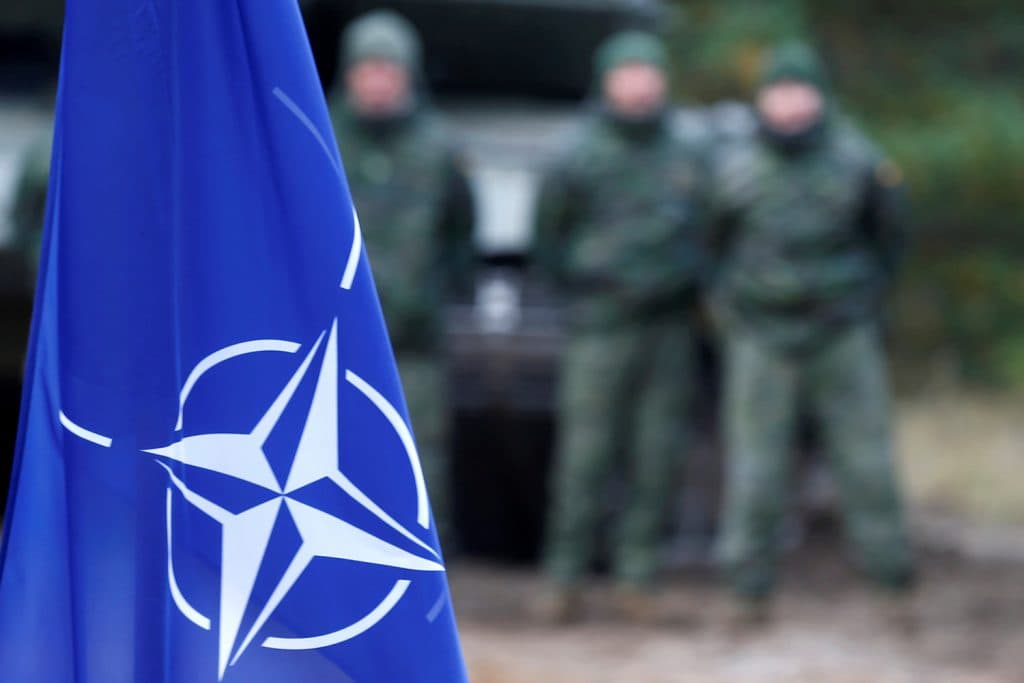
- Joint statement declares that an armed attack on one member is an attack on all, similar to Article 5 of NATO.
- Aims to address security challenges, including a Strategic Mutual Defence Agreement (SMDA) with Pakistan and a Multinational Maritime Defence Alliance (MMDA).
Geopolitical Implications:
- Analysts view MJDA as a potential precursor to a "Muslim NATO," though skepticism exists regarding its effectiveness against threats from Iran and its allies.
- The agreement has not invited participation from other regional security frameworks like the Arab League, Organisation of Islamic Cooperation, or the Gulf Cooperation Council.
Security Context:
- MJDA is a response to various threats: Iranian aggression, attacks on Saudi infrastructure, and regional instability.
- Saudi Arabia has a defense budget of $83 billion, Türkiye is a major arms exporter (approx. $10 billion annually), and Pakistan has a military force of 660,000.
Challenges and Tensions:
- Historical grievances complicate cooperation, especially Saudi reluctance to align closely with Türkiye due to past Ottoman rule and Türkiye's support for groups like the Muslim Brotherhood.
- Past Pakistani troop deployments in Saudi Arabia faced command and political issues, raising doubts about operational effectiveness.
Economic Considerations:
- Saudi Arabia's current economic stability is crucial for the MJDA’s sustainability, especially with fluctuating oil markets impacting its capacity to support military partnerships.
- Pakistan's internal security issues and its border with Iran create a complex operational environment for its participation in MJDA.
International Relations:
- The agreement could alter dynamics with India, as Pakistan may seek to leverage MJDA against Indian interests.
- India remains a significant trade partner for Saudi Arabia, and its geopolitical role is seen as stable compared to the uncertainties surrounding MJDA.
Future Prospects:
- The MJDA’s success is contingent on regional stability; ongoing conflicts could either strengthen its necessity or render it redundant in the event of peace.
- The effectiveness of the MJDA in addressing asymmetric threats remains uncertain, especially given the historical context and existing alliances.
Conclusion:
- The MJDA symbolizes an attempt at collective security among three major Sunni powers, but its practical implications and long-term viability face significant hurdles. The geopolitical landscape remains fluid, and the outcomes of this agreement could reshape regional alliances and power dynamics.
Key Terms & Concepts
| Makkah Joint Defence Agreement | Regional security arrangement |
| August 7, 2026 | Date of MJDA signing |
| Saudi Arabia | Key signatory state |
| Türkiye | Key signatory state |
| Pakistan | Key signatory state |
| Article 5 | NATO collective defense principle |
| Strategic Mutual Defence Agreement | Previous agreement with Pakistan |
| 14-country Multinational Maritime Defence Alliance | Recent security initiative |
| U.S.-Iran war | Current regional conflict |
| Strait of Hormuz | Key strategic chokepoint |
| Bab al-Mandeb | Key strategic chokepoint |
| Saudi $83 billion defence budget | Saudi military expenditure |
| Türkiye’s military industrial complex |