iAspirants
Mass March for Voting Rights
Published on:
Source: Indian Express
Share this post

Article Summary
Key Points on Recent Developments in Electoral Rights in India
Constitutional References:
- Right to Vote: A fundamental aspect of democracy tied to Article 326 of the Indian Constitution, which mandates the elections of the Lok Sabha and State Legislative Assemblies.
- Representation of the People Act: Central legislation governing the conduct of elections in India, ensuring fair electoral processes and safeguarding voters' rights.
Electoral Concerns:
- Voter Disenfranchisement: Over 130 million citizens potentially deprived of their right to vote due to arbitrary deletions from electoral rolls, larger than the populations of Japan, Germany, or the UK.
- Centralization of Voter Registration: New changes in voter roll management have led to central software that denies local Electoral Registration Officers (EROs) their essential role in maintaining voter eligibility.
Judicial and Legislative Issues:
- Judicial Oversight Required: Calls for the Supreme Court (SC) to review the electoral roll management process, ensuring adherence to constitutional rights.
- Concerns about Process: Allegations that recent modifications to Forms 6 and 7 allow for mass deletions without due process, violating the spirit of democracy.
Government Actions and Proposals:
- Suspension of Software-Integrated Rules: Demand for immediate suspension of the recently implemented software that enables mass deletions of voters.
- Restoration of ERO Authority: Advocacy for reinstating EROs as the primary authority for voter eligibility assessments, ensuring local oversight.
- Reform Proposals: Suggestions for repealing irrational changes, conducting a transparent audit of voter rolls, and reaffirming the presumption of voter eligibility as per legal standards.
Protests and Civil Society Response:
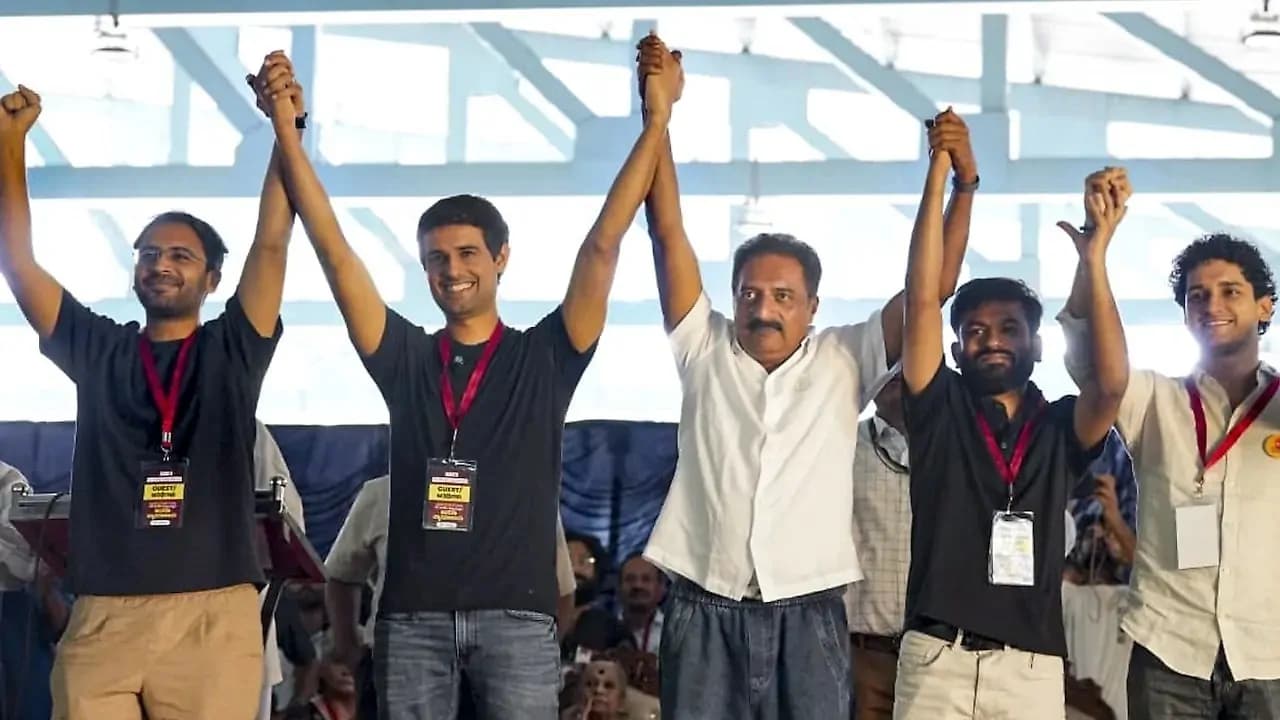
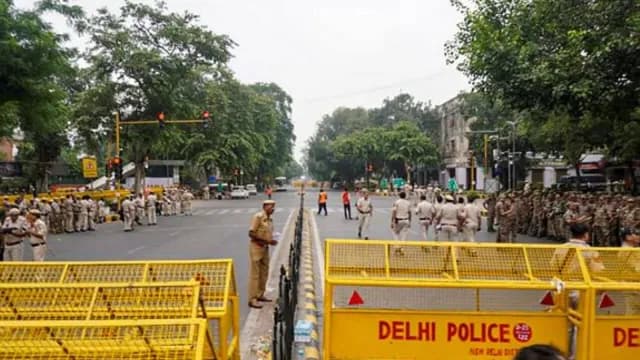
- Historic March: A large citizen-led protest gathered to defend voting rights and demand accountability from the Election Commission (EC).
- Call for Transparency and Democracy: Emphasizes that democracy must be maintained through accessible, competitive, and fair electoral processes rather than merely periodic elections.
Economic and Social Implications:
- Impact of Voter Deletions: Mass disenfranchisement poses an existential crisis for India's democratic framework, undermining the principle of popular sovereignty.
- Public Awareness and Engagement: Demonstrations signal an engaged citizenry willing to assert their democratic rights against perceived governmental overreach.
Leadership Concerns:
- Election Commission Credibility: Call for the resignation of the Chief Election Commissioner due to loss of trust among opposition parties, indicating the need for reliable electoral oversight.
Conclusion
The situation presents a critical intersection of constitutional law, electoral integrity, and civil rights, requiring urgent attention from both the judiciary and the electoral administration to restore faith in India's democratic processes. Continued advocacy for transparency and the protection of voting rights is imperative for the integrity of the electoral system.
Key Terms & Concepts
| 130 million | Citizens deprived of voting rights |
| The Supreme Court | Judicial body to address rights |
| Election Commission | Overseeing electoral integrity |
| Representation of the People Act | Legislative framework for elections |
| 2002 electoral register | Point of reference for eligibility |
| Forms 6 and 7 | Modified electoral registration forms |
| 91 percent | Wrongly deleted voter appeals |
| SIR | Contentious voter registration rules |
| Election umpires | Authority over election processes |