iAspirants
Delhi Protests and Preventive Detention Explained
Published on:
Source: The Hindu
Share this post

Article Summary
Summary of Key Points
Context of Protests and Government Response
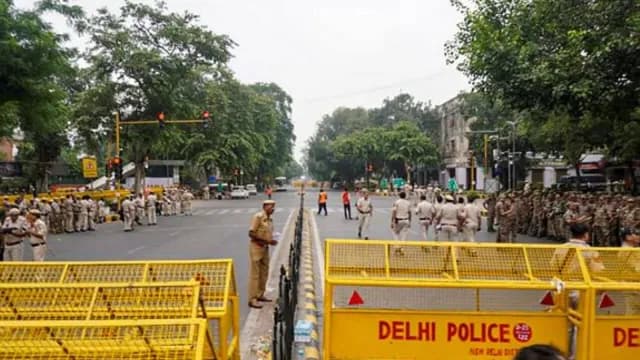
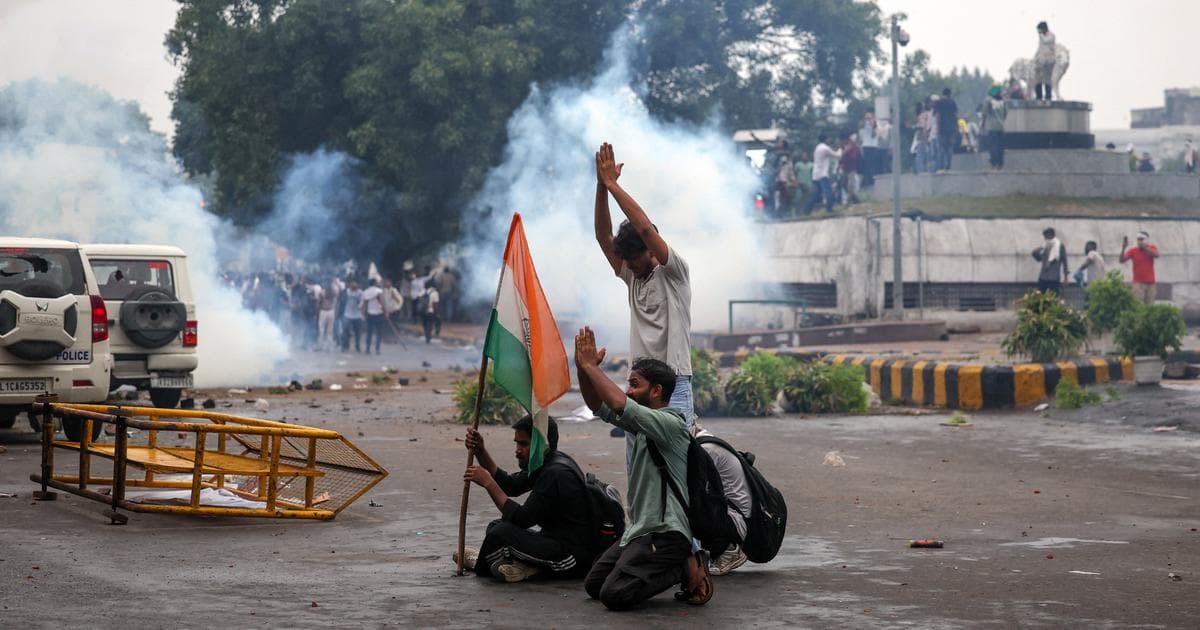
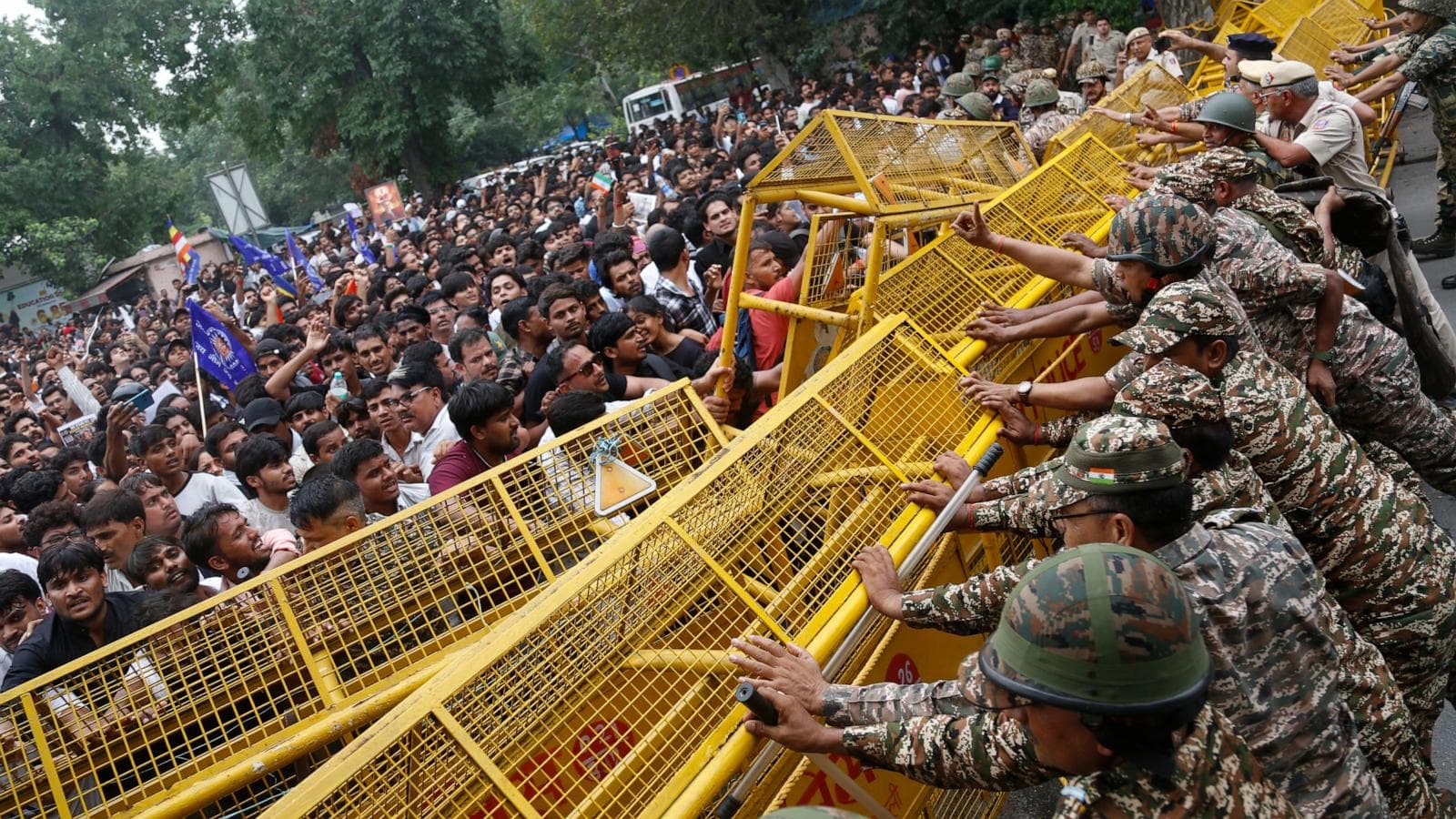
- Protests in Delhi: Over 5,000 protesters were detained while demanding the resignation of Chief Election Commissioner Gyanesh Kumar and the rollback of the SIR (Specific Incident Report).
- Crackdown on Protesters: Significant preemptive action by the Delhi Police included detaining political leaders, former Chief Ministers, lawyers, journalists, students, and activists even before protests initiated.
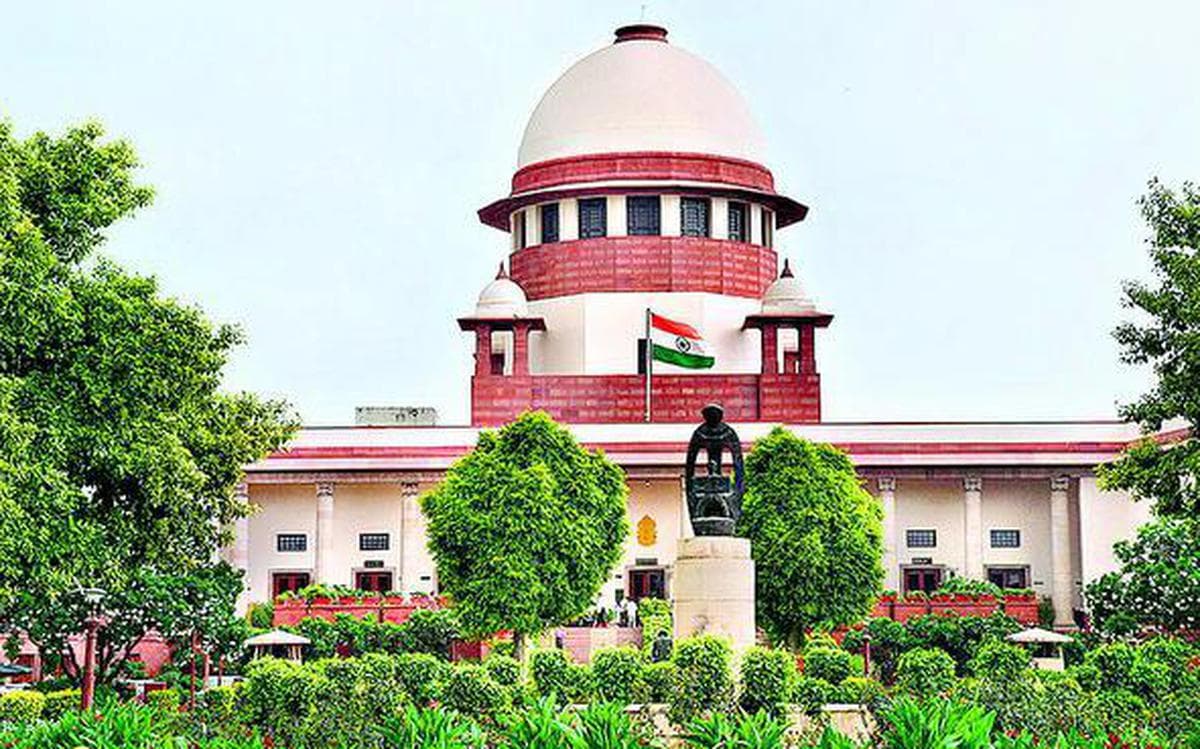
- Supreme Court Ruling: On October 11, 2026, the Supreme Court directed the Delhi Police to allow free movement of people, subject to law and order requirements.
Legal Framework on Preventive Detention
- Definition: Preventive detention involves detaining a person without trial to prevent future offences.
- Applicable Laws:
- National Security Act, 1980 (NSA): Authorizes detention if it’s determined to pose threats to national security or public order.
- Code of Criminal Procedure, 1973 (Sections under BNSS): Empower officials to issue urgent orders for maintaining public order and preventing immediate harms.
Judicial Oversight and Constitutional Safeguards
- Judicial Review: Preventive detention orders can be challenged and are subject to judicial review under Article 226/227 of the Constitution and Section 401 of BNSS.
- Supreme Court Precedents:
- Babulal Parate v. State of Maharashtra (1961): Established that preventive powers must not be exercised arbitrarily and should be for genuine emergencies.
- Maneka Gandhi v. Union of India (1978): Highlighted that restrictions on personal liberty must be just, fair, and reasonable.
- Khudiram Das v. State of West Bengal (1975): Emphasized necessity of communicating grounds of detention for accountability and transparency.
Constitutional Provisions Relevant to Detention
- Article 14: Asserts equality before the law.
- Article 19: Secures fundamental freedoms including speech and assembly.
- Article 21: Guarantees the right to life and personal liberty.
- Article 22: Offers specific safeguards against arbitrary detention:
- 22(4): Prohibits detention beyond three months without review by an Advisory Board.
- 22(5): Ensures detainees are informed of the grounds for their detention and provided a chance to contest it.
Court's Directives Regarding Recent Protests
- The Supreme Court instructed that:
- Metro and rail services should operate normally.
- Barricades must be reviewed and should not obstruct lawful movement.
- Job performance of lawyers and journalists should not be hindered.
- Compliance report is required by October 13, 2026, regarding detentions, including details on restrictions.
Historical Context of Preventive Detention in India
- Colonial Roots: The framework for preventive detention evolved from colonial laws like the Rowlatt Act (1919).
- Post-Independence Laws: Including the Preventive Detention Act, 1950, and the Maintenance of Internal Security Act (MISA), which were expanded and later repealed.
- Contemporary Acts: The NSA and amendments to the Unlawful Activities (Prevention) Act (UAPA) have shaped current preventive detention laws.
Concerns and Future Implications
- Continuing judicial scrutiny and the evolving interpretation of personal liberty indicate a delicate balance between national security and fundamental rights.
- The recent Supreme Court rulings underline an increasing concern over potential misuse of preventive detention powers and the importance of preserving constitutional safeguards in the face of state security measures.
Key Points for Examination
- Critical Examination of Preventive Detention: Understanding its legal basis, historical evolution, and judicial pronouncements.
- Constitutional Articles: Familiarity with Articles 14, 19, 21, and 22 in context of rights vs. state powers.
- Judicial Precedents: Recognition of landmark cases that shaped the interpretation of preventive detention.
Key Terms & Concepts
| Supreme Court | Judicial authority ensuring rights |
| National Security Act, 1980 | Allows preventive detention under threat |
| Article 32 | Protection of fundamental rights |
| Section 163 BNSS | Authorizes preventive orders to maintain order |
| Article 14 | Ensures equality before the law |
| Article 19 | Covers freedoms including assembly |
| Article 21 | Guarantees right to life, liberty |
| Article 22 | Safeguards against arbitrary detention |
| October 11, 2026 | Date of Supreme Court directive |
| Babulal Parate v. State of Maharashtra (1961) | Judicial precedent on detention |
| Madhu Limaye v. Sub-Divisional Magistrate (1971) | Judicial precedent on detention limits |
| MISA, 1971 | Expanded detention powers during Emergency |