iAspirants
CJP Protest Detention Legal Insights
Published on:
Source: Indian Express
Share this post

Article Summary
Summary of Legal Aspects Related to Detention and Protests
1. Protests and Detention:
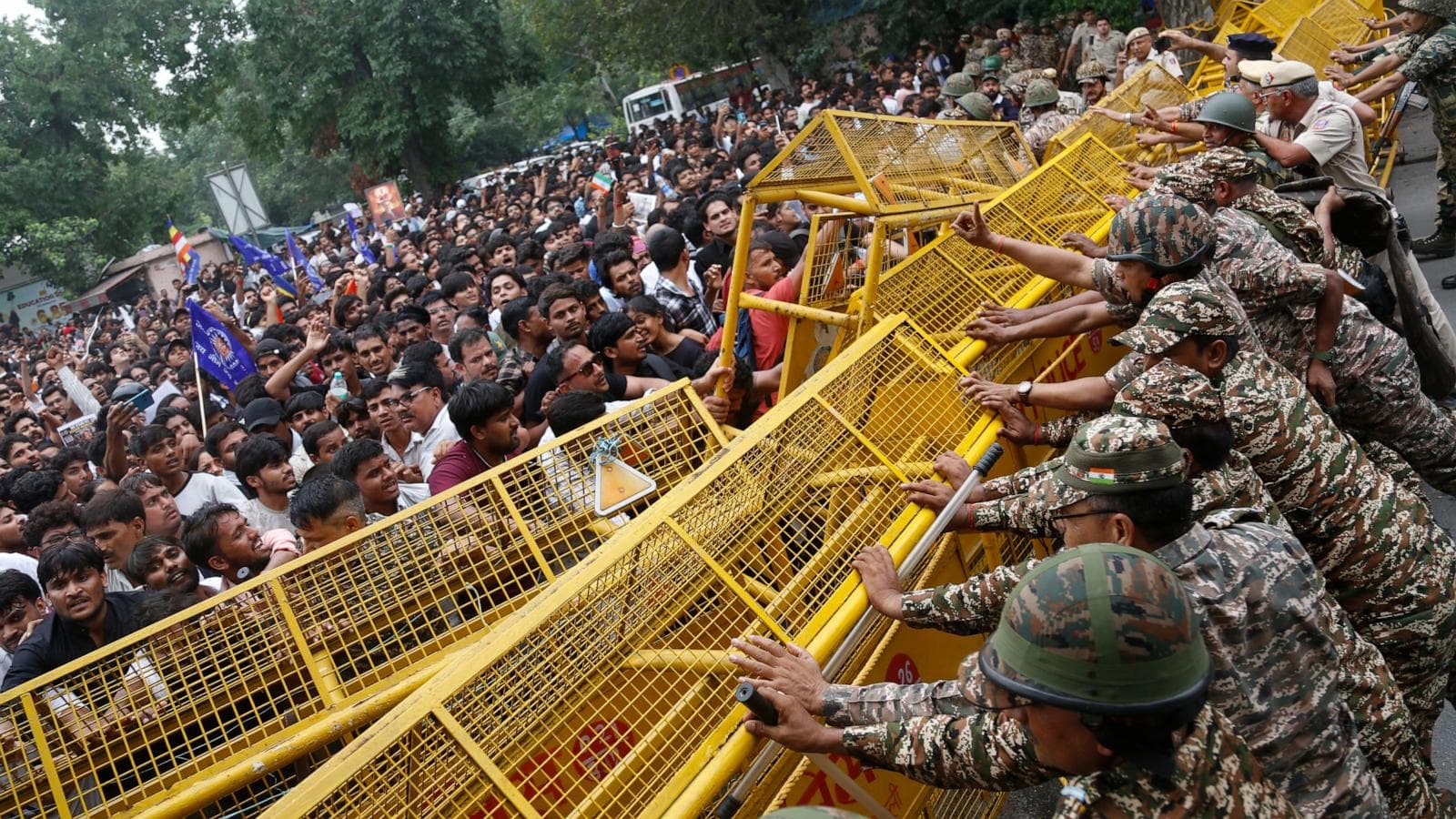
- Recent protests by the Cockroach Janta Party (CJP) in New Delhi led to mass detentions by the police.
- Authorities implemented strict measures including the cancellation of trains, closure of metro stations, internet restrictions, and deployment of barricades.
2. Arrest vs. Detention:
- Arrest is a formal legal action leading to the start of criminal proceedings, while detention may involve temporary holding without formal charges.
- The Bharatiya Nagarik Suraksha Sanhita (BNSS) allows police to detain individuals under specific circumstances.
3. BNSS Provisions:
- Section 170: Police can arrest without a warrant if a cognizable offence is anticipated.
- Section 172: Grants police authority to detain or remove individuals who resist lawful orders, a significant addition compared to the previous Criminal Procedure Code (CrPC). It stipulates a 24-hour maximum for such detentions.
4. Judicial Standards and Safeguards:
- The distinction between formal arrest and short-term custody can blur, especially in protest scenarios.
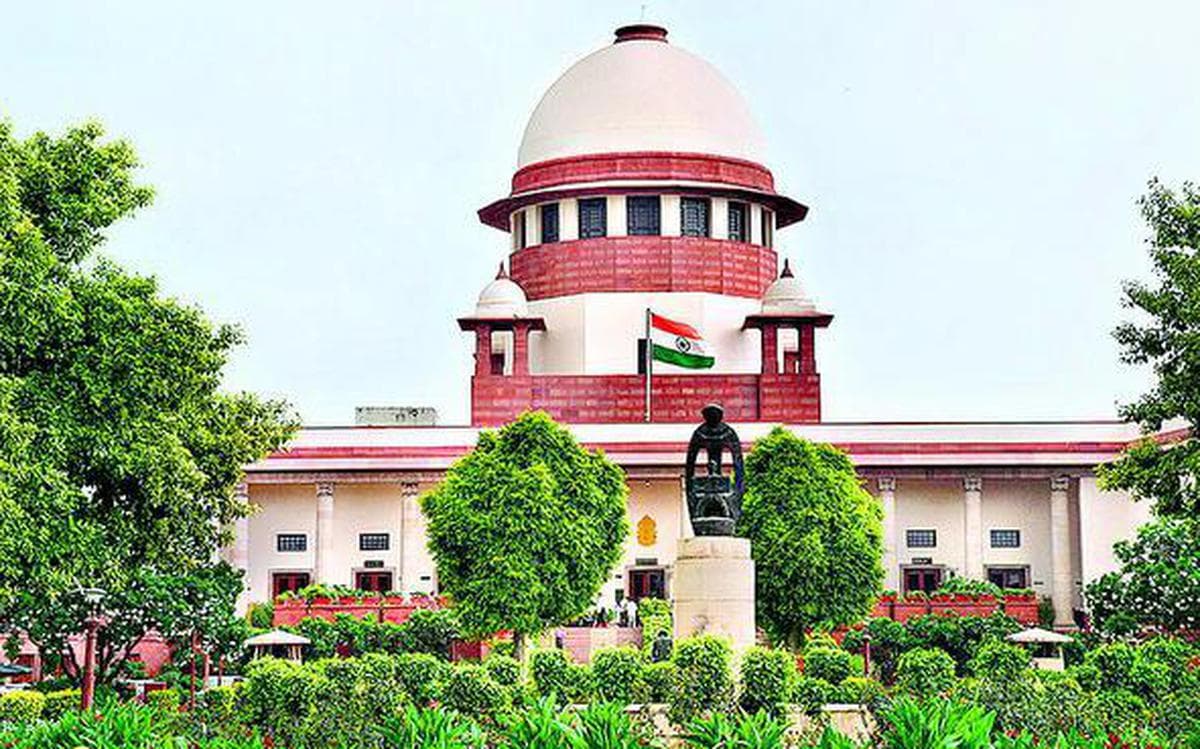
- Supreme Court rulings that guide police conduct include:
- Joginder Kumar v State of UP (1994): Emphasizes that while the power to arrest exists, its justification is crucial.
- Arnesh Kumar v. State of Bihar (2014): Advises against automatic arrests for minor infractions.
- Mazdoor Kisan Shakti Sangathan v Union of India (2018): States protest restrictions must be regulatory rather than prohibitive.
5. Rights of Detainees and Arrestees:
- Article 22 of the Indian Constitution provides the following protections:
- Right to be produced before a magistrate within 24 hours.
- Right to information regarding the grounds of arrest.
- Right to legal representation.
- Section 38 BNSS: Allows arrestees to meet their chosen lawyer during interrogation.
- Section 43(5) BNSS: Prohibits the arrest of women between sunrise and sunset except under judicial supervision.
6. General Protections During Arrest:
- The Supreme Court in DK Basu v. State of West Bengal (1997) laid out essential safeguards, including:
- Visible name tags for officers.
- Witnessed arrest memos.
- Recording of injuries.
- Notification of family members regarding the arrest.
7. Preventive Powers and Police Conduct:
- Police may claim preventive powers to maintain order during protests, utilizing Section 163 of the BNSS to enforce prohibitory orders.
- The consequences of not adhering to lawful orders can shift detention to arrest if a First Information Report (FIR) is filed, as per Section 223 of the Bharatiya Nyaya Sanhita (BNS).
8. Current Context:
- High-profile detainees include political figures amidst ongoing debates on the legality and morality of police actions during protests.
- Legal interpretations of detention practices remain contested and subject to judicial scrutiny.
This summary encapsulates critical legal frameworks and rights associated with detention, addressing the ongoing protests and the application of specific provisions under Indian law as governed by constitutional directives and judicial precedence.
Key Terms & Concepts
| Bharatiya Nagarik Suraksha Sanhita | Legal framework for detention |
| Section 170 | Allows preventive arrest without warrant |
| Section 172 | Empowers police to detain non-compliant individuals |
| Section 223 | Defines offense for disobeying orders |
| Article 22 | Rights for arrested or detained persons |
| Supreme Court | Judicial oversight on arrests |
| Joginder Kumar v State of UP (1994) | Established limitations on arbitrary arrests |
| Arnesh Kumar v. State of Bihar (2014) | Protocol against automatic arrests |
| Mazdoor Kisan Shakti Sangathan v Union of India (2018) | Clarified protest regulations |
| DK Basu v. State of West Bengal (1997) | Established arrest safeguard protocols |