iAspirants
Evolution of India's Election Commission
Published on:
Source: Indian Express
Share this post

Article Summary
Election Commission of India (ECI) Overview and Historical Context
Constitutional Framework:
- Established: 25th January 1950 as a permanent constitutional body.
- Related Articles: Article 324 of the Indian Constitution grants ECI the "superintendence, direction and control of the entire process for the conduct of elections" to Parliament and State Legislatures, and for President and Vice-President elections.
Structure and Composition:
- Current Structure: Comprised of a Chief Election Commissioner (CEC) and two Election Commissioners (ECs).
- Appointment: All members are appointed by the President of India for a term of six years or until age 65, whichever comes first, with the same status, salary, and perks as Supreme Court judges.
- Impeachment Process: CEC can only be impeached through Parliament, similar to Supreme Court judges.
Historical Evolution:
- Original Model: Initially, a single-member body (CEC). Transitioned to a three-member body due to political differences during the 1987 Presidential election dynamics (Rajiv Gandhi and CEC R V S Peri Sastri).
- 1989 Expansion: Two additional elections commissioners were appointed to address concerns over CEC's unilateral powers, leading to the ECI operating as a three-member body.
- Supreme Court Judgment: Dhanoa's removal was challenged in court; while dismissed, it acknowledged multi-member setups for better decision-making.
- Restoration of Multi-member Structure: After a brief return to a single-member model, the ECI reverted back to three members under T N Seshan's CEC term (December 1990), amidst efforts to reinforce the Commission's independence.
Legislation Affecting Structure:
- The Chief Election Commissioner and Election Commissioners (Conditions of Service) Act, 1991: Established the CEC's status equivalent to Supreme Court judges with a retirement age of 65, and ECs with a retirement age of 62.
- Amendments in 1993: Expanded the ECI to three equal members; amended the law to include provisions for decision-making mechanisms regarding the transaction of business within the Commission.
Funding Mechanism:
- The ECI operates with an independent budget finalized in consultation with the Finance Ministry, generally aligning with the Commission's recommendations.
Additional Responsibilities:
- Beyond conducting elections, the ECI advises on disqualifications of sitting MPs/MLAs due to corrupt practices.
- Cases of electoral misconduct referred to Supreme and High Courts often consult the ECI concerning disqualifications and prescribed durations.
Summary of Key Judicial Rulings:
- T N Seshan Case: The Supreme Court upheld the appointment of multiple commissioners and clarified that it was crucial for effective functioning and decision-making within the Commission.
Implications for Governance:
- The ECI’s authority is central to maintaining the integrity of electoral processes in India, highlighting the importance of its structural independence and operational autonomy amidst demands for the removal of individuals in its leadership.
Current Context:
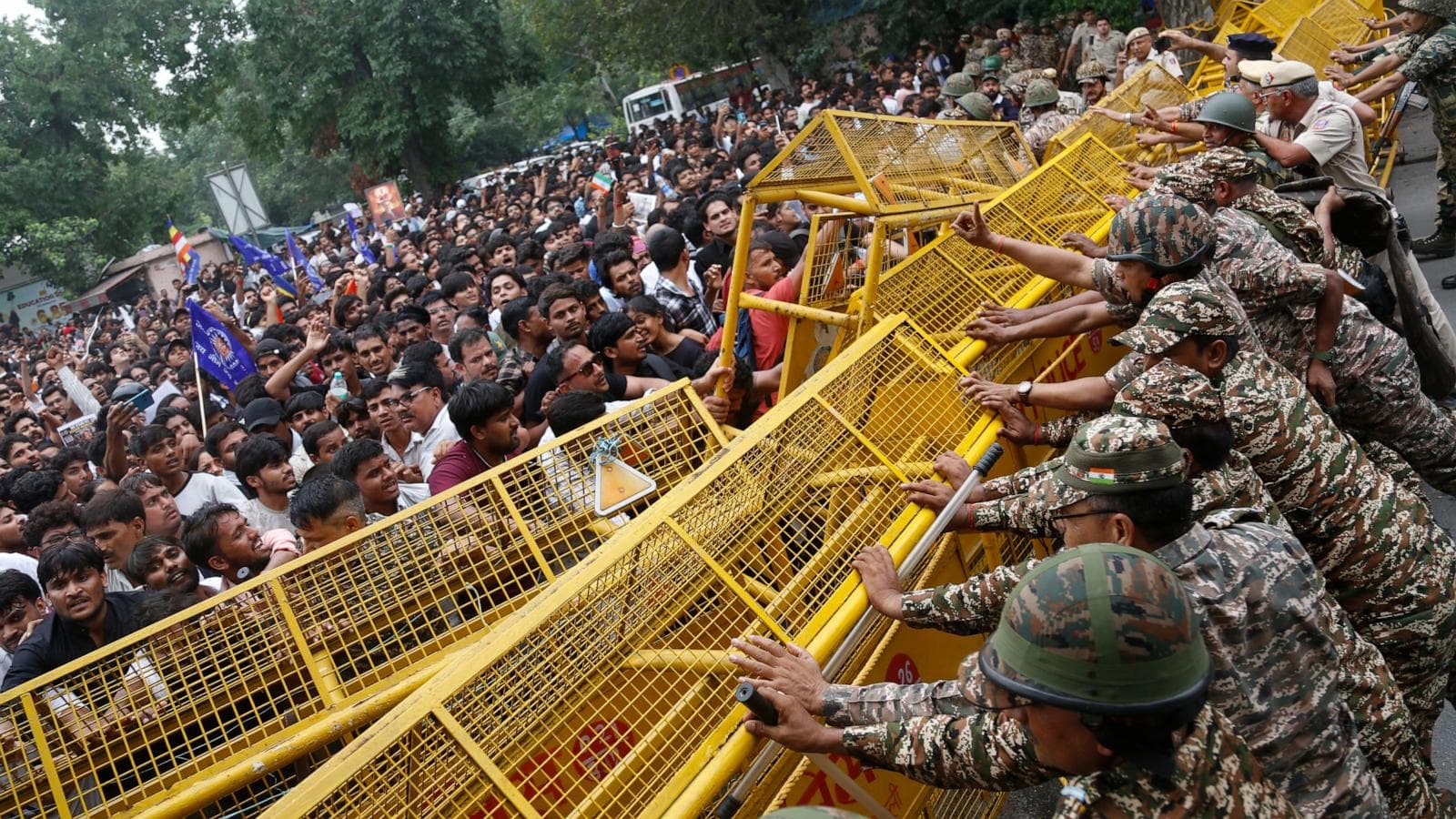
- Protests have emerged regarding the conduct and leadership of the ECI, emphasizing the need for public confidence in electoral fairness and the institutional integrity of election management in India.
Key Terms & Concepts
| Election Commission of India | Conducts free and fair elections |
| 25th January 1950 | Establishment date of ECI |
| Article 324 | Defines ECI's superintendence |
| The Chief Election Commissioner and Election Commissioners (Conditions of Service) Act, 1991 | Regulates ECI's functions |
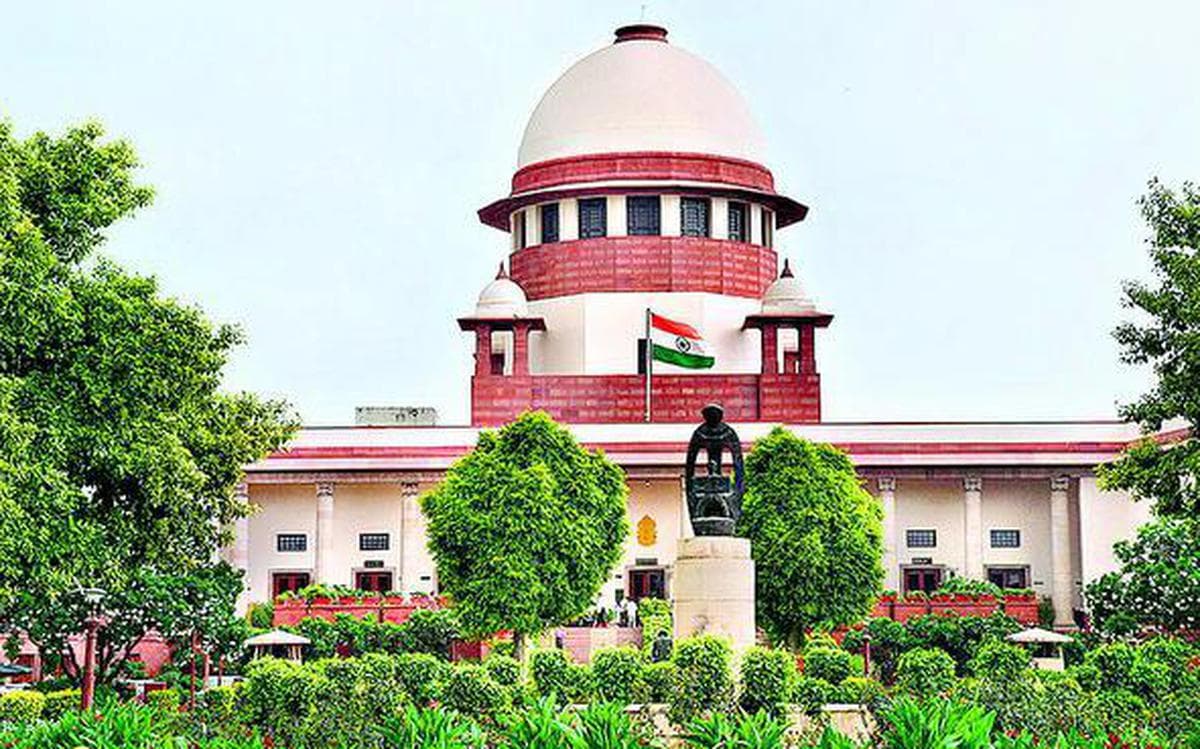
| Supreme Court | Judiciary overseeing ECI matters |
| October 7, 1989 | Date for ECI expansion |
| 65 years | Retirement age for CEC |
| 62 years | Retirement age for ECs |
| October 1, 1993 | Date for ECI re-expansion |
| T N Seshan | Notable Chief Election Commissioner |