iAspirants
Concerns Over India's Electoral Integrity
Published on:
Source: The Hindu
Share this post

Article Summary
Summary of Key Points on the Electoral System in India
Constitutional References:
- Dr. Bhimrao Ambedkar: Framer of the Indian Constitution, which established parliamentary democracy.
- 10th Schedule of the Constitution: Addresses disqualification on grounds of defection, currently perceived as encouraging party switching.
Election Management:
- Election Commission of India (ECI): Established as an independent constitutional authority to oversee free and fair elections.
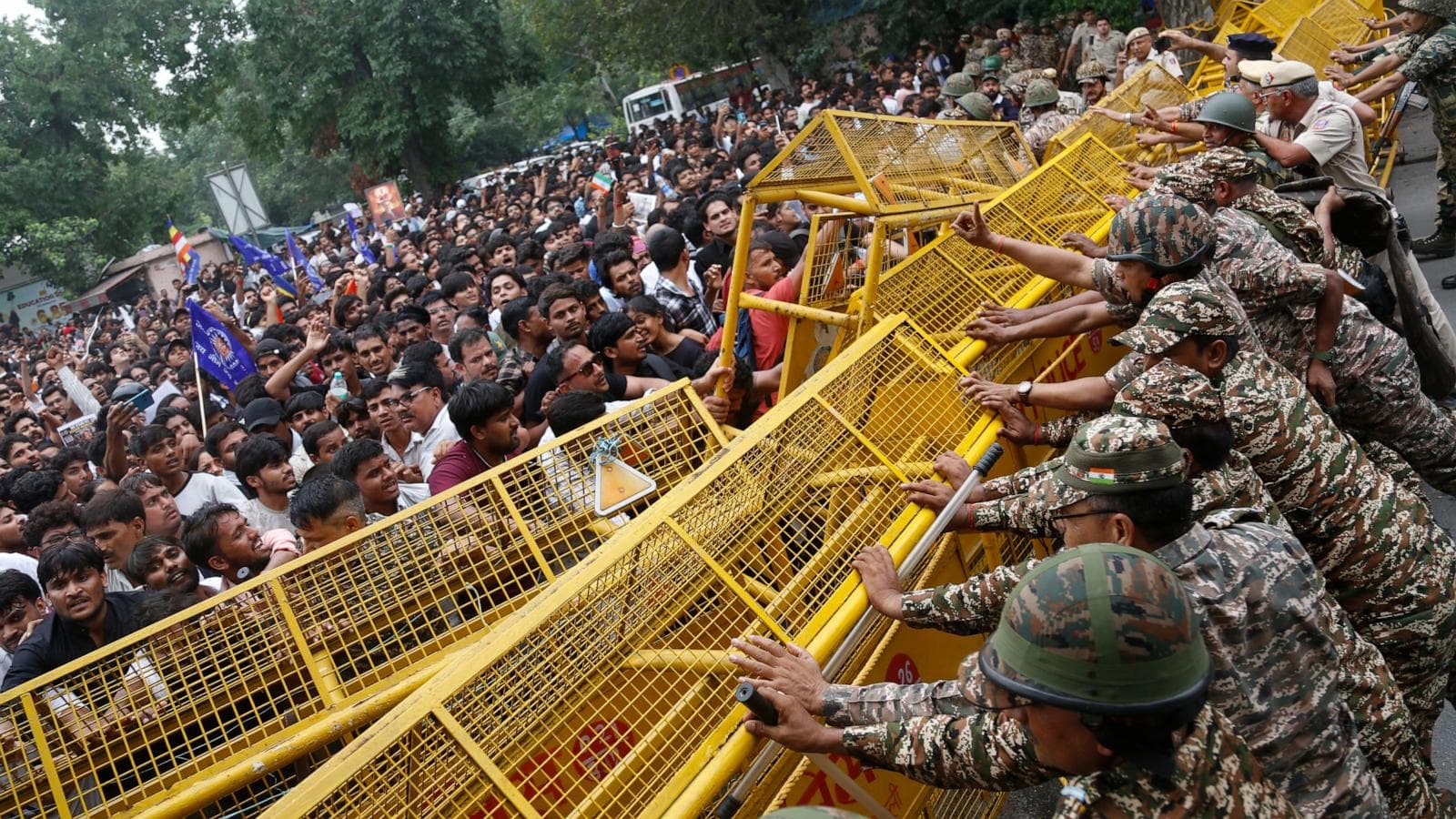
- Special Intensive Revision (SIR): A procedure initiated to update electoral rolls, facing scrutiny and protests.
- IIIDEM: India International Institute of Democracy and Election Management, launched by ECI to train international election managers.
Recent Concerns and Protests:
- Ongoing protests around the ECI raise questions about electoral integrity and public trust.
- Allegations regarding the partisan conduct of the ECI have emerged, clouding the electoral process.
- Increased public suspicion and dissatisfaction may be linked to global declines in democratic values.
Election Data and Figures:
- Approximately 98 crore electors are expected to participate in the 2024 national elections.
- Economic Survey 2026 indicates that unconditional cash transfers strain state resources by around ₹1.7 lakh crore, raising issues of electoral integrity.
Challenges to Electoral Integrity:
- Rise of Digital Campaigning: Transition from ground-level campaigning to online platforms, leading to misinformation and deep fakes.
- Excessive Money Power: The influence of financial resources on elections has escalated, given the larger pool of unofficial campaign finances.
- Bulk Party Switching: Current political climate sees opportunistic realignments undermining stable governance, questioning accountability.
Legislative and Judicial Framework:
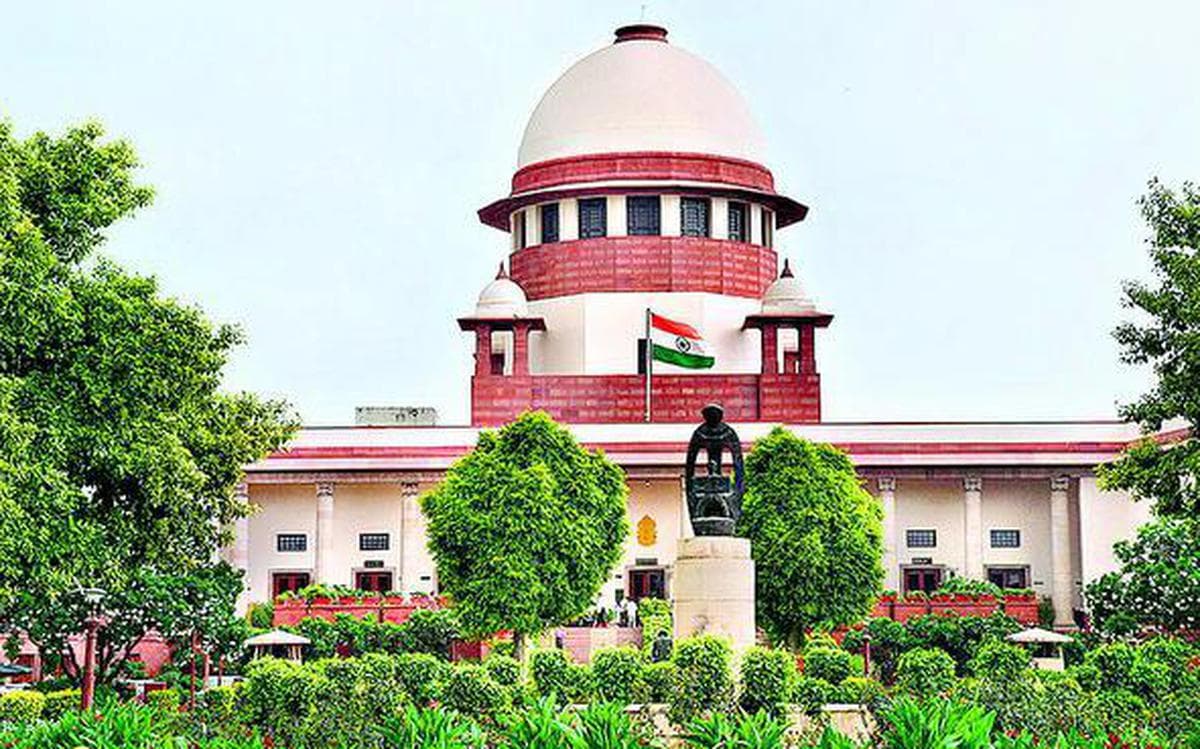
- The Supreme Court of India is currently reviewing the provision to appoint Election Commissioners through a collegium as per recent enactments.
- ECI’s capacities in managing the electoral roll and other regulatory functions have come under fire, reflective of increasing political contention.
Recommendations for Electoral Improvement:
- Political parties must collaboratively address systemic issues, ensuring safeguards against misconduct while enhancing accountability in political financing.
- Distinguishing between political rhetoric and the integrity of the election process is pivotal; reforms that bolster public trust need to be prioritized.
Historical Context:
- Indian elections have been viewed as vital to the country's governance, providing stability and countering external threats since independence in 1947.
- The initial structuring by Sukumar Sen for the first elections in 1951 faced challenges of logistics but not trust, contrasting current issues of public confidence.
Conclusion:
The integrity of India's electoral process is in jeopardy, requiring systemic reform, greater public trust, and a collaborative political response to address deeply rooted issues that threaten democracy.
Key Terms & Concepts
| Election Commission of India | Oversees electoral management |
| Special Intensive Revision | Electoral rolls management |
| Economic Survey 2026 | Reports financial burden of cash transfers |
| ₹1.7 lakh crore | Estimated cost of cash transfers |
| 10th Schedule | Provides defection law exceptions |
| Supreme Court | Judicial review of electoral laws |
| India International Institute of Democracy and Election Management | Trains election managers |
| 2024 national elections | Upcoming electoral exercise |
| Voter database manipulation | Threat to electoral integrity |
| Electoral roll preparation | Essential ECI function |